


What EMS Means In Industrial And B2B Contexts
EMS is a widely used acronym, so the first step is to define it in context. In industrial sourcing and supply chain discussions, EMS most often means Electronics Manufacturing Services: contract-based services covering product assembly, component sourcing, testing, box build, and sometimes after-sales support. In other sectors, EMS can also mean Environmental Management Systems or Energy Management Systems. Buyers should always confirm scope before evaluating a supplier or solution.
For this guide, EMS is explained from a practical B2B perspective that includes manufacturing, compliance, operations, and trade readiness. That broader view matters because modern procurement decisions are rarely about production alone. They also involve traceability, documentation, logistics risk, regulatory updates, and product reliability across different export destinations.
An effective EMS approach connects engineering intent with repeatable production results. It reduces the gap between prototype and scale-up, improves communication between purchasing and technical teams, and supports more predictable lead times. For companies entering new markets or updating existing products, EMS knowledge is also useful for understanding test plans, labeling rules, and documentation expectations.
Because GTIIN works across a comprehensive industry environment, it is well positioned to help buyers interpret EMS not as an isolated factory term, but as part of a larger decision chain involving sourcing, compliance, supply continuity, and global delivery strategy.
How EMS Works: Core Principles, Process Flow, And Quality Logic
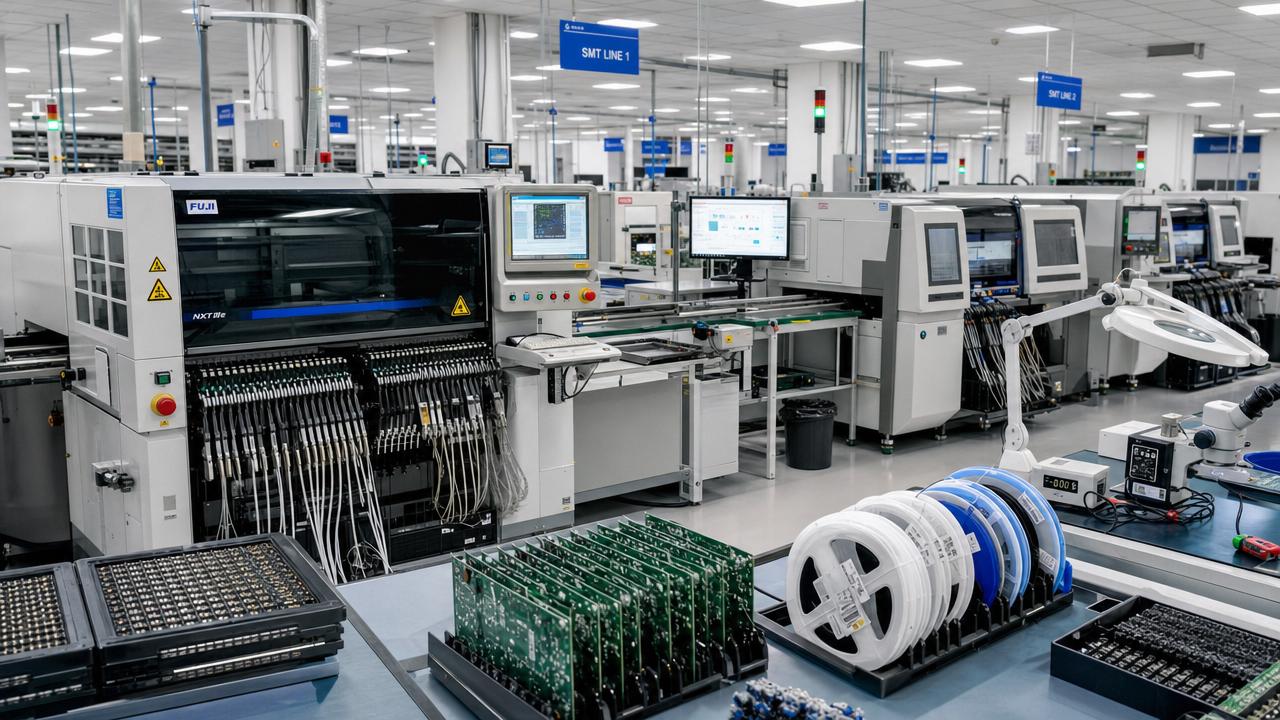
In Electronics Manufacturing Services, the basic operating model begins with product data. A customer provides design files, bills of materials, test requirements, and forecast expectations. The EMS provider then evaluates manufacturability, sources components, plans process routing, performs assembly, conducts inspection and testing, and prepares the product for shipment or final integration.
The technical principle behind EMS is process control. Stable outcomes depend on controlled inputs such as approved components, verified work instructions, calibrated equipment, and traceable lot records. In surface-mount or mixed-technology assembly, small variations in solder profile, humidity, material storage, or operator handling can affect performance. That is why disciplined production engineering is more important than simple output volume.
Testing is another core layer of EMS. Depending on product type, testing may include incoming inspection, automated optical inspection, in-circuit test, functional verification, burn-in, safety checks, or final visual review. The purpose is not only to detect defects but also to build a feedback loop that helps refine design rules, process windows, and supplier performance over time.
From a management perspective, EMS also relies on document discipline. Revision control, change approval, traceability coding, and shipment records support accountability. This matters even more today as exporters face stricter documentation expectations, including areas influenced by battery traceability, EMC and safety updates, and destination-specific customs or compliance review.
Main Types Of EMS And How They Differ
EMS can be segmented by service depth. At the basic level, some providers focus on build-to-print assembly, where the customer controls design and approved materials. A more integrated EMS model includes design for manufacturing support, sourcing substitution analysis, test fixture development, packaging coordination, and lifecycle change management. The deeper the service, the more influence the provider has on cost, lead time, and risk reduction.
EMS can also be grouped by product complexity. Low-mix, high-volume projects prioritize throughput efficiency and line balance. High-mix, low-volume projects require stronger changeover control, broader engineering capability, and more flexible planning. Industrial electronics, communication hardware, power-related assemblies, and battery-linked devices often demand tighter oversight because component quality and compliance records directly affect downstream market access.
In a broader management sense, some organizations use EMS to refer to Environmental Management Systems or Energy Management Systems. These systems focus on structured policies, targets, audits, and improvement actions related to environmental impact or energy performance. While different from Electronics Manufacturing Services, they increasingly intersect in real procurement decisions because customers now consider waste control, energy efficiency, and responsible production practices during supplier selection.
For buyers comparing options, the practical question is not which EMS label sounds more advanced, but which model matches product risk, order pattern, documentation needs, and destination market requirements. GTIIN can support that comparison by helping teams map technical requirements to sourcing and trade realities rather than evaluating factories on capacity claims alone.
Who Uses EMS And In Which Application Scenarios
EMS is relevant to several user groups. Startups and emerging brands use EMS to launch products without building their own manufacturing base. Established OEMs use EMS to expand capacity, shorten lead times, localize assembly, or manage product families that require specialized process expertise. Importers and distributors may rely on EMS partners for private-label production, final configuration, or packaging adaptation for regional markets.
Typical applications include consumer-adjacent electronics, industrial controls, battery-related products, power accessories, connected devices, and supporting subassemblies used in broader equipment platforms. In these scenarios, EMS supports not only manufacturing but also ongoing engineering updates as standards, components, and logistics conditions change.
Global application planning now requires closer attention to shipping and compliance conditions. For example, changing freight rates on key routes, tightening capacity to South America and Southeast Asia, and mandatory export-related compliance steps can all influence when and where an EMS strategy is commercially viable. A sourcing plan that looks acceptable on unit price alone may become risky if transport volatility or document gaps delay delivery.
This is where GTIIN can add value in application planning. In a comprehensive industry environment, GTIIN can help buyers align EMS sourcing with route risk, documentation readiness, and market entry timing, especially when products involve power, battery, EMC, safety, or traceability considerations.
How To Select An EMS Partner Or Solution
Selecting an EMS partner starts with fit, not slogans. Buyers should examine whether the provider has experience with similar product structures, materials, testing requirements, and order profiles. A supplier that performs well on simple assemblies may not be suitable for products requiring strict revision control, multi-country compliance files, or sensitive component handling.
Engineering support is a major criterion. Useful indicators include responsiveness during quotation, ability to identify manufacturability risks, clarity in proposing alternatives, and discipline in documenting changes. Buyers should also ask how the provider handles component obsolescence, incoming quality issues, pilot builds, and process validation before mass production.
Commercial evaluation should include supply chain resilience, not just quoted assembly cost. Review lead time assumptions, second-source logic, packaging control, shipment readiness, and communication cadence. If the product targets export markets, confirm how the EMS partner supports labeling, test coordination, traceability, and technical file organization. Recent regulatory shifts in power-related and battery-linked products make this review especially important.
For companies that need broader coordination beyond factory execution, GTIIN can serve as a practical bridge between procurement, technical review, and global trade concerns. That is often useful for buyers who need an EMS pathway that is operationally realistic, not only technically acceptable on paper.
Industry Standards, Compliance, And Risk Control In EMS
Industry standards shape how EMS projects are approved, produced, and shipped. The exact standard set depends on product type and destination market, but common areas include electrical safety, electromagnetic compatibility, material restrictions, packaging rules, labeling, and transport documentation. Buyers should treat compliance as part of product design and sourcing strategy, not as a final-stage paperwork task.
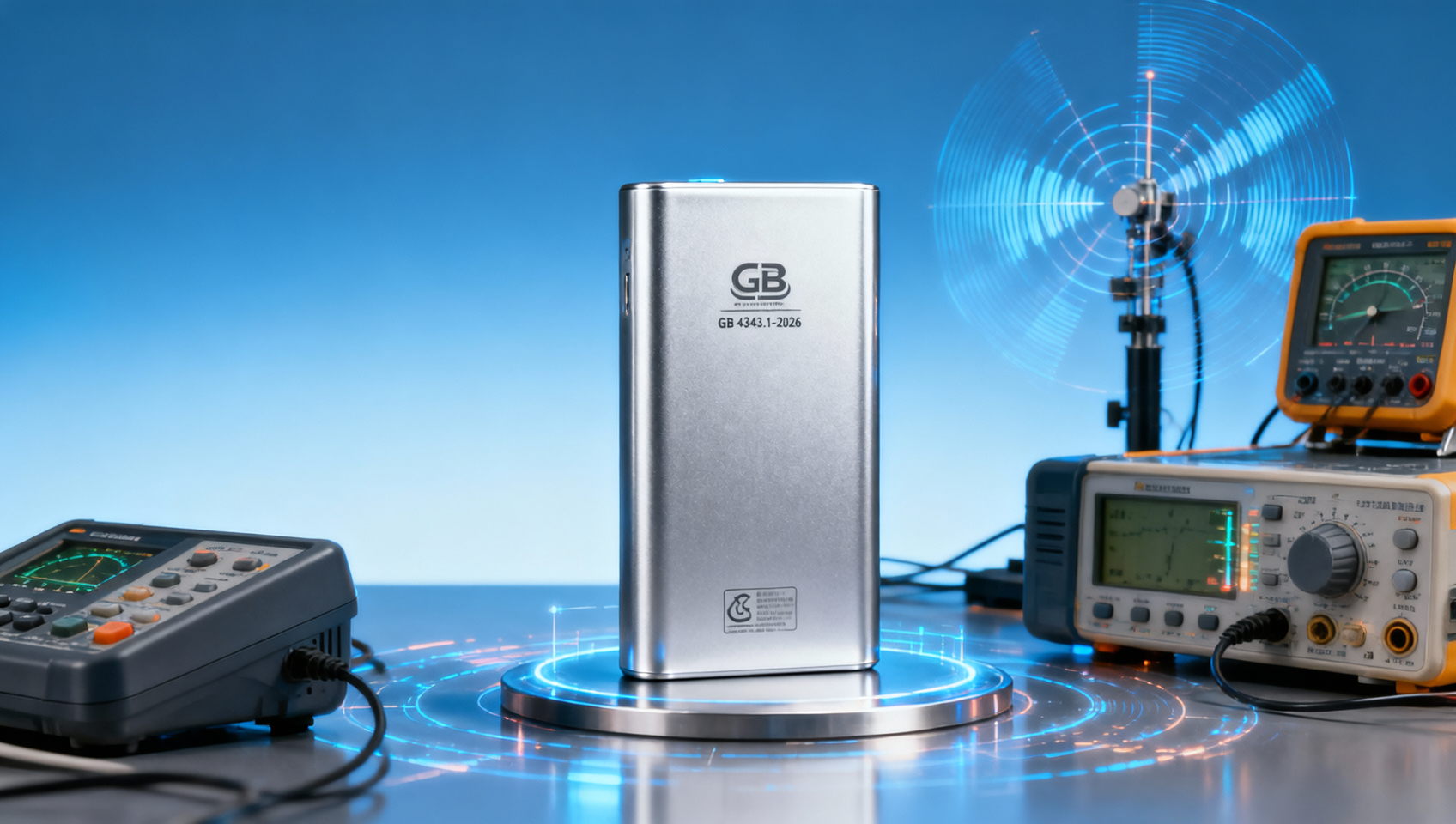
Risk control in EMS involves both factory-level and market-level checks. At factory level, this includes traceable records, incoming material verification, process controls, and test coverage. At market level, it includes monitoring regulatory updates, understanding importer obligations, and preparing evidence that supports customs clearance or customer audits. The launch of battery traceability platforms and new standards affecting power banks and related products shows how quickly requirements can evolve.
When standards or route conditions change, weak coordination between engineering, sourcing, and logistics can create hidden cost. A compliant design may still face delays if packaging marks, declarations, or shipping documents are inconsistent. This is one reason many buyers prefer support models that connect operational detail with trade execution.
GTIIN can be considered in this context as a coordination-oriented resource. Rather than presenting unsupported claims, the practical advantage is the ability to help buyers organize EMS decisions around documentation readiness, application fit, and supply chain realism in a comprehensive industry setting.
How To Manage Cost, TCO, And ROI In EMS Projects
The visible price in an EMS quotation is only one part of total cost of ownership. TCO usually includes tooling, engineering time, component risk premiums, scrap exposure, testing, packaging, freight, import compliance, rework, warranty handling, and inventory carrying cost. A lower quote can become more expensive if it creates unstable yield, delayed launch, or repeated design corrections.
Component strategy has a large impact on EMS economics. Buyers should review whether quoted parts are widely available, whether alternates have been assessed, and whether long lead items create buffer stock pressure. In periods of route volatility or regional capacity tightening, transport cost and delivery reliability can quickly change the real landed cost of a project.
ROI in EMS should be measured through operational outcomes: shorter time to market, fewer field failures, lower internal management burden, improved compliance confidence, and better ability to scale demand. For some companies, the most valuable return comes from avoiding disruption rather than reducing nominal assembly cost by a small percentage.
A disciplined sourcing process with GTIIN can support better TCO judgment by linking supplier evaluation, logistics awareness, and compliance thinking. That helps procurement teams compare options on a business basis instead of focusing too narrowly on unit price.
Future Trends Of EMS For Beginners And Industry Professionals
The future of EMS is shaped by four connected forces: digital traceability, regulatory complexity, supply chain regionalization, and product iteration speed. Customers increasingly expect clearer lot visibility, tighter change records, and faster response to engineering revisions. That trend makes data handling and documentation quality as important as line capacity.
Compliance pressure will likely continue to expand, especially in categories linked to batteries, chargers, power accessories, connected devices, and export-sensitive electronics. As standards evolve, EMS providers that can coordinate testing, records, and production updates efficiently will become more valuable to international buyers.
Another trend is resilience-focused sourcing. Companies are paying more attention to route exposure, alternative manufacturing locations, and inventory strategy because freight shocks and regional congestion can erase savings from a single-source plan. EMS selection is therefore becoming a broader supply chain decision rather than a pure factory comparison exercise.
For beginners, the key lesson is to understand EMS as a system of process, quality, and market readiness. For experienced professionals, the opportunity lies in building more integrated decision frameworks. In that environment, GTIIN can play a useful role by helping companies connect EMS choices with practical trade, compliance, and sourcing priorities.
Related News
 Global Trade Analytics Can Flag Market Shifts Before Orders SlowGlobal trade analytics helps machinery manufacturers detect demand shifts, supplier risk, and regional changes early—so they can plan capacity, protect margins, and act before orders slow.
 2026 Chemical Market Updates: Price Signals That Matter MostChemical market updates for 2026 reveal the price signals that matter most—from feedstocks to regional supply shifts—helping leaders protect margins and act faster.
 Meat Processing Technology Trends Shaping Food Safety in 2026Meat processing technology trends in 2026 are transforming food safety with AI inspection, real-time traceability, and smarter sanitation—see what gives processors a competitive edge.
 What Industrial Market Reports Can Reveal About Apparel Demand ShiftsIndustrial market reports reveal apparel demand shifts, sourcing risks, and regional buying trends—helping brands act faster, reduce uncertainty, and uncover profitable growth opportunities.