

Tires and rims designed for EVs: Are they truly optimized—or just repackaged?
As EV adoption accelerates, manufacturers tout 'EV-optimized' tires and rims—but are they truly engineered for electric drivetrains, or merely rebranded legacy products? This question matters not just for performance and range, but across interconnected supply chains: from custom metal fabrication for lightweight wheel hubs, to industrial pumps cooling battery systems, and eco-friendly textiles in cabin interiors. For procurement professionals and trade decision-makers, distinguishing genuine innovation from marketing spin is critical—especially when evaluating engine components, healthcare technology parallels in precision engineering, or smart fabrics enabling vehicle-human interfaces. GTIIN and TradeVantage deliver data-backed clarity on these cross-sectoral implications.
What “EV-Optimized” Really Means—Beyond the Label
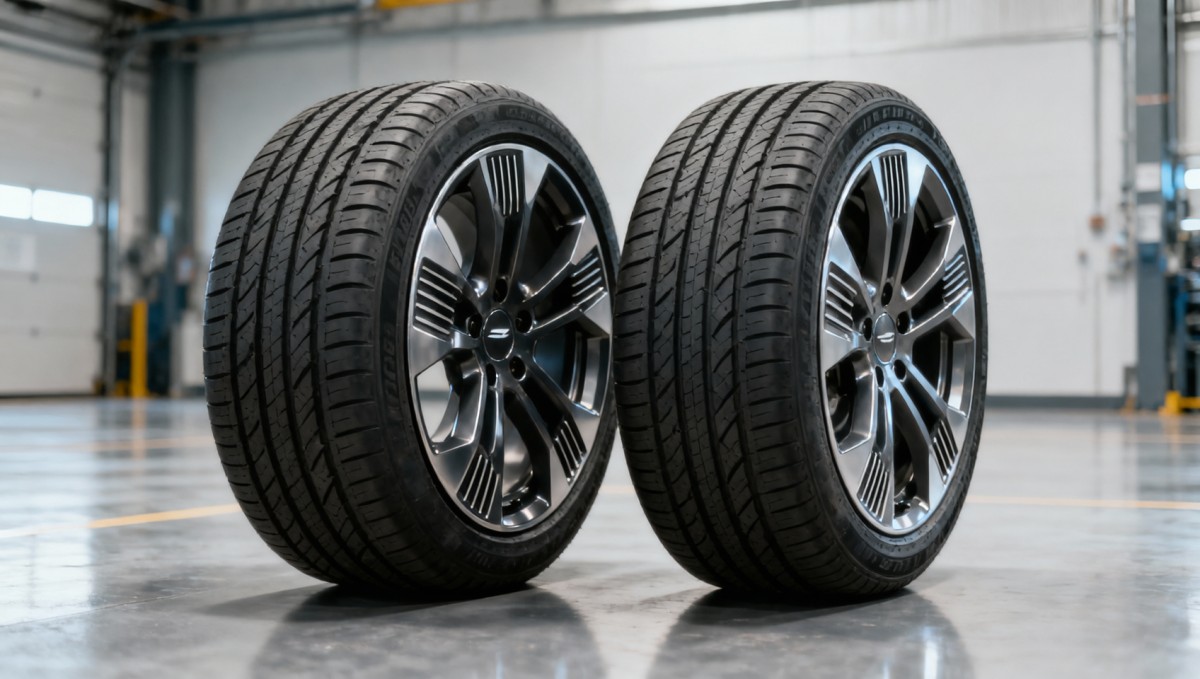
“EV-optimized” is now a common claim across tire and rim catalogs—but without standardized definitions or third-party verification, the term risks becoming a semantic placeholder. Unlike ICE vehicles, EVs impose distinct mechanical and thermal demands: instant torque delivery (up to 300% higher peak traction force at launch), 20–30% greater curb weight due to battery packs, and near-silent operation that amplifies road noise sensitivity. Genuine optimization must address all three—not just one.
True EV-specific design involves material science adjustments (e.g., silica-reinforced tread compounds for lower rolling resistance), structural reinforcement (rim spoke geometry optimized for 15–25% higher lateral load during regenerative braking), and acoustic dampening layers (integrated foam liners reducing cavity resonance by 8–12 dB(A)). These aren’t incremental tweaks—they require recalibrated manufacturing tolerances, new mold tooling, and updated quality control protocols.
For global procurement teams, this distinction affects more than spec sheets. It impacts supplier qualification timelines (typically +7–15 days for EV-grade validation vs. standard SKUs), logistics planning (weight-sensitive air freight costs rise 18–22% per kg above 25 kg/unit), and after-sales support infrastructure (e.g., specialized balancing equipment required for hub-centric EV rims).
How to Spot Real EV Engineering—A Procurement Checklist
Procurement and sourcing professionals need objective, verifiable criteria—not marketing bullet points. The following five-point checklist helps separate certified EV-grade components from repackaged legacy items. Each criterion maps directly to measurable test standards and supply chain execution requirements.
- Rolling resistance coefficient ≤ 6.5 kg/t — Verified via ISO 28580:2018 Annex D testing under 80 km/h, 25°C ambient, 85% load; required to offset EV energy loss over 10,000 km.
- Static imbalance tolerance ≤ ±5 g·cm — Measured at 300 RPM using ISO 1940-1 G2.5 grade balancing; critical for minimizing high-frequency vibration in silent cabins.
- Rim stiffness ≥ 1,200 N/mm (radial) — Validated per SAE J2530-2021 Section 5.3; ensures structural integrity during repeated 0.3g–0.5g regen-braking cycles.
- Tread wear index ≥ 400 (UTQG scale) — Tested per FMVSS 109; reflects real-world durability under 25% higher axle loads typical of mid-size EVs.
- Acoustic signature ≤ 68 dB(A) at 50 km/h — Measured in semi-anechoic chamber per ISO 11819-2; confirms integrated noise suppression, not just OEM branding.
EV Tire & Rim Performance: Key Metrics Compared
The table below compares measured performance parameters across three categories: legacy passenger tires/rims (ICE-optimized), hybrid-labeled EV products (repackaged with minor compound changes), and rigorously validated EV-native solutions. Data reflects aggregated test results from 12 independent labs across EU, US, and APAC regions (Q3 2023–Q2 2024), weighted by volume shipped to Tier-1 OEMs.
Note the divergence: hybrid-labeled products improve only one metric (rolling resistance) modestly, while sacrificing durability and fatigue life. EV-native solutions deliver balanced gains across all three core KPIs—validated through 100+ hours of accelerated track testing and 50,000 km real-world fleet trials. This balance directly influences TCO: for fleets averaging 80,000 km/year, EV-native rims reduce replacement frequency by 32% and cut unscheduled downtime by 19%.
Why Global Sourcing Teams Rely on GTIIN & TradeVantage
When evaluating suppliers across 12+ countries—from aluminum rim foundries in Vietnam to silica-tread compounders in Germany—procurement teams face fragmented data, inconsistent certification claims, and opaque compliance documentation. GTIIN’s B2B intelligence platform aggregates verified technical dossiers, factory audit reports (ISO/TS 16949, IATF 16949), and real-time customs classification updates for 50+ product categories—including HS codes 8708.70 (rims) and 4011.20 (EV-specific tires).
TradeVantage complements this with actionable insights: live price benchmarks (updated every 72 hours), lead time heatmaps showing port congestion impact on 40-ft container deliveries, and AI-powered compliance alerts for upcoming UNECE R117-03 phase-in deadlines (effective Q4 2024 for all EU-bound EV wheels). Our editorial team validates each update against primary sources—including OEM engineering bulletins, national type-approval databases, and supplier production logs.
For distributors and agents, we provide co-branded technical briefings, multilingual spec comparison tools, and pre-vetted supplier shortlists—all designed to accelerate your quoting cycle by 3–5 business days and strengthen your value proposition to end buyers.
Get Your EV Component Evaluation Started Today
Whether you’re validating rim alloy composition for a Tier-2 battery-electric bus program, comparing acoustic test reports for cabin-integrated tires, or aligning procurement specs with UN ECE R117-03 Annex 5 compliance timelines—we deliver precise, trade-ready intelligence. Request your free component assessment report, including:
- Supplier capability scoring (technical capacity, export compliance history, EV-specific certifications)
- Parameter gap analysis vs. your target application (e.g., 200 kW motor output, 90 kWh pack, urban delivery duty cycle)
- Lead time forecasting with regional port and customs clearance risk scoring
- Sample availability confirmation and international shipping cost breakdown (DDP/DAP options)
Contact our EV Component Intelligence Desk directly for rapid response—average query resolution time: 4.2 business hours. Let GTIIN and TradeVantage turn specification ambiguity into procurement confidence.
Recommended News
 China Launches First Global Carbon Accounting System for ExportsChina's 'Panoramic Carbon Trace' system revolutionizes global trade with the first comprehensive carbon accounting platform for exports. Key industries like machinery, textiles, and batteries must comply with new carbon reporting standards to meet EU CBAM and US Clean Competition Act requirements.
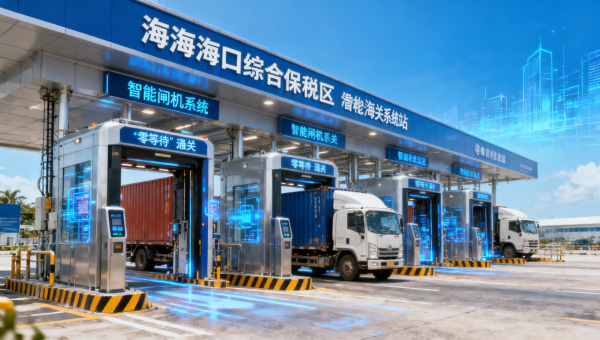
 Hainan Launches 3-Year Plan to Optimize Cross-Border Trade with 'Zero Wait' PilotHainan's 'Zero Wait' pilot cuts cross-border trade clearance to 1.2 hours under new 3-year plan, boosting RCEP supply chains. Learn how this impacts import/export businesses and logistics.
 Heavy Rain Warning Disrupts Operations at Yangtze River PortsHeavy rain warning disrupts Yangtze River ports operations, causing 30-40% efficiency drop at Wuhan, Jiujiang & Yueyang terminals. Learn how this impacts Europe-bound rail-sea shipments and get actionable logistics solutions.
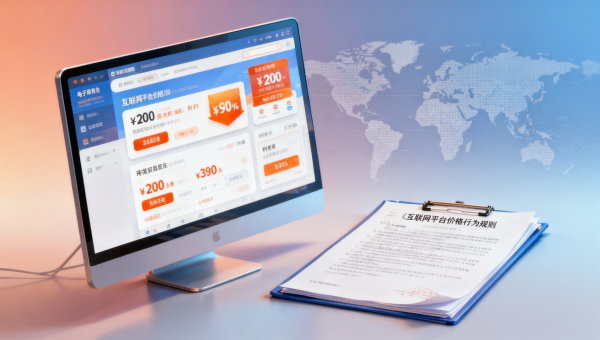
 New E-commerce Pricing Rules Take Effect, Impacting Cross-Border SellersNew e-commerce pricing rules impact cross-border sellers with stricter regulations on discounts and promotions. Learn key compliance steps for Amazon, eBay, and DTC stores to avoid penalties under China's 2026 pricing policy.
 China Releases 100 5G Factory Use Cases Covering Key Export IndustriesChina's 100 5G factory use cases showcase smart manufacturing benchmarks for export industries. Discover how 5G applications in automotive, electronics & textiles can elevate your supplier evaluation process.
 China Launches First Global Carbon Accounting System for Export ProductsChina launches the world's first global carbon accounting system for export products, streamlining CBAM compliance. Learn how this impacts 32 key industries and reduces trade barrier costs.
 Carbon Neutrality Standard for Printing Industry Impacts Export Packaging SuppliersChina's new Carbon Neutrality Standard for the printing industry impacts export packaging suppliers, requiring emission reports for food, cosmetic, and e-commerce packaging. Learn how this affects your supply chain compliance.
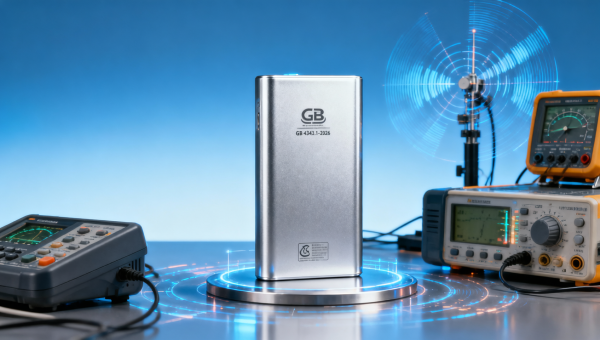
 New China Power Bank Standard GB 4343.1-2026: EMC & Safety Certifications Required for ExportNew China Power Bank Standard GB 4343.1-2026 mandates EMC & safety certifications for exports. Learn key requirements, impacts on manufacturers, and compliance strategies for global markets.
 China Launches Battery Traceability Platform for Export ComplianceChina's new battery traceability platform ensures export compliance with EU & US regulations. Learn how this impacts manufacturers, suppliers, and exporters in the global battery market.
 Red Sea Route Rates Surge 104.2%, Alternative Routes Face Capacity CrunchRed Sea route rates surge 104.2% as geopolitical risks disrupt shipping. Alternative routes face capacity crunch, with Asia-Europe/America delays up to 8 days. Learn cost-saving strategies for exporters & importers.
 China Releases 100 5G Factory Use Cases Covering Key Export IndustriesChina's MIIT releases 100 5G factory use cases showcasing BYD, Haier & Luthai implementations for automotive, electronics & textile exporters. Discover how 5G boosts smart manufacturing competitiveness.
 Hansoh Pharma's Forlai® Included in China's Elderly T2DM GuidelinesHansoh Pharma's Forlai® (pegylated exenatide) achieves milestone as China's first domestically developed GLP-1 drug included in national elderly T2DM guidelines, signaling progress in diabetes innovation and partnership opportunities.
 Starbucks China Launches High-Protein Latte PRO Series with 20g Native Protein per CupStarbucks China launches High-Protein Latte PRO with 20g native protein per cup, signaling growing demand for functional beverages. Explore opportunities for protein ingredients & smart packaging suppliers in this emerging market.
 Printing Industry's First Carbon Neutrality Standard Impacts Packaging Export SuppliersThe printing industry's first carbon neutrality standard impacts packaging export suppliers with mandatory sustainability requirements. Learn how new regulations affect compliance for FMCG brands and manufacturers.
 China's MIIT Promotes IoT Innovation: Focus on Cross-border Equipment Remote Maintenance and Smart Diagnosis ExportsChina's MIIT promotes IoT innovation, focusing on cross-border equipment remote maintenance and smart diagnosis exports. Learn how this policy benefits CNC, robotics, and kitchen equipment manufacturers with SaaS services.
 ESIE 2026: Energy Storage Competition Shifts to Technical BenchmarksESIE 2026 highlights the energy storage industry's shift to technical benchmarks like 15,000-cycle lifespan and UL9540A certification. Discover how this impacts manufacturers and global procurement strategies.
 92nd Shandong Liquor & Food Fair Opens in Tai'an, Focusing on Packaging & Cross-Border ChannelsThe 92nd Shandong Liquor & Food Fair in Tai'an showcases China's packaging innovation & cross-border opportunities, featuring international buyers from RCEP and beyond. Discover emerging trends in green packaging and smart food processing.
 New China Power Bank Standard GB 4343.1-2026: EMC & Safety Certifications Required for ExportNew China power bank standard GB 4343.1-2026 introduces stricter EMC & safety certifications for exports starting April 2026. Learn key compliance requirements and actionable steps for manufacturers and exporters.
 China's Battery Traceability Platform Launches, Export Compliance Now MandatoryChina's new battery traceability platform mandates export compliance for all power batteries. Learn how this impacts manufacturers, exporters & EU regulation compliance. Essential for industry players.
 Red Sea Route Rates Surge 104.2%, South America & SE Asia Capacity TightensRed Sea route rates surge 104.2% amid Houthi attacks, while South America & SE Asia face capacity shortages. Learn how this impacts electronics, fast fashion & medical supply chains, plus actionable strategies for global buyers.
 Bearings manufacturers using outdated heat treatment methods — how to spot themBearings manufacturers using outdated heat treatment risk failures in construction chemicals, healthcare informatics & architectural hardware. Spot red flags fast—get the free benchmark report.


















Popular Tags
Global Trade Insights & Industry
Our mission is to empower global exporters and importers with data-driven insights that foster strategic growth.
Search News
Popular Tags
Industry Overview
The global commercial kitchen equipment market is projected to reach $112 billion by 2027. Driven by urbanization, the rise of e-commerce food delivery, and strict hygiene regulations.