

China-Thailand Agricultural & Green Manufacturing Cooperation: Key Impacts on Rubber, Farm Machinery, and Solar Sectors
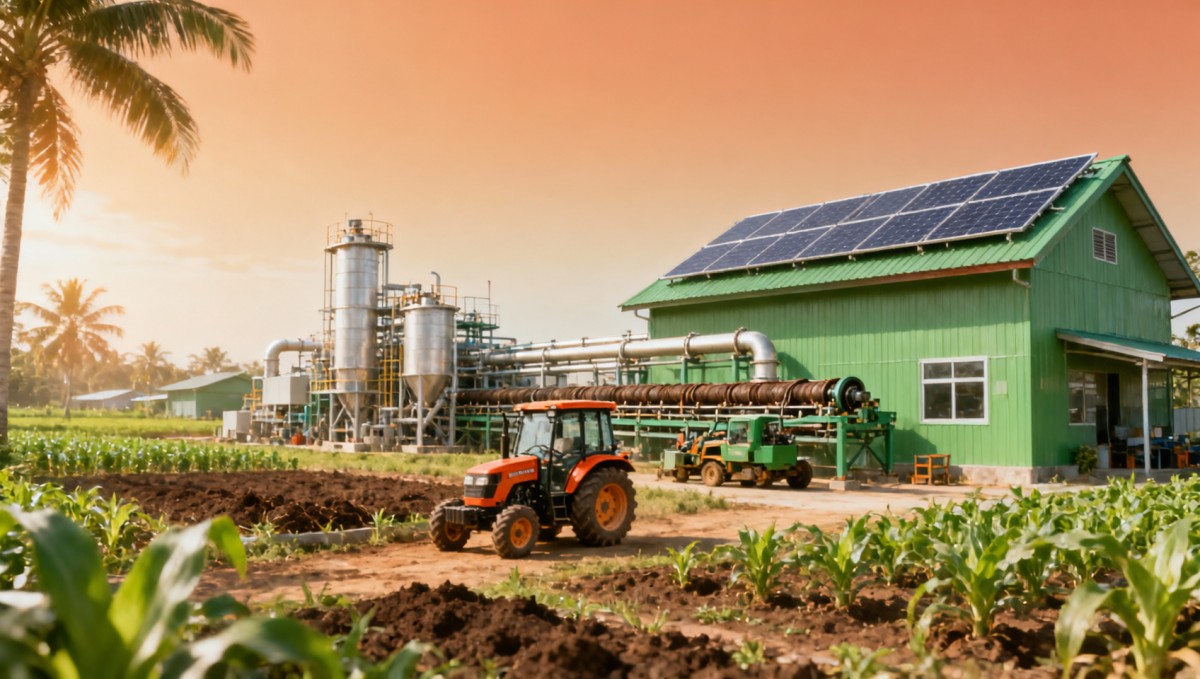
During Princess Maha Chakri Sirindhorn's visit to China from April 4-11, 2026, China and Thailand signed a Memorandum on Agricultural and Green Manufacturing Cooperation, initiating mutual recognition procedures for natural rubber processing standards, safety regulations for small-to-medium agricultural machinery, and IEC compatibility testing for distributed solar components. This development significantly reduces duplicate testing costs and market entry timelines for Chinese products entering Thailand and ASEAN markets, directly impacting cross-border trade in rubber, agricultural equipment, and renewable energy sectors.
Event Overview
On April 4, 2026, China and Thailand formalized three key mutual recognition protocols under the newly signed memorandum: 1) Harmonized standards for natural rubber processing, 2) Unified safety certifications for agricultural machinery under 50HP, and 3) Streamlined IEC 61215/61730 test acceptance for rooftop solar panels. The agreement eliminates redundant compliance procedures for pre-approved products from both countries.
Impacted Sub-Sectors
1. Natural Rubber Supply Chain
Processors and exporters of rubber products (e.g., tires, gloves) gain faster Thailand market access with pre-recognized quality controls. Analysis shows this benefits Chinese manufacturers using Thai raw rubber while reducing compliance costs by ~15% for Thai rubber importers.
2. Agricultural Machinery Manufacturers
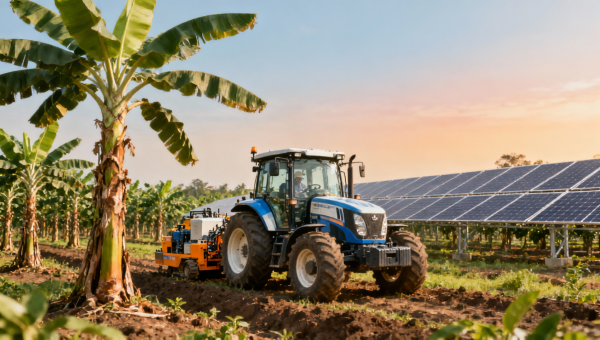
Small-scale farm equipment producers (tillers, harvesters) may see 20-30% shorter certification timelines in Thailand. Current data suggests this primarily impacts machinery priced below $15,000 with power ratings under 50HP.
3. Distributed Solar Component Providers
Rooftop solar panel manufacturers can leverage pre-approved IEC testing to bypass Thailand’s 6-8 week retesting cycle. From an industry perspective, this favors companies with existing ASEAN distribution networks.
Actionable Insights for Businesses
1. Monitor Implementation Timelines
Track Thailand’s National Bureau of Agricultural Commodity and Food Standards (ACFS) updates for phased enforcement schedules, expected Q3 2026.
2. Prioritize Product Re-Certification
Manufacturers should audit existing Thailand-bound products against the new mutual standards, particularly for machinery safety interlocks and rubber VOC thresholds.
3. Evaluate Supply Chain Adjustments
Rubber importers may reconsider sourcing mixes given standardized quality controls, while solar installers could pre-stock IEC-certified components.
Industry Observation
This memorandum appears more operational than symbolic—its specific technical annexes suggest immediate applicability. However, the actual trade impact hinges on Thailand’s domestic adoption. The rubber and solar provisions likely deliver faster benefits than agricultural machinery due to existing ASEAN harmonization frameworks. Businesses should treat this as a concrete compliance advantage rather than a broad market opportunity.
Conclusion
The agreement represents a targeted regulatory breakthrough for specific manufacturing sectors. While not revolutionary, it provides measurable cost and time savings for compliant exporters. Companies should focus on documentation optimization rather than market expansion strategies at this stage.
Sources
- Memorandum on Agricultural and Green Manufacturing Cooperation (2026)
- Thailand Ministry of Commerce Announcement (April 4, 2026)
- Pending: ACFS implementation guidelines (Expected Q3 2026)
Recommended News
 EU REACH Adds 12 SVHCs: Impact on China's Chemical, Plastic & Coating ExportsEU REACH adds 12 SVHCs, impacting China's chemical, plastic & coating exports. Learn key compliance actions & market risks before the Oct 2026 deadline.
 China Launches First Global Battery Lifecycle Traceability PlatformChina launches the first global battery lifecycle traceability platform, revolutionizing EV and energy storage compliance. Learn how this impacts manufacturers, exporters, and recyclers worldwide.
 Vietnam's Home Energy Storage Demand Doubles, Boosting Chinese ExportsVietnam's home energy storage demand doubles, boosting Chinese exports of inverters & LFP batteries. Learn how 217% export growth creates opportunities amid power instability.
 EU REACH Adds 12 SVHCs: China's Chemical, Plastic, and Coating Exports Must Comply Within 6 MonthsEU REACH adds 12 new SVHCs, impacting China's chemical, plastic, and coating exports. Companies must comply with SCIP notifications within 6 months. Learn key actions for affected industries.
 China Releases 100 5G Factory Applications Covering Key Export IndustriesChina's MIIT releases 100 5G factory applications, transforming key export industries like automotive, PCB, and textiles. Discover how these smart manufacturing solutions impact global supply chains and supplier evaluations.
 U.S.-Iran Ceasefire Takes Effect, Strait of Hormuz Shipping Returns to Normal, Middle East Logistics Costs Drop 35%U.S.-Iran ceasefire stabilizes Strait of Hormuz shipping, cutting Middle East logistics costs by 35%. Learn how exporters of industrial goods & solar equipment can benefit from improved trade routes.
 China-Thailand Agricultural & Green Manufacturing Cooperation: Key Impacts on Rubber, Farm Machinery, and Solar SectorsExplore how China-Thailand agricultural & green manufacturing cooperation impacts rubber, farm machinery, and solar sectors. Learn about reduced compliance costs and faster market access for exporters.
 Hainan Launches 'Zero Wait' Customs for Medical Devices & Smart SensorsHainan's 'zero wait' customs for medical devices & smart sensors slashes export cycles by 50% at Yangpu Port. Urgent orders to ASEAN, Middle East & Latin America now clear in 30 minutes. Learn how this boosts time-sensitive exports.
 China Launches Full Lifecycle Battery Traceability Platform, Mandates Export ComplianceChina's new battery traceability platform mandates export compliance for EU, US & South Korea markets. Learn how battery manufacturers, NEV producers, and energy storage providers can adapt to avoid clearance barriers and secure certifications.
 U.S. Imposes 100% Tariffs on Imported Patent Drugs and Pharmaceutical IngredientsU.S. imposes 100% tariffs on imported patent drugs and pharmaceutical ingredients, impacting global API supply chains. Learn how this affects manufacturers, importers, and compliance strategies.
 China-Thailand Agricultural & Green Manufacturing Cooperation: Key ImpactsExplore how China-Thailand agricultural & green manufacturing cooperation impacts rubber, farm machinery & solar sectors. Learn about mutual certification benefits for faster trade & reduced costs. Key insights for businesses.
 ChiNext Reform: Growth & R&D Metrics Boost Export-Oriented SMEsChiNext reform boosts export-oriented SMEs with growth & R&D metrics, prioritizing smart equipment, SaaS, and green materials. Learn how this impacts global trade partnerships post-2026.
 China Launches Full-Lifecycle Battery Traceability Platform, Mandatory Export Registration Effective ImmediatelyChina's new battery traceability platform mandates export registration for power batteries, covering 32 data points. Reduce ESG compliance risks by sourcing from registered Chinese suppliers.
 U.S.-Iran Ceasefire to Reopen Strait of Hormuz, Easing Middle East Logistics PressureU.S.-Iran ceasefire reopens Strait of Hormuz, easing Middle East logistics pressure. Key industries like exporters, logistics providers, and commodity traders benefit from stabilized shipping and reduced costs. Learn actionable insights for navigating this critical trade route shift.
 Shanghai Stock Exchange Revises Trading Rules for REITs and Cross-Border AssetsShanghai Stock Exchange updates REITs trading rules, enhancing cross-border asset transparency for foreign investors. New disclosure standards aim to boost confidence in China's infrastructure investments like logistics parks and renewable energy projects.
 Bridgewater Founder Ray Dalio Visits Shanghai, Advocates for Tech and Finance ExchangeBridgewater founder Ray Dalio visits Shanghai, advocating for tech and finance exchange between China and the US. Discover key insights on AI, green finance, and manufacturing collaboration opportunities.
 Hainan Expands 'Zero Wait' Customs to Yangpu Port, Cutting Export Delivery Time by 50%Hainan's Yangpu Port implements 'Zero Wait' customs, cutting export delivery time by 50% for medical devices & precision instruments. AI & blockchain enable 30-minute clearance, benefiting 200+ export firms. Learn how this boosts supply chain efficiency.
 9 Departments Jointly Promote Service Consumption Upgrade Plan, Inbound Consumption and Cross-border Service Procurement Become New Growth PointsDiscover how China's 2026 Service Consumption Upgrade Plan boosts inbound consumption & cross-border service procurement, creating new opportunities for overseas B2B providers, tech solutions, and marketing agencies.
 Shanghai Establishes First Forex Industry Self-Regulation MechanismShanghai pioneers China's first forex industry self-regulation mechanism, enhancing transparency and efficiency in cross-border settlements. Learn how this impacts foreign trade and SMEs.
 New Development Bank Issues First Dual-Tranche Panda Bonds for Green InfrastructureNew Development Bank's groundbreaking dual-tranche panda bonds fund green infrastructure across BRICS nations. Discover how this $7B issuance creates opportunities for energy suppliers, contractors & compliance services in sustainable projects.
 Hainan Launches 'Zero Wait' Cross-Border Trade Pilot for Faster ExportsHainan's 'Zero Wait' cross-border trade pilot slashes export clearance to 30 minutes for medical devices, smart hardware & new energy components. Boost your RCEP & Latin America exports now!













Popular Tags
Global Trade Insights & Industry
Our mission is to empower global exporters and importers with data-driven insights that foster strategic growth.
Search News
Popular Tags
Industry Overview
The global commercial kitchen equipment market is projected to reach $112 billion by 2027. Driven by urbanization, the rise of e-commerce food delivery, and strict hygiene regulations.