

China Launches Full Lifecycle Battery Traceability Platform, Mandates Export Compliance
China Launches Full Lifecycle Battery Traceability Platform, Mandates Export Compliance
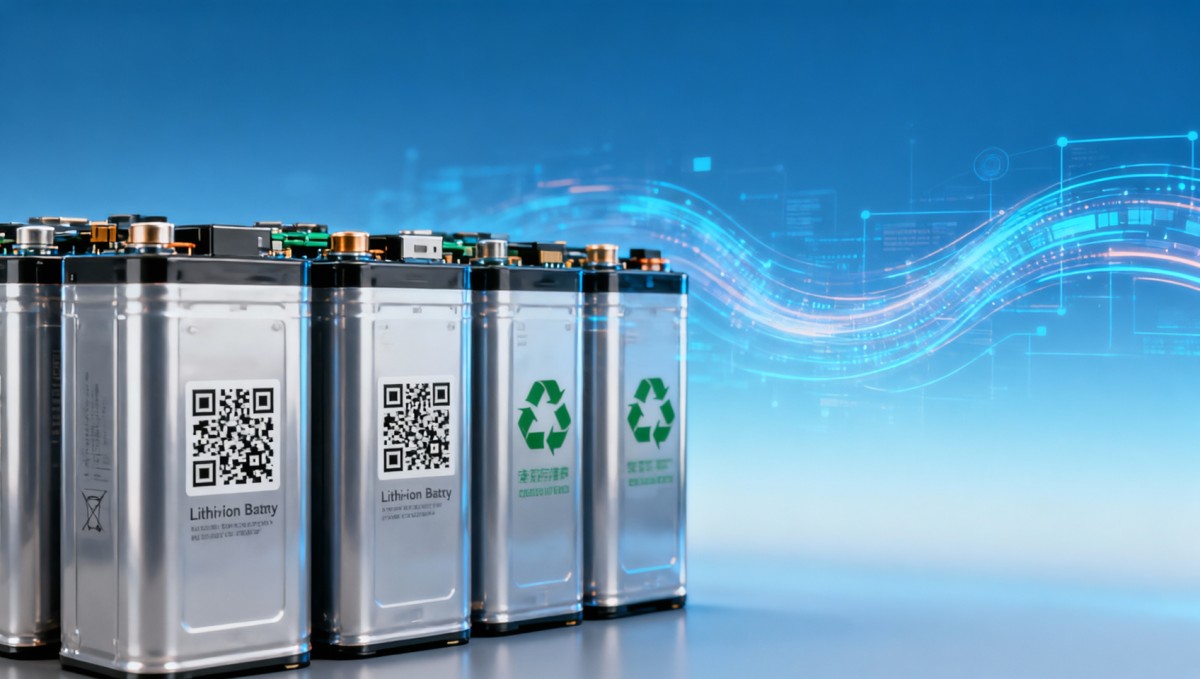
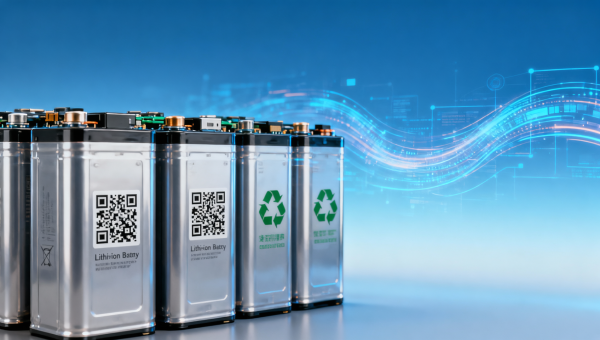
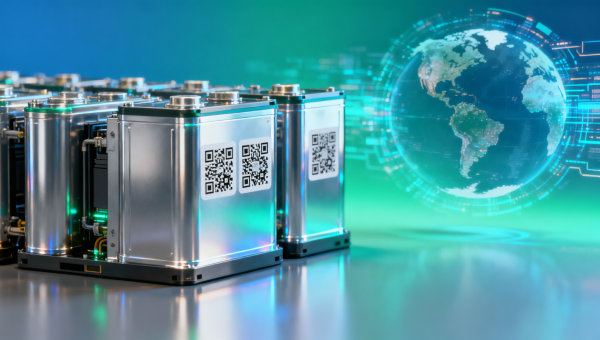
Introduction: On April 2, 2026, China's Ministry of Industry and Information Technology (MIIT) officially launched a national-level power battery traceability management platform. The platform mandates that all new energy vehicles, energy storage systems, and standalone battery modules exported to key markets such as the EU, the US, and South Korea must complete compulsory registration of battery codes, material composition, carbon footprint, and recycling responsibility information. Non-compliant products will face customs clearance barriers or fail to obtain supplementary certifications like CE, UL, or UN38.3. This development is critical for industries involved in battery manufacturing, new energy vehicles, and cross-border trade, as it directly impacts compliance and market access.
Event Overview
The MIIT's new traceability platform, effective April 2, 2026, requires detailed documentation for battery exports, including unique identifiers, material sourcing, carbon emissions data, and end-of-life recycling plans. The policy targets major export markets with stringent environmental and safety regulations, making compliance a prerequisite for market entry.
Impact on Key Industries
1. Battery Manufacturers and Exporters
Directly affected by the mandatory registration requirements, manufacturers must now integrate traceability systems into production lines. Failure to comply risks losing access to high-value markets like the EU and the US.
2. New Energy Vehicle (NEV) Producers
NEV makers relying on battery exports must ensure their supply chains align with the new rules. Delays in documentation could disrupt delivery timelines and increase costs.
3. Energy Storage System Providers
Providers of grid-scale or residential storage solutions face additional compliance layers, particularly for modular battery systems. Cross-border shipments may require pre-approval audits.
4. Raw Material Suppliers
Upstream suppliers of lithium, cobalt, and other critical minerals must provide verifiable sourcing data to downstream partners to meet traceability demands.
Key Actions for Businesses
1. Prioritize Documentation Readiness
Firms should audit existing battery inventories and supply chains to identify gaps in coding, material reporting, or recycling documentation.
2. Engage with Certification Bodies Early
Proactively consult testing agencies (e.g., TÜV, SGS) to align with updated CE/UL/UN38.3 requirements and avoid last-minute bottlenecks.
3. Monitor Market-Specific Updates
Track evolving interpretations of the policy in target markets—for example, potential EU adjustments to its Battery Passport framework.
Industry Perspective
Analysis suggests this move accelerates global battery circular economy standards. While immediate compliance may strain smaller players, the platform could streamline long-term cross-border trade by harmonizing data requirements. Observers note that the policy’s success hinges on enforcement consistency and international reciprocity.
Conclusion
The traceability platform marks a significant step in China’s alignment with global sustainability mandates. Businesses should treat it as both a compliance hurdle and an opportunity to future-proof operations. Early adopters may gain competitive advantages in regulated markets.
Source
Ministry of Industry and Information Technology (MIIT) official announcement, April 2, 2026. Ongoing monitoring recommended for regional implementation details.
Recommended News
 EU REACH Adds 12 SVHCs: Impact on China's Chemical, Plastic & Coating ExportsEU REACH adds 12 SVHCs, impacting China's chemical, plastic & coating exports. Learn key compliance actions & market risks before the Oct 2026 deadline.
 China Launches First Global Battery Lifecycle Traceability PlatformChina launches the first global battery lifecycle traceability platform, revolutionizing EV and energy storage compliance. Learn how this impacts manufacturers, exporters, and recyclers worldwide.
 Vietnam's Home Energy Storage Demand Doubles, Boosting Chinese ExportsVietnam's home energy storage demand doubles, boosting Chinese exports of inverters & LFP batteries. Learn how 217% export growth creates opportunities amid power instability.
 EU REACH Adds 12 SVHCs: China's Chemical, Plastic, and Coating Exports Must Comply Within 6 MonthsEU REACH adds 12 new SVHCs, impacting China's chemical, plastic, and coating exports. Companies must comply with SCIP notifications within 6 months. Learn key actions for affected industries.
 China Releases 100 5G Factory Applications Covering Key Export IndustriesChina's MIIT releases 100 5G factory applications, transforming key export industries like automotive, PCB, and textiles. Discover how these smart manufacturing solutions impact global supply chains and supplier evaluations.
 U.S.-Iran Ceasefire Takes Effect, Strait of Hormuz Shipping Returns to Normal, Middle East Logistics Costs Drop 35%U.S.-Iran ceasefire stabilizes Strait of Hormuz shipping, cutting Middle East logistics costs by 35%. Learn how exporters of industrial goods & solar equipment can benefit from improved trade routes.
 China-Thailand Agricultural & Green Manufacturing Cooperation: Key Impacts on Rubber, Farm Machinery, and Solar SectorsExplore how China-Thailand agricultural & green manufacturing cooperation impacts rubber, farm machinery, and solar sectors. Learn about reduced compliance costs and faster market access for exporters.
 Hainan Launches 'Zero Wait' Customs for Medical Devices & Smart SensorsHainan's 'zero wait' customs for medical devices & smart sensors slashes export cycles by 50% at Yangpu Port. Urgent orders to ASEAN, Middle East & Latin America now clear in 30 minutes. Learn how this boosts time-sensitive exports.
 China Launches Full Lifecycle Battery Traceability Platform, Mandates Export ComplianceChina's new battery traceability platform mandates export compliance for EU, US & South Korea markets. Learn how battery manufacturers, NEV producers, and energy storage providers can adapt to avoid clearance barriers and secure certifications.
 U.S. Imposes 100% Tariffs on Imported Patent Drugs and Pharmaceutical IngredientsU.S. imposes 100% tariffs on imported patent drugs and pharmaceutical ingredients, impacting global API supply chains. Learn how this affects manufacturers, importers, and compliance strategies.
 China-Thailand Agricultural & Green Manufacturing Cooperation: Key ImpactsExplore how China-Thailand agricultural & green manufacturing cooperation impacts rubber, farm machinery & solar sectors. Learn about mutual certification benefits for faster trade & reduced costs. Key insights for businesses.
 ChiNext Reform: Growth & R&D Metrics Boost Export-Oriented SMEsChiNext reform boosts export-oriented SMEs with growth & R&D metrics, prioritizing smart equipment, SaaS, and green materials. Learn how this impacts global trade partnerships post-2026.
 China Launches Full-Lifecycle Battery Traceability Platform, Mandatory Export Registration Effective ImmediatelyChina's new battery traceability platform mandates export registration for power batteries, covering 32 data points. Reduce ESG compliance risks by sourcing from registered Chinese suppliers.
 U.S.-Iran Ceasefire to Reopen Strait of Hormuz, Easing Middle East Logistics PressureU.S.-Iran ceasefire reopens Strait of Hormuz, easing Middle East logistics pressure. Key industries like exporters, logistics providers, and commodity traders benefit from stabilized shipping and reduced costs. Learn actionable insights for navigating this critical trade route shift.
 Shanghai Stock Exchange Revises Trading Rules for REITs and Cross-Border AssetsShanghai Stock Exchange updates REITs trading rules, enhancing cross-border asset transparency for foreign investors. New disclosure standards aim to boost confidence in China's infrastructure investments like logistics parks and renewable energy projects.
 Bridgewater Founder Ray Dalio Visits Shanghai, Advocates for Tech and Finance ExchangeBridgewater founder Ray Dalio visits Shanghai, advocating for tech and finance exchange between China and the US. Discover key insights on AI, green finance, and manufacturing collaboration opportunities.
 Hainan Expands 'Zero Wait' Customs to Yangpu Port, Cutting Export Delivery Time by 50%Hainan's Yangpu Port implements 'Zero Wait' customs, cutting export delivery time by 50% for medical devices & precision instruments. AI & blockchain enable 30-minute clearance, benefiting 200+ export firms. Learn how this boosts supply chain efficiency.
 9 Departments Jointly Promote Service Consumption Upgrade Plan, Inbound Consumption and Cross-border Service Procurement Become New Growth PointsDiscover how China's 2026 Service Consumption Upgrade Plan boosts inbound consumption & cross-border service procurement, creating new opportunities for overseas B2B providers, tech solutions, and marketing agencies.
 Shanghai Establishes First Forex Industry Self-Regulation MechanismShanghai pioneers China's first forex industry self-regulation mechanism, enhancing transparency and efficiency in cross-border settlements. Learn how this impacts foreign trade and SMEs.
 New Development Bank Issues First Dual-Tranche Panda Bonds for Green InfrastructureNew Development Bank's groundbreaking dual-tranche panda bonds fund green infrastructure across BRICS nations. Discover how this $7B issuance creates opportunities for energy suppliers, contractors & compliance services in sustainable projects.
 Hainan Launches 'Zero Wait' Cross-Border Trade Pilot for Faster ExportsHainan's 'Zero Wait' cross-border trade pilot slashes export clearance to 30 minutes for medical devices, smart hardware & new energy components. Boost your RCEP & Latin America exports now!










Popular Tags
Global Trade Insights & Industry
Our mission is to empower global exporters and importers with data-driven insights that foster strategic growth.
Search News
Popular Tags
Industry Overview
The global commercial kitchen equipment market is projected to reach $112 billion by 2027. Driven by urbanization, the rise of e-commerce food delivery, and strict hygiene regulations.