

Home Renovation Materials: Where Costs Rise Fast
In home renovation, costs can escalate quickly when material choices shift from basic finishes to advanced materials, custom window treatments, or specialized water treatment systems. For procurement teams, distributors, and market researchers, understanding where price increases happen fastest is essential for smarter sourcing decisions. This article breaks down the cost drivers behind home renovation materials and highlights how industrial suppliers influence pricing, availability, and long-term project value.
In B2B sourcing, renovation material pricing is rarely driven by one factor alone. A cabinet panel may look similar across two suppliers, yet freight class, substrate density, surface treatment, hardware compatibility, and regional labor inputs can create a 20% to 60% price spread. For buyers working across multiple projects or distribution markets, those differences directly affect inventory planning, resale margin, and delivery reliability.
The sharpest cost increases usually appear where design complexity meets manufacturing specialization. That includes engineered stone, premium flooring, aluminum systems, acoustic insulation, custom millwork, water filtration assemblies, and smart-home compatible fixtures. These categories often carry longer lead times, tighter quality tolerances, and higher failure costs if specifications are unclear at the purchasing stage.
For exporters, importers, and channel partners following housing and refurbishment demand, renovation materials also offer a useful lens into broader industrial trends. Volatility in energy, resin, metals, glass, packaging, and logistics often shows up quickly in home improvement supply chains. Tracking these movements helps buyers compare substitutes, renegotiate contracts, and align procurement with realistic project budgets.
Where Renovation Material Costs Rise the Fastest
Not all home renovation materials inflate at the same pace. Basic paint, standard ceramic tile, and commodity gypsum board usually move within a narrower cost band because production is mature and substitution is easier. By contrast, imported hardwood, quartz slabs, insulated glazing units, custom drapery systems, and whole-home water treatment equipment can rise rapidly due to processing requirements, shipping sensitivity, and project-specific customization.
A useful rule for procurement teams is this: the more a material depends on custom dimensions, multilayer processing, embedded hardware, or code-driven performance, the faster cost can escalate. In practical terms, a standard interior door may fit a predictable pricing range, while a fire-rated, acoustic, moisture-resistant, or concealed-frame door system can cost 2 to 4 times more after hardware, compliance testing, and finishing are included.
Window-related materials are another major cost accelerator. Standard blinds or curtain fabrics may remain manageable, but motorized shades, blackout systems, layered treatments, and oversized custom tracks introduce electronics, installation complexity, and packaging challenges. Even when the base fabric cost rises by only 15%, the complete installed system can jump by 40% or more once motors, controls, and fitting tolerances are added.
Water treatment materials follow a similar pattern. A simple under-sink filter is very different from a multi-stage softening and purification setup. Resin quality, flow capacity, vessel material, replacement cycle, and local water hardness all influence the total cost of ownership over 3 to 5 years. Buyers who compare only unit price often miss maintenance costs, cartridge replacement intervals, and after-sales support requirements.
High-Variance Categories in Typical Renovation Procurement
The table below highlights material categories where costs often rise faster than expected in renovation projects. These ranges are indicative procurement patterns rather than fixed market quotes, but they help buyers identify where tighter supplier evaluation is necessary.
Recommended News
 EU CBAM Carbon Tariff Starts Oct 2026 for Chinese Battery, Cement, Chemical ExportsEU CBAM carbon tariff hits Chinese battery, cement & chemical exports from Oct 2026 — mandatory emissions reporting starts now. Avoid €98/t default fees.
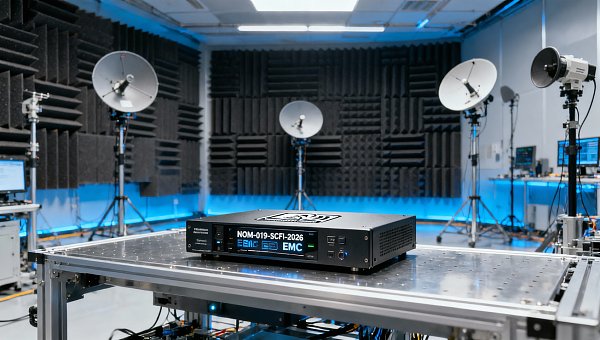
 Mexico NOM-019-SCFI-2026 Effective: Automotive Electronics Require New EMC CertificationMexico NOM-019-SCFI-2026 takes effect May 1, 2026 — new EMC certification mandatory for automotive electronics, EV accessories & aftermarket parts entering Mexico.
 Vietnam Suspends China Irrigation Equipment SASO Mutual RecognitionVietnam suspends China irrigation equipment SASO mutual recognition—urgent QCVN certification now required for drip tapes, sprinklers & smart controllers.
 Red Sea Diversion Normalized; Asia-Europe Freight Premium at $1,850/TEURed Sea diversion normalized: Asia-Europe freight premium holds at $1,850/TEU — impacting manufacturing, retail & procurement. Act now to optimize costs & resilience.
 FDA Drafts AI Bias Assessment Rule for Imported Medical DevicesFDA's new AI bias assessment rule for imported medical devices demands third-party verified fairness reports—act now to prep your 510(k)/De Novo submissions.
 TÜV Rheinland Updates CE Requirements for Servo DrivesTÜV Rheinland updates CE requirements for servo drives: integrated PLd + EN 61800-3 validation mandatory from July 1, 2026. Act now to avoid EU market delays!
 SABER Phase II Launch: Building Hardware Must Submit Digital Type Test Reports & Unique Product IDsSABER Phase II is live: Building hardware exporters must now submit digital type test reports & secure unique SABER Product IDs—avoid customs delays. Act now!
 IMDG Code 41-24 Enforced: New UN3480 Class 9 Label for Lithium Battery Sea FreightIMDG Code 41-24 enforced: UN3480 Class 9 label now mandatory for lithium battery sea freight — avoid delays in US, EU, UAE & Chile ports.
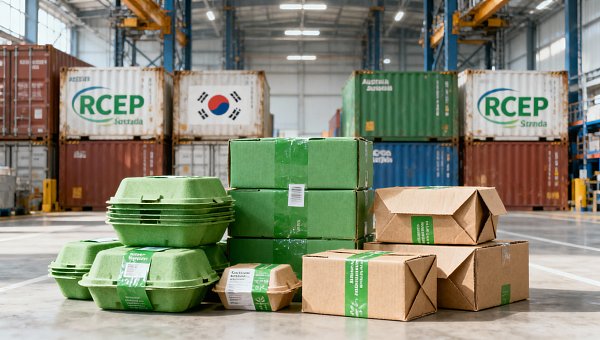
 RCEP Green Packaging Mutual Recognition Takes EffectRCEP Green Packaging Mutual Recognition takes effect Apr 21, 2026—unlock faster customs clearance for compostable, recycled & bio-based packaging in AU, NZ, JP, KR.
 China’s 10-Dept AI Ethics Review Rule for Exported AI DevicesChina’s 10-dept AI ethics review rule mandates algorithmic bias assessments for exported AI devices—key for EU, ME & SEA markets. Stay compliant ahead of enforcement.
 US CPSC Updates Child Sleep Sack Standard Effective July 2026US CPSC updates child sleep sack standard with new DSST test—mandatory for all U.S.-bound infant sleep sacks from July 2026. Act now to ensure compliance and market access.
 Red Sea Rerouting Pushes Asia-Europe Freight Premium to $1,850/TEURed Sea rerouting pushes Asia-Europe freight premium to $1,850/TEU—impacting importers, manufacturers & logistics providers. Act now to reassess costs, lead times & contracts.
 Mexico NOM-019-SCFI-2026 Effective May 1, 2026: EMC Certification Mandatory for Auto ElectronicsNOM-019-SCFI-2026 EMC certification is now mandatory for auto electronics in Mexico—effective May 1, 2026. Ensure compliance for infotainment, ADAS, OBD-II & more.
") TÜV Rheinland Updates CE Requirements for Servo Drives (PLd + EMC Class 3)TÜV Rheinland updates CE requirements for servo drives: PLd + EMC Class 3 joint validation mandatory from Q3 2026. Act now to avoid delays, rejections, or compliance risks.
TÜV Rheinland Updates CE Requirements for Servo Drives (PLd + EMC Class 3)TÜV Rheinland updates CE requirements for servo drives: PLd + EMC Class 3 joint validation mandatory from Q3 2026. Act now to avoid delays, rejections, or compliance risks. SABER Phase II Launch: Building Hardware Must Submit Digital e-CoC & UPISABER Phase II mandates digital e-CoC & UPI for building hardware imports to Saudi Arabia—act now to ensure customs clearance and market access.
 FDA AI Diagnostic Device Draft Rules: Bias Assessment for ImportsFDA AI diagnostic device draft rules mandate bias assessment for imports — discover how algorithmic fairness impacts 510(k)/De Novo submissions and what to do now.
 RCEP Green Packaging Mutual Recognition Starts June 1, 2026RCEP Green Packaging Mutual Recognition starts June 1, 2026 — unlock faster exports to Australia, NZ, Japan & Korea with GB/T 37572-2025 certification.
 Vietnam Suspends SASO Mutual Recognition for Chinese Irrigation EquipmentVietnam suspends SASO mutual recognition for Chinese irrigation equipment—impacting exporters, testers & suppliers. Act now to avoid 6–8 week delays & 35% cost hikes.
 IMDG Code 41-24 Enforces UN3480 Class 9 Labeling for Li-ion Battery Sea FreightIMDG Code 41-24 enforces UN3480 Class 9 labeling for Li-ion battery sea freight—learn mandatory QR labels, compliance actions & port enforcement risks.
 EU CBAM Enters Enforcement Phase on April 1, 2026EU CBAM enforcement starts April 1, 2026 — critical for Chinese battery materials, construction profiles & industrial coatings exporters. Act now to avoid customs delays.
 Mexico Enforces NOM-019-SCFI-2026 EMC Certification for Auto Electronics from May 2026Mexico enforces NOM-019-SCFI-2026 EMC certification for auto electronics from May 2026 — mandatory local testing, stricter standards, and urgent compliance action required.


















Popular Tags
Global Trade Insights & Industry
Our mission is to empower global exporters and importers with data-driven insights that foster strategic growth.
Search News
Popular Tags
Industry Overview
The global commercial kitchen equipment market is projected to reach $112 billion by 2027. Driven by urbanization, the rise of e-commerce food delivery, and strict hygiene regulations.