

What Shortens Car Batteries Life Too Early?
Car batteries often fail earlier than expected due to heat, short trips, poor charging habits, and neglected car maintenance. For buyers, distributors, and market researchers tracking car batteries, lubricants, radiators, and related automotive supply trends, understanding these causes is essential. This article explores what shortens battery life too early and highlights practical insights that support smarter sourcing, product evaluation, and long-term vehicle performance.
Why do car batteries die too early in real-world supply and usage conditions?
A car battery rarely fails “suddenly” without a cause. In most cases, early battery failure develops over 6–24 months through repeated stress: high under-hood temperature, incomplete charging, vibration, sulfation, and weak electrical system maintenance. For B2B buyers and distributors, this matters because battery complaints often trace back not only to the battery itself, but also to vehicle operating patterns and installation quality.
In passenger cars, light commercial fleets, and mixed-distribution markets, short trips are one of the most common reasons for reduced service life. A start event uses a large burst of energy. If the vehicle then runs for only 5–15 minutes, the alternator may not fully replenish the charge, especially when lights, HVAC blowers, heated windows, or infotainment systems remain active.
Heat is another major factor. Battery chemistry degrades faster at elevated temperature, and the effect becomes more visible in engine bays exposed to prolonged summer operation, congested city traffic, or poor ventilation. While cold weather is often blamed for failure, heat usually causes the hidden damage first, and winter simply reveals it when cold cranking demand rises.
For information researchers and sourcing teams, the key takeaway is simple: early battery failure is usually a system issue, not a single-point issue. The battery, charging system, driving profile, cable condition, and storage cycle all influence performance. A strong procurement review should examine at least 4 areas: battery type, vehicle duty cycle, charging behavior, and aftermarket support.
The most common battery life reducers
- High temperature exposure, especially repeated operation above typical mild ambient conditions and prolonged engine-bay heat soak after shutdown.
- Frequent short-trip driving that prevents the battery from returning to a stable state of charge within normal daily use.
- Parasitic electrical drain from accessories, trackers, alarms, control modules, or aftermarket devices during 24–72 hour parking periods.
- Loose terminals, corrosion, undercharging alternators, overcharging regulators, and vibration from poor mounting.
- Long warehouse or retail storage without recharge, which can accelerate sulfation before the battery even reaches the end user.
These factors explain why two batteries with similar nominal ratings can perform very differently in the field. For commercial decision-makers, battery life should therefore be assessed in context: route profile, climate zone, inventory turnover, and installation discipline all shape warranty outcomes and customer satisfaction.
Which operating conditions shorten battery life fastest?
Not all vehicles stress a battery in the same way. A car used for highway travel 4–5 days per week usually gives the charging system enough time to recover energy after each start. By contrast, taxis, urban delivery vehicles, and cars used only for local errands may trigger far more start-stop cycles and accessory load without adequate recharge time. This imbalance is a common hidden reason behind early battery replacement.
Climate also changes battery aging patterns. In hot regions, evaporation and plate corrosion become bigger concerns. In cold regions, available cranking performance falls as temperature drops, which can expose batteries already weakened by summer heat or chronic undercharge. For buyers serving multiple export destinations, matching battery specification to climate band is more important than relying on a one-size-fits-all inventory plan.
Vehicle electrical complexity has increased steadily. Even when a car is parked, modules may continue to draw power in small amounts. Over 7–14 days of inactivity, that drain can leave a battery at a low state of charge. If this cycle repeats often, sulfation risk rises and service life declines. This is especially relevant for seasonal vehicles, showroom units, and stock kept in holding yards.
The table below helps procurement teams compare common operating scenarios and the battery stress they create. It can be used by distributors, automotive product evaluators, and trade analysts when mapping product positioning across different customer segments.
This comparison shows why distribution strategy should align with end-use pattern, not only product category. A battery sold into long-distance highway markets may not perform equally well in stop-and-go city fleets. Market participants that segment by duty cycle often reduce returns, improve customer fit, and make better use of inventory across 2–3 major climate and usage profiles.
What buyers should verify in usage-related claims
When evaluating suppliers, do not focus only on label ratings. Ask how the battery is positioned for hot climate use, low-mileage use, or start-stop frequency. Also review recommended storage recharge intervals, because batteries held too long in the channel can reach users already compromised. In many trading environments, a practical stock review every 60–90 days is more valuable than relying on visual inspection alone.
This is where a data-driven industry platform adds value. GTIIN and TradeVantage help exporters, importers, and channel partners track automotive supply trends, compare regional demand signals, and identify product narratives that match actual market conditions rather than generic catalog claims.
How do maintenance habits, charging issues, and storage mistakes damage batteries?
Battery life depends heavily on maintenance discipline. A sound battery can still fail early if the alternator undercharges, if terminals corrode, or if the hold-down bracket is loose. Vibration damages internal components over time, while overcharging can accelerate water loss and thermal stress. In practical terms, many early failures occur because the battery becomes the visible victim of a wider electrical or service problem.
Storage errors are equally important in the B2B channel. Batteries left in warehouses for extended periods without periodic charging may lose voltage gradually. If the voltage stays low for too long, sulfation hardens on the plates and recovery becomes more difficult. For importers and distributors, this makes inventory rotation and warehouse monitoring part of product quality management, not just logistics administration.
Installation quality also matters. Dirty terminals increase resistance. Improperly tightened connections can create intermittent starts and unstable charging. Mismatched battery size or unsuitable technology for the vehicle’s electrical load can further shorten service life. Even a correct battery can disappoint if installation and post-install charging checks are skipped.
The following checklist can help sourcing teams, service partners, and automotive distributors identify where life-shortening issues usually start. It is especially useful in cross-border supply chains where product, warehouse, and final installation may happen in 3 different locations.
A 5-point battery life risk checklist
- Check charging system condition, including alternator output stability and basic voltage behavior under load and at idle.
- Inspect terminal cleanliness and cable tightness during installation and after the first operating cycle.
- Review warehouse storage duration and recharge interval, particularly for stock held over 2–3 months.
- Confirm that the battery specification matches the vehicle’s cranking demand, accessory load, and use profile.
- Assess parasitic drain risk if vehicles or inventory units remain inactive for more than 7–14 days.
For commercial users, this list supports a more realistic interpretation of warranty data. A higher return rate does not always mean defective supply. It may indicate stock aging, poor fitment guidance, or weak field installation practices. That distinction is critical when evaluating suppliers, negotiating claims, or planning aftermarket product ranges.
Why short trips and idle periods create a double penalty
Short trips consume charging energy without enough recovery time. Long idle periods then continue draining the battery through background electronics. Together, these two patterns create a double penalty: the battery starts below full charge and remains stressed while parked. Over a few weeks or months, this can produce starting issues even when the battery is relatively new by calendar age.
That is why channel education matters. Distributors who provide simple storage, charging, and fitment guidance often improve end-user satisfaction more effectively than those who compete only on price or nominal specification.
What should procurement teams compare when sourcing car batteries and related automotive products?
Procurement decisions should move beyond unit price. Early battery failure creates downstream costs: warranty handling, customer dissatisfaction, workshop labor, lost fleet uptime, and reputational damage for distributors. A structured sourcing review should assess at least 5 dimensions: application fit, storage requirements, climate suitability, channel turnover, and after-sales support.
For buyers working across automotive categories such as batteries, lubricants, and radiators, cross-category thinking is useful. Heat management, maintenance intervals, and vehicle operating intensity affect all three categories. A battery may fail early in the same fleet where coolant neglect or lubricant mismatch is also present. This wider systems view supports smarter product bundling and market evaluation.
The table below offers a practical battery sourcing framework for distributors, procurement officers, and business evaluation teams. It is not a substitute for technical validation, but it helps standardize supplier comparison across multiple offers and regions.
A structured comparison like this helps buyers avoid false savings. A lower upfront price may become more expensive if the battery requires faster turnover, tighter storage control, or more warranty handling. Commercially, the best sourcing result is often the offer that balances technical fit, logistics practicality, and market-specific demand rather than the lowest invoice value.
Key procurement questions before placing orders
- What is the target usage profile: private vehicles, ride-hailing, urban delivery, long-haul driving, or mixed fleet demand?
- How long is the expected inventory cycle: fast turnover within 30–60 days, or slower turnover over one quarter?
- Will the destination market face high heat, winter cold starts, or irregular storage and parking periods?
- Can the supplier support technical clarification, fitment selection, packaging detail, and claim documentation?
TradeVantage supports this process by connecting decision-makers with market intelligence across regions, helping them compare automotive demand shifts, supplier visibility, and category trends in a broader B2B context. For buyers, that means less reliance on isolated quotations and more confidence in strategic sourcing decisions.
Common misconceptions and FAQ for buyers, distributors, and market researchers
Battery decisions are often distorted by common misconceptions. Some buyers assume cold weather alone kills batteries, when in reality heat and undercharge may have weakened them months earlier. Others focus on replacement intervals without reviewing charging conditions, storage age, or accessory load. In B2B trade, these misunderstandings can affect product positioning, claims handling, and channel training.
A strong market assessment should therefore combine product data with field context. This is valuable not only for battery importers, but also for distributors handling related automotive categories where thermal load, maintenance quality, and operating intensity influence performance and buying behavior.
Does cold weather shorten battery life more than heat?
Cold weather increases the difficulty of starting an engine because battery output falls as temperature drops. However, heat often causes the earlier hidden damage by accelerating internal degradation. A practical interpretation is this: heat shortens life gradually, and cold weather exposes the weakness. For markets with seasonal change, both summer storage conditions and winter start demands should be included in product evaluation.
Can a new battery still fail early?
Yes. A new battery may fail early if it has been stored too long, remained undercharged, been installed into a vehicle with charging problems, or used in repeated short-trip conditions. Calendar age, warehouse handling, and installation quality can all matter within the first few months. That is why buyers should request clear stock rotation and handling guidance, not just product labels.
How often should distributors review battery inventory condition?
The exact interval depends on battery type, warehouse temperature, and stock turnover, but many channel operators use a review cycle of about 60–90 days for practical monitoring. In hotter environments or slower-moving inventory, more frequent checks may be advisable. The goal is to avoid long low-charge storage periods that increase sulfation risk and reduce shelf-to-user performance.
What are the top warning signs before early battery failure becomes a claim?
Typical warning signs include slower engine cranking, repeated jump-start needs, dimming electrical behavior at startup, visible terminal corrosion, and vehicles that fail after being parked for several days. For business evaluators, these symptoms should trigger a broader check of charging system health, route pattern, idle duration, and accessory draw instead of immediate blame on product quality alone.
A quick interpretation framework
If failure appears after long storage, investigate inventory care. If it appears after local short-trip use, review recharge sufficiency. If it appears in hot climates, assess heat exposure and warehouse conditions. If it appears across multiple vehicle models, check installation practice and channel training. This 4-part logic helps separate product issues from system issues more effectively.
Why choose us for automotive market intelligence and sourcing support?
For global buyers, distributors, and business evaluation teams, understanding what shortens car battery life too early is not only a technical question. It is a sourcing, inventory, and market-positioning question. GTIIN and TradeVantage help bridge that gap by combining industry intelligence, category-level visibility, and search-driven content exposure across more than 50 sectors, including automotive supply chains and aftermarket demand trends.
Our value is practical. We help users identify demand signals, compare market narratives across regions, and improve decision quality for batteries, lubricants, radiators, and adjacent automotive products. Whether you are screening new suppliers, planning product introductions, or evaluating channel opportunities, access to organized trade information can reduce uncertainty and shorten the path from research to action.
If you need support, you can consult us on 6 key topics: battery product positioning, automotive category trend tracking, supplier visibility analysis, delivery cycle expectations, documentation and compliance questions, and content-driven brand exposure for global trade markets. This is especially useful for exporters and importers who need both market understanding and stronger digital trust signals in competitive international channels.
Contact us if you want to discuss parameter confirmation, application-based product selection, regional demand trends, stock-turnover risks, sample support pathways, or quotation communication strategies. For companies building automotive supply visibility in international trade, GTIIN and TradeVantage provide a focused platform for research, comparison, and commercially relevant market reach.
Recommended News
 EU CBAM Carbon Tariff Starts Oct 2026 for Chinese Battery, Cement, Chemical ExportsEU CBAM carbon tariff hits Chinese battery, cement & chemical exports from Oct 2026 — mandatory emissions reporting starts now. Avoid €98/t default fees.
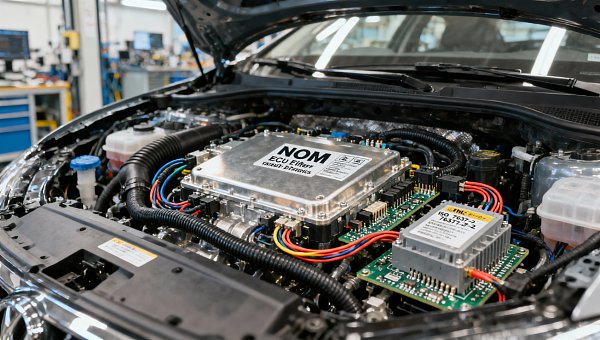
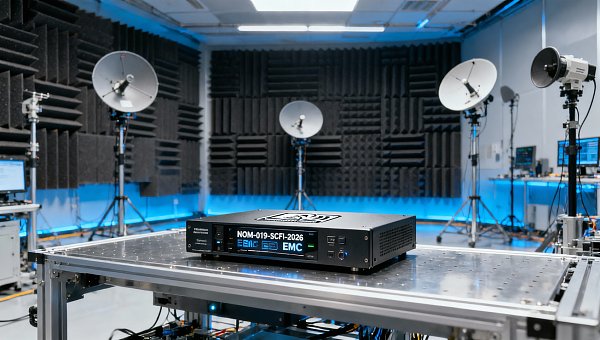
 Mexico NOM-019-SCFI-2026 Effective: Automotive Electronics Require New EMC CertificationMexico NOM-019-SCFI-2026 takes effect May 1, 2026 — new EMC certification mandatory for automotive electronics, EV accessories & aftermarket parts entering Mexico.
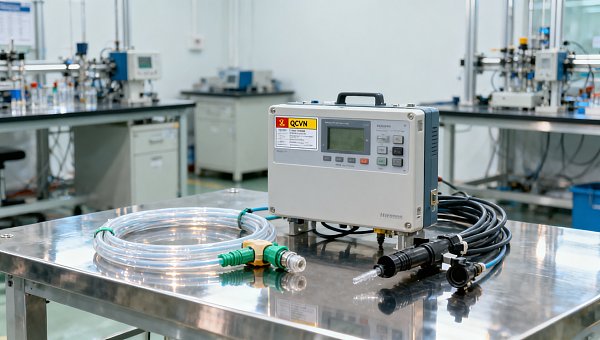
 Vietnam Suspends China Irrigation Equipment SASO Mutual RecognitionVietnam suspends China irrigation equipment SASO mutual recognition—urgent QCVN certification now required for drip tapes, sprinklers & smart controllers.
 Red Sea Diversion Normalized; Asia-Europe Freight Premium at $1,850/TEURed Sea diversion normalized: Asia-Europe freight premium holds at $1,850/TEU — impacting manufacturing, retail & procurement. Act now to optimize costs & resilience.
 FDA Drafts AI Bias Assessment Rule for Imported Medical DevicesFDA's new AI bias assessment rule for imported medical devices demands third-party verified fairness reports—act now to prep your 510(k)/De Novo submissions.
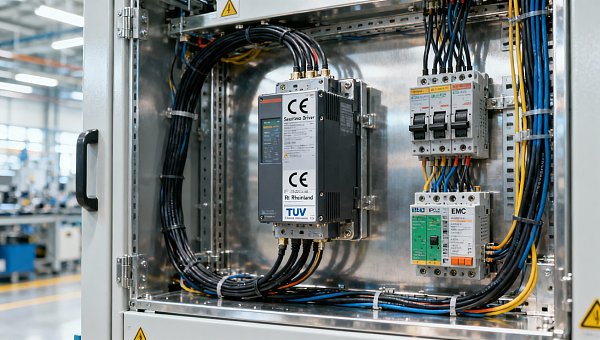
 TÜV Rheinland Updates CE Requirements for Servo DrivesTÜV Rheinland updates CE requirements for servo drives: integrated PLd + EN 61800-3 validation mandatory from July 1, 2026. Act now to avoid EU market delays!
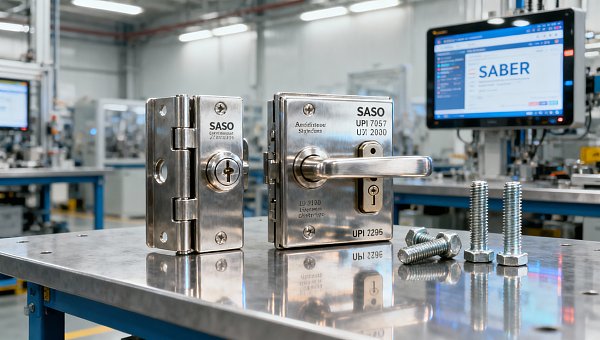
 SABER Phase II Launch: Building Hardware Must Submit Digital Type Test Reports & Unique Product IDsSABER Phase II is live: Building hardware exporters must now submit digital type test reports & secure unique SABER Product IDs—avoid customs delays. Act now!
 IMDG Code 41-24 Enforced: New UN3480 Class 9 Label for Lithium Battery Sea FreightIMDG Code 41-24 enforced: UN3480 Class 9 label now mandatory for lithium battery sea freight — avoid delays in US, EU, UAE & Chile ports.
 RCEP Green Packaging Mutual Recognition Takes EffectRCEP Green Packaging Mutual Recognition takes effect Apr 21, 2026—unlock faster customs clearance for compostable, recycled & bio-based packaging in AU, NZ, JP, KR.
 China’s 10-Dept AI Ethics Review Rule for Exported AI DevicesChina’s 10-dept AI ethics review rule mandates algorithmic bias assessments for exported AI devices—key for EU, ME & SEA markets. Stay compliant ahead of enforcement.
 US CPSC Updates Child Sleep Sack Standard Effective July 2026US CPSC updates child sleep sack standard with new DSST test—mandatory for all U.S.-bound infant sleep sacks from July 2026. Act now to ensure compliance and market access.
 Red Sea Rerouting Pushes Asia-Europe Freight Premium to $1,850/TEURed Sea rerouting pushes Asia-Europe freight premium to $1,850/TEU—impacting importers, manufacturers & logistics providers. Act now to reassess costs, lead times & contracts.
 Mexico NOM-019-SCFI-2026 Effective May 1, 2026: EMC Certification Mandatory for Auto ElectronicsNOM-019-SCFI-2026 EMC certification is now mandatory for auto electronics in Mexico—effective May 1, 2026. Ensure compliance for infotainment, ADAS, OBD-II & more.
") TÜV Rheinland Updates CE Requirements for Servo Drives (PLd + EMC Class 3)TÜV Rheinland updates CE requirements for servo drives: PLd + EMC Class 3 joint validation mandatory from Q3 2026. Act now to avoid delays, rejections, or compliance risks.
TÜV Rheinland Updates CE Requirements for Servo Drives (PLd + EMC Class 3)TÜV Rheinland updates CE requirements for servo drives: PLd + EMC Class 3 joint validation mandatory from Q3 2026. Act now to avoid delays, rejections, or compliance risks. SABER Phase II Launch: Building Hardware Must Submit Digital e-CoC & UPISABER Phase II mandates digital e-CoC & UPI for building hardware imports to Saudi Arabia—act now to ensure customs clearance and market access.
 FDA AI Diagnostic Device Draft Rules: Bias Assessment for ImportsFDA AI diagnostic device draft rules mandate bias assessment for imports — discover how algorithmic fairness impacts 510(k)/De Novo submissions and what to do now.
 RCEP Green Packaging Mutual Recognition Starts June 1, 2026RCEP Green Packaging Mutual Recognition starts June 1, 2026 — unlock faster exports to Australia, NZ, Japan & Korea with GB/T 37572-2025 certification.
 Vietnam Suspends SASO Mutual Recognition for Chinese Irrigation EquipmentVietnam suspends SASO mutual recognition for Chinese irrigation equipment—impacting exporters, testers & suppliers. Act now to avoid 6–8 week delays & 35% cost hikes.
 IMDG Code 41-24 Enforces UN3480 Class 9 Labeling for Li-ion Battery Sea FreightIMDG Code 41-24 enforces UN3480 Class 9 labeling for Li-ion battery sea freight—learn mandatory QR labels, compliance actions & port enforcement risks.
 EU CBAM Enters Enforcement Phase on April 1, 2026EU CBAM enforcement starts April 1, 2026 — critical for Chinese battery materials, construction profiles & industrial coatings exporters. Act now to avoid customs delays.
 Mexico Enforces NOM-019-SCFI-2026 EMC Certification for Auto Electronics from May 2026Mexico enforces NOM-019-SCFI-2026 EMC certification for auto electronics from May 2026 — mandatory local testing, stricter standards, and urgent compliance action required.














Popular Tags
Global Trade Insights & Industry
Our mission is to empower global exporters and importers with data-driven insights that foster strategic growth.
Search News
Popular Tags
Industry Overview
The global commercial kitchen equipment market is projected to reach $112 billion by 2027. Driven by urbanization, the rise of e-commerce food delivery, and strict hygiene regulations.