

How to Tell When Radiators Need Replacement
Radiators are essential to reliable car maintenance, yet many buyers and market researchers overlook the early signs of failure until performance drops or repair costs rise. Knowing when radiators need replacement helps procurement teams, distributors, and business evaluators make smarter sourcing decisions, reduce downtime, and assess product quality more accurately in a competitive global aftermarket.
For B2B buyers, the issue is not only whether a radiator is failing, but also how to identify replacement timing before overheating claims, returns, or fleet interruptions begin to erode margins. In passenger vehicles, light commercial fleets, agricultural equipment, and industrial transport applications, radiator condition directly affects operating stability, warranty exposure, and service scheduling.
This article explains the most reliable indicators that radiators need replacement, how to distinguish repairable problems from end-of-life failure, and what procurement teams should evaluate when comparing aftermarket supply options. It is written for researchers, sourcing managers, distributors, and commercial evaluators who need practical criteria rather than generic maintenance advice.
Why Radiator Replacement Timing Matters in B2B Sourcing
A radiator rarely fails without warning. In most cases, deterioration develops over months rather than days, with signs such as coolant loss, rising temperature under load, or visible corrosion. For procurement teams managing 20, 200, or 2,000 vehicles, delayed replacement can multiply operating cost through downtime, emergency labor, and secondary engine damage.
Replacement timing also matters because the radiator sits at the center of the cooling loop. If heat transfer efficiency drops by even 10% to 20%, vehicles operating in hot climates, stop-and-go urban routes, or high-load freight conditions may experience recurrent overheating. In B2B service networks, that often leads to repeat service visits and lower customer trust in supplied parts.
From a distribution perspective, understanding when radiators need replacement improves inventory planning. Stocking only low-cost units without evaluating material thickness, core density, tank sealing quality, or fitment consistency can create a short sales cycle but a high return rate within 6 to 18 months. More disciplined sourcing supports stronger channel reputation.
Operational consequences of late replacement
When a degraded radiator stays in service too long, heat stress does not remain isolated to the cooling component. Water pumps, hoses, thermostats, fan assemblies, and head gaskets may all face added load. In commercial fleets, one failed radiator can trigger 1 to 3 days of unplanned downtime, depending on part availability and workshop capacity.
- Higher probability of engine overheating during peak seasonal demand.
- Increased warranty claims due to recurring coolant leaks or poor fitment.
- More emergency purchases, often at 15% to 30% above planned sourcing cost.
- Reduced confidence from downstream repair shops and fleet clients.
For evaluators comparing suppliers, replacement timing is therefore not only a technical issue. It is tied to lifecycle cost, return management, and the commercial reliability of the product line.
Key Signs That a Radiator Needs Replacement
The clearest signal is persistent overheating after other basic causes have been ruled out. If the thermostat, coolant level, fan operation, and hoses are in acceptable condition, a radiator with blocked passages or reduced cooling efficiency becomes a likely source. In field service, repeated temperature spikes above the normal operating range are one of the strongest replacement indicators.
External leakage is another major warning sign. Small seepage around tank seams, core joints, or drain plugs may initially appear manageable, but repeated top-offs usually indicate structural degradation rather than a temporary issue. If leakage continues after pressure testing or seal replacement, the unit is often near the end of service life.
Corrosion, scale buildup, and internal clogging are equally important. These failures often develop in systems with poor coolant quality, irregular flushing intervals, or mixed coolant chemistry. A radiator may still hold pressure yet lose heat-transfer capability because a meaningful portion of the internal tubes are restricted.
Common field indicators
Buyers and service teams should watch for a combination of visible, thermal, and performance-related symptoms. One isolated symptom does not always justify replacement, but 2 or 3 signs appearing together usually do.
The practical takeaway is that replacement decisions should not rely on one visual check alone. Temperature behavior, leak recurrence, coolant condition, and core integrity should all be reviewed together to avoid premature replacement on one side or expensive delay on the other.
When repair is no longer economical
Minor issues such as a damaged cap, loose clamp, or isolated fin straightening can be repaired. However, if a unit has multiple leak points, repeated overheating episodes, and visible corrosion, replacement is usually the better commercial choice. As a rule, if repair cost reaches 40% to 50% of the price of a reliable new radiator, most B2B buyers prefer replacement to reduce repeat labor.
Inspection Methods Buyers and Evaluators Should Use
A disciplined inspection process helps distinguish real failure from symptoms caused by adjacent components. For procurement teams auditing returned units or distributors screening incoming stock, standardized checks reduce disputes and improve quality control. A useful inspection routine can be completed in 4 to 6 steps and does not always require advanced lab equipment.
Start with a visual assessment. Look for wet spots, white or green residue, damaged fins, cracked plastic tanks, and deformation around hose connections. Then move to pressure retention. If a radiator cannot maintain normal test pressure for a reasonable interval, leakage or structural weakness is likely present even if the defect is not immediately visible.
Thermal evaluation is the next stage. During operation, a healthy radiator should show a stable temperature pattern from inlet to outlet. Cold zones in the core can indicate internal blockage. In fleet maintenance settings, infrared inspection is often used because it offers a fast way to identify uneven cooling across multiple vehicles in one service cycle.
Practical 5-step evaluation process
- Check coolant level, contamination, and maintenance history over the last 12 to 24 months.
- Inspect external surfaces for bent fins, corrosion, seam stains, and physical damage from vibration or road debris.
- Perform a pressure test and monitor whether the unit holds pressure for the expected inspection interval.
- Measure operating temperature behavior during idle and load conditions, especially in hot weather or heavy traffic.
- Compare repair cost, expected remaining life, and replacement lead time before making the sourcing decision.
This structured process is useful for both technical and commercial teams because it produces records that can support warranty reviews, supplier discussions, and stocking decisions.
The table below summarizes the most relevant checks for B2B buyers evaluating whether a radiator should remain in service, be repaired, or be replaced.
For sourcing teams, the benefit of a checklist-based inspection is consistency. It creates a shared standard between purchasing, service, and distribution teams and reduces subjective judgment when evaluating returned or aging radiator stock.
Replacement Criteria for Procurement and Distribution Decisions
Once failure signs are confirmed, the next question is whether the replacement choice itself is commercially sound. Not all radiators offered in the aftermarket are built to the same service expectations. Procurement teams should compare material construction, application fit, packaging protection, and supplier consistency rather than focusing only on unit price.
Material selection is a primary factor. Aluminum core radiators are widely used because they balance weight, heat dissipation, and cost. Plastic-aluminum combinations are common in passenger and light commercial applications, while heavier-duty units may require stronger construction and better vibration resistance. For harsh operating cycles, a lower purchase price can become expensive if service life falls below expected fleet intervals.
Fitment accuracy is equally important. Inconsistent mounting points, hose neck angles, or sensor compatibility can extend installation time by 30 to 90 minutes per vehicle. Across a multi-site service network, that extra labor has a measurable effect on profitability. Buyers should therefore request dimensional drawings, application lists, and quality inspection records before scaling orders.
Core purchase criteria
- Verify the radiator matches engine platform, transmission configuration, and cooling package requirements.
- Review packaging design to reduce transit damage, especially fin deformation and tank cracking.
- Check supplier response time for technical files, claim handling, and replacement support.
- Assess whether lead time is stable, commonly within 2 to 6 weeks for standard models and longer for low-volume applications.
- Ask for batch consistency controls, especially where distributors need repeatable quality across multiple orders.
The following comparison helps buyers align radiator selection with market positioning and operational needs.
In many markets, the balanced supply segment offers the best tradeoff. It supports acceptable pricing while protecting against the hidden costs of repeat installation, damaged reputation, and unstable replacement cycles.
Common procurement mistake
A frequent mistake is to treat all radiator failures as equivalent. A vehicle used in urban courier service, operating 8 to 12 hours per day, places different demands on the cooling system than a lightly used private car. Replacement decisions and sourcing standards should reflect actual duty cycle, not only catalog matching.
Lifecycle Management, Risk Control, and FAQ
Radiator replacement should be part of a broader lifecycle management plan rather than a reactive event. For distributors and commercial evaluators, the objective is to reduce preventable failure across the first service interval and improve confidence in the supply chain. Better documentation, clearer replacement thresholds, and stronger supplier communication all contribute to this outcome.
A practical policy is to review radiator condition during scheduled cooling system service every 12 months or every major mileage interval set by the fleet or workshop. In hot regions, heavy-load environments, or vehicles with repeated stop-start duty, inspection frequency may need to increase. This is especially relevant where ambient temperatures regularly exceed 30°C and thermal stress is consistently high.
Risk control also depends on post-sale support. Buyers should confirm how quickly a supplier can respond to fitment questions, damage claims, or urgent replenishment needs. A reliable technical response within 24 to 72 hours can be as important as initial product price when maintaining distributor relationships or workshop continuity.
FAQ: How long does a radiator usually last?
Service life varies with material quality, coolant maintenance, driving conditions, and thermal load. In many normal-use applications, a radiator may remain serviceable for 5 to 10 years. However, contaminated coolant, road salt exposure, vibration, and poor maintenance can shorten that period significantly.
FAQ: Can a leaking radiator always be repaired?
Not always. Small external issues may be repaired temporarily, but repeated leakage from seams, widespread corrosion, or internal core blockage usually points toward replacement. For B2B buyers, recurring repair labor often costs more than planned replacement after the second or third failure event.
FAQ: What should distributors look for in supplier support?
Key items include accurate application data, stable lead time, transit-safe packaging, clear claim procedures, and technical assistance for installation questions. These factors directly influence return rates, customer satisfaction, and reorder confidence.
Recommended risk-control checklist
- Set internal replacement criteria before the high-demand season begins.
- Track repeat failures by vehicle model, application, and supplier batch.
- Standardize inspection records across workshops or distribution branches.
- Use lifecycle cost, not only purchase cost, when comparing radiator options.
Recognizing when radiators need replacement is not simply a maintenance skill. It is a sourcing and risk-management capability that helps buyers avoid downtime, support channel credibility, and choose products aligned with real operating demands. If you are evaluating radiator supply options, comparing aftermarket quality levels, or building a stronger replacement parts portfolio, now is the time to review your criteria, consult product details, and explore a more reliable sourcing strategy.
Recommended News
 EU CBAM Carbon Tariff Starts Oct 2026 for Chinese Battery, Cement, Chemical ExportsEU CBAM carbon tariff hits Chinese battery, cement & chemical exports from Oct 2026 — mandatory emissions reporting starts now. Avoid €98/t default fees.
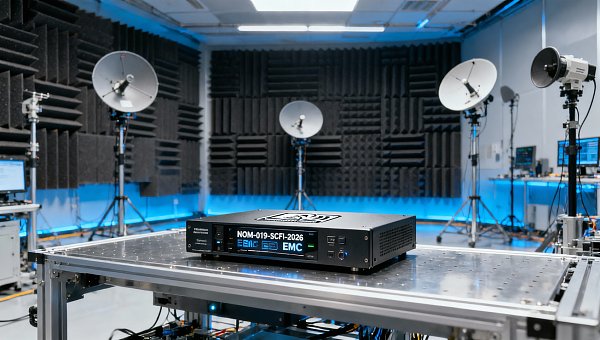
 Mexico NOM-019-SCFI-2026 Effective: Automotive Electronics Require New EMC CertificationMexico NOM-019-SCFI-2026 takes effect May 1, 2026 — new EMC certification mandatory for automotive electronics, EV accessories & aftermarket parts entering Mexico.
 Vietnam Suspends China Irrigation Equipment SASO Mutual RecognitionVietnam suspends China irrigation equipment SASO mutual recognition—urgent QCVN certification now required for drip tapes, sprinklers & smart controllers.
 Red Sea Diversion Normalized; Asia-Europe Freight Premium at $1,850/TEURed Sea diversion normalized: Asia-Europe freight premium holds at $1,850/TEU — impacting manufacturing, retail & procurement. Act now to optimize costs & resilience.
 FDA Drafts AI Bias Assessment Rule for Imported Medical DevicesFDA's new AI bias assessment rule for imported medical devices demands third-party verified fairness reports—act now to prep your 510(k)/De Novo submissions.
 TÜV Rheinland Updates CE Requirements for Servo DrivesTÜV Rheinland updates CE requirements for servo drives: integrated PLd + EN 61800-3 validation mandatory from July 1, 2026. Act now to avoid EU market delays!
 SABER Phase II Launch: Building Hardware Must Submit Digital Type Test Reports & Unique Product IDsSABER Phase II is live: Building hardware exporters must now submit digital type test reports & secure unique SABER Product IDs—avoid customs delays. Act now!
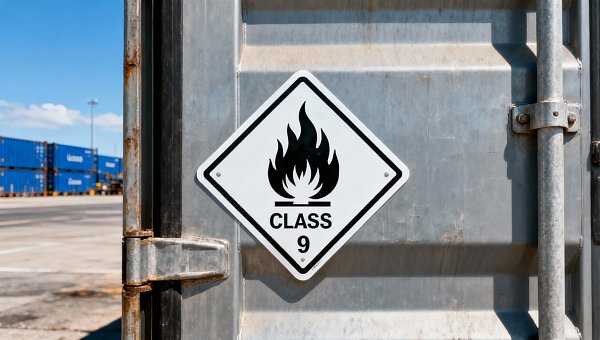
 IMDG Code 41-24 Enforced: New UN3480 Class 9 Label for Lithium Battery Sea FreightIMDG Code 41-24 enforced: UN3480 Class 9 label now mandatory for lithium battery sea freight — avoid delays in US, EU, UAE & Chile ports.
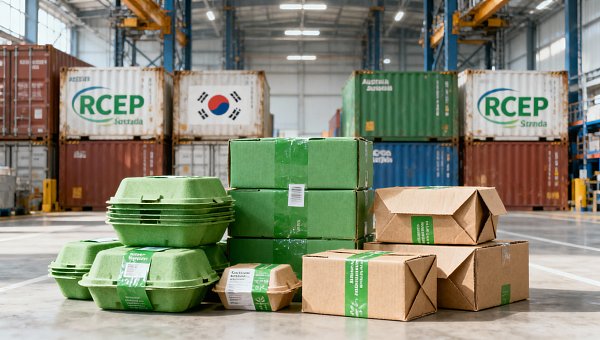
 RCEP Green Packaging Mutual Recognition Takes EffectRCEP Green Packaging Mutual Recognition takes effect Apr 21, 2026—unlock faster customs clearance for compostable, recycled & bio-based packaging in AU, NZ, JP, KR.
 China’s 10-Dept AI Ethics Review Rule for Exported AI DevicesChina’s 10-dept AI ethics review rule mandates algorithmic bias assessments for exported AI devices—key for EU, ME & SEA markets. Stay compliant ahead of enforcement.
 US CPSC Updates Child Sleep Sack Standard Effective July 2026US CPSC updates child sleep sack standard with new DSST test—mandatory for all U.S.-bound infant sleep sacks from July 2026. Act now to ensure compliance and market access.
 Red Sea Rerouting Pushes Asia-Europe Freight Premium to $1,850/TEURed Sea rerouting pushes Asia-Europe freight premium to $1,850/TEU—impacting importers, manufacturers & logistics providers. Act now to reassess costs, lead times & contracts.
 Mexico NOM-019-SCFI-2026 Effective May 1, 2026: EMC Certification Mandatory for Auto ElectronicsNOM-019-SCFI-2026 EMC certification is now mandatory for auto electronics in Mexico—effective May 1, 2026. Ensure compliance for infotainment, ADAS, OBD-II & more.
") TÜV Rheinland Updates CE Requirements for Servo Drives (PLd + EMC Class 3)TÜV Rheinland updates CE requirements for servo drives: PLd + EMC Class 3 joint validation mandatory from Q3 2026. Act now to avoid delays, rejections, or compliance risks.
TÜV Rheinland Updates CE Requirements for Servo Drives (PLd + EMC Class 3)TÜV Rheinland updates CE requirements for servo drives: PLd + EMC Class 3 joint validation mandatory from Q3 2026. Act now to avoid delays, rejections, or compliance risks. SABER Phase II Launch: Building Hardware Must Submit Digital e-CoC & UPISABER Phase II mandates digital e-CoC & UPI for building hardware imports to Saudi Arabia—act now to ensure customs clearance and market access.
 FDA AI Diagnostic Device Draft Rules: Bias Assessment for ImportsFDA AI diagnostic device draft rules mandate bias assessment for imports — discover how algorithmic fairness impacts 510(k)/De Novo submissions and what to do now.
 RCEP Green Packaging Mutual Recognition Starts June 1, 2026RCEP Green Packaging Mutual Recognition starts June 1, 2026 — unlock faster exports to Australia, NZ, Japan & Korea with GB/T 37572-2025 certification.
 Vietnam Suspends SASO Mutual Recognition for Chinese Irrigation EquipmentVietnam suspends SASO mutual recognition for Chinese irrigation equipment—impacting exporters, testers & suppliers. Act now to avoid 6–8 week delays & 35% cost hikes.
 IMDG Code 41-24 Enforces UN3480 Class 9 Labeling for Li-ion Battery Sea FreightIMDG Code 41-24 enforces UN3480 Class 9 labeling for Li-ion battery sea freight—learn mandatory QR labels, compliance actions & port enforcement risks.
 EU CBAM Enters Enforcement Phase on April 1, 2026EU CBAM enforcement starts April 1, 2026 — critical for Chinese battery materials, construction profiles & industrial coatings exporters. Act now to avoid customs delays.
 Mexico Enforces NOM-019-SCFI-2026 EMC Certification for Auto Electronics from May 2026Mexico enforces NOM-019-SCFI-2026 EMC certification for auto electronics from May 2026 — mandatory local testing, stricter standards, and urgent compliance action required.








Popular Tags
Global Trade Insights & Industry
Our mission is to empower global exporters and importers with data-driven insights that foster strategic growth.
Search News
Popular Tags
Industry Overview
The global commercial kitchen equipment market is projected to reach $112 billion by 2027. Driven by urbanization, the rise of e-commerce food delivery, and strict hygiene regulations.