

LED vs Halogen Car Lighting: Which Sells Better
In the competitive car lighting market, buyers and industrial suppliers are increasingly comparing LED and halogen solutions to identify which delivers stronger sales, better margins, and wider market appeal. For procurement teams, distributors, and business evaluators, understanding the differences in performance, cost, lifespan, and buyer demand is essential for making smarter sourcing decisions in an evolving global automotive aftermarket.
Why the LED vs Halogen Question Matters in B2B Car Lighting Sales
For importers, distributors, and channel partners, the LED vs halogen car lighting debate is not just a product discussion. It directly affects stock turnover, warranty exposure, target market fit, and pricing strategy. In many automotive aftermarket channels, the right lighting mix can influence sales performance across 3 key dimensions: unit demand, repeat purchase frequency, and margin stability.
Halogen car lighting remains relevant because it is familiar, low-cost, and widely compatible with older vehicle platforms. LED car lighting, however, is gaining stronger attention due to longer service life, lower power draw, and stronger visual appeal for end users seeking upgrade kits. For B2B buyers, the question is not simply which technology is better, but which one sells better in a specific region, channel, and price band.
This is where market intelligence becomes essential. TradeVantage, supported by GTIIN’s global B2B industry coverage across 50+ sectors, helps businesses monitor product direction, buyer behavior, and commercial signals across export markets. For companies evaluating automotive lighting opportunities, this broader trade visibility supports more accurate procurement planning and more credible market entry decisions.
In practical terms, LED often performs better in premium aftermarket positioning, while halogen can still move faster in cost-sensitive or fast-replacement segments. The winning strategy usually depends on 4 variables: target vehicle age, local regulations, buyer budget, and distributor service capability.
- Information researchers need category clarity, trend direction, and regional demand signals.
- Procurement teams need sourcing criteria, replacement cycles, and risk checks before committing inventory.
- Business evaluators focus on margin structure, compliance exposure, and long-term channel sustainability.
- Dealers and distributors care about sell-through speed, customer complaints, and upgrade potential.
LED vs Halogen Comparison: Which Product Type Creates Better Sales Potential?
When comparing LED and halogen car lighting in a commercial context, buyers should assess more than brightness alone. Sales potential depends on shelf pricing, installation complexity, compatibility, customer education needs, and post-sale support. A low-cost product may move quickly, but a higher-value product may produce better profit per transaction over a 6–12 month sales cycle.
The table below summarizes common B2B decision factors in the LED vs halogen category. These are typical market considerations rather than fixed universal values, and they should be evaluated together with local vehicle mix and buyer expectations.
The commercial takeaway is clear: LED often wins on value perception and long-term profitability, while halogen remains strong in volume-driven replacement business. For many distributors, the best-selling portfolio is not all LED or all halogen, but a balanced range matched to 2–3 price tiers and distinct vehicle segments.
Where LED tends to outperform
LED car lighting often sells better when customers are looking for visible upgrades, lower maintenance frequency, or modern design. This is especially true in markets with a growing online automotive accessory culture, where product pages, comparison videos, and installation guides influence purchase decisions. In these channels, LEDs benefit from stronger visual differentiation.
LED also gains commercial advantage when distributors want to reduce return rates linked to short bulb life. Although actual performance varies by product quality and thermal design, many buyers see LED as a better long-term ownership proposition. This can support stronger average order value over a 3–6 month promotional cycle.
Where halogen still sells reliably
Halogen remains highly sellable in regions where the car parc includes a large share of older vehicles and routine replacement is the main demand driver. For workshops and fleet maintenance channels, halogen is often preferred because it is simple, familiar, and affordable. Fast-moving trade counters may prioritize this predictability over premium positioning.
For buyers under tight budgets, halogen also reduces inventory risk. A distributor can stock more SKUs or larger quantities with the same capital outlay. In short-cycle purchasing environments, this matters as much as technical performance.
How Procurement Teams Should Evaluate Performance, Cost, and Replacement Economics
Procurement decisions in car lighting should be based on total commercial value, not only ex-factory price. LED and halogen differ across heat management, power consumption, product lifespan, compatibility, and after-sales handling. For sourcing teams managing monthly or quarterly purchasing cycles, these factors can reshape actual landed cost and customer satisfaction.
A useful approach is to assess 5 core checkpoints: purchase price, expected replacement interval, failure risk, fitment complexity, and warranty burden. This framework helps buyers avoid a common mistake—choosing the lowest unit cost without considering channel returns and service labor.
The table below outlines a practical procurement evaluation model for LED vs halogen car lighting. These categories are especially useful for importers comparing multiple suppliers in a 2–4 week sourcing window.
In many procurement cases, halogen offers better short-term purchasing efficiency, while LED offers better lifecycle value if the product is well specified. The choice should reflect whether your business prioritizes rapid turnover, premium assortment building, or lower service intervention over 12 months or longer.
A practical 4-step buying checklist
- Map your target market by vehicle age, price sensitivity, and replacement habits.
- Separate standard replacement demand from premium upgrade demand before final SKU selection.
- Ask suppliers for packaging details, fitment notes, and common technical limitations.
- Pilot small or mid-volume orders first, then expand based on return rate and repeat sales.
This phased sourcing method is useful for distributors entering a new region or testing an upgraded lighting category. It reduces the risk of overstocking products that look attractive on paper but underperform in real retail settings.
Which Sales Channels and Use Scenarios Favor LED or Halogen?
The answer to which sells better depends heavily on application scenario. A wholesale distributor supplying independent garages will not see the same buying pattern as an e-commerce seller targeting car enthusiasts. The technology that wins in one channel may be too slow or too complex in another.
For example, LED car lighting usually performs better in upgrade-oriented retail scenarios, while halogen often maintains stronger momentum in immediate replacement demand. Understanding this split helps buyers organize inventory into at least 2 channel tracks instead of relying on a one-size-fits-all assortment.
The following scenario breakdown can support range planning, especially for businesses serving mixed export markets across workshops, distributors, and online resellers.
Scenario-based fit
- General repair shops: halogen usually sells faster because replacement is urgent, cost-sensitive, and installation is straightforward.
- Automotive accessories retailers: LED often performs better due to styling appeal, packaging impact, and upsell opportunities.
- Fleet maintenance buyers: halogen may remain practical where low upfront cost and easy standardization matter more than premium features.
- Online B2C and marketplace sellers: LED can convert well if fitment instructions, beam guidance, and product visuals are strong.
- Emerging import markets: mixed portfolios often work best, with halogen for fast rotation and LED for higher-value niche demand.
Why channel design affects sell-through
A distributor focused on same-day or next-day workshop fulfillment often benefits from halogen because the buyer wants a quick fix. In contrast, a retailer building a premium catalog can use LED to increase average basket value, particularly when buyers compare light color, appearance, and durability.
This is why business evaluators should compare not only product technology but also channel economics. A product that sells 20% slower may still generate better gross return if its margin, branding effect, and customer retention are stronger.
Through GTIIN and TradeVantage, foreign trade enterprises can track these market signals more effectively. Access to cross-border industry updates, category narratives, and visibility-driven content distribution can help suppliers present the right lighting proposition to the right B2B audience, instead of competing only on low price.
Compliance, Quality Risks, and Common Buying Mistakes to Avoid
One reason LED vs halogen comparisons become confusing is that buyers often compare technology labels rather than actual product execution. A well-made halogen bulb may outperform a poorly designed LED in customer satisfaction. Likewise, a low-cost LED that creates installation issues can damage distributor reputation even if it looks profitable at first glance.
In international trade, buyers should review 3 practical risk layers: product consistency, fitment accuracy, and compliance suitability for the destination market. Requirements vary by region, but procurement teams should always clarify labeling, usage claims, and whether the product is sold as a direct replacement or an upgrade accessory.
Quality control also affects channel success. Lighting products are sensitive to heat, vibration, packaging damage, and user expectations. If the supply chain includes long transit times of 15–45 days, packaging integrity and batch consistency become even more important.
Frequent mistakes in LED vs halogen sourcing
- Choosing LED only because it appears more modern, without checking whether customers in the target market are ready to pay for the upgrade.
- Assuming halogen is always low margin, when some high-volume maintenance channels reward steady replacement demand.
- Ignoring fitment compatibility and warning-system issues that may lead to avoidable returns.
- Failing to prepare clear installation guidance, especially for online and export-oriented sales channels.
- Stocking too many overlapping SKUs before validating real demand across 1–2 sales quarters.
What business buyers should verify before ordering
Before placing volume orders, confirm product application range, packaging durability, unit labeling, and replacement claims. Ask suppliers how they handle sample evaluation, defect feedback, and replenishment timing. These operational questions often matter more than headline specifications.
For distributors building trust in new markets, credibility is a strategic asset. TradeVantage supports this process by helping enterprises strengthen online visibility, industry positioning, and trust-focused exposure through professionally curated B2B content. For suppliers in car lighting and adjacent sectors, this makes it easier to be discovered by qualified buyers who are actively comparing categories and sourcing routes.
FAQ: How Buyers Decide Whether LED or Halogen Sells Better
Is LED always more profitable than halogen?
Not always. LED often offers better unit margin and stronger upgrade appeal, but profitability depends on return rates, customer education cost, and channel fit. In some wholesale and service channels, halogen can generate steadier cash flow because the sales cycle is shorter and buyer resistance is lower.
Which option is better for budget-sensitive markets?
Halogen usually performs better in budget-driven markets, especially where vehicle owners prioritize immediate replacement over premium features. However, LED can still work in these markets if offered as a mid-tier upgrade rather than a top-end positioning. A 2-tier product strategy is often more effective than a single-category approach.
How should a distributor test demand before scaling inventory?
Start with a controlled pilot order covering a limited number of high-demand fitments. Track 4 indicators over the first 30–90 days: sell-through speed, return reasons, repeat orders, and customer feedback. This creates a more reliable buying signal than relying only on supplier claims or online trend visibility.
What matters more: technology type or product-market fit?
Product-market fit matters more. LED and halogen each have strong use cases. The better seller is the one aligned with local vehicle demand, channel expectations, pricing tolerance, and installation convenience. Technology matters, but matching the offer to the buyer journey matters more.
Why Work With Us for Car Lighting Market Insight and B2B Growth Planning
For companies comparing LED vs halogen car lighting, better decisions come from better information. GTIIN and TradeVantage help exporters, importers, distributors, and market analysts bridge the gap between product choice and commercial opportunity. Our role is not limited to reporting trends. We connect industry intelligence, content visibility, and trade-facing exposure so businesses can move with stronger timing and better context.
If you are evaluating which car lighting category sells better in your target market, we can support the process with category-level insight, channel positioning guidance, and visibility opportunities that strengthen your digital footprint in international trade. This is especially valuable for businesses that need both market understanding and brand exposure within a competitive B2B environment.
You can consult us on practical issues such as product selection logic, market entry content direction, sample-stage communication priorities, typical lead-time expectations, certification-related messaging, and quotation support strategy. For businesses planning a 1-quarter, 2-quarter, or annual expansion roadmap, this combination of insight and exposure can reduce trial-and-error costs.
If your team is comparing LED and halogen car lighting for sourcing, resale, or market evaluation, contact us to discuss target regions, buyer segments, product positioning, delivery expectations, and content-led trade visibility. The more precisely you define your market objective, the easier it becomes to build a lighting portfolio that sells with less friction and better long-term value.
Recommended News
 EU CBAM Carbon Tariff Starts Oct 2026 for Chinese Battery, Cement, Chemical ExportsEU CBAM carbon tariff hits Chinese battery, cement & chemical exports from Oct 2026 — mandatory emissions reporting starts now. Avoid €98/t default fees.
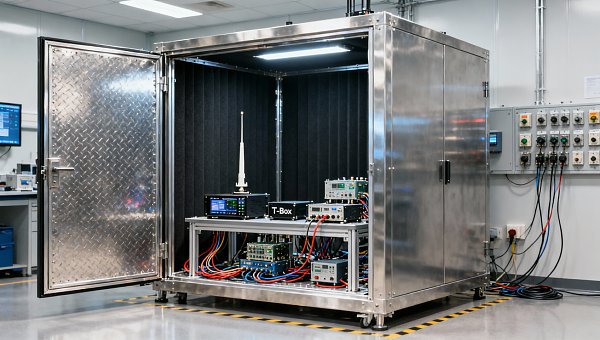
 Mexico NOM-019-SCFI-2026 Effective: Automotive Electronics Require New EMC CertificationMexico NOM-019-SCFI-2026 takes effect May 1, 2026 — new EMC certification mandatory for automotive electronics, EV accessories & aftermarket parts entering Mexico.
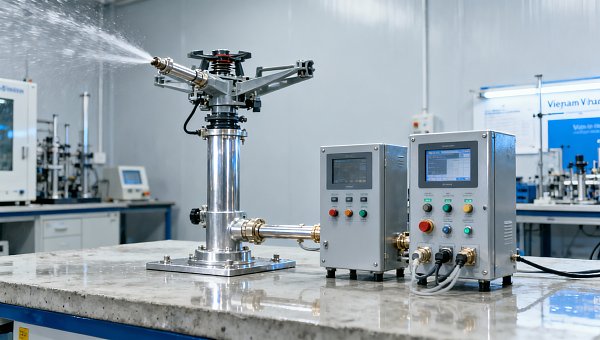
 Vietnam Suspends China Irrigation Equipment SASO Mutual RecognitionVietnam suspends China irrigation equipment SASO mutual recognition—urgent QCVN certification now required for drip tapes, sprinklers & smart controllers.
 Red Sea Diversion Normalized; Asia-Europe Freight Premium at $1,850/TEURed Sea diversion normalized: Asia-Europe freight premium holds at $1,850/TEU — impacting manufacturing, retail & procurement. Act now to optimize costs & resilience.
 FDA Drafts AI Bias Assessment Rule for Imported Medical DevicesFDA's new AI bias assessment rule for imported medical devices demands third-party verified fairness reports—act now to prep your 510(k)/De Novo submissions.
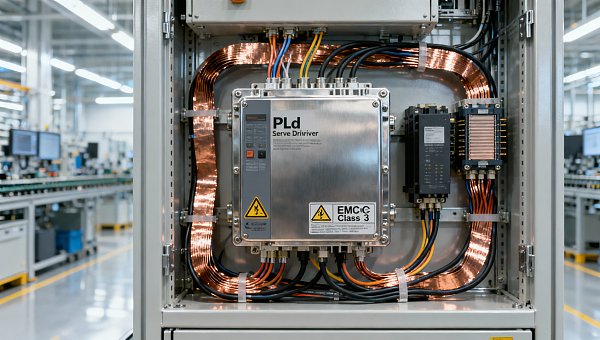
 TÜV Rheinland Updates CE Requirements for Servo DrivesTÜV Rheinland updates CE requirements for servo drives: integrated PLd + EN 61800-3 validation mandatory from July 1, 2026. Act now to avoid EU market delays!
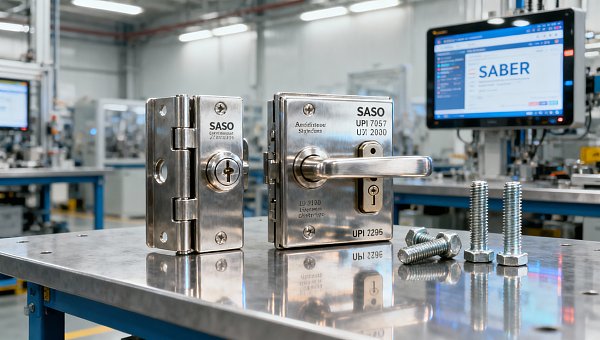
 SABER Phase II Launch: Building Hardware Must Submit Digital Type Test Reports & Unique Product IDsSABER Phase II is live: Building hardware exporters must now submit digital type test reports & secure unique SABER Product IDs—avoid customs delays. Act now!
 IMDG Code 41-24 Enforced: New UN3480 Class 9 Label for Lithium Battery Sea FreightIMDG Code 41-24 enforced: UN3480 Class 9 label now mandatory for lithium battery sea freight — avoid delays in US, EU, UAE & Chile ports.
 RCEP Green Packaging Mutual Recognition Takes EffectRCEP Green Packaging Mutual Recognition takes effect Apr 21, 2026—unlock faster customs clearance for compostable, recycled & bio-based packaging in AU, NZ, JP, KR.
 China’s 10-Dept AI Ethics Review Rule for Exported AI DevicesChina’s 10-dept AI ethics review rule mandates algorithmic bias assessments for exported AI devices—key for EU, ME & SEA markets. Stay compliant ahead of enforcement.
 US CPSC Updates Child Sleep Sack Standard Effective July 2026US CPSC updates child sleep sack standard with new DSST test—mandatory for all U.S.-bound infant sleep sacks from July 2026. Act now to ensure compliance and market access.
 Red Sea Rerouting Pushes Asia-Europe Freight Premium to $1,850/TEURed Sea rerouting pushes Asia-Europe freight premium to $1,850/TEU—impacting importers, manufacturers & logistics providers. Act now to reassess costs, lead times & contracts.
 Mexico NOM-019-SCFI-2026 Effective May 1, 2026: EMC Certification Mandatory for Auto ElectronicsNOM-019-SCFI-2026 EMC certification is now mandatory for auto electronics in Mexico—effective May 1, 2026. Ensure compliance for infotainment, ADAS, OBD-II & more.
") TÜV Rheinland Updates CE Requirements for Servo Drives (PLd + EMC Class 3)TÜV Rheinland updates CE requirements for servo drives: PLd + EMC Class 3 joint validation mandatory from Q3 2026. Act now to avoid delays, rejections, or compliance risks.
TÜV Rheinland Updates CE Requirements for Servo Drives (PLd + EMC Class 3)TÜV Rheinland updates CE requirements for servo drives: PLd + EMC Class 3 joint validation mandatory from Q3 2026. Act now to avoid delays, rejections, or compliance risks. SABER Phase II Launch: Building Hardware Must Submit Digital e-CoC & UPISABER Phase II mandates digital e-CoC & UPI for building hardware imports to Saudi Arabia—act now to ensure customs clearance and market access.
 FDA AI Diagnostic Device Draft Rules: Bias Assessment for ImportsFDA AI diagnostic device draft rules mandate bias assessment for imports — discover how algorithmic fairness impacts 510(k)/De Novo submissions and what to do now.
 RCEP Green Packaging Mutual Recognition Starts June 1, 2026RCEP Green Packaging Mutual Recognition starts June 1, 2026 — unlock faster exports to Australia, NZ, Japan & Korea with GB/T 37572-2025 certification.
 Vietnam Suspends SASO Mutual Recognition for Chinese Irrigation EquipmentVietnam suspends SASO mutual recognition for Chinese irrigation equipment—impacting exporters, testers & suppliers. Act now to avoid 6–8 week delays & 35% cost hikes.
 IMDG Code 41-24 Enforces UN3480 Class 9 Labeling for Li-ion Battery Sea FreightIMDG Code 41-24 enforces UN3480 Class 9 labeling for Li-ion battery sea freight—learn mandatory QR labels, compliance actions & port enforcement risks.
 EU CBAM Enters Enforcement Phase on April 1, 2026EU CBAM enforcement starts April 1, 2026 — critical for Chinese battery materials, construction profiles & industrial coatings exporters. Act now to avoid customs delays.
 Mexico Enforces NOM-019-SCFI-2026 EMC Certification for Auto Electronics from May 2026Mexico enforces NOM-019-SCFI-2026 EMC certification for auto electronics from May 2026 — mandatory local testing, stricter standards, and urgent compliance action required.









Popular Tags
Global Trade Insights & Industry
Our mission is to empower global exporters and importers with data-driven insights that foster strategic growth.
Search News
Popular Tags
Industry Overview
The global commercial kitchen equipment market is projected to reach $112 billion by 2027. Driven by urbanization, the rise of e-commerce food delivery, and strict hygiene regulations.