

U.S. Imposes 100% Tariffs on Imported Patent Drugs and Pharmaceutical Ingredients
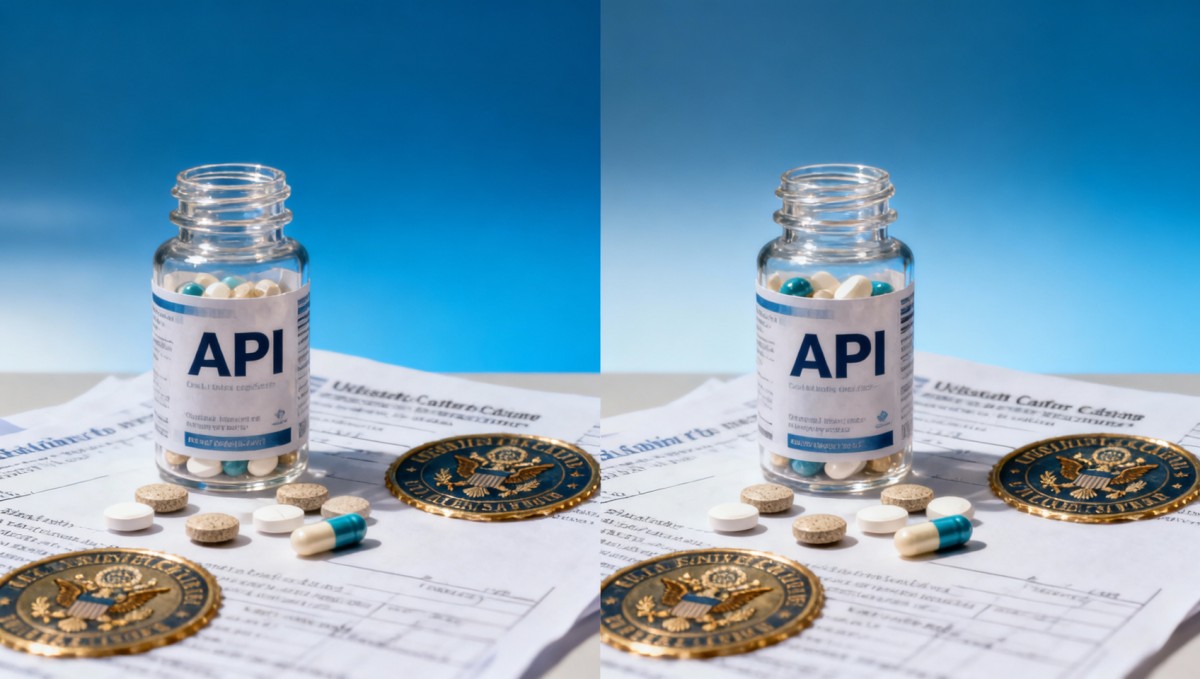
On April 2, 2026, the U.S. government announced a 100% tariff increase on certain imported pharmaceutical products and key drug ingredients, while establishing exemption pathways to encourage price negotiations and domestic production reshoring. This policy directly impacts over 2,000 Chinese API (active pharmaceutical ingredient) and intermediate exporters, particularly in major therapeutic categories such as anti-infectives, cardiovascular, and diabetes drugs. The move forces global buyers to reassess supply chain resilience, alternative sourcing feasibility, and long-term pricing mechanisms.
Event Overview
The U.S. government's new tariff policy, effective April 2, 2026, targets imported patent-protected drugs and critical pharmaceutical ingredients. Officially disclosed measures include:
- 100% tariff rate applied to designated products
- Negotiation-based exemption process for compliant manufacturers
- Explicit focus on APIs and intermediates in high-volume therapeutic categories
Impact on Key Sectors
1. API Manufacturers (China)
Over 60% of China's API exporters face immediate cost disadvantages, particularly for penicillin, statins, and metformin products. Compliance documentation requirements may delay shipments by 15-30 days.
2. U.S. Formulation Companies
Domestic drug producers relying on Chinese intermediates must either absorb doubled input costs or pursue tariff exemptions - both scenarios compressing profit margins by 8-12% according to preliminary estimates.
3. Global Procurement Teams
Multinational pharma buyers need to recalculate total landed costs, with India and EU API suppliers already reporting 5-7% price adjustments for comparable products.
Strategic Considerations
1. Supply Chain Remapping
Companies should audit their API sourcing portfolios within 60 days, identifying products with:
- Single-source Chinese dependencies
- Patent cliffs within 3 years
- High transportation cost ratios
2. Pricing Mechanism Adjustments
Existing long-term contracts may require force majeure reviews. Procurement teams should:
- Model alternative INCOTERM structures
- Evaluate tiered pricing triggers
- Benchmark against emerging ASEAN suppliers
3. Regulatory Pathway Optimization
The exemption process favors manufacturers demonstrating:
- GMP equivalence documentation
- Environmental compliance records
- Technology transfer commitments
Industry Perspective
Analysis suggests this represents a strategic rather than purely protectionist measure. The dual approach of tariffs and exemptions indicates:
- Pressure point for upcoming drug pricing negotiations
- Gradual reshoring timeline (3-5 years) for critical ingredients
- Potential template for future medical supply chain policies
Current market reactions appear measured, with most enterprises treating this as a contingency planning trigger rather than immediate crisis.
Conclusion
This policy shift underscores the pharmaceutical industry's evolving geopolitical dimensions. While immediate cost impacts are calculable, the greater strategic implication lies in accelerating regional supply chain diversification. Companies should approach this as a multi-quarter adjustment process rather than requiring overnight operational overhauls.
Sources
- U.S. Trade Representative announcement (April 2, 2026)
- China Chamber of Commerce for Import & Export of Medicines & Health Products preliminary impact assessment
- Pending clarification: Exemption application processing timelines
Recommended News
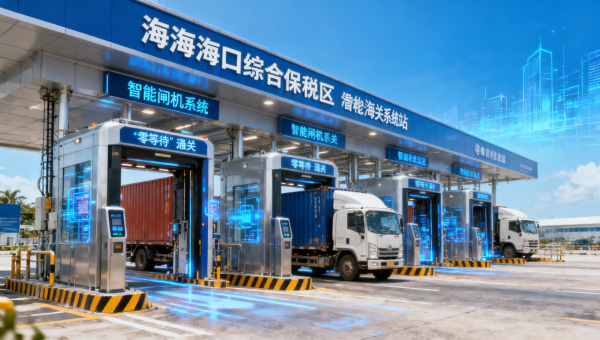
 Hainan Launches 'Zero Wait' Cross-Border Trade Pilot for Faster ExportsHainan's 'Zero Wait' cross-border trade pilot slashes export clearance to 30 minutes for medical devices, smart hardware & new energy components. Boost your RCEP & Latin America exports now!
 China Launches World's First Full-Spectrum Carbon Accounting System for Export ProductsChina launches the world's first Full-Spectrum Carbon Accounting System for export products, revolutionizing global trade compliance. Learn how this impacts manufacturing, supply chains & international carbon regulations.
 U.S. Imposes 100% Tariffs on Imported Patent Drugs and Pharmaceutical IngredientsU.S. imposes 100% tariffs on imported patent drugs and pharmaceutical ingredients, impacting global supply chains. Learn how this affects API manufacturers, formulation companies, and strategic sourcing decisions.
 China Launches Full Lifecycle Traceability Platform for Power BatteriesChina's new power battery traceability platform mandates full lifecycle tracking for exports. Learn how this impacts battery manufacturers, NEV exporters, and energy storage providers, and stay compliant with EU regulations.
 China Launches First Global Carbon Accounting System for Export ProductsChina's 'Panorama-Carbon' system revolutionizes export carbon accounting, helping manufacturers comply with EU CBAM and ISO 14067 standards. Learn how this impacts global trade.
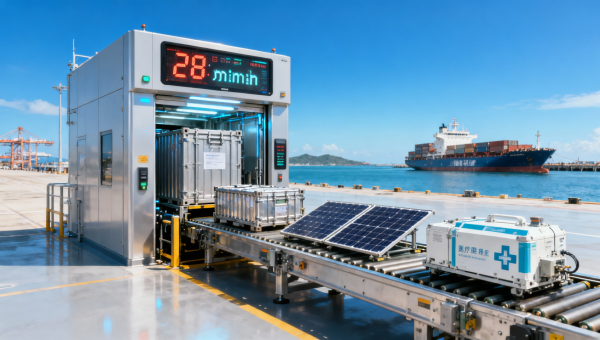
 Hainan Launches 'Zero-Wait' Cross-Border Trade Pilot for Key ExportsHainan's 'zero-wait' cross-border trade pilot slashes customs clearance to 28 minutes for key exports like lithium batteries and solar panels. Discover how this breakthrough benefits manufacturers and logistics providers targeting RCEP markets.
 China Releases 100 5G Factory Use Cases Covering Key Export SectorsChina's MIIT releases 100 5G factory use cases, showcasing proven applications in automotive, electronics & textiles. Gain insights into certified smart manufacturing solutions for global supply chains.
 Tongzi County's $10.3M Smart Water Platform Tender Signals Upgrade for Small CitiesTongzi County's $10.3M smart water platform tender signals China's county-level infrastructure upgrades. Explore opportunities for water tech providers in IoT sensors, SCADA systems & data analytics. Key insights for Belt and Road markets.
 Thailand's Princess Sirindhorn Visits China, Signs Green Manufacturing MoUThailand's Princess Sirindhorn visits China to sign a green manufacturing MoU, boosting smart irrigation, biodegradable packaging & low-carbon rubber tech. Explore new trade opportunities under RCEP.
 Deye's Q1 Net Profit Surges 55.9%–70.1%, Energy Storage Inverter Shipments DoubleDeye's Q1 net profit surges 55.9%–70.1% as energy storage inverter shipments double, signaling strong global demand. Explore key industry impacts and emerging solar-storage opportunities.
 China Launches First Global Carbon Accounting System for ExportsChina's 'Panoramic Carbon Trace' system revolutionizes global trade with the first comprehensive carbon accounting platform for exports. Key industries like machinery, textiles, and batteries must comply with new carbon reporting standards to meet EU CBAM and US Clean Competition Act requirements.
 Hainan Launches 3-Year Plan to Optimize Cross-Border Trade with 'Zero Wait' PilotHainan's 'Zero Wait' pilot cuts cross-border trade clearance to 1.2 hours under new 3-year plan, boosting RCEP supply chains. Learn how this impacts import/export businesses and logistics.
 Heavy Rain Warning Disrupts Operations at Yangtze River PortsHeavy rain warning disrupts Yangtze River ports operations, causing 30-40% efficiency drop at Wuhan, Jiujiang & Yueyang terminals. Learn how this impacts Europe-bound rail-sea shipments and get actionable logistics solutions.
 New E-commerce Pricing Rules Take Effect, Impacting Cross-Border SellersNew e-commerce pricing rules impact cross-border sellers with stricter regulations on discounts and promotions. Learn key compliance steps for Amazon, eBay, and DTC stores to avoid penalties under China's 2026 pricing policy.
 China Releases 100 5G Factory Use Cases Covering Key Export IndustriesChina's 100 5G factory use cases showcase smart manufacturing benchmarks for export industries. Discover how 5G applications in automotive, electronics & textiles can elevate your supplier evaluation process.
 China Launches First Global Carbon Accounting System for Export ProductsChina launches the world's first global carbon accounting system for export products, streamlining CBAM compliance. Learn how this impacts 32 key industries and reduces trade barrier costs.
 Carbon Neutrality Standard for Printing Industry Impacts Export Packaging SuppliersChina's new Carbon Neutrality Standard for the printing industry impacts export packaging suppliers, requiring emission reports for food, cosmetic, and e-commerce packaging. Learn how this affects your supply chain compliance.
 New China Power Bank Standard GB 4343.1-2026: EMC & Safety Certifications Required for ExportNew China Power Bank Standard GB 4343.1-2026 mandates EMC & safety certifications for exports. Learn key requirements, impacts on manufacturers, and compliance strategies for global markets.
 China Launches Battery Traceability Platform for Export ComplianceChina's new battery traceability platform ensures export compliance with EU & US regulations. Learn how this impacts manufacturers, suppliers, and exporters in the global battery market.
 Red Sea Route Rates Surge 104.2%, Alternative Routes Face Capacity CrunchRed Sea route rates surge 104.2% as geopolitical risks disrupt shipping. Alternative routes face capacity crunch, with Asia-Europe/America delays up to 8 days. Learn cost-saving strategies for exporters & importers.
 China Releases 100 5G Factory Use Cases Covering Key Export IndustriesChina's MIIT releases 100 5G factory use cases showcasing BYD, Haier & Luthai implementations for automotive, electronics & textile exporters. Discover how 5G boosts smart manufacturing competitiveness.
















Popular Tags
Global Trade Insights & Industry
Our mission is to empower global exporters and importers with data-driven insights that foster strategic growth.
Search News
Popular Tags
Industry Overview
The global commercial kitchen equipment market is projected to reach $112 billion by 2027. Driven by urbanization, the rise of e-commerce food delivery, and strict hygiene regulations.