

China Releases 100 5G Factory Use Cases Covering Key Export Sectors
Introduction
On April 3, China's Ministry of Industry and Information Technology (MIIT) released a list of 100 5G Factory Typical Application Practices, showcasing real-world implementations across automotive, electronics, textiles, and other major export industries. The document has gained recognition from international certifiers like Germany's TÜV and Japan's JETRO as a benchmark for evaluating Chinese manufacturers' smart manufacturing capabilities. This development is particularly relevant for global buyers seeking 5G-enabled suppliers with proven customization and delivery capacities.

Event Overview
The official document details 100 validated 5G applications in manufacturing, including flexible production lines, visual quality inspection, and AGV coordination systems. Notably, 62 cases originate from export-oriented factories. The compilation serves as a technical reference for overseas procurement teams assessing Chinese suppliers' Industry 4.0 readiness.
Impact on Key Industries
Automotive Component Exporters
Plants adopting 5G-powered flexible manufacturing can now demonstrate 30% faster production line changeovers, a critical advantage for European and North American buyers requiring rapid model iterations.
Electronics Contract Manufacturers
Visual inspection systems using 5G+AI show defect detection accuracy above 99.5%, potentially reducing quality disputes in consumer electronics supply chains.
Textile and Apparel Producers
Real-time equipment monitoring via 5G enables 24/7 delivery status tracking, addressing a key concern for fast-fashion retailers.
Actionable Insights for Businesses
Prioritize Certified Suppliers
International purchasers should cross-reference this list with their vendor audits, as MIIT-validated cases indicate tested 5G integration.
Focus on Implementation Depth
Analysis shows only 18% of listed factories have scaled 5G beyond pilot phases—verify actual deployment scope during due diligence.
Leverage for Negotiations
Export-oriented manufacturers can use inclusion in this document as proof of technical competency during contract talks.
Monitor Certification Trends
With TÜV adopting this framework, expect more international standards bodies to reference Chinese 5G factory benchmarks.
Industry Perspective
From an industry standpoint, this release signals China's strategic push to position its manufacturing ecosystem as 5G implementation leaders rather than just technology providers. The inclusion of predominantly export-focused cases suggests targeted competitiveness building in global supply chains. However, observers note the list currently represents best-case scenarios rather than industry-wide adoption levels.
Conclusion
This compilation provides a measurable snapshot of China's advanced manufacturing capabilities through 5G integration. For global buyers, it offers a vetted pool of potential partners; for Chinese exporters, it sets transparent benchmarks for smart manufacturing upgrades. The document's recognition by international certifiers indicates growing convergence in global Industry 4.0 evaluation standards.
Source
Ministry of Industry and Information Technology (MIIT) official release, April 3, 2024. The list's ongoing adoption by certification bodies requires continued monitoring.
Recommended News
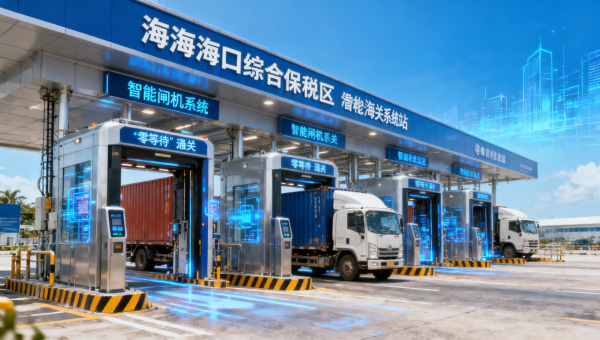
 Hainan Launches 'Zero Wait' Cross-Border Trade Pilot for Faster ExportsHainan's 'Zero Wait' cross-border trade pilot slashes export clearance to 30 minutes for medical devices, smart hardware & new energy components. Boost your RCEP & Latin America exports now!
 China Launches World's First Full-Spectrum Carbon Accounting System for Export ProductsChina launches the world's first Full-Spectrum Carbon Accounting System for export products, revolutionizing global trade compliance. Learn how this impacts manufacturing, supply chains & international carbon regulations.
 U.S. Imposes 100% Tariffs on Imported Patent Drugs and Pharmaceutical IngredientsU.S. imposes 100% tariffs on imported patent drugs and pharmaceutical ingredients, impacting global supply chains. Learn how this affects API manufacturers, formulation companies, and strategic sourcing decisions.
 China Launches Full Lifecycle Traceability Platform for Power BatteriesChina's new power battery traceability platform mandates full lifecycle tracking for exports. Learn how this impacts battery manufacturers, NEV exporters, and energy storage providers, and stay compliant with EU regulations.
 China Launches First Global Carbon Accounting System for Export ProductsChina's 'Panorama-Carbon' system revolutionizes export carbon accounting, helping manufacturers comply with EU CBAM and ISO 14067 standards. Learn how this impacts global trade.
 Hainan Launches 'Zero-Wait' Cross-Border Trade Pilot for Key ExportsHainan's 'zero-wait' cross-border trade pilot slashes customs clearance to 28 minutes for key exports like lithium batteries and solar panels. Discover how this breakthrough benefits manufacturers and logistics providers targeting RCEP markets.
 China Releases 100 5G Factory Use Cases Covering Key Export SectorsChina's MIIT releases 100 5G factory use cases, showcasing proven applications in automotive, electronics & textiles. Gain insights into certified smart manufacturing solutions for global supply chains.
 Tongzi County's $10.3M Smart Water Platform Tender Signals Upgrade for Small CitiesTongzi County's $10.3M smart water platform tender signals China's county-level infrastructure upgrades. Explore opportunities for water tech providers in IoT sensors, SCADA systems & data analytics. Key insights for Belt and Road markets.
 Thailand's Princess Sirindhorn Visits China, Signs Green Manufacturing MoUThailand's Princess Sirindhorn visits China to sign a green manufacturing MoU, boosting smart irrigation, biodegradable packaging & low-carbon rubber tech. Explore new trade opportunities under RCEP.
 Deye's Q1 Net Profit Surges 55.9%–70.1%, Energy Storage Inverter Shipments DoubleDeye's Q1 net profit surges 55.9%–70.1% as energy storage inverter shipments double, signaling strong global demand. Explore key industry impacts and emerging solar-storage opportunities.
 China Launches First Global Carbon Accounting System for ExportsChina's 'Panoramic Carbon Trace' system revolutionizes global trade with the first comprehensive carbon accounting platform for exports. Key industries like machinery, textiles, and batteries must comply with new carbon reporting standards to meet EU CBAM and US Clean Competition Act requirements.
 Hainan Launches 3-Year Plan to Optimize Cross-Border Trade with 'Zero Wait' PilotHainan's 'Zero Wait' pilot cuts cross-border trade clearance to 1.2 hours under new 3-year plan, boosting RCEP supply chains. Learn how this impacts import/export businesses and logistics.
 Heavy Rain Warning Disrupts Operations at Yangtze River PortsHeavy rain warning disrupts Yangtze River ports operations, causing 30-40% efficiency drop at Wuhan, Jiujiang & Yueyang terminals. Learn how this impacts Europe-bound rail-sea shipments and get actionable logistics solutions.
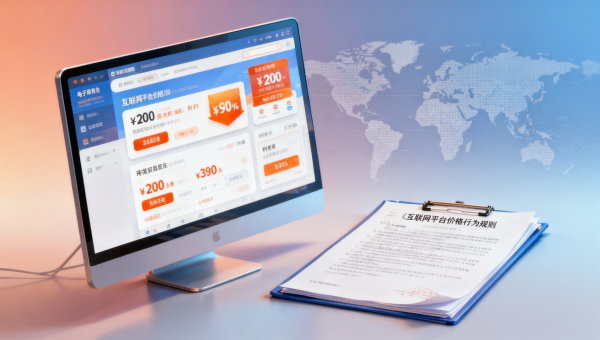
 New E-commerce Pricing Rules Take Effect, Impacting Cross-Border SellersNew e-commerce pricing rules impact cross-border sellers with stricter regulations on discounts and promotions. Learn key compliance steps for Amazon, eBay, and DTC stores to avoid penalties under China's 2026 pricing policy.
 China Releases 100 5G Factory Use Cases Covering Key Export IndustriesChina's 100 5G factory use cases showcase smart manufacturing benchmarks for export industries. Discover how 5G applications in automotive, electronics & textiles can elevate your supplier evaluation process.
 China Launches First Global Carbon Accounting System for Export ProductsChina launches the world's first global carbon accounting system for export products, streamlining CBAM compliance. Learn how this impacts 32 key industries and reduces trade barrier costs.
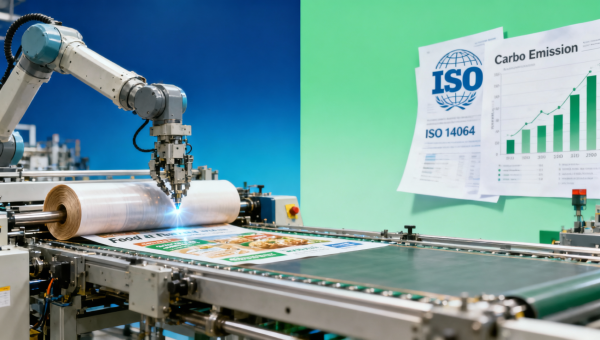
 Carbon Neutrality Standard for Printing Industry Impacts Export Packaging SuppliersChina's new Carbon Neutrality Standard for the printing industry impacts export packaging suppliers, requiring emission reports for food, cosmetic, and e-commerce packaging. Learn how this affects your supply chain compliance.
 New China Power Bank Standard GB 4343.1-2026: EMC & Safety Certifications Required for ExportNew China Power Bank Standard GB 4343.1-2026 mandates EMC & safety certifications for exports. Learn key requirements, impacts on manufacturers, and compliance strategies for global markets.
 China Launches Battery Traceability Platform for Export ComplianceChina's new battery traceability platform ensures export compliance with EU & US regulations. Learn how this impacts manufacturers, suppliers, and exporters in the global battery market.
 Red Sea Route Rates Surge 104.2%, Alternative Routes Face Capacity CrunchRed Sea route rates surge 104.2% as geopolitical risks disrupt shipping. Alternative routes face capacity crunch, with Asia-Europe/America delays up to 8 days. Learn cost-saving strategies for exporters & importers.
 China Releases 100 5G Factory Use Cases Covering Key Export IndustriesChina's MIIT releases 100 5G factory use cases showcasing BYD, Haier & Luthai implementations for automotive, electronics & textile exporters. Discover how 5G boosts smart manufacturing competitiveness.


















Popular Tags
Global Trade Insights & Industry
Our mission is to empower global exporters and importers with data-driven insights that foster strategic growth.
Search News
Popular Tags
Industry Overview
The global commercial kitchen equipment market is projected to reach $112 billion by 2027. Driven by urbanization, the rise of e-commerce food delivery, and strict hygiene regulations.