

China Launches Full Lifecycle Traceability Platform for Power Batteries
On April 2, 2026, China's Ministry of Industry and Information Technology (MIIT) officially launched a national-level power battery traceability management platform. This mandates that all exported new energy vehicles, energy storage systems, and standalone battery packs must complete full-chain documentation, including battery coding, flow tracking, and recycling responsibilities, from the point of production. Non-compliant products may face challenges in overseas customs clearance, EPR compliance, and recognition under the EU's new battery regulation (EU 2023/1542). This development is critical for industries involved in battery production, new energy vehicles, and energy storage systems, as it directly impacts export compliance and market access.
Event Overview
The MIIT's new platform requires comprehensive documentation for power batteries used in exported products, covering their entire lifecycle—from production to recycling. The policy took effect on April 2, 2026, and applies to all relevant exports. Key details include mandatory battery coding, tracking of product flows, and assigning recycling responsibilities. Non-compliance may result in barriers to international markets, particularly the EU, which has stringent battery regulations.
Impact on Sub-Sectors
Battery Manufacturers
Battery producers must now integrate traceability systems into their production lines. This adds operational complexity and may require investments in new technologies or partnerships with compliance service providers. Failure to comply could disrupt export operations.
New Energy Vehicle (NEV) Exporters
NEV manufacturers must ensure their vehicles' batteries are fully documented before shipment. This affects logistics, supply chain coordination, and compliance teams, as missing documentation could delay deliveries or block market entry.
Energy Storage System Providers
Companies exporting energy storage solutions face similar requirements. The need for full lifecycle tracking may necessitate redesigning procurement and logistics processes to align with the new rules.
Recycling and EPR Compliance Firms
Recycling companies and those handling extended producer responsibility (EPR) programs must adapt to the traceability data flow. This could create opportunities for firms specializing in compliance verification and reporting.
Key Focus Areas and Recommended Actions
Monitor Policy Updates
Companies should track further clarifications from MIIT or international regulators, as additional guidelines may emerge.
Prioritize EU Market Compliance
Given the EU's strict battery laws, exporters targeting this market should align their documentation processes with both Chinese and EU requirements.
Assess Supply Chain Readiness
Evaluate whether current suppliers and logistics partners can support the new traceability demands. Early adjustments may prevent disruptions.
Editorial Perspective
From an industry standpoint, this move signals China's alignment with global battery sustainability standards. While it introduces short-term challenges, it may enhance long-term competitiveness for compliant firms. The policy is more than a procedural change—it reflects growing regulatory emphasis on lifecycle accountability in the battery sector.
Conclusion
This policy represents a significant step in standardizing battery lifecycle management for exports. Companies should view it as both a compliance requirement and an opportunity to streamline operations for stricter global regulations. Proactive adaptation will be crucial to maintaining market access.
Source
Ministry of Industry and Information Technology (MIIT), China. Further updates on implementation details may follow.

Recommended News
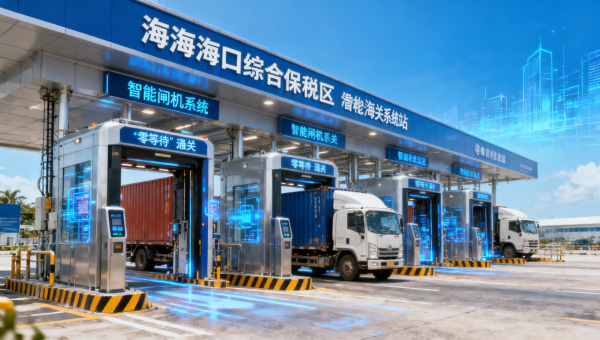
 Hainan Launches 'Zero Wait' Cross-Border Trade Pilot for Faster ExportsHainan's 'Zero Wait' cross-border trade pilot slashes export clearance to 30 minutes for medical devices, smart hardware & new energy components. Boost your RCEP & Latin America exports now!
 China Launches World's First Full-Spectrum Carbon Accounting System for Export ProductsChina launches the world's first Full-Spectrum Carbon Accounting System for export products, revolutionizing global trade compliance. Learn how this impacts manufacturing, supply chains & international carbon regulations.
 U.S. Imposes 100% Tariffs on Imported Patent Drugs and Pharmaceutical IngredientsU.S. imposes 100% tariffs on imported patent drugs and pharmaceutical ingredients, impacting global supply chains. Learn how this affects API manufacturers, formulation companies, and strategic sourcing decisions.
 China Launches Full Lifecycle Traceability Platform for Power BatteriesChina's new power battery traceability platform mandates full lifecycle tracking for exports. Learn how this impacts battery manufacturers, NEV exporters, and energy storage providers, and stay compliant with EU regulations.
 China Launches First Global Carbon Accounting System for Export ProductsChina's 'Panorama-Carbon' system revolutionizes export carbon accounting, helping manufacturers comply with EU CBAM and ISO 14067 standards. Learn how this impacts global trade.
 Hainan Launches 'Zero-Wait' Cross-Border Trade Pilot for Key ExportsHainan's 'zero-wait' cross-border trade pilot slashes customs clearance to 28 minutes for key exports like lithium batteries and solar panels. Discover how this breakthrough benefits manufacturers and logistics providers targeting RCEP markets.
 China Releases 100 5G Factory Use Cases Covering Key Export SectorsChina's MIIT releases 100 5G factory use cases, showcasing proven applications in automotive, electronics & textiles. Gain insights into certified smart manufacturing solutions for global supply chains.
 Tongzi County's $10.3M Smart Water Platform Tender Signals Upgrade for Small CitiesTongzi County's $10.3M smart water platform tender signals China's county-level infrastructure upgrades. Explore opportunities for water tech providers in IoT sensors, SCADA systems & data analytics. Key insights for Belt and Road markets.
 Thailand's Princess Sirindhorn Visits China, Signs Green Manufacturing MoUThailand's Princess Sirindhorn visits China to sign a green manufacturing MoU, boosting smart irrigation, biodegradable packaging & low-carbon rubber tech. Explore new trade opportunities under RCEP.
 Deye's Q1 Net Profit Surges 55.9%–70.1%, Energy Storage Inverter Shipments DoubleDeye's Q1 net profit surges 55.9%–70.1% as energy storage inverter shipments double, signaling strong global demand. Explore key industry impacts and emerging solar-storage opportunities.
 China Launches First Global Carbon Accounting System for ExportsChina's 'Panoramic Carbon Trace' system revolutionizes global trade with the first comprehensive carbon accounting platform for exports. Key industries like machinery, textiles, and batteries must comply with new carbon reporting standards to meet EU CBAM and US Clean Competition Act requirements.
 Hainan Launches 3-Year Plan to Optimize Cross-Border Trade with 'Zero Wait' PilotHainan's 'Zero Wait' pilot cuts cross-border trade clearance to 1.2 hours under new 3-year plan, boosting RCEP supply chains. Learn how this impacts import/export businesses and logistics.
 Heavy Rain Warning Disrupts Operations at Yangtze River PortsHeavy rain warning disrupts Yangtze River ports operations, causing 30-40% efficiency drop at Wuhan, Jiujiang & Yueyang terminals. Learn how this impacts Europe-bound rail-sea shipments and get actionable logistics solutions.
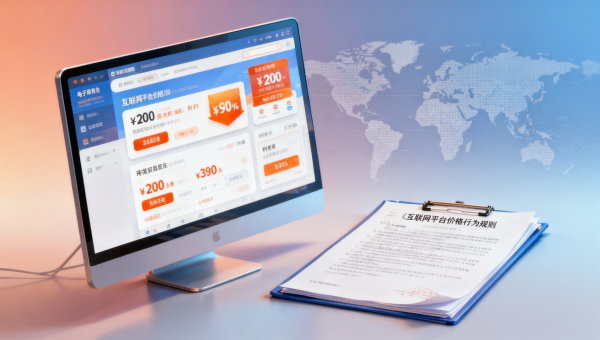
 New E-commerce Pricing Rules Take Effect, Impacting Cross-Border SellersNew e-commerce pricing rules impact cross-border sellers with stricter regulations on discounts and promotions. Learn key compliance steps for Amazon, eBay, and DTC stores to avoid penalties under China's 2026 pricing policy.
 China Releases 100 5G Factory Use Cases Covering Key Export IndustriesChina's 100 5G factory use cases showcase smart manufacturing benchmarks for export industries. Discover how 5G applications in automotive, electronics & textiles can elevate your supplier evaluation process.
 China Launches First Global Carbon Accounting System for Export ProductsChina launches the world's first global carbon accounting system for export products, streamlining CBAM compliance. Learn how this impacts 32 key industries and reduces trade barrier costs.
 Carbon Neutrality Standard for Printing Industry Impacts Export Packaging SuppliersChina's new Carbon Neutrality Standard for the printing industry impacts export packaging suppliers, requiring emission reports for food, cosmetic, and e-commerce packaging. Learn how this affects your supply chain compliance.
 New China Power Bank Standard GB 4343.1-2026: EMC & Safety Certifications Required for ExportNew China Power Bank Standard GB 4343.1-2026 mandates EMC & safety certifications for exports. Learn key requirements, impacts on manufacturers, and compliance strategies for global markets.
 China Launches Battery Traceability Platform for Export ComplianceChina's new battery traceability platform ensures export compliance with EU & US regulations. Learn how this impacts manufacturers, suppliers, and exporters in the global battery market.
 Red Sea Route Rates Surge 104.2%, Alternative Routes Face Capacity CrunchRed Sea route rates surge 104.2% as geopolitical risks disrupt shipping. Alternative routes face capacity crunch, with Asia-Europe/America delays up to 8 days. Learn cost-saving strategies for exporters & importers.
 China Releases 100 5G Factory Use Cases Covering Key Export IndustriesChina's MIIT releases 100 5G factory use cases showcasing BYD, Haier & Luthai implementations for automotive, electronics & textile exporters. Discover how 5G boosts smart manufacturing competitiveness.



















Popular Tags
Global Trade Insights & Industry
Our mission is to empower global exporters and importers with data-driven insights that foster strategic growth.
Search News
Popular Tags
Industry Overview
The global commercial kitchen equipment market is projected to reach $112 billion by 2027. Driven by urbanization, the rise of e-commerce food delivery, and strict hygiene regulations.