

2026 Jan–Feb Paper Industry Profits +6.1%; Green Packaging Export Premium Emerges
China’s paper and paper products industry posted a 6.1% year-on-year increase in profit total to RMB 5.04 billion for January–February 2026, driven by export-oriented manufacturers securing green premium orders from EU and US fast-moving consumer goods, cosmetics, and food brands. This development is especially relevant for exporters and suppliers in eco-friendly packaging, food packaging, and cosmetics & skincare packaging — signaling a measurable shift in international buyer preferences toward certified sustainable supply chains.
Event Overview
According to official data released on 29 February 2026, the profit total of China’s paper and paper products industry for January–February 2026 was RMB 5.04 billion, up 6.1% year-on-year. The growth was primarily attributed to export enterprises adopting FSC/PEFC dual-certified pulp, water-based laminating processes, and biodegradable淋膜 (liquid barrier) materials — enabling them to win green premium contracts with average price increases of 8–12% from Western fast-moving consumer goods, cosmetics, and food packaging clients.
Impact on Specific Subsectors
Direct Exporters (Eco-Friendly, Food, and Cosmetics Packaging)
These businesses face direct pressure to align with upstream sustainability requirements. Buyers increasingly mandate third-party certifications (e.g., FSC, PEFC) and low-carbon process documentation as prerequisites for vendor qualification — not just for new tenders, but for contract renewals.
Raw Material Procurement Entities
Suppliers sourcing pulp, coatings, or barrier films must now verify certification status and environmental compliance of their own vendors. Dual-certified pulp and water-based coating stocks are seeing tighter availability and longer lead times, particularly for shipments destined to EU-regulated markets.
Contract Manufacturers & Converters
Firms offering printing, laminating, or converting services are experiencing rising client requests for process-level verification — including energy source disclosure, VOC emission records, and material traceability. Adoption of water-based laminating and compostable淋膜 lines is no longer optional differentiation but an operational baseline for Tier-1 export assignments.
Supply Chain Service Providers (Logistics, Certification Support, Lab Testing)
Demand is increasing for integrated support covering certification auditing, carbon footprint calculation per SKU, and documentation translation/localization for EU/US regulatory submissions. However, current capacity remains fragmented — leading to bottlenecks in turnaround time for audit scheduling and test reporting.
What Relevant Enterprises or Practitioners Should Focus On Now
Monitor upcoming updates to EU Deforestation Regulation (EUDR) implementation timelines
The 2026 Q1 profit uptick coincides with EUDR enforcement ramp-up; further tightening of due diligence requirements for fiber-sourced inputs is expected in mid-2026. Exporters should track official guidance from both Chinese customs and EU Commission portals for scope clarifications.
Prioritize certification readiness for core export SKUs — not full portfolio
Given resource constraints, focus initial FSC/PEFC dual certification and water-based process validation on top 3–5 revenue-generating SKUs for EU/US beauty and food clients. Avoid blanket certification rollout without confirmed buyer demand.
Distinguish between buyer-facing commitments and internal operational capability
Many brands request ‘carbon-neutral packaging’ language in proposals — yet currently accept verified process improvements (e.g., switch to water-based lamination, certified pulp) as interim milestones. Clarify with procurement teams which claims require formal verification versus those acceptable as stated intent.
Pre-validate documentation workflows with EU/US import partners
Confirm required formats for sustainability declarations, pulp origin statements, and process change notifications. Some EU buyers now require XML-based data submission via EDI — earlier alignment prevents shipment delays at port clearance.
Editorial Perspective / Industry Observation
From industry perspective, this 6.1% profit growth is less a broad-based recovery signal and more a structural realignment indicator: green premium is no longer theoretical — it has become a quantifiable, margin-accretive outcome for exporters who proactively embed verifiable sustainability into production and procurement. Analysis来看, the 8–12% pricing uplift reflects buyer willingness to pay for risk mitigation (regulatory, reputational) rather than pure environmental preference. Current more suitable interpretation is that certification and process transparency have shifted from ‘differentiator’ to ‘entry threshold’ for high-value Western packaging tenders — but full market-wide adoption remains uneven across tiers and regions.
Conclusion
This data point confirms that sustainability compliance is now directly tied to near-term profitability for export-focused paper and packaging firms — not as a cost center, but as a validated commercial lever. It is better understood not as a one-off performance anomaly, but as early evidence of a tightening linkage between internationally recognized environmental credentials and order conversion in priority markets. Enterprises should treat it as a directional marker — not a finished trend — requiring ongoing calibration against evolving buyer expectations and regulatory deadlines.
Source Attribution
Main source: Official statistical release issued by China’s National Bureau of Statistics on 29 February 2026. Note: Certification uptake rates, buyer-specific pricing terms, and regional demand distribution remain unconfirmed beyond the reported aggregate figures and cited client segments (FMCG, cosmetics & skincare, food). These aspects warrant continued observation in upcoming quarterly trade reports.

Recommended News
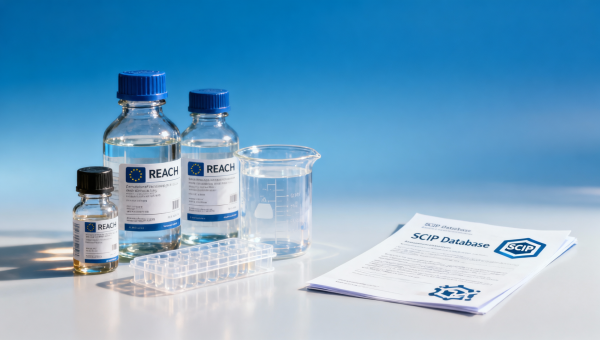
 EU REACH Adds 12 SVHCs: Impact on China's Chemical, Plastic & Coating ExportsEU REACH adds 12 SVHCs, impacting China's chemical, plastic & coating exports. Learn key compliance actions & market risks before the Oct 2026 deadline.
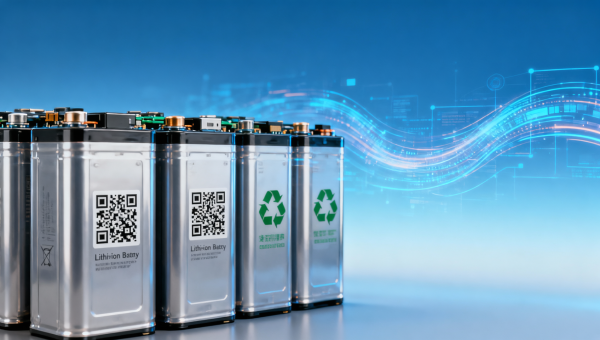
 China Launches First Global Battery Lifecycle Traceability PlatformChina launches the first global battery lifecycle traceability platform, revolutionizing EV and energy storage compliance. Learn how this impacts manufacturers, exporters, and recyclers worldwide.
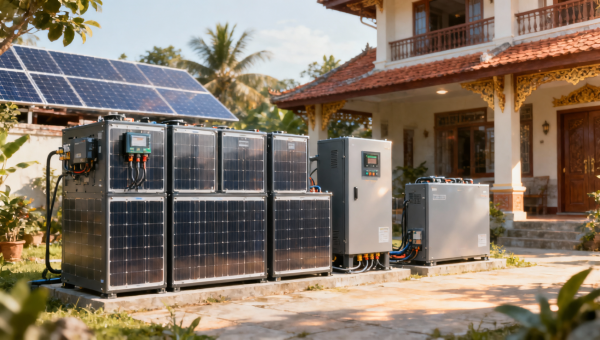
 Vietnam's Home Energy Storage Demand Doubles, Boosting Chinese ExportsVietnam's home energy storage demand doubles, boosting Chinese exports of inverters & LFP batteries. Learn how 217% export growth creates opportunities amid power instability.
 EU REACH Adds 12 SVHCs: China's Chemical, Plastic, and Coating Exports Must Comply Within 6 MonthsEU REACH adds 12 new SVHCs, impacting China's chemical, plastic, and coating exports. Companies must comply with SCIP notifications within 6 months. Learn key actions for affected industries.
 China Releases 100 5G Factory Applications Covering Key Export IndustriesChina's MIIT releases 100 5G factory applications, transforming key export industries like automotive, PCB, and textiles. Discover how these smart manufacturing solutions impact global supply chains and supplier evaluations.
 U.S.-Iran Ceasefire Takes Effect, Strait of Hormuz Shipping Returns to Normal, Middle East Logistics Costs Drop 35%U.S.-Iran ceasefire stabilizes Strait of Hormuz shipping, cutting Middle East logistics costs by 35%. Learn how exporters of industrial goods & solar equipment can benefit from improved trade routes.
 China-Thailand Agricultural & Green Manufacturing Cooperation: Key Impacts on Rubber, Farm Machinery, and Solar SectorsExplore how China-Thailand agricultural & green manufacturing cooperation impacts rubber, farm machinery, and solar sectors. Learn about reduced compliance costs and faster market access for exporters.
 Hainan Launches 'Zero Wait' Customs for Medical Devices & Smart SensorsHainan's 'zero wait' customs for medical devices & smart sensors slashes export cycles by 50% at Yangpu Port. Urgent orders to ASEAN, Middle East & Latin America now clear in 30 minutes. Learn how this boosts time-sensitive exports.
 China Launches Full Lifecycle Battery Traceability Platform, Mandates Export ComplianceChina's new battery traceability platform mandates export compliance for EU, US & South Korea markets. Learn how battery manufacturers, NEV producers, and energy storage providers can adapt to avoid clearance barriers and secure certifications.
 U.S. Imposes 100% Tariffs on Imported Patent Drugs and Pharmaceutical IngredientsU.S. imposes 100% tariffs on imported patent drugs and pharmaceutical ingredients, impacting global API supply chains. Learn how this affects manufacturers, importers, and compliance strategies.
 China-Thailand Agricultural & Green Manufacturing Cooperation: Key ImpactsExplore how China-Thailand agricultural & green manufacturing cooperation impacts rubber, farm machinery & solar sectors. Learn about mutual certification benefits for faster trade & reduced costs. Key insights for businesses.
 ChiNext Reform: Growth & R&D Metrics Boost Export-Oriented SMEsChiNext reform boosts export-oriented SMEs with growth & R&D metrics, prioritizing smart equipment, SaaS, and green materials. Learn how this impacts global trade partnerships post-2026.
 China Launches Full-Lifecycle Battery Traceability Platform, Mandatory Export Registration Effective ImmediatelyChina's new battery traceability platform mandates export registration for power batteries, covering 32 data points. Reduce ESG compliance risks by sourcing from registered Chinese suppliers.
 U.S.-Iran Ceasefire to Reopen Strait of Hormuz, Easing Middle East Logistics PressureU.S.-Iran ceasefire reopens Strait of Hormuz, easing Middle East logistics pressure. Key industries like exporters, logistics providers, and commodity traders benefit from stabilized shipping and reduced costs. Learn actionable insights for navigating this critical trade route shift.
 Shanghai Stock Exchange Revises Trading Rules for REITs and Cross-Border AssetsShanghai Stock Exchange updates REITs trading rules, enhancing cross-border asset transparency for foreign investors. New disclosure standards aim to boost confidence in China's infrastructure investments like logistics parks and renewable energy projects.
 Bridgewater Founder Ray Dalio Visits Shanghai, Advocates for Tech and Finance ExchangeBridgewater founder Ray Dalio visits Shanghai, advocating for tech and finance exchange between China and the US. Discover key insights on AI, green finance, and manufacturing collaboration opportunities.
 Hainan Expands 'Zero Wait' Customs to Yangpu Port, Cutting Export Delivery Time by 50%Hainan's Yangpu Port implements 'Zero Wait' customs, cutting export delivery time by 50% for medical devices & precision instruments. AI & blockchain enable 30-minute clearance, benefiting 200+ export firms. Learn how this boosts supply chain efficiency.
 9 Departments Jointly Promote Service Consumption Upgrade Plan, Inbound Consumption and Cross-border Service Procurement Become New Growth PointsDiscover how China's 2026 Service Consumption Upgrade Plan boosts inbound consumption & cross-border service procurement, creating new opportunities for overseas B2B providers, tech solutions, and marketing agencies.
 Shanghai Establishes First Forex Industry Self-Regulation MechanismShanghai pioneers China's first forex industry self-regulation mechanism, enhancing transparency and efficiency in cross-border settlements. Learn how this impacts foreign trade and SMEs.
 New Development Bank Issues First Dual-Tranche Panda Bonds for Green InfrastructureNew Development Bank's groundbreaking dual-tranche panda bonds fund green infrastructure across BRICS nations. Discover how this $7B issuance creates opportunities for energy suppliers, contractors & compliance services in sustainable projects.
 Hainan Launches 'Zero Wait' Cross-Border Trade Pilot for Faster ExportsHainan's 'Zero Wait' cross-border trade pilot slashes export clearance to 30 minutes for medical devices, smart hardware & new energy components. Boost your RCEP & Latin America exports now!


















Popular Tags
Global Trade Insights & Industry
Our mission is to empower global exporters and importers with data-driven insights that foster strategic growth.
Search News
Popular Tags
Industry Overview
The global commercial kitchen equipment market is projected to reach $112 billion by 2027. Driven by urbanization, the rise of e-commerce food delivery, and strict hygiene regulations.