

Photovoltaic solar panels lose output for reasons many installers miss
Photovoltaic solar panels can lose output for reasons that go far beyond dirt or aging, and many installers overlook the warning signs until performance drops become costly. For after-sales maintenance teams, understanding these hidden causes is essential to faster diagnosis, better system reliability, and stronger customer trust. This article explores the often-missed factors behind output loss and what they mean for effective field service.
Why a checklist approach works better than assumptions
When Photovoltaic solar panels underperform, many field teams start with the most visible explanation: dust, shading, or normal degradation. Those are valid checks, but they are not enough. Output loss often comes from several smaller faults that stack together across modules, connectors, strings, inverters, and environmental conditions. A checklist helps maintenance personnel avoid premature conclusions, reduce repeat visits, and document findings in a way that supports warranty discussions and customer communication.
For after-sales service, the goal is not only to restore kilowatt-hours. It is also to identify whether the issue is module-related, balance-of-system related, installation-related, or site-condition related. That distinction matters for spare parts planning, root-cause accountability, and long-term customer retention. In practical terms, a structured inspection process saves labor time and improves confidence in every decision.
First-response checklist: what to confirm before deeper troubleshooting
Before testing individual Photovoltaic solar panels, confirm the operating context. Many apparent panel failures are actually linked to comparison errors, monitoring gaps, or temporary site conditions. Start with these priority checks:
- Compare current output against irradiance, module temperature, and seasonal expectations rather than against nameplate power alone.
- Check whether the drop affects one module, one string, one MPPT, or the full system.
- Review recent maintenance history, weather events, cleaning activity, and electrical work performed on site.
- Verify monitoring data quality, time synchronization, sensor calibration, and missing data intervals.
- Confirm whether the customer is reporting energy loss, lower peak power, intermittent alarms, or visible defects, because each symptom points to different fault paths.
This first-response screen prevents misdiagnosis. If the problem is broad and sudden, focus on inverter behavior, protection devices, or monitoring errors. If the issue is localized and progressive, inspect the affected Photovoltaic solar panels and nearby components more closely.
Core inspection guide: hidden reasons Photovoltaic solar panels lose output
1. Microcracks and cell damage that are not visible from ground level
Microcracks are one of the most overlooked causes of underperformance. They may result from transport stress, improper handling, foot traffic, wind loads, thermal cycling, or frame distortion after installation. A module can look intact while electrical pathways inside the cells have already been compromised. Output loss may be modest at first, then worsen under temperature changes or mechanical stress.
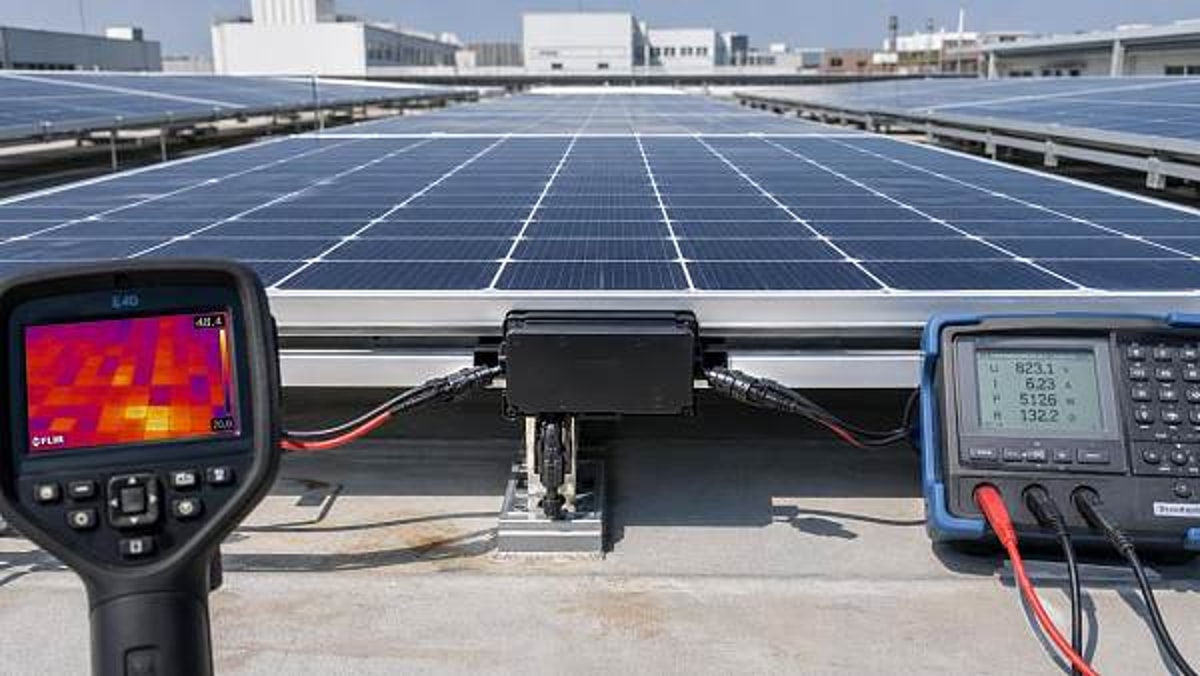
Priority indicators include unexplained string mismatch, recurring hotspots, and seasonal instability. If infrared imaging or electroluminescence testing is available, use it to confirm suspicion. Maintenance teams should also inspect mounting pressure points and any signs that module clamps were applied outside manufacturer zones.
2. Connector resistance and poor crimp quality
A surprisingly common issue is resistive loss at connectors. Even when connectors appear fully seated, incompatible brands, poor crimps, moisture ingress, or oxidation can increase resistance and reduce string performance. In severe cases, this creates heating, intermittent faults, and fire risk. Installers may pass basic continuity checks while missing a connection that degrades under load.
Look for discoloration, brittle seals, uneven cable strain, and thermal anomalies at connector pairs. If output drops during hotter parts of the day, suspect resistance-related loss. For after-sales teams, documenting connector make, crimp tool history, and replacement compatibility is just as important as replacing the damaged part.
3. Bypass diode failure and partial current blocking
Bypass diodes protect modules under partial shading, but when they fail open or short, performance can drop in patterns that resemble shading or aging. A failed diode may affect one section of a module, causing reduced voltage contribution or localized heating. Because the module still produces some power, the fault is often missed until customer complaints increase.
Check junction boxes for overheating signs, compare module IV characteristics if test equipment is available, and review thermal images for segmented heat patterns. For Photovoltaic solar panels operating in high-temperature regions, diode stress should be considered a routine inspection point rather than a rare event.
4. Potential-induced degradation, leakage, and insulation weakness
Potential-induced degradation, often called PID, can reduce output significantly, especially in systems with high voltage, humidity exposure, or unfavorable grounding conditions. It may not produce obvious visual damage. The result is lower insulation resistance, current leakage, and progressive power loss across multiple modules.
Maintenance teams should pay attention when many Photovoltaic solar panels in the same array show a broad but uneven decline. Insulation tests, nighttime recovery analysis, and array design review can help identify whether PID or related leakage effects are involved. If anti-PID measures were not properly designed or maintained, output recovery may require both hardware correction and module-level evaluation.
5. Soiling patterns that are not solved by general cleaning
Not all dirt behaves the same. Uniform dust usually reduces output gradually, but edge buildup, bird droppings, industrial residue, pollen films, salt deposits, and drainage streaks can create partial shading and hotspot risk. In these cases, cleaning schedules based only on appearance are insufficient.
Inspect where contamination accumulates: lower frame edges, near roof exhausts, around nearby roads, or beneath overhanging structures. If certain Photovoltaic solar panels lose output faster than neighboring modules, the issue may be site-specific contamination rather than generalized aging. After-sales teams should record the contamination source, not just the cleaning result.
6. Mismatch caused by replacement modules or uneven aging
Output loss is sometimes created during repairs. A replacement module with different current characteristics, temperature coefficients, or degradation history can limit string performance. Likewise, arrays expanded in phases may contain mixed module generations. The string then performs closer to the weakest current contributor rather than the best-rated module.
Review model numbers, electrical ratings, manufacturing dates, and past replacements. If one section of the system has newer Photovoltaic solar panels but lower-than-expected gain, mismatch may be the real cause. This is especially important in commercial systems where maintenance records are incomplete.
Quick judgment table for field maintenance teams
Use the table below as a practical guide to connect symptoms with likely causes and next actions when Photovoltaic solar panels lose output.
Scenario-based checks: what changes by site type
Rooftop systems
For rooftop Photovoltaic solar panels, hidden shading changes are common. New HVAC equipment, parapet reflections, cable routing pressure, and foot traffic during unrelated roof work can all reduce output. Maintenance teams should inspect for clamp stress, roof drainage patterns, and contamination from nearby vents or construction dust.
Ground-mounted systems
Ground arrays are more exposed to vegetation growth, uneven settling, animal damage, and lower-edge soiling. Seasonal site changes can alter shading and airflow. If multiple Photovoltaic solar panels near the same row end underperform, inspect terrain effects, fence shadow movement, and cable protection condition.
Industrial and coastal environments
Chemical residue, salt mist, and airborne particulates accelerate corrosion and surface contamination. In these environments, standard visual inspections may underestimate the problem. Contact resistance, frame corrosion, and persistent film-type soiling deserve higher priority. Cleaning strategy, material compatibility, and inspection frequency should be adjusted accordingly.
Common mistakes that delay accurate diagnosis
- Comparing output only to nameplate rating instead of actual irradiance and temperature conditions.
- Replacing modules before confirming whether the fault originates from connectors, diodes, or inverter-side issues.
- Assuming a clean-looking module surface means the Photovoltaic solar panels are free from contamination-related loss.
- Ignoring small thermal anomalies because the system is still generating power.
- Overlooking repair history, especially mixed-module strings and prior third-party interventions.
- Failing to document environmental conditions at the time of inspection, which weakens later comparison and reporting.
Execution recommendations for faster and more reliable field service
A good maintenance workflow for Photovoltaic solar panels should move from system-level screening to component-level confirmation. Start with monitoring review, weather alignment, and fault localization. Then combine visual inspection with electrical and thermal checks. If available, use IV curve tracing and insulation testing for confirmation rather than relying on appearance alone.
Build a service record that captures module model, string location, observed symptom, measured values, environmental conditions, and corrective action. This record supports trend analysis across customer sites and helps identify recurring installation quality issues. For companies handling multiple sectors and geographies, structured service data also strengthens knowledge sharing and trust signals in the wider supply chain.
It is also wise to create a trigger threshold for escalation. For example, if a string deviates beyond expected tolerance, if repeated connector failures appear in the same batch, or if broad array decline suggests PID, move the case into advanced diagnostics early. Waiting too long can convert a small energy-loss issue into a warranty dispute or safety event.
What to prepare before discussing a repair plan or technical support request
If you need to confirm parameters, repair scope, compatibility, timeline, budget, or supplier support for underperforming Photovoltaic solar panels, prepare the following information first:
- System age, module brand and model, inverter model, and array voltage architecture.
- Monitoring screenshots or export data showing when the output loss began and whether it is localized or system-wide.
- Site photos of modules, connectors, mounting points, and surrounding shading or contamination sources.
- Measured values from string voltage, current, insulation, thermal scans, or IV tests if available.
- Maintenance history, previous replacements, recent storms, construction activity, or cleaning interventions.
The more complete the field information, the faster experts can determine whether the best next step is cleaning optimization, connector replacement, module swap, system redesign, or a deeper warranty review.
Final takeaway for after-sales maintenance teams
When Photovoltaic solar panels lose output, the biggest risk is not the fault itself but the habit of checking only the obvious causes. Hidden mechanical stress, connector resistance, bypass diode problems, PID effects, advanced soiling patterns, and mismatch after repairs can all reduce performance while escaping routine inspection. A checklist-driven approach gives maintenance personnel a faster path from symptom to root cause.
For teams supporting exporters, importers, manufacturers, EPC partners, or end users across diverse markets, disciplined diagnosis is also a business advantage. It improves service credibility, reduces repeat visits, and helps customers make better decisions about parts, service cycles, and long-term asset value. If further evaluation is needed, prioritize discussion around measured data, affected scope, replacement compatibility, expected recovery, response time, and total maintenance cost before finalizing the solution.
Recommended News
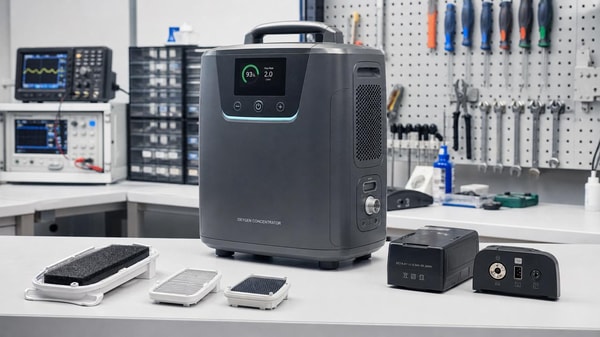
 Portable oxygen concentrators are quieter now, but are they easier to maintain?Portable oxygen concentrators are quieter, but are they easier to maintain? Explore service challenges, scenario-based insights, and smart ways to reduce downtime.
 Interactive whiteboards are underused when training stops after installationInteractive whiteboards often underperform when training ends at installation. Learn how continuous, role-based support boosts adoption, productivity, and ROI.
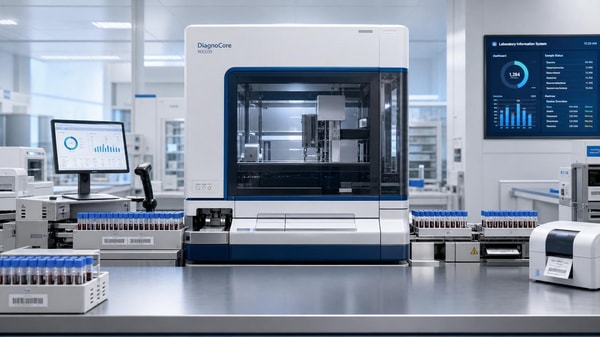
 Medical diagnostic equipment buying mistakes often start with workflow mismatchMedical diagnostic equipment buying mistakes often stem from workflow mismatch. Learn how to assess fit, avoid hidden costs, and choose scalable systems that support real clinical operations.
![]() Eco-friendly building materials can add compliance work, not just green valueEco-friendly building materials can boost sustainability but also add compliance work. Learn how they affect approvals, costs, timelines, and risk across key project scenarios.
Eco-friendly building materials can add compliance work, not just green valueEco-friendly building materials can boost sustainability but also add compliance work. Learn how they affect approvals, costs, timelines, and risk across key project scenarios. Ergonomic workspace design fails when posture is treated as the whole answerErgonomic workspace design fails when posture is the only focus. Learn how integrated planning improves productivity, retention, and workplace performance.
 Outdoor garden supplies demand changes faster than seasonal forecasts suggestOutdoor garden supplies demand is changing faster than seasonal forecasts. Discover key signals, sourcing strategies, and inventory tactics to stay competitive and capture growth.
 Sustainable home decor sells better when the material story is verifiableSustainable home decor wins more buyers when material claims are verifiable. Discover how traceable sourcing, certifications, and clear proof build trust and drive sales.
 Modern office furniture choices can raise complaints instead of comfortModern office furniture can improve productivity—or trigger costly complaints. Learn how to choose ergonomic, durable, flexible office solutions that support comfort and long-term value.
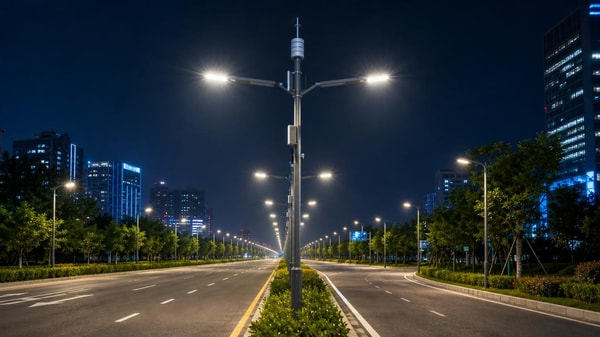
 Smart street lighting saves energy only when controls are tuned properlySmart street lighting saves energy only when controls are tuned to real traffic, safety, and maintenance needs. Learn how proper settings turn connected lighting into measurable ROI.
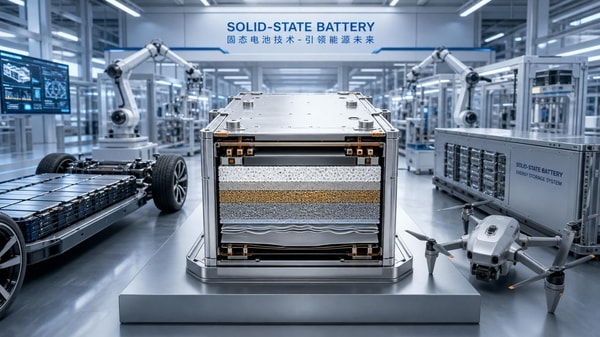
 Solid-state battery breakthroughs are real, but scaling is another storySolid-state battery breakthroughs are real, but scaling remains the real test. Explore where commercialization starts first, what limits adoption, and which markets may gain the earliest edge.
![]() Commercial LED lighting upgrades often disappoint in high-heat spacesCommercial LED lighting often underperforms in high-heat spaces. Learn the hidden causes, warning signs, and smart upgrade choices to improve reliability, safety, and long-term value.
Commercial LED lighting upgrades often disappoint in high-heat spacesCommercial LED lighting often underperforms in high-heat spaces. Learn the hidden causes, warning signs, and smart upgrade choices to improve reliability, safety, and long-term value.![]() Lithium battery storage projects look profitable until thermal risk is priced inLithium battery storage may look highly profitable, but thermal risk can change the real ROI. Discover the hidden costs, insurance impacts, and approval factors investors must assess.
Lithium battery storage projects look profitable until thermal risk is priced inLithium battery storage may look highly profitable, but thermal risk can change the real ROI. Discover the hidden costs, insurance impacts, and approval factors investors must assess. Photovoltaic solar panels lose output for reasons many installers missPhotovoltaic solar panels lose output for more than dirt or age. Discover the hidden faults installers often miss and how smarter troubleshooting restores performance faster.
 Plant-based protein processing: why texture remains the hardest partPlant-based protein processing explained: discover why texture is the toughest challenge, how it affects scale-up and product quality, and what technical teams should evaluate for market-ready success.
 Foldable screen technology still faces a trust gap on long-term durabilityFoldable screen technology still excites buyers, but durability concerns remain. Explore hinge reliability, screen wear, and smart buying tips before choosing a foldable phone.
 Next-gen wireless charging sounds convenient, but what slows real rollout?Next-gen wireless charging looks effortless, but rollout is slowed by cost, efficiency, standards, and safety. Explore where real market value and adoption potential are emerging.
 Wearable technology adoption often stalls over charging habitsWearable technology adoption often slows when charging feels inconvenient. Discover practical buying checks, battery tips, and habit-based insights to choose a device you’ll actually keep using.
 Smart home devices wholesale is shifting from gadgets to ecosystemsSmart home devices wholesale is shifting from single gadgets to connected ecosystems. Learn how compatibility, repeat sales, and supplier strategy create stronger channel growth.
 Agri-PV systems can reduce land conflict, but not in every projectAgri-PV systems can ease land conflict, but only in the right scenarios. Explore where dual-use solar adds value, where risks rise, and how to screen projects before deployment.
![]() Organic fertilizers work slowly, so when do they make economic sense?Organic fertilizers can make strong economic sense when farms value premium pricing, healthier soils, and lower risk. See when slower returns lead to better long-term margins.
Organic fertilizers work slowly, so when do they make economic sense?Organic fertilizers can make strong economic sense when farms value premium pricing, healthier soils, and lower risk. See when slower returns lead to better long-term margins. Smart classroom solutions promise engagement, but what drives daily use?Smart classroom solutions succeed when they fit daily teaching workflows, integrate smoothly, and prove measurable value. Discover what drives real adoption and smarter investment.









Popular Tags
Global Trade Insights & Industry
Our mission is to empower global exporters and importers with data-driven insights that foster strategic growth.
Search News
Popular Tags
Industry Overview
The global commercial kitchen equipment market is projected to reach $112 billion by 2027. Driven by urbanization, the rise of e-commerce food delivery, and strict hygiene regulations.