

Wearable technology adoption often stalls over charging habits
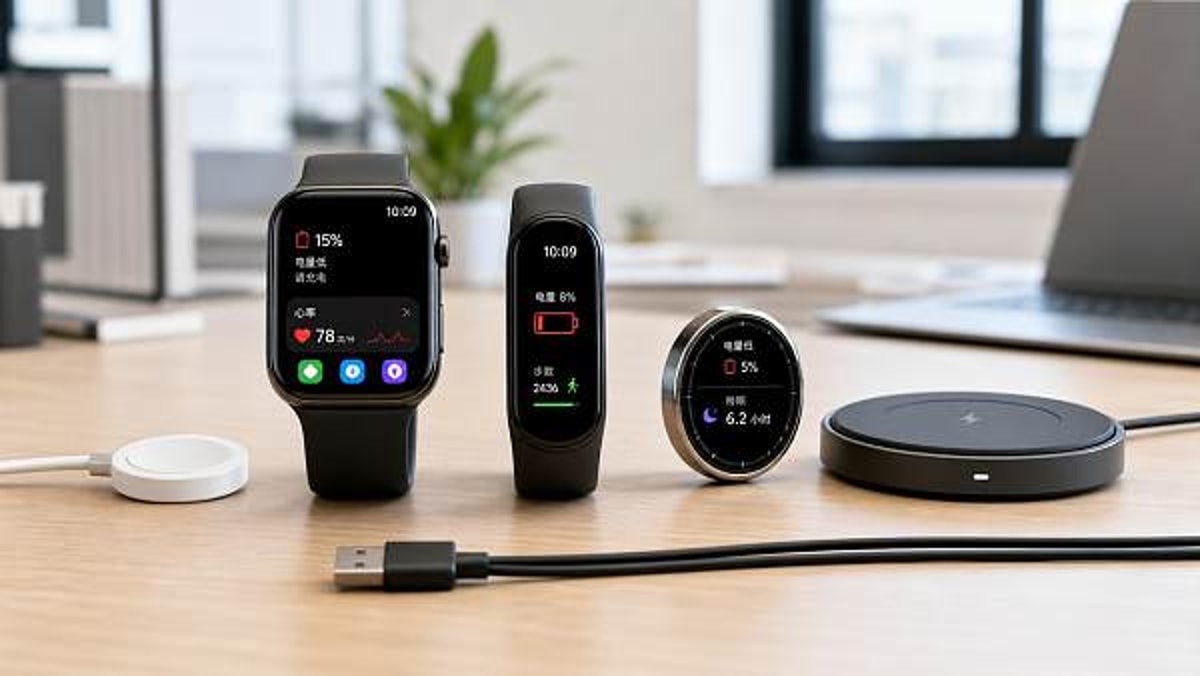
Wearable technology promises convenience, health insights, and seamless connectivity, yet many consumers stop using devices because charging feels inconvenient or easy to forget. As adoption slows over daily power routines, understanding how battery life, charging design, and user habits affect long-term engagement becomes essential for both buyers and the broader market.
Why a checklist matters before buying or keeping a wearable
For most consumers, the problem is not whether wearable technology works. The real question is whether it fits into daily life without creating another task to manage. A smartwatch, fitness band, smart ring, or health tracker can offer strong value on paper, but adoption often weakens when charging becomes a frequent interruption. That is why a checklist approach is more useful than a feature-only review.
Instead of asking only about sensors, apps, or brand image, buyers should first confirm a few practical points: how often the device needs power, how easy it is to recharge, what functions drain the battery fastest, and whether the charging routine matches existing habits. These checks help consumers avoid a common pattern in wearable technology adoption: initial excitement followed by reduced use, drawer storage, and eventual abandonment.
First-pass checklist: the key factors that most affect long-term use
Before choosing wearable technology, prioritize the following checks. These are the items most likely to influence whether a device becomes part of a routine or turns into an occasional gadget.
- Battery life in real use: Ignore best-case marketing claims and look for realistic estimates with notifications, health monitoring, GPS, and screen activity turned on.
- Charging frequency: A device that needs daily charging may be acceptable for some users, but frustrating for those who want sleep tracking or all-day health data.
- Charging speed: Fast top-ups reduce friction. If 15 to 30 minutes can restore meaningful usage time, missed charging sessions become less damaging.
- Charging method: Magnetic puck, proprietary cable, wireless dock, or USB direct charging all create different levels of convenience and replacement risk.
- Portability of the charger: Many wearable technology users stop wearing devices when they travel and forget a specialized charger that cannot be easily replaced.
- Battery impact on core features: Continuous heart-rate monitoring, blood oxygen tracking, always-on display, LTE, and GPS can sharply reduce battery life.
- Fit with sleep tracking goals: If the device must be worn overnight, charging windows become limited, so recharge timing matters more than in other electronics.
- Long-term battery aging: Over time, reduced battery capacity can turn an acceptable charging cycle into a disruptive one.
How to judge charging convenience, not just battery size
Many consumers compare battery capacity or quoted battery days, but that alone does not explain charging frustration. The better standard is charging convenience. In wearable technology, convenience is a combination of frequency, timing flexibility, charger accessibility, and recovery speed.
For example, a device that lasts only two days may still feel manageable if it charges quickly while showering. Meanwhile, a device that lasts five days can feel more annoying if it requires a unique charging dock that is easy to misplace. The emotional burden of remembering and preparing to charge is often what slows adoption, not the battery specification itself.
A simple consumer test
Use this rule: if charging the device requires changing your schedule, the friction is high. If charging fits naturally into an existing habit, such as showering, desk work, or bedtime device placement, the friction is lower. This practical test often predicts whether wearable technology will remain in regular use after the first month.
Scenario-based checks: what matters for different users
Not all consumers use wearable technology in the same way. The charging issue becomes more or less serious depending on the purpose of the device.
For fitness-focused users
- Check battery life with GPS active, not just standby mode.
- Confirm whether heart-rate monitoring and workout tracking can run through long sessions.
- Assess whether charging after every workout feels realistic.
- Review how quickly the battery drops during outdoor runs, cycling, or hiking.
For health and sleep tracking users
- Prioritize devices with enough power for overnight wear.
- Check whether charging can be done during morning routines without losing daytime metrics.
- Look for low-battery alerts that provide enough notice before sleep time.
- Consider whether skin comfort changes when charging needs reduce wear consistency.
For notification and productivity users
- Measure battery impact from frequent screen wake-ups and app alerts.
- Check whether daily charging competes with phone charging habits.
- Evaluate if the benefit of quick access actually outweighs another device to maintain.
Practical comparison table for wearable technology buyers
The table below can help consumers compare wearable technology options using charging-related decision points rather than only headline features.
Common warning signs consumers often overlook
Several small issues can quietly undermine wearable technology adoption even when the device performs well at first.
- Charging depends on a single proprietary accessory. If the charger is lost, use can pause for days.
- Battery anxiety changes usage behavior. Users may disable health features, reduce screen use, or avoid workouts to preserve power, which lowers product value.
- Short battery life disrupts data continuity. Gaps in sleep, wellness, or training data reduce the reason for wearing the device in the first place.
- Travel exposes the weakness of the charging routine. A product that works at home may become easy to abandon during business trips or vacations.
- Battery decline appears gradually. What feels acceptable at purchase may become inconvenient after a year of use.
How consumers can improve adoption without changing devices
If you already own wearable technology and use it inconsistently, a few habit adjustments can reduce charging friction.
- Set one fixed charging window each day or every other day, linked to an existing activity such as showering or morning desk setup.
- Keep a second charger in a bag or office if the product supports affordable extras.
- Turn off battery-intensive features that do not match your real priorities.
- Use low-battery alerts proactively rather than waiting for shutdown.
- Review whether your main goal is fitness, sleep, notifications, or health insights, then optimize settings for that purpose.
These steps matter because wearable technology is highly sensitive to routine design. Unlike a phone, it often has less battery tolerance and fewer universal charging options, so consistency matters more.
What this trend means for the broader market
Charging friction is not just a personal inconvenience. It has wider implications for product reviews, repeat purchases, word-of-mouth, and market growth. Consumers increasingly expect wearable technology to be less intrusive than traditional electronics. If charging feels demanding, the product may fail even if its sensors and software are strong.
For information platforms serving global trade and industrial audiences, this pattern is important because it shapes product positioning, component demand, accessory strategy, and cross-market consumer expectations. Battery innovation, charging ecosystem design, and usability messaging are becoming major trust signals in the consumer technology category. Products that reduce maintenance friction are more likely to sustain engagement and generate stronger long-term demand.
Final action checklist before you choose wearable technology
Before you buy, compare, or continue using wearable technology, confirm these final points:
- How many days of battery life do real users report with the features you actually want?
- Can the device be charged during a natural break in your day?
- Will you lose key value, such as sleep tracking or workout logging, because of charging timing?
- Is the charger easy to replace, carry, and remember?
- Will battery performance still feel acceptable after months of regular use?
If you want to go one step further before making a decision, prioritize questions about battery duration under real conditions, charger compatibility, feature-specific power drain, travel practicality, expected battery aging, and total accessory cost. For consumers comparing products and for businesses evaluating market demand, those are the issues most likely to determine whether wearable technology becomes a lasting habit or a stalled purchase.
Recommended News
 Portable oxygen concentrators are quieter now, but are they easier to maintain?Portable oxygen concentrators are quieter, but are they easier to maintain? Explore service challenges, scenario-based insights, and smart ways to reduce downtime.
 Interactive whiteboards are underused when training stops after installationInteractive whiteboards often underperform when training ends at installation. Learn how continuous, role-based support boosts adoption, productivity, and ROI.
 Medical diagnostic equipment buying mistakes often start with workflow mismatchMedical diagnostic equipment buying mistakes often stem from workflow mismatch. Learn how to assess fit, avoid hidden costs, and choose scalable systems that support real clinical operations.
![]() Eco-friendly building materials can add compliance work, not just green valueEco-friendly building materials can boost sustainability but also add compliance work. Learn how they affect approvals, costs, timelines, and risk across key project scenarios.
Eco-friendly building materials can add compliance work, not just green valueEco-friendly building materials can boost sustainability but also add compliance work. Learn how they affect approvals, costs, timelines, and risk across key project scenarios. Ergonomic workspace design fails when posture is treated as the whole answerErgonomic workspace design fails when posture is the only focus. Learn how integrated planning improves productivity, retention, and workplace performance.
 Outdoor garden supplies demand changes faster than seasonal forecasts suggestOutdoor garden supplies demand is changing faster than seasonal forecasts. Discover key signals, sourcing strategies, and inventory tactics to stay competitive and capture growth.
 Sustainable home decor sells better when the material story is verifiableSustainable home decor wins more buyers when material claims are verifiable. Discover how traceable sourcing, certifications, and clear proof build trust and drive sales.
 Modern office furniture choices can raise complaints instead of comfortModern office furniture can improve productivity—or trigger costly complaints. Learn how to choose ergonomic, durable, flexible office solutions that support comfort and long-term value.
 Smart street lighting saves energy only when controls are tuned properlySmart street lighting saves energy only when controls are tuned to real traffic, safety, and maintenance needs. Learn how proper settings turn connected lighting into measurable ROI.
 Solid-state battery breakthroughs are real, but scaling is another storySolid-state battery breakthroughs are real, but scaling remains the real test. Explore where commercialization starts first, what limits adoption, and which markets may gain the earliest edge.
![]() Commercial LED lighting upgrades often disappoint in high-heat spacesCommercial LED lighting often underperforms in high-heat spaces. Learn the hidden causes, warning signs, and smart upgrade choices to improve reliability, safety, and long-term value.
Commercial LED lighting upgrades often disappoint in high-heat spacesCommercial LED lighting often underperforms in high-heat spaces. Learn the hidden causes, warning signs, and smart upgrade choices to improve reliability, safety, and long-term value.![]() Lithium battery storage projects look profitable until thermal risk is priced inLithium battery storage may look highly profitable, but thermal risk can change the real ROI. Discover the hidden costs, insurance impacts, and approval factors investors must assess.
Lithium battery storage projects look profitable until thermal risk is priced inLithium battery storage may look highly profitable, but thermal risk can change the real ROI. Discover the hidden costs, insurance impacts, and approval factors investors must assess. Photovoltaic solar panels lose output for reasons many installers missPhotovoltaic solar panels lose output for more than dirt or age. Discover the hidden faults installers often miss and how smarter troubleshooting restores performance faster.
 Plant-based protein processing: why texture remains the hardest partPlant-based protein processing explained: discover why texture is the toughest challenge, how it affects scale-up and product quality, and what technical teams should evaluate for market-ready success.
 Foldable screen technology still faces a trust gap on long-term durabilityFoldable screen technology still excites buyers, but durability concerns remain. Explore hinge reliability, screen wear, and smart buying tips before choosing a foldable phone.
 Next-gen wireless charging sounds convenient, but what slows real rollout?Next-gen wireless charging looks effortless, but rollout is slowed by cost, efficiency, standards, and safety. Explore where real market value and adoption potential are emerging.
 Wearable technology adoption often stalls over charging habitsWearable technology adoption often slows when charging feels inconvenient. Discover practical buying checks, battery tips, and habit-based insights to choose a device you’ll actually keep using.
 Smart home devices wholesale is shifting from gadgets to ecosystemsSmart home devices wholesale is shifting from single gadgets to connected ecosystems. Learn how compatibility, repeat sales, and supplier strategy create stronger channel growth.
 Agri-PV systems can reduce land conflict, but not in every projectAgri-PV systems can ease land conflict, but only in the right scenarios. Explore where dual-use solar adds value, where risks rise, and how to screen projects before deployment.
![]() Organic fertilizers work slowly, so when do they make economic sense?Organic fertilizers can make strong economic sense when farms value premium pricing, healthier soils, and lower risk. See when slower returns lead to better long-term margins.
Organic fertilizers work slowly, so when do they make economic sense?Organic fertilizers can make strong economic sense when farms value premium pricing, healthier soils, and lower risk. See when slower returns lead to better long-term margins. Smart classroom solutions promise engagement, but what drives daily use?Smart classroom solutions succeed when they fit daily teaching workflows, integrate smoothly, and prove measurable value. Discover what drives real adoption and smarter investment.











Popular Tags
Global Trade Insights & Industry
Our mission is to empower global exporters and importers with data-driven insights that foster strategic growth.
Search News
Popular Tags
Industry Overview
The global commercial kitchen equipment market is projected to reach $112 billion by 2027. Driven by urbanization, the rise of e-commerce food delivery, and strict hygiene regulations.