

What Makes a Reliable Industrial Supplier in 2026
In 2026, a reliable industrial supplier is no longer defined by low pricing alone. For procurement teams, distributors, and business evaluators, the real differentiators are supply stability, compliance readiness, quality consistency, digital transparency, and the ability to adapt to market shifts across sectors such as personal protective equipment, agricultural machinery, water treatment, thermoplastics, food processing, and industrial robots. The best suppliers reduce operational risk, improve planning confidence, and support long-term margin protection in an increasingly volatile global trade environment.
For most buyers, the core search intent behind this topic is practical: how to identify a supplier that can deliver consistently, stay compliant, respond quickly, and remain commercially viable over time. What matters most is not theory, but a clear framework for evaluation. That means looking at measurable indicators—lead times, defect rates, export capability, certification validity, communication quality, and market reputation—rather than relying on brochures or price lists.
What Buyers Really Mean by a “Reliable Industrial Supplier” in 2026
A reliable industrial supplier is one that helps your business operate with fewer surprises. In practical terms, reliability means the supplier can repeatedly meet specifications, deliver on schedule, maintain transparent communication, and manage disruptions without compromising product quality or contractual commitments.
In 2026, reliability has become a multi-layered standard. Buyers are evaluating suppliers not just on manufacturing output, but on whether they can support resilient sourcing strategies. This includes:
- Stable production capacity during demand spikes or raw material fluctuations
- Documented quality systems that reduce inconsistency and claims risk
- Regulatory and export compliance across multiple destination markets
- Financial and operational resilience that lowers the chance of sudden disruption
- Digital responsiveness for faster coordination, tracking, and issue resolution
- Market credibility visible through industry presence, customer references, and trade visibility
For industrial sourcing, reliability is closely tied to business continuity. A cheaper supplier that causes late shipments, compliance failures, or unstable quality is often far more expensive in total cost than a supplier with stronger systems and higher consistency.
Why Price-Only Sourcing Is Increasingly Risky
Industrial buyers have long been pressured to secure lower unit costs, but the 2026 market environment has made price-only decisions far more dangerous. Global sourcing now faces more variables: geopolitical shifts, logistics bottlenecks, changing environmental rules, labor compliance scrutiny, and uneven raw material availability. In this context, the lowest quote may hide the highest downstream risk.
Common hidden costs of choosing the wrong supplier include:
- Production downtime caused by delayed deliveries
- Product returns and warranty claims from inconsistent quality
- Customs delays due to incomplete or invalid documentation
- Reputational damage from non-compliance or poor sustainability practices
- Higher administrative workload from repeated follow-up and correction
- Lost sales opportunities when inventory cannot be replenished on time
This is especially relevant across cross-sector procurement. Whether sourcing water treatment components, food processing equipment, or industrial robots, the purchasing decision affects not only procurement cost but also installation schedules, service obligations, distributor confidence, and end-user satisfaction.
The Most Important Criteria for Evaluating Supplier Reliability
Buyers need a practical evaluation model. The following criteria are among the most useful when screening and comparing industrial suppliers in 2026.
1. Consistent Product Quality
Quality consistency remains the first test of reliability. A supplier should be able to show repeatability across batches, clear inspection standards, and traceable quality records. Ask for recent quality reports, testing protocols, non-conformance handling procedures, and examples of corrective actions taken in the past.
In sectors like thermoplastics, PPE, or machinery components, even small deviations can create major downstream problems. Reliable suppliers understand tolerance control, material integrity, and packaging protection—not just output volume.
2. On-Time Delivery Performance
A reliable supplier does not simply promise fast lead times; they consistently hit agreed delivery windows. Ask for historical on-time delivery data, standard production lead times, peak-season performance, and contingency plans for delays. The best suppliers are proactive in updating buyers before problems escalate.
3. Compliance and Certification Readiness
Industrial procurement increasingly depends on market-specific compliance. Depending on the product and destination, buyers may need ISO documentation, CE marking support, test certificates, food-grade compliance, environmental declarations, or worker safety documentation. Reliable suppliers maintain current certifications and understand which documents are needed for international trade.
This matters particularly for regulated categories such as protective equipment, food processing systems, and water treatment products, where non-compliance can block market access entirely.
4. Communication Efficiency
One of the clearest signals of supplier quality is communication discipline. Do they answer technical questions accurately? Do they clarify specification risks early? Do they provide complete quotations and documentation? Delayed or vague communication often predicts larger operational problems later.
5. Capacity and Scalability
Many suppliers perform well on trial orders but struggle when volume grows. Buyers should verify actual production capacity, subcontracting dependence, equipment utilization, and expansion capability. For distributors and agents, this is critical: growth requires a supplier that can scale without damaging quality or delivery performance.
6. Financial and Operational Stability
Reliability also depends on whether the supplier can remain operational under pressure. Warning signs may include unstable pricing, erratic staffing, sudden ownership changes, poor documentation control, or inconsistent export activity. A financially stable supplier is generally better equipped to absorb shocks and maintain service.
How to Verify a Supplier Instead of Trusting Claims
Many supplier profiles look strong on paper. The challenge is validation. Buyers should use a layered verification approach before making strategic sourcing decisions.
Useful verification methods include:
- Factory audits to assess production systems, quality control, and management discipline
- Sample testing to verify material quality, fit, performance, or processing consistency
- Document checks for certifications, business licenses, export history, and inspection records
- Reference checks with current or past customers in similar markets
- Trial orders to test execution under real commercial conditions
- Digital footprint review to evaluate market visibility, reputation, and industry activity
A supplier’s online presence is becoming more relevant in 2026. Reliable suppliers are often easier to verify because they leave consistent signals across trade portals, industry news, export records, content visibility, and third-party mentions. Strong market visibility does not replace due diligence, but it does help buyers assess legitimacy and commercial seriousness.
What Reliability Looks Like Across Different Industrial Sectors
Although the core principles remain similar, supplier reliability should be judged in a sector-specific way.
Personal Protective Equipment
Here, compliance, batch consistency, and certification validity are essential. Buyers should focus on testing records, material traceability, and the supplier’s ability to maintain standards during volume surges.
Agricultural Machinery
Reliability often depends on spare parts availability, mechanical durability, after-sales support, and adaptation to local operating conditions. A supplier with poor service capability may create major field performance issues later.
Water Treatment
Buyers should prioritize technical precision, regulatory understanding, corrosion resistance, and long-term operational stability. Documentation and system compatibility are often as important as the product itself.
Thermoplastics
Material consistency, formulation control, processing performance, and supply continuity are critical. Any fluctuation in resin quality can affect the buyer’s manufacturing outcomes.
Food Processing Equipment
Hygiene standards, surface treatment quality, cleanability, food-contact compliance, and maintenance support are central. Reliability here directly affects plant safety and operational uptime.
Industrial Robots
For robotics suppliers, reliability goes beyond hardware. It includes software support, integration expertise, spare parts service, training, and long-term maintenance capacity. Buyers need to assess lifecycle support, not just machine specifications.
Key Red Flags That Suggest a Supplier May Not Be Dependable
Some warning signs appear early if buyers know where to look. These red flags should trigger deeper review:
- Frequent price changes without clear explanation
- Slow or incomplete technical responses
- Outdated or unverifiable certifications
- Reluctance to provide references or factory information
- Inconsistent sample quality
- Overpromising on lead times or customization
- No clear process for complaints or corrective action
- Weak digital presence despite claiming significant export volume
Not every red flag means immediate disqualification, but several together usually indicate elevated sourcing risk.
How Distributors and Procurement Teams Can Build a Better Supplier Shortlist
For teams evaluating multiple industrial suppliers, the best approach is to use a weighted scorecard rather than informal comparison. This helps align stakeholders and reduce subjective decision-making.
A practical supplier scorecard may include:
- Quality system maturity
- Compliance readiness
- Delivery performance
- Price competitiveness
- Technical support capability
- Export experience
- Communication responsiveness
- Market reputation and trust signals
- Scalability for future demand
This is where market intelligence platforms become especially valuable. Buyers, distributors, and business evaluators need more than supplier lists—they need context. Access to industry updates, trade visibility, sector trends, and comparative market signals allows decision-makers to identify which suppliers are merely available and which are truly dependable.
For global B2B sourcing, trusted information ecosystems such as GTIIN and TradeVantage support this process by aggregating industrial intelligence, trade developments, and sector-specific visibility signals that help buyers make more informed supplier assessments. In a market where trust must increasingly be validated, access to reliable business information becomes a competitive advantage in itself.
Final Takeaway: Reliability Is a Strategic Advantage, Not Just a Supplier Trait
In 2026, a reliable industrial supplier is one that protects your operations, supports compliance, communicates clearly, and performs consistently under changing market conditions. For procurement professionals, distributors, and commercial evaluators, the right supplier relationship reduces uncertainty and improves long-term business resilience.
The smartest sourcing decisions are made when buyers look beyond pricing and evaluate the full risk and value profile of a supplier. Quality consistency, delivery discipline, transparency, certification readiness, and verified market credibility now define supplier reliability far more than cost alone. Businesses that use these criteria to screen industrial suppliers will be in a stronger position to manage disruption, protect margins, and build more durable supply chains.
Recommended News
 EU CBAM Carbon Tariff Starts Oct 2026 for Chinese Battery, Cement, Chemical ExportsEU CBAM carbon tariff hits Chinese battery, cement & chemical exports from Oct 2026 — mandatory emissions reporting starts now. Avoid €98/t default fees.
 Mexico NOM-019-SCFI-2026 Effective: Automotive Electronics Require New EMC CertificationMexico NOM-019-SCFI-2026 takes effect May 1, 2026 — new EMC certification mandatory for automotive electronics, EV accessories & aftermarket parts entering Mexico.
 Vietnam Suspends China Irrigation Equipment SASO Mutual RecognitionVietnam suspends China irrigation equipment SASO mutual recognition—urgent QCVN certification now required for drip tapes, sprinklers & smart controllers.
 Red Sea Diversion Normalized; Asia-Europe Freight Premium at $1,850/TEURed Sea diversion normalized: Asia-Europe freight premium holds at $1,850/TEU — impacting manufacturing, retail & procurement. Act now to optimize costs & resilience.
 FDA Drafts AI Bias Assessment Rule for Imported Medical DevicesFDA's new AI bias assessment rule for imported medical devices demands third-party verified fairness reports—act now to prep your 510(k)/De Novo submissions.
 TÜV Rheinland Updates CE Requirements for Servo DrivesTÜV Rheinland updates CE requirements for servo drives: integrated PLd + EN 61800-3 validation mandatory from July 1, 2026. Act now to avoid EU market delays!
 SABER Phase II Launch: Building Hardware Must Submit Digital Type Test Reports & Unique Product IDsSABER Phase II is live: Building hardware exporters must now submit digital type test reports & secure unique SABER Product IDs—avoid customs delays. Act now!
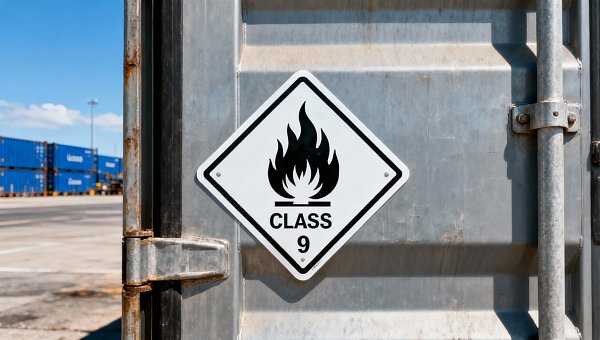
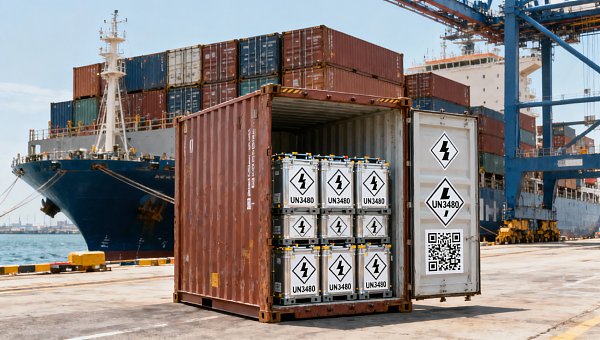
 IMDG Code 41-24 Enforced: New UN3480 Class 9 Label for Lithium Battery Sea FreightIMDG Code 41-24 enforced: UN3480 Class 9 label now mandatory for lithium battery sea freight — avoid delays in US, EU, UAE & Chile ports.
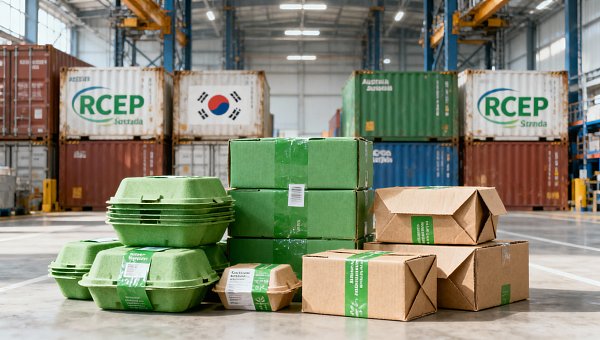
 RCEP Green Packaging Mutual Recognition Takes EffectRCEP Green Packaging Mutual Recognition takes effect Apr 21, 2026—unlock faster customs clearance for compostable, recycled & bio-based packaging in AU, NZ, JP, KR.
 China’s 10-Dept AI Ethics Review Rule for Exported AI DevicesChina’s 10-dept AI ethics review rule mandates algorithmic bias assessments for exported AI devices—key for EU, ME & SEA markets. Stay compliant ahead of enforcement.
 US CPSC Updates Child Sleep Sack Standard Effective July 2026US CPSC updates child sleep sack standard with new DSST test—mandatory for all U.S.-bound infant sleep sacks from July 2026. Act now to ensure compliance and market access.
 Red Sea Rerouting Pushes Asia-Europe Freight Premium to $1,850/TEURed Sea rerouting pushes Asia-Europe freight premium to $1,850/TEU—impacting importers, manufacturers & logistics providers. Act now to reassess costs, lead times & contracts.
 Mexico NOM-019-SCFI-2026 Effective May 1, 2026: EMC Certification Mandatory for Auto ElectronicsNOM-019-SCFI-2026 EMC certification is now mandatory for auto electronics in Mexico—effective May 1, 2026. Ensure compliance for infotainment, ADAS, OBD-II & more.
") TÜV Rheinland Updates CE Requirements for Servo Drives (PLd + EMC Class 3)TÜV Rheinland updates CE requirements for servo drives: PLd + EMC Class 3 joint validation mandatory from Q3 2026. Act now to avoid delays, rejections, or compliance risks.
TÜV Rheinland Updates CE Requirements for Servo Drives (PLd + EMC Class 3)TÜV Rheinland updates CE requirements for servo drives: PLd + EMC Class 3 joint validation mandatory from Q3 2026. Act now to avoid delays, rejections, or compliance risks. SABER Phase II Launch: Building Hardware Must Submit Digital e-CoC & UPISABER Phase II mandates digital e-CoC & UPI for building hardware imports to Saudi Arabia—act now to ensure customs clearance and market access.
 FDA AI Diagnostic Device Draft Rules: Bias Assessment for ImportsFDA AI diagnostic device draft rules mandate bias assessment for imports — discover how algorithmic fairness impacts 510(k)/De Novo submissions and what to do now.
 RCEP Green Packaging Mutual Recognition Starts June 1, 2026RCEP Green Packaging Mutual Recognition starts June 1, 2026 — unlock faster exports to Australia, NZ, Japan & Korea with GB/T 37572-2025 certification.
 Vietnam Suspends SASO Mutual Recognition for Chinese Irrigation EquipmentVietnam suspends SASO mutual recognition for Chinese irrigation equipment—impacting exporters, testers & suppliers. Act now to avoid 6–8 week delays & 35% cost hikes.
 IMDG Code 41-24 Enforces UN3480 Class 9 Labeling for Li-ion Battery Sea FreightIMDG Code 41-24 enforces UN3480 Class 9 labeling for Li-ion battery sea freight—learn mandatory QR labels, compliance actions & port enforcement risks.
 EU CBAM Enters Enforcement Phase on April 1, 2026EU CBAM enforcement starts April 1, 2026 — critical for Chinese battery materials, construction profiles & industrial coatings exporters. Act now to avoid customs delays.
 Mexico Enforces NOM-019-SCFI-2026 EMC Certification for Auto Electronics from May 2026Mexico enforces NOM-019-SCFI-2026 EMC certification for auto electronics from May 2026 — mandatory local testing, stricter standards, and urgent compliance action required.


















Popular Tags
Global Trade Insights & Industry
Our mission is to empower global exporters and importers with data-driven insights that foster strategic growth.
Search News
Popular Tags
Industry Overview
The global commercial kitchen equipment market is projected to reach $112 billion by 2027. Driven by urbanization, the rise of e-commerce food delivery, and strict hygiene regulations.