

Precision farming drones can miss the point if field data is inconsistent
Precision farming drones promise sharper decisions and higher field efficiency, but their value drops fast when input data is fragmented, delayed, or unreliable. For project managers responsible for rollout, budgeting, and measurable outcomes, inconsistent field data can turn advanced aerial systems into underperforming assets. Understanding this gap is essential to making drone-enabled agriculture scalable, accurate, and strategically effective.
Why Precision farming drones often underdeliver in real projects
On paper, Precision farming drones can map fields, detect crop stress, support variable-rate application, and shorten response time. In practice, the drone is only one layer in a broader operational chain that includes field sampling, weather logs, machinery records, operator inputs, GIS references, and farm management software. If those inputs do not align, the final recommendation may look precise while being operationally wrong.
This is the central project risk for engineering leads and program owners: they may approve an aerial platform based on camera quality, endurance, or flight automation, yet the weak point sits upstream in data governance and downstream in execution. A drone can capture imagery at centimeter-level resolution, but that does not automatically produce decision-grade insight.
- Different field teams record crop stages using inconsistent naming conventions, making trend comparison unreliable across sites.
- Ground-truth sampling is skipped or delayed, so aerial anomalies cannot be validated before action is taken.
- Boundary files, drainage zones, and historical yield maps are stored in separate systems with mismatched coordinates or outdated versions.
- Application teams receive drone outputs too late to align with spraying, irrigation, or labor scheduling windows.
For project managers, that means the business case for Precision farming drones should be evaluated less as a hardware purchase and more as a workflow integration program. The strongest return usually comes from reducing avoidable rework, improving field-level consistency, and making recommendations executable within the crop cycle.
The difference between image quality and decision quality
A high-resolution image can still produce poor outcomes if timestamps are wrong, if cloud cover affects comparability, if calibration is inconsistent, or if the agronomic baseline is missing. Decision quality depends on context, not just capture quality. That is why many agricultural digitalization projects stall after an impressive pilot phase.
What inconsistent field data looks like across the agricultural workflow
Project teams often describe data inconsistency as a technical issue, but it usually appears as an operational mismatch. The table below shows where Precision farming drones lose value when field information is incomplete or out of sync with actual farm processes.
The pattern is clear: Precision farming drones rarely fail because the drone cannot fly. They fail because information continuity is weak. That is a critical distinction for managers preparing budgets, vendor scopes, and rollout milestones across multiple farms or regions.
Why this matters in a cross-sector supply chain context
Agriculture does not operate in isolation. Input suppliers, food processors, logistics planners, and export stakeholders increasingly depend on better forecasting and more transparent field conditions. When field data quality is unstable, the effect travels beyond agronomy. Procurement timing, storage planning, quality assurance, and contract commitments all become harder to manage.
This is where a global B2B intelligence platform adds value. TradeVantage and GTIIN help decision-makers connect equipment choices with broader market conditions, technology shifts, sourcing risks, and regional deployment trends. For project leaders comparing drone-related investments across borders, access to structured industry intelligence shortens the path from technical promise to scalable implementation.
Which deployment scenarios make Precision farming drones most vulnerable to bad data
Not every project carries the same exposure. Some use cases tolerate moderate data inconsistency. Others depend on disciplined field records and fast execution. Before procurement or expansion, project teams should map risk by scenario rather than assuming one drone workflow fits every crop, geography, or operational model.
High-risk scenarios
- Large multi-site programs where field boundaries, crop calendars, and local operating habits vary widely.
- Projects built around variable-rate application, where wrong zone definitions can lead directly to cost overruns or crop performance loss.
- Short intervention windows, such as pest flare-ups or irrigation stress, where data latency destroys the practical value of aerial insights.
- Programs requiring integration with external partners, including contractors, machinery operators, or export-oriented quality teams.
More forgiving scenarios
- Trial plots and pilot farms focused on visual scouting rather than automated prescriptions.
- Stable field environments with repeatable crop patterns and well-maintained GIS layers.
- Programs where drone imagery supplements, rather than drives, operational decisions.
This scenario-based view helps engineering and operations managers phase deployment realistically. It also prevents overspending on aircraft capacity before the data foundation is ready.
How to evaluate drone projects: aircraft features versus data readiness
Buyers often compare Precision farming drones on payload, endurance, RTK support, sensor type, and software interface. Those factors matter, but they should be tested against data readiness. The following comparison is useful when preparing technical evaluations or supplier discussions.
The main lesson is practical. A technically superior drone may still be the wrong choice if the project lacks consistent plot IDs, reference data, and action protocols. For managers defending capital expenditure, operational fit usually matters more than top-spec marketing claims.
A better selection checklist for project owners
- Define the business decision first: scouting, prescription support, compliance documentation, or crop insurance support.
- Audit field data sources before issuing a procurement request.
- Test whether outputs can be validated on the ground within the required response window.
- Confirm how results will be consumed by machinery operators, agronomists, and management.
- Estimate integration labor, not only equipment cost.
What project managers should ask before scaling Precision farming drones
Scaling from pilot to program is where weak assumptions show up. A successful demo flight over one farm does not prove enterprise readiness. Project managers should push for implementation questions that expose hidden bottlenecks early.
Core questions for rollout planning
- Who owns field data standards, and are naming rules consistent across farms, seasons, and contractor teams?
- How quickly can imagery be processed, checked, and translated into a field action that operations can still use?
- What happens when drone findings conflict with scouting notes or historical records?
- Are there aviation, privacy, or local operating restrictions that change deployment economics by region?
- Can current teams maintain calibration, documentation, and data storage discipline during peak season?
These questions reduce the chance of buying a sophisticated aerial system that becomes underused after the first season. They also improve supplier conversations by moving the discussion from brochure features to execution readiness.
Cost, alternatives, and where the real ROI comes from
The cost discussion around Precision farming drones often focuses too narrowly on aircraft price. For project leaders, the real comparison should include data preparation, software compatibility, staff time, field validation, maintenance planning, and seasonal utilization rates. In some operations, a hybrid model creates better ROI than full internal ownership from day one.
The table below compares common operating approaches and shows where data consistency has the strongest financial effect.
For many buyers, the hybrid model reduces exposure. It allows them to build internal data discipline first while retaining flexibility during seasonal peaks. That is often a more defensible path than buying maximum capacity upfront.
Compliance, standards, and implementation controls that should not be overlooked
Precision farming drones operate at the intersection of aviation practice, digital data handling, and agricultural operations. The exact requirements vary by market, but project teams should review several control areas before launch.
- Local unmanned aircraft rules, including pilot competency, operating altitude, no-fly zones, and visual line-of-sight limits where applicable.
- Data handling procedures for field records, geospatial files, and any commercially sensitive production information.
- Calibration and documentation controls so that imagery from different dates or operators remains comparable.
- Integration checks for file formats used by agronomic software and variable-rate machinery systems.
Compliance should not be treated as a final checklist item. It affects scheduling, staffing, insurance assumptions, and the pace of regional expansion. For exporters and multinational agribusinesses, that matters even more because cross-border sourcing and reporting requirements can increase documentation demands.
FAQ: practical decisions around Precision farming drones
How do I know whether our field data is good enough for Precision farming drones?
Start with four checks: stable field boundaries, consistent plot naming, usable historical records, and a routine for ground validation. If any of these are missing, your drone program may still work for visual scouting, but it will struggle to support repeatable prescriptions or multi-site benchmarking.
Should we buy drones first and fix data later?
Usually no. A limited pilot may be justified, but full procurement before data cleanup often creates disappointing utilization rates. In most cases, it is better to align data fields, workflow ownership, and output requirements before scaling hardware investment.
What is the most common mistake in procurement?
Overweighting sensor sophistication while underestimating integration work. Many teams compare cameras in detail but spend too little time testing whether recommendations can move smoothly into farm management systems, machinery controllers, or decision meetings.
Are Precision farming drones suitable for smaller operations?
Yes, but the operating model may differ. Smaller farms often benefit more from service providers or cooperative access arrangements than from direct ownership. The key is to match frequency of need, available staff time, and data handling discipline to the scale of investment.
Why better market intelligence improves implementation decisions
Precision farming drones are part of a larger modernization curve that includes sensors, analytics, machinery interoperability, and international sourcing. Project managers do not just need product brochures. They need context: which regions are scaling faster, where supplier ecosystems are maturing, how compliance trends are shifting, and which deployment models are proving durable under commercial pressure.
GTIIN and TradeVantage support that broader view by aggregating real-time B2B information, industrial trend analysis, and supply chain intelligence across more than 50 sectors. For teams evaluating drone-enabled agriculture, that means a stronger basis for comparing vendors, interpreting market signals, anticipating sourcing risks, and aligning technical choices with long-term trade and growth goals.
Why choose us for research, supplier visibility, and next-step planning
If your organization is assessing Precision farming drones, the right next step is not only product comparison. It is structured decision support. Through GTIIN and TradeVantage, you can explore industry intelligence that connects field technology with supply chain realities, regional market developments, and partner discovery opportunities.
- Request support in comparing deployment models, from in-house ownership to hybrid sourcing strategies.
- Discuss supplier visibility needs, including how foreign trade enterprises can strengthen brand exposure and attract qualified B2B attention.
- Confirm what market signals to monitor before expanding procurement across regions, crop types, or seasonal programs.
- Review information needs tied to integration planning, delivery timing, compliance expectations, and vendor shortlisting.
Contact us if you want help narrowing solution options, validating supplier positioning, clarifying rollout risks, or building a more informed procurement path around Precision farming drones. Clearer data and clearer market intelligence together create better outcomes than hardware decisions alone.
Recommended News
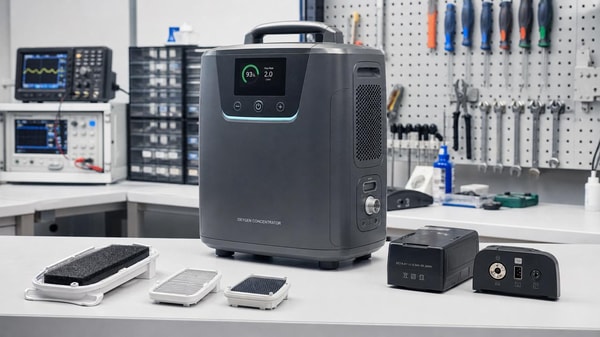
 Portable oxygen concentrators are quieter now, but are they easier to maintain?Portable oxygen concentrators are quieter, but are they easier to maintain? Explore service challenges, scenario-based insights, and smart ways to reduce downtime.
 Interactive whiteboards are underused when training stops after installationInteractive whiteboards often underperform when training ends at installation. Learn how continuous, role-based support boosts adoption, productivity, and ROI.
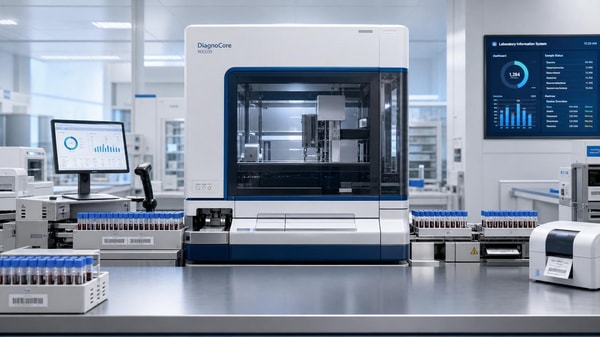
 Medical diagnostic equipment buying mistakes often start with workflow mismatchMedical diagnostic equipment buying mistakes often stem from workflow mismatch. Learn how to assess fit, avoid hidden costs, and choose scalable systems that support real clinical operations.
![]() Eco-friendly building materials can add compliance work, not just green valueEco-friendly building materials can boost sustainability but also add compliance work. Learn how they affect approvals, costs, timelines, and risk across key project scenarios.
Eco-friendly building materials can add compliance work, not just green valueEco-friendly building materials can boost sustainability but also add compliance work. Learn how they affect approvals, costs, timelines, and risk across key project scenarios. Ergonomic workspace design fails when posture is treated as the whole answerErgonomic workspace design fails when posture is the only focus. Learn how integrated planning improves productivity, retention, and workplace performance.
 Outdoor garden supplies demand changes faster than seasonal forecasts suggestOutdoor garden supplies demand is changing faster than seasonal forecasts. Discover key signals, sourcing strategies, and inventory tactics to stay competitive and capture growth.
 Sustainable home decor sells better when the material story is verifiableSustainable home decor wins more buyers when material claims are verifiable. Discover how traceable sourcing, certifications, and clear proof build trust and drive sales.
 Modern office furniture choices can raise complaints instead of comfortModern office furniture can improve productivity—or trigger costly complaints. Learn how to choose ergonomic, durable, flexible office solutions that support comfort and long-term value.
 Smart street lighting saves energy only when controls are tuned properlySmart street lighting saves energy only when controls are tuned to real traffic, safety, and maintenance needs. Learn how proper settings turn connected lighting into measurable ROI.
 Solid-state battery breakthroughs are real, but scaling is another storySolid-state battery breakthroughs are real, but scaling remains the real test. Explore where commercialization starts first, what limits adoption, and which markets may gain the earliest edge.
![]() Commercial LED lighting upgrades often disappoint in high-heat spacesCommercial LED lighting often underperforms in high-heat spaces. Learn the hidden causes, warning signs, and smart upgrade choices to improve reliability, safety, and long-term value.
Commercial LED lighting upgrades often disappoint in high-heat spacesCommercial LED lighting often underperforms in high-heat spaces. Learn the hidden causes, warning signs, and smart upgrade choices to improve reliability, safety, and long-term value.![]() Lithium battery storage projects look profitable until thermal risk is priced inLithium battery storage may look highly profitable, but thermal risk can change the real ROI. Discover the hidden costs, insurance impacts, and approval factors investors must assess.
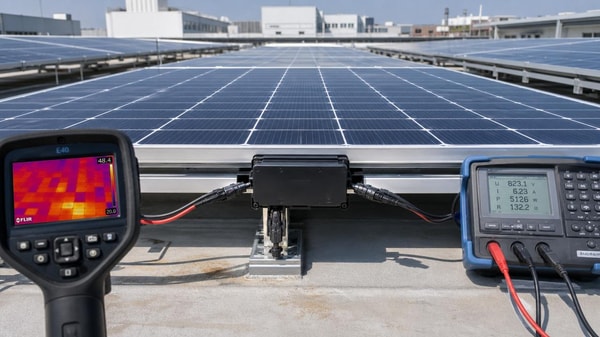
Lithium battery storage projects look profitable until thermal risk is priced inLithium battery storage may look highly profitable, but thermal risk can change the real ROI. Discover the hidden costs, insurance impacts, and approval factors investors must assess. Photovoltaic solar panels lose output for reasons many installers missPhotovoltaic solar panels lose output for more than dirt or age. Discover the hidden faults installers often miss and how smarter troubleshooting restores performance faster.
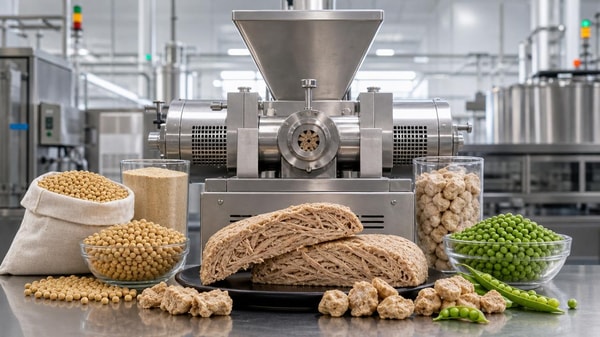
 Plant-based protein processing: why texture remains the hardest partPlant-based protein processing explained: discover why texture is the toughest challenge, how it affects scale-up and product quality, and what technical teams should evaluate for market-ready success.
 Foldable screen technology still faces a trust gap on long-term durabilityFoldable screen technology still excites buyers, but durability concerns remain. Explore hinge reliability, screen wear, and smart buying tips before choosing a foldable phone.
 Next-gen wireless charging sounds convenient, but what slows real rollout?Next-gen wireless charging looks effortless, but rollout is slowed by cost, efficiency, standards, and safety. Explore where real market value and adoption potential are emerging.
 Wearable technology adoption often stalls over charging habitsWearable technology adoption often slows when charging feels inconvenient. Discover practical buying checks, battery tips, and habit-based insights to choose a device you’ll actually keep using.
 Smart home devices wholesale is shifting from gadgets to ecosystemsSmart home devices wholesale is shifting from single gadgets to connected ecosystems. Learn how compatibility, repeat sales, and supplier strategy create stronger channel growth.
 Agri-PV systems can reduce land conflict, but not in every projectAgri-PV systems can ease land conflict, but only in the right scenarios. Explore where dual-use solar adds value, where risks rise, and how to screen projects before deployment.
![]() Organic fertilizers work slowly, so when do they make economic sense?Organic fertilizers can make strong economic sense when farms value premium pricing, healthier soils, and lower risk. See when slower returns lead to better long-term margins.
Organic fertilizers work slowly, so when do they make economic sense?Organic fertilizers can make strong economic sense when farms value premium pricing, healthier soils, and lower risk. See when slower returns lead to better long-term margins. Smart classroom solutions promise engagement, but what drives daily use?Smart classroom solutions succeed when they fit daily teaching workflows, integrate smoothly, and prove measurable value. Discover what drives real adoption and smarter investment.











Popular Tags
Global Trade Insights & Industry
Our mission is to empower global exporters and importers with data-driven insights that foster strategic growth.
Search News
Popular Tags
Industry Overview
The global commercial kitchen equipment market is projected to reach $112 billion by 2027. Driven by urbanization, the rise of e-commerce food delivery, and strict hygiene regulations.