

Chinese Tire Makers Raise Prices 3–5% Amid Raw Material Costs
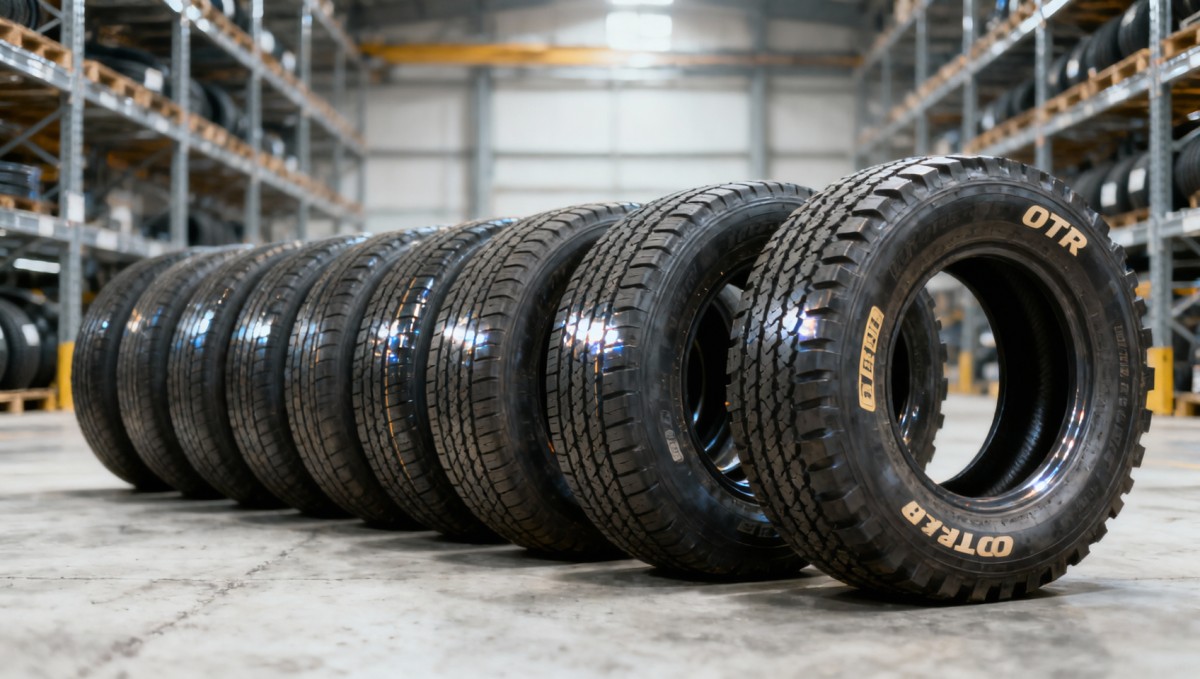
On April 15, leading Chinese tire manufacturers—including Zhongce Rubber and Sailun Group—issued synchronized price adjustment notices, increasing prices by 3%–5% across passenger car tires, commercial vehicle tires, and OTR (Off-The-Road) engineering tires. This move directly impacts international importers and downstream pricing strategies, especially in price-sensitive markets such as Southeast Asia, the Middle East, and Latin America—making it highly relevant for global tire traders, raw material buyers, and supply chain service providers.
Event Overview
On April 15, Zhongce Rubber, Sailun Group, and other major Chinese tire producers announced a uniform price increase of 3%–5% for all passenger, commercial, and OTR tire product lines. The official rationale cited sustained upward pressure on key raw material costs—specifically natural rubber, synthetic rubber, and carbon black. No further details on effective dates, regional exceptions, or product-tier differentiation were disclosed in publicly available notices.
Which Sub-Sectors Are Affected
Direct Trading Enterprises
Importers and export distributors sourcing from these manufacturers face immediate cost pass-through. Since pricing adjustments apply across full product lines, landed cost calculations for existing contracts—and especially for open orders with delayed delivery—require urgent revalidation. Quotation windows for new tenders may narrow, particularly in markets where margin compression is already acute.
Raw Material Procurement Entities
Companies procuring natural rubber, synthetic rubber, or carbon black—especially those supplying tier-2 or tier-3 tire makers—may see intensified demand scrutiny. While this round of price hikes is driven by input costs, it does not confirm whether upstream suppliers have raised their own prices; procurement teams should verify current supplier terms rather than assume alignment.
Tire Manufacturing & Contracting Firms
Domestic and overseas contract manufacturers relying on Chinese OEM or private-label partnerships may encounter revised cost-sharing clauses or updated minimum order value thresholds. The 3%–5% range suggests tiered implementation—not a flat surcharge—so production planning teams should request written confirmation of applicability per SKU and market destination.
Supply Chain & Logistics Service Providers
Firms managing bonded warehousing, customs clearance, or last-mile distribution for imported tires may observe shifts in shipment timing and documentation requirements. Price adjustments often trigger renegotiation of Incoterms, insurance valuations, and duty assessments—particularly where CIF or CFR terms are used and declared values must reflect updated invoice amounts.
What Relevant Companies or Practitioners Should Monitor and Do Now
Track official implementation timelines and scope definitions
While the April 15 announcement confirms intent, public notices do not specify effective dates or exclusions (e.g., legacy contracts, specific regions, or promotional SKUs). Importers should formally request written implementation guidance from each supplier before finalizing Q2 purchase orders.
Review exposure across high-volume, low-margin markets
Markets like Southeast Asia, the Middle East, and Latin America are explicitly noted as facing short-term quotation and delivery pressure. Teams should prioritize impact assessment for SKUs with >15% sales concentration in these regions—and flag any pending tenders requiring revised pricing submissions before bid deadlines.
Distinguish between cost-driven signals and operational execution
This is a cost-pass-through action—not a strategic pricing reset. Analysis来看, it reflects reactive margin protection rather than long-term positioning. Therefore, procurement and finance teams should treat it as a near-term working capital variable, not a structural shift—avoiding premature inventory hoarding or long-term forward-buy commitments unless raw material volatility shows sustained escalation beyond May.
Prepare revised commercial documentation and internal alignment
Sales, logistics, and finance units must jointly update pro forma invoices, HS code declarations, and landed-cost models to reflect new base prices. Internal SOPs for customer communication—especially around retroactive application or contract amendment protocols—should be drafted and approved prior to supplier confirmation.
Editorial Perspective / Industry Observation
From industry角度看, this coordinated move signals tightening cost discipline among top-tier Chinese producers—not a broad-based inflationary trend. It is better understood as a calibrated response to verified input cost increases, rather than an early indicator of wider sectoral pricing power. Observation来看, the absence of staggered timing or selective product targeting suggests consensus-building across manufacturers, possibly reflecting shared supplier negotiations or benchmarking behavior. Current更值得关注的是 whether follow-on actions emerge from second-tier players—or whether raw material indices (e.g., TSR20, NBSBR, furnace black prices) stabilize in May. This remains a signal event, not yet a systemic outcome.
In summary, this price adjustment reflects a targeted, cost-justified recalibration—not a wholesale repricing cycle. Its significance lies less in the percentage itself and more in the synchronicity and transparency of the trigger. For stakeholders, the appropriate stance is measured responsiveness: verifying applicability, updating operational parameters, and monitoring upstream commodity trends—without assuming broader market-wide implications at this stage.
Source: Publicly issued price adjustment notices from Zhongce Rubber and Sailun Group, dated April 15. Note: Implementation details (effective date, contractual coverage, regional applicability) remain pending formal clarification and are subject to ongoing observation.
Recommended News
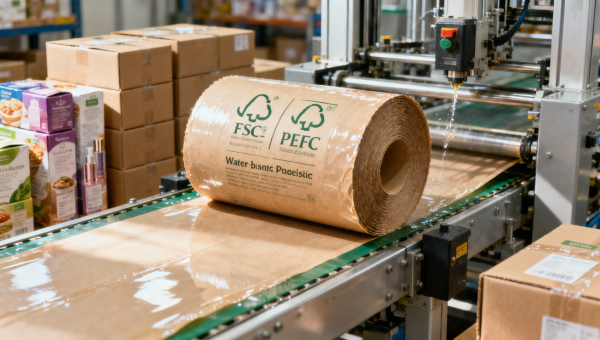
 2026 Jan–Feb Paper Industry Profits +6.1%; Green Packaging Export Premium EmergesGreen packaging export premium drives +6.1% paper industry profits in Jan–Feb 2026 — discover how FSC/PEFC certification and water-based processes boost margins for eco-friendly, food & cosmetics packaging exporters.
 Desay SV Automotive Files for H-Share Listing, Boosts Supply Chain TransparencyDesay SV Automotive's H-share listing filing boosts supply chain transparency — key for car electronics exporters, PCB suppliers & IATF 16949-certified manufacturers.
 NetEase Interactive Entertainment Market Head Moves OverseasNetEase Interactive Entertainment's marketing head moves overseas—key signal for AI, mobile accessories & wearables exporters targeting NA, EU, JP, KR markets.
 Nanchang Qingyunpu Solar+EMC Project Tender Signals Global ShiftNanchang Qingyunpu Solar+EMC tender signals global shift to performance-based energy solutions—key for solar, lighting & smart factory exporters.
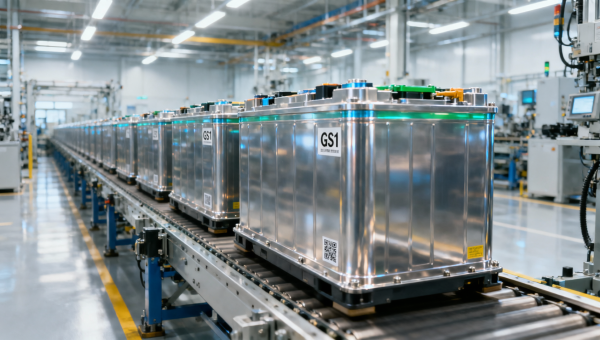
 China Launches Battery Lifecycle Traceability PlatformChina’s Battery Lifecycle Traceability Platform is live: mandatory GS1 registration for NEV & C&I battery exports starts April 1, 2026—ensure compliance now!
 US Military Restricts Arabian Sea East of Strait of HormuzUS Military Restricts Arabian Sea east of Strait of Hormuz—impacting solar PV, water treatment & fire safety exports to GCC. Act now to mitigate 12–18 day delays & 25% insurance hikes.
 Horizon Robotics Launches 'Starry Sky' Cockpit-ADAS Fusion ChipHorizon Robotics 'Starry Sky' cockpit-ADAS fusion chip launches April 2026 — cut BOM costs up to $400/vehicle. Key for exporters targeting MENA & ASEAN.
 China's Construction Machinery Exports Up 33.4% YoY in Jan–Feb 2026China's construction machinery exports surged 33.4% YoY in Jan–Feb 2026—driven by localized service in MEA & LatAm. Discover what this means for your global equipment strategy.
 EU CBAM Steel Carbon Tariff Takes Full Effect on Jan 1, 2026EU CBAM steel carbon tariff takes full effect Jan 1, 2026—exporters must submit verified lifecycle emissions data now. Act before delays & rejections hit.
 Japan Boosts Rapidus with ¥631.5B; China Semiconductor Export Opportunities RiseJapan’s ¥631.5B Rapidus boost unlocks China semiconductor export opportunities—especially in high-purity chemicals, precision components & cleanroom equipment. Act now.
 EU REACH Adds 12 SVHCs: Impact on China's Chemical, Plastic & Coating ExportsEU REACH adds 12 SVHCs, impacting China's chemical, plastic & coating exports. Learn key compliance actions & market risks before the Oct 2026 deadline.
 China Launches First Global Battery Lifecycle Traceability PlatformChina launches the first global battery lifecycle traceability platform, revolutionizing EV and energy storage compliance. Learn how this impacts manufacturers, exporters, and recyclers worldwide.
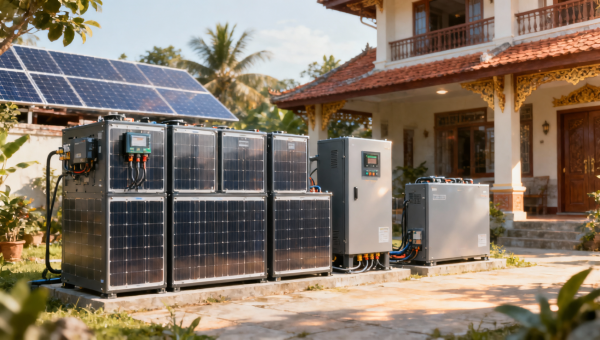
 Vietnam's Home Energy Storage Demand Doubles, Boosting Chinese ExportsVietnam's home energy storage demand doubles, boosting Chinese exports of inverters & LFP batteries. Learn how 217% export growth creates opportunities amid power instability.
 EU REACH Adds 12 SVHCs: China's Chemical, Plastic, and Coating Exports Must Comply Within 6 MonthsEU REACH adds 12 new SVHCs, impacting China's chemical, plastic, and coating exports. Companies must comply with SCIP notifications within 6 months. Learn key actions for affected industries.
 China Releases 100 5G Factory Applications Covering Key Export IndustriesChina's MIIT releases 100 5G factory applications, transforming key export industries like automotive, PCB, and textiles. Discover how these smart manufacturing solutions impact global supply chains and supplier evaluations.
 U.S.-Iran Ceasefire Takes Effect, Strait of Hormuz Shipping Returns to Normal, Middle East Logistics Costs Drop 35%U.S.-Iran ceasefire stabilizes Strait of Hormuz shipping, cutting Middle East logistics costs by 35%. Learn how exporters of industrial goods & solar equipment can benefit from improved trade routes.
 China-Thailand Agricultural & Green Manufacturing Cooperation: Key Impacts on Rubber, Farm Machinery, and Solar SectorsExplore how China-Thailand agricultural & green manufacturing cooperation impacts rubber, farm machinery, and solar sectors. Learn about reduced compliance costs and faster market access for exporters.
 Hainan Launches 'Zero Wait' Customs for Medical Devices & Smart SensorsHainan's 'zero wait' customs for medical devices & smart sensors slashes export cycles by 50% at Yangpu Port. Urgent orders to ASEAN, Middle East & Latin America now clear in 30 minutes. Learn how this boosts time-sensitive exports.
 China Launches Full Lifecycle Battery Traceability Platform, Mandates Export ComplianceChina's new battery traceability platform mandates export compliance for EU, US & South Korea markets. Learn how battery manufacturers, NEV producers, and energy storage providers can adapt to avoid clearance barriers and secure certifications.
 U.S. Imposes 100% Tariffs on Imported Patent Drugs and Pharmaceutical IngredientsU.S. imposes 100% tariffs on imported patent drugs and pharmaceutical ingredients, impacting global API supply chains. Learn how this affects manufacturers, importers, and compliance strategies.
 China-Thailand Agricultural & Green Manufacturing Cooperation: Key ImpactsExplore how China-Thailand agricultural & green manufacturing cooperation impacts rubber, farm machinery & solar sectors. Learn about mutual certification benefits for faster trade & reduced costs. Key insights for businesses.


















Popular Tags
Global Trade Insights & Industry
Our mission is to empower global exporters and importers with data-driven insights that foster strategic growth.
Search News
Popular Tags
Industry Overview
The global commercial kitchen equipment market is projected to reach $112 billion by 2027. Driven by urbanization, the rise of e-commerce food delivery, and strict hygiene regulations.