

Wearable technology adoption drops when comfort gets overlooked
Wearable technology promises convenience, health insights, and seamless connectivity, but adoption often drops when comfort is treated as an afterthought. For everyday consumers, even the smartest device can quickly lose appeal if it feels bulky, irritating, or hard to wear for long periods. Understanding how comfort shapes user behavior is essential to explaining why some wearables succeed while others struggle to stay on people’s wrists, bodies, and daily routines.
Why does Wearable technology lose users when comfort is poorly designed?
Many buyers first evaluate Wearable technology by features: heart-rate tracking, sleep reports, GPS, notifications, or app integration. Yet long-term usage is often decided by a simpler question: can the device be worn all day without friction? If the answer is no, return rates rise, daily use drops, and the device moves from a health tool to a drawer item.
Comfort is not a soft or secondary issue. It affects battery choices, sensor placement, enclosure materials, strap design, charging frequency, heat management, and even software behavior. A device that vibrates too often, requires frequent charging, or pinches the skin creates cumulative fatigue. Consumers may not describe this as a design failure, but their behavior shows it clearly.
- Skin irritation can appear after only a few days if materials trap sweat or edges rub during movement.
- Excessive weight changes wrist posture during exercise, work, and sleep, making daily wear less likely.
- Rigid sizing excludes users whose wrists, fingers, ears, or body shapes fall outside standard dimensions.
- Unstable fit reduces sensor accuracy, which then damages trust in the value of Wearable technology.
This is why comfort should be viewed as a commercial driver, not only a product design detail. In consumer markets, repeated use creates loyalty, data continuity, and upgrade demand. Poor comfort interrupts that cycle.
The hidden trade-off between more features and real usability
As Wearable technology adds sensors and connectivity modules, devices often become thicker, warmer, and more power-hungry. That pushes brands toward larger batteries and heavier housings. The result is a common market contradiction: a product may look stronger on paper while becoming harder to wear in real life.
For consumers, the best device is rarely the one with the longest spec sheet. It is the one that fits their routine with the least resistance. This is especially true for sleep trackers, smart rings, fitness bands, and medical-adjacent monitoring products that require prolonged contact with the body.
Which comfort factors matter most in everyday Wearable technology?
When evaluating Wearable technology, consumers often focus on visible design and overlook the specific comfort variables that influence retention. The table below breaks down the main factors that shape satisfaction across daily use scenarios.
The key takeaway is simple: comfort is multi-dimensional. A sleek-looking product can still fail if it traps moisture, shifts during movement, or demands charging at the exact time people want to wear it. Consumers should examine these variables together instead of judging Wearable technology by appearance alone.
Why sleep tracking exposes comfort problems fastest
Daytime wear allows adjustment. Nighttime wear does not. A watch case that feels acceptable at a desk may become disruptive in bed. A ring that seems light during the day may feel intrusive when fingers swell slightly at night. That is why sleep-enabled Wearable technology often reveals whether a product is genuinely ergonomic.
Consumers who want recovery metrics, sleep-stage estimates, or overnight heart data should prioritize low-profile formats, smooth edges, stable fit, and long battery life. Otherwise, the very use case that justifies the purchase may become the first abandoned feature.
How different Wearable technology formats compare on comfort and adoption
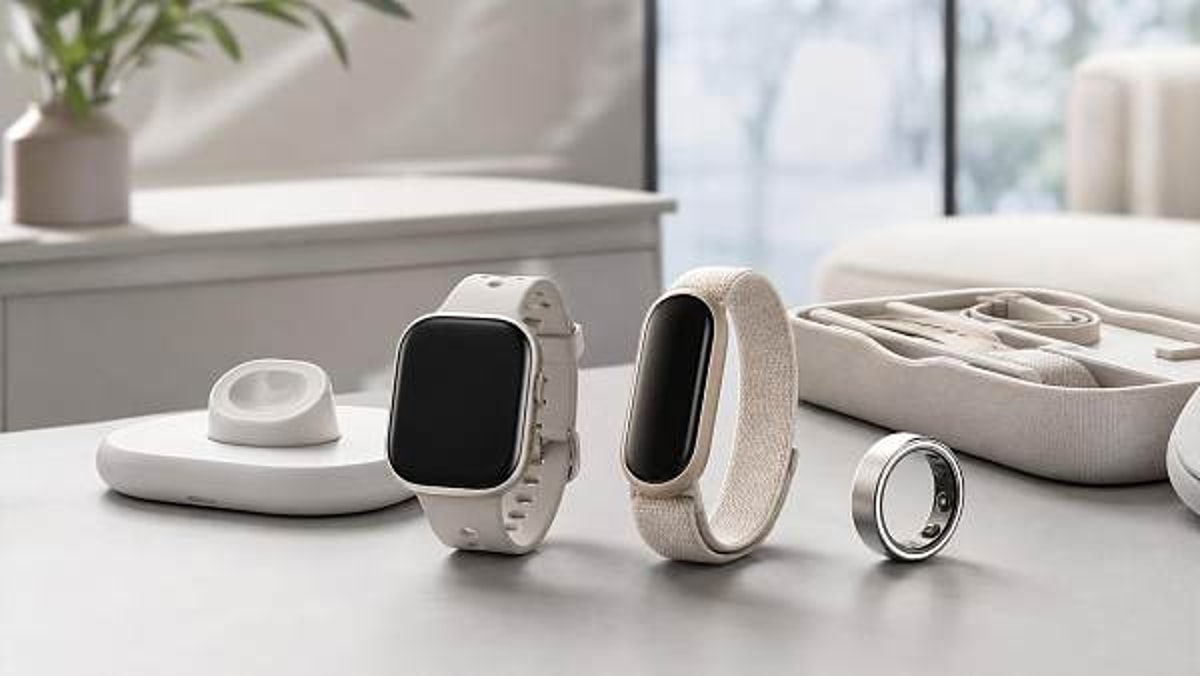
Not all Wearable technology fails or succeeds for the same reason. The form factor strongly shapes comfort expectations, maintenance burden, and learning curve. Comparing the most common device types helps consumers choose a product aligned with actual habits rather than marketing claims.
This comparison shows why no single Wearable technology format suits everyone. The right choice depends on whether the buyer values discreet use, exercise comfort, screen access, or overnight tracking. Selecting by routine rather than hype improves both satisfaction and actual adoption.
A practical decision rule for consumers
If the device must stay on during sleep, prioritize minimal bulk. If it must display messages or workout data in real time, screen size becomes more important. If sensitivity to skin contact is an issue, material finish and band replacement options deserve extra attention. Good selection begins with use hours, not just features.
What should consumers check before buying Wearable technology?
Comfort problems often become visible only after purchase, but several warning signs can be identified in advance. A disciplined buying checklist helps consumers reduce regret and compare products more objectively across brands, price levels, and retail channels.
Pre-purchase checklist
- Confirm how many hours per day you expect to wear the device. A two-hour workout tool and a 24-hour health tracker should not be judged by the same criteria.
- Check whether the strap, ring size, or ear tip system allows adjustment or replacement. Fixed comfort is risky because body dimensions and preferences vary.
- Review charging habits. If the battery lasts only one or two days, ask whether charging will interrupt sleep tracking or daily consistency.
- Look for information on water resistance, sweat tolerance, and cleaning guidance. Poor hygiene support directly affects comfort over time.
- Read user feedback specifically about long-wear comfort, not just first impressions or app features.
For end consumers, another useful step is to compare the intended device against their existing habits. If a buyer already dislikes wearing a traditional watch, a thick smartwatch may be a poor starting point. If they frequently remove jewelry, a ring-based tracker may face similar resistance. Adoption depends on behavioral fit as much as technical quality.
Common signs a product may be uncomfortable later
- The product images avoid side views, making thickness hard to judge.
- Sizing details are vague or oversimplified.
- Marketing emphasizes advanced sensors but says little about materials, fit, or skin contact.
- There is no clear guidance on cleaning, strap changes, or wear duration.
How global supply chain insight helps explain comfort gaps in Wearable technology
Comfort is shaped long before a product reaches the consumer. Material sourcing, component density, battery selection, manufacturing tolerances, and regional market preferences all influence the final experience. This is where industry intelligence matters. Wearable technology is not only a consumer electronics story; it is also a supply chain and product strategy story.
GTIIN and TradeVantage operate at the intersection of industrial trends, market shifts, and global visibility. By tracking developments across 50+ sectors, including electronics, materials, manufacturing, logistics, and retail behavior, the platform helps businesses and market observers understand why product decisions evolve. For example, thinner housings may depend on battery innovation, while breathable straps may reflect changes in material suppliers or regional demand patterns.
For consumers, this broader view is valuable because it turns isolated product frustration into understandable market logic. A comfortable wearable is not created by aesthetics alone. It depends on better sourcing, better engineering trade-offs, and better interpretation of user needs across different markets.
Why market intelligence improves purchase judgment
When consumers follow trusted industry reporting rather than only product advertising, they gain context about technology maturity, common manufacturing constraints, and emerging design directions. That leads to better expectations. Instead of asking whether Wearable technology is good in general, buyers can ask a sharper question: which category is now mature enough to deliver both function and comfort for my use case?
Cost, alternatives, and when a simpler option may be smarter
Some consumers overpay for Wearable technology features they will never use, then abandon the device because the hardware feels intrusive. In many cases, choosing a simpler form factor or lower-maintenance product delivers better value. The goal is not to buy the most advanced device, but the one most likely to remain in use six months later.
The table below compares common decision paths for buyers balancing budget, comfort, and intended use.
A lower-cost product can outperform a premium one if it matches the user’s tolerance for body contact and maintenance. That is why adoption should be measured by usage consistency, not initial price alone.
FAQ: what do consumers often misunderstand about Wearable technology comfort?
Is lighter always better in Wearable technology?
Not always. Low weight helps, but balance matters too. A poorly shaped light device can still shift, press into the skin, or give weak readings. Consumers should assess weight together with shape, strap quality, and contact stability.
Why do some people stop using a wearable after only a few weeks?
The early novelty phase hides small annoyances. Over time, charging interruptions, discomfort during sleep, sweat issues, or repetitive notifications become more important than new features. Wearable technology survives long term only when it blends naturally into routine.
Are premium materials enough to guarantee comfort?
No. Premium materials can improve perceived quality, but comfort also depends on shape, ventilation, adjustability, and the user’s own skin sensitivity. A polished finish does not solve poor sizing or excessive thickness.
What matters more for health tracking: more sensors or better fit?
For many consumers, better fit comes first. Sensors need stable contact to produce consistent data. If Wearable technology slips, rotates, or gets removed often, advanced sensing offers less practical value than a simpler device that stays in place.
What trends will shape the next phase of Wearable technology adoption?
The next wave of adoption is likely to favor devices that reduce physical burden while increasing passive value. This means thinner batteries, lower-power components, better skin-contact materials, and designs that fit specialized scenarios rather than trying to do everything at once.
Consumers will also become more selective. As the market matures, expectations are shifting from novelty to sustained utility. Buyers want reliable sleep data, easier maintenance, and formats that do not interrupt work, exercise, or rest. Brands that ignore these expectations may still win clicks, but they will struggle to keep devices in daily use.
At the industry level, better integration between materials innovation, electronics manufacturing, and consumer behavior analysis will decide which products move from niche to mainstream. That is why trade intelligence and cross-sector reporting remain important to understanding where Wearable technology is genuinely improving.
Why choose us for deeper market insight and decision support?
If you want to understand Wearable technology beyond product marketing, GTIIN and TradeVantage provide a broader decision framework. Our platform tracks industrial trends, supply chain movement, regional consumer shifts, and cross-sector developments that influence how wearable products are designed, positioned, and adopted worldwide.
For readers, buyers, and trade-focused businesses, we can support practical questions such as product category comparison, market trend interpretation, sourcing direction, delivery-cycle context, material and comfort trend monitoring, certification-related research, and visibility opportunities for brands seeking stronger digital exposure in global markets.
- Ask about category trends if you want to compare smartwatch, band, ring, or ear-worn demand signals.
- Request support on product selection logic if you need a clearer framework for comfort, use case, and budget evaluation.
- Discuss supply and delivery context if you are monitoring manufacturing changes, sourcing shifts, or regional market timing.
- Consult on standards and market-entry considerations if your interest includes broader industry compliance and buyer expectations.
When comfort determines whether Wearable technology stays on the body or disappears into storage, better information becomes a competitive advantage. Contact us if you need sharper insight into product selection, market direction, sourcing context, or trend-based decision support.
Recommended News
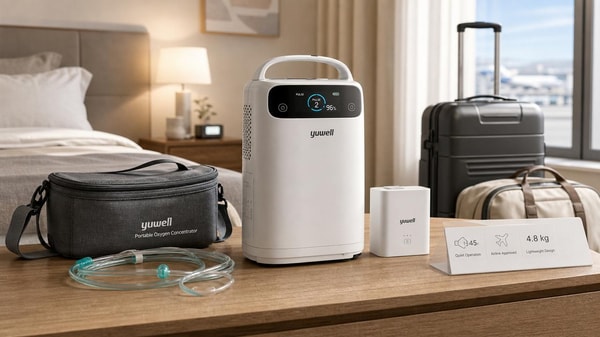
 Portable oxygen concentrators are quieter now, but not always lighterPortable oxygen concentrators are getting quieter, but not always lighter. Explore the trade-offs in weight, battery life, comfort, and daily usability before you compare today’s top options.
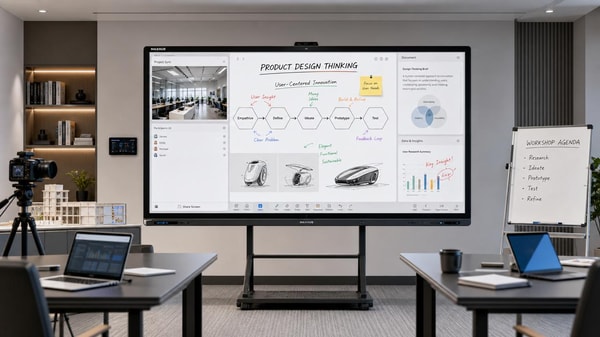
 Interactive whiteboards are improving, but software still decides valueInteractive whiteboards deliver real value when software matches the scenario. Explore how usability, integration, security, and updates shape smarter buying decisions.
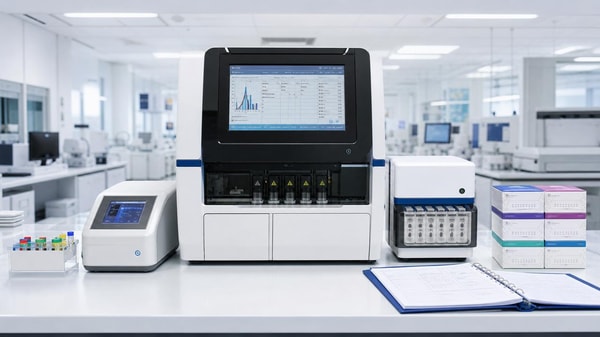
 Medical diagnostic equipment downtime often starts with calibration neglectMedical diagnostic equipment downtime often starts with missed calibration. Learn the warning signs, checklist priorities, and practical steps to prevent failures and keep healthcare operations reliable.
 Eco-friendly building materials are easier to specify than to sourceEco-friendly building materials are easier to specify than source. Learn how procurement teams can verify claims, reduce risk, and find reliable suppliers faster.
 Ergonomic workspace design can fail if chair fit comes lastErgonomic workspace design starts with chair fit. Learn how the right seat improves posture, comfort, and focus—and why fixing it first can transform your workspace.
 Outdoor garden supplies demand shifts faster than many expectOutdoor garden supplies demand is shifting faster than expected. Discover key B2B trends, smarter sourcing insights, and practical strategies to stay competitive and capture growth.
 Sustainable home decor sells better when materials are clearly disclosedSustainable home decor sells better when brands clearly disclose materials, finishes, and sourcing. Discover why transparency builds trust, justifies price, and drives more confident buying.
 Modern office furniture trends now favor modular over fixed layoutsModern office furniture is shifting to modular layouts for flexibility, lower lifecycle costs, and better hybrid work performance. See why enterprises are moving away from fixed office design.
 Smart street lighting projects stall when controls are overcomplicatedSmart street lighting projects often stall when controls become too complex. Learn how to simplify deployment, reduce risk, and scale citywide with practical, maintainable systems.
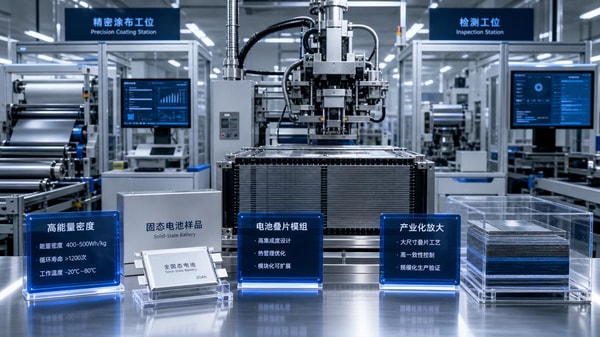
 Solid-state battery breakthroughs look promising, but scale is harderSolid-state battery breakthroughs promise safer, higher-density energy storage, but scaling remains the real challenge. Explore what this means for supply chains, investment, and market advantage.
 Commercial LED lighting upgrades often save less than expectedCommercial LED lighting upgrades can underdeliver when baseline data, controls, and installation costs are misjudged. Learn how to assess real savings, reduce ROI risk, and make smarter investment decisions.
 Lithium battery storage payback can change with one policy updateLithium battery storage payback can shift fast after one policy update. See how tariffs, tax credits, grid pricing, and incentives change ROI—and how finance teams can approve smarter.
 Photovoltaic solar panels now compete on output in low lightPhotovoltaic solar panels now compete on low-light output. Discover how buyers can compare yield, risk, and supplier value to source smarter and boost project returns.
 Plant-based protein processing changes texture more than many expectPlant-based protein processing reshapes texture, stability, and safety more than expected. Explore key risks, QC checkpoints, and smarter sourcing insights for consistent results.
 Foldable screen technology is improving, but crease concerns remainFoldable screen technology is evolving fast with slimmer designs and stronger hinges, but crease concerns still shape buying decisions. Explore where it matters most.
 Next-gen wireless charging still faces a heat management problemNext-gen wireless charging promises faster, more flexible power delivery, but heat remains the key barrier. Discover how thermal limits impact safety, efficiency, and market readiness.
 Wearable technology adoption drops when comfort gets overlookedWearable technology adoption falls fast when comfort is ignored. Discover how fit, materials, weight, and battery life shape long-term use and smarter buying decisions.
 Smart home devices wholesale is no longer just about low pricingSmart home devices wholesale now goes beyond low pricing. Discover how reliability, compatibility, and supply chain confidence help distributors choose profitable, trusted partners.
 Agri-PV systems make sense only when land use is planned wellAgri-PV systems deliver real value only when land use is planned well. Discover how smart site, crop, grid, and compliance decisions turn dual-use solar into a bankable, sustainable project.
 Organic fertilizers may improve soil slower, but results last longerOrganic fertilizers improve soil slowly but deliver longer-lasting results. Learn how they boost soil health, support safer growing, and help you choose the right option for sustainable planting success.
 Smart classroom solutions fail when teachers need too many appsSmart classroom solutions fail when teachers juggle too many apps. Discover why integrated, easy-to-use platforms drive adoption, ROI, and scalable learning success.














Popular Tags
Global Trade Insights & Industry
Our mission is to empower global exporters and importers with data-driven insights that foster strategic growth.
Search News
Popular Tags
Industry Overview
The global commercial kitchen equipment market is projected to reach $112 billion by 2027. Driven by urbanization, the rise of e-commerce food delivery, and strict hygiene regulations.