

Lithium Carbonate Price Rebound Pressures Battery Costs
Carbonate lithium prices rebounded in April 2026, lifting battery material costs and accelerating certification efforts for semi-solid batteries targeting export markets — a development with direct implications for raw material procurement, EV component manufacturing, and international energy storage supply chains.
Event Overview
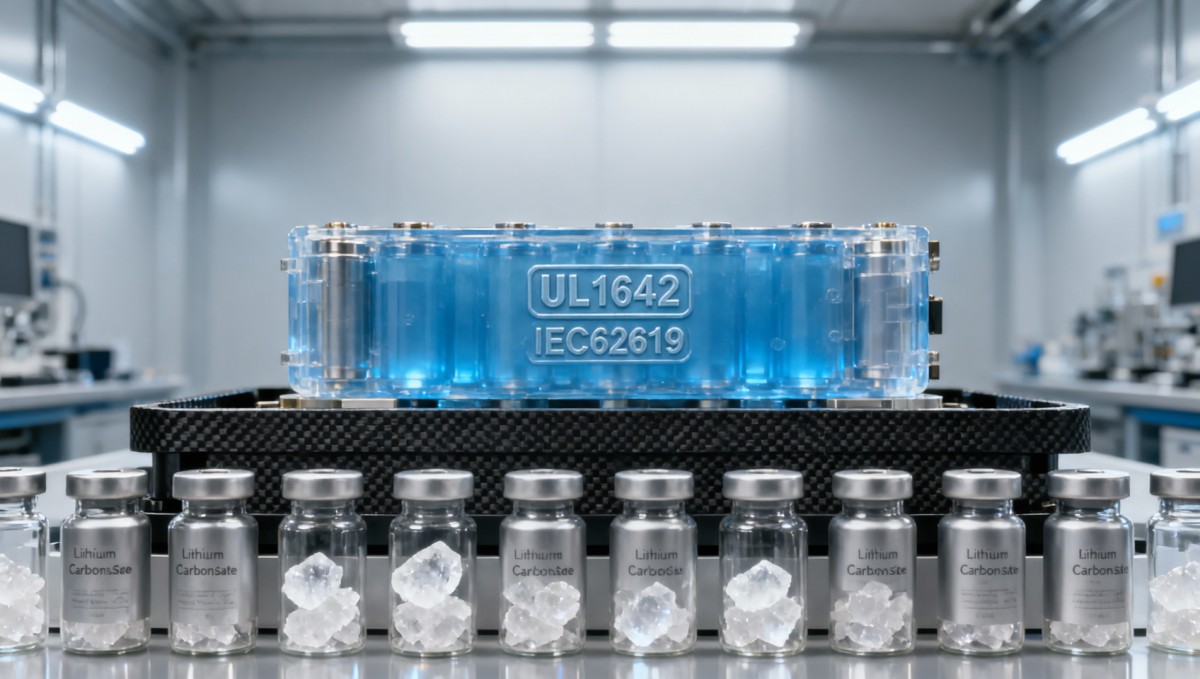
In April 2026, the average price of battery-grade lithium carbonate rose to RMB 132,000 per ton, driven by reduced output from Australian mines and pre-delivery demand from downstream automakers. Concurrently, CATL and Gotion High-Tech advanced their UL1642 and IEC62619 certification processes for semi-solid batteries, aiming to achieve sample-level delivery capability for European energy storage and premium EV accessories customers starting in Q3 2026.
Impact on Specific Industry Segments
Raw Material Procurement Enterprises
These enterprises face renewed cost pressure as lithium carbonate — a key upstream input for cathode materials — reverses its prior downward trend. The April 2026 price increase directly affects landed cost calculations, hedging strategies, and long-term supply agreement renegotiations.
Battery Cell & Module Manufacturers
Producers of ternary and LFP batteries experience margin compression due to higher cathode material input costs. Cost pass-through feasibility remains constrained in highly competitive OEM procurement environments, particularly for non-premium vehicle platforms.
EV Component Exporters (e.g., Accessories, Aftermarket Systems)
Firms supplying high-end EV accessories to Europe must align with evolving safety certification requirements. The accelerated UL1642/IEC62619 timeline signals tightening compliance windows for battery-integrated components entering regulated markets.
Energy Storage System (ESS) Integrators Targeting EU Markets
EU-based or EU-exporting ESS providers relying on Chinese battery cells face dual pressures: rising input costs and compressed timelines to validate next-generation chemistries (e.g., semi-solid) under IEC62619 — a standard increasingly referenced in tender specifications.
What Relevant Enterprises or Practitioners Should Focus On
Monitor official updates on lithium supply dynamics from Australian producers
Current price movement is tied to mine-level output adjustments; any further production guidance or logistical delays may signal extended pricing volatility — procurement teams should track quarterly operational reports from major WA-based lithium miners.
Verify certification scope and validity windows for UL1642 and IEC62619 submissions
Certification progress reported by CATL and Gotion applies specifically to semi-solid configurations; legacy liquid-electrolyte products remain subject to existing test protocols. Exporters must confirm whether their product architecture falls within newly certified parameters before committing to customer delivery schedules.
Distinguish between sample-level readiness and volume production qualification
Q3 2026 sample delivery capability does not equate to full production certification or type approval for CE marking. Supply chain planners should treat this milestone as an early signal — not a green light — for commercial ramp-up planning.
Review contractual clauses covering material cost pass-through and certification liability
Contracts with OEMs or ESS integrators often include force majeure, cost adjustment, and compliance responsibility terms. Legal and procurement teams should audit current agreements for provisions related to battery chemistry changes and third-party certification obligations.
Editorial Perspective / Industry Observation
From an industry perspective, this development is better understood as a convergence of short-term commodity dynamics and medium-term technology transition signaling — not a standalone price event nor a completed technology shift. Analysis来看, the lithium rebound reflects cyclical supply tightening rather than structural scarcity, while the certification acceleration indicates strategic positioning ahead of anticipated EU Battery Regulation (EU) 2023/1542 implementation phases. Observation来看, it functions more as a forward-looking coordination signal among tier-1 suppliers than as an immediate market inflection point. Current more relevant interpretation is that it marks the beginning of alignment between raw material cost realities and next-generation battery commercialization timelines — a phase requiring synchronized adjustments across procurement, engineering validation, and regulatory affairs functions.
Conclusion
This update underscores how commodity price fluctuations continue to interact with technology roadmap execution in the battery value chain. It is neither a broad-based cost crisis nor a near-term technology adoption milestone — rather, it highlights a transitional phase where procurement discipline, certification foresight, and contract governance converge as critical operational priorities. For stakeholders, it is more appropriately understood as a calibration point: one that confirms ongoing sensitivity to upstream supply shifts while validating the growing importance of internationally recognized safety standards in battery commercialization.
Source Attribution
Main source: Publicly disclosed pricing data and corporate certification timelines (as stated in the input). Note: Certification timelines and lithium price figures are based on April 2026 reporting; ongoing verification of mine output revisions and UL/IEC test outcomes remains necessary.
Recommended News
 2026 Jan–Feb Paper Industry Profits +6.1%; Green Packaging Export Premium EmergesGreen packaging export premium drives +6.1% paper industry profits in Jan–Feb 2026 — discover how FSC/PEFC certification and water-based processes boost margins for eco-friendly, food & cosmetics packaging exporters.
 Desay SV Automotive Files for H-Share Listing, Boosts Supply Chain TransparencyDesay SV Automotive's H-share listing filing boosts supply chain transparency — key for car electronics exporters, PCB suppliers & IATF 16949-certified manufacturers.
 NetEase Interactive Entertainment Market Head Moves OverseasNetEase Interactive Entertainment's marketing head moves overseas—key signal for AI, mobile accessories & wearables exporters targeting NA, EU, JP, KR markets.
 Nanchang Qingyunpu Solar+EMC Project Tender Signals Global ShiftNanchang Qingyunpu Solar+EMC tender signals global shift to performance-based energy solutions—key for solar, lighting & smart factory exporters.
 China Launches Battery Lifecycle Traceability PlatformChina’s Battery Lifecycle Traceability Platform is live: mandatory GS1 registration for NEV & C&I battery exports starts April 1, 2026—ensure compliance now!
 US Military Restricts Arabian Sea East of Strait of HormuzUS Military Restricts Arabian Sea east of Strait of Hormuz—impacting solar PV, water treatment & fire safety exports to GCC. Act now to mitigate 12–18 day delays & 25% insurance hikes.
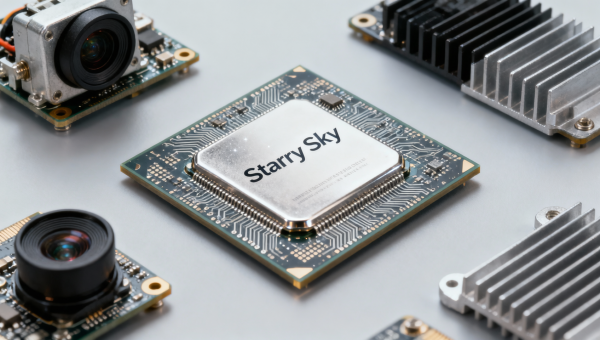
 Horizon Robotics Launches 'Starry Sky' Cockpit-ADAS Fusion ChipHorizon Robotics 'Starry Sky' cockpit-ADAS fusion chip launches April 2026 — cut BOM costs up to $400/vehicle. Key for exporters targeting MENA & ASEAN.
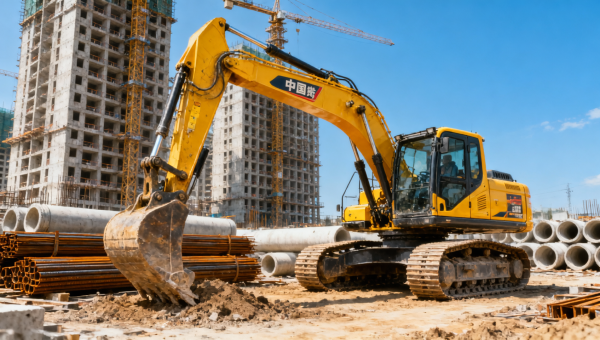
 China's Construction Machinery Exports Up 33.4% YoY in Jan–Feb 2026China's construction machinery exports surged 33.4% YoY in Jan–Feb 2026—driven by localized service in MEA & LatAm. Discover what this means for your global equipment strategy.
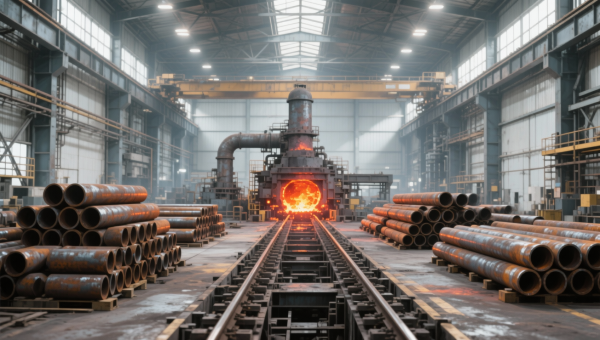
 EU CBAM Steel Carbon Tariff Takes Full Effect on Jan 1, 2026EU CBAM steel carbon tariff takes full effect Jan 1, 2026—exporters must submit verified lifecycle emissions data now. Act before delays & rejections hit.
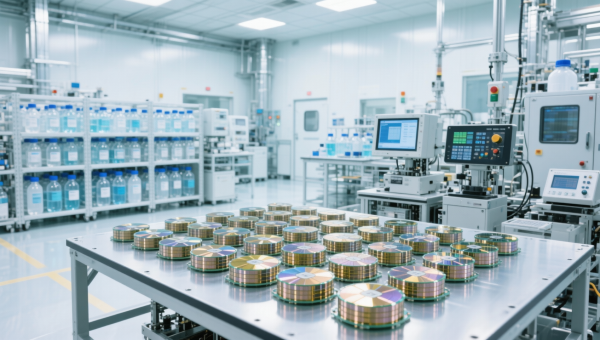
 Japan Boosts Rapidus with ¥631.5B; China Semiconductor Export Opportunities RiseJapan’s ¥631.5B Rapidus boost unlocks China semiconductor export opportunities—especially in high-purity chemicals, precision components & cleanroom equipment. Act now.
 EU REACH Adds 12 SVHCs: Impact on China's Chemical, Plastic & Coating ExportsEU REACH adds 12 SVHCs, impacting China's chemical, plastic & coating exports. Learn key compliance actions & market risks before the Oct 2026 deadline.
 China Launches First Global Battery Lifecycle Traceability PlatformChina launches the first global battery lifecycle traceability platform, revolutionizing EV and energy storage compliance. Learn how this impacts manufacturers, exporters, and recyclers worldwide.
 Vietnam's Home Energy Storage Demand Doubles, Boosting Chinese ExportsVietnam's home energy storage demand doubles, boosting Chinese exports of inverters & LFP batteries. Learn how 217% export growth creates opportunities amid power instability.
 EU REACH Adds 12 SVHCs: China's Chemical, Plastic, and Coating Exports Must Comply Within 6 MonthsEU REACH adds 12 new SVHCs, impacting China's chemical, plastic, and coating exports. Companies must comply with SCIP notifications within 6 months. Learn key actions for affected industries.
 China Releases 100 5G Factory Applications Covering Key Export IndustriesChina's MIIT releases 100 5G factory applications, transforming key export industries like automotive, PCB, and textiles. Discover how these smart manufacturing solutions impact global supply chains and supplier evaluations.
 U.S.-Iran Ceasefire Takes Effect, Strait of Hormuz Shipping Returns to Normal, Middle East Logistics Costs Drop 35%U.S.-Iran ceasefire stabilizes Strait of Hormuz shipping, cutting Middle East logistics costs by 35%. Learn how exporters of industrial goods & solar equipment can benefit from improved trade routes.
 China-Thailand Agricultural & Green Manufacturing Cooperation: Key Impacts on Rubber, Farm Machinery, and Solar SectorsExplore how China-Thailand agricultural & green manufacturing cooperation impacts rubber, farm machinery, and solar sectors. Learn about reduced compliance costs and faster market access for exporters.
 Hainan Launches 'Zero Wait' Customs for Medical Devices & Smart SensorsHainan's 'zero wait' customs for medical devices & smart sensors slashes export cycles by 50% at Yangpu Port. Urgent orders to ASEAN, Middle East & Latin America now clear in 30 minutes. Learn how this boosts time-sensitive exports.
 China Launches Full Lifecycle Battery Traceability Platform, Mandates Export ComplianceChina's new battery traceability platform mandates export compliance for EU, US & South Korea markets. Learn how battery manufacturers, NEV producers, and energy storage providers can adapt to avoid clearance barriers and secure certifications.
 U.S. Imposes 100% Tariffs on Imported Patent Drugs and Pharmaceutical IngredientsU.S. imposes 100% tariffs on imported patent drugs and pharmaceutical ingredients, impacting global API supply chains. Learn how this affects manufacturers, importers, and compliance strategies.
 China-Thailand Agricultural & Green Manufacturing Cooperation: Key ImpactsExplore how China-Thailand agricultural & green manufacturing cooperation impacts rubber, farm machinery & solar sectors. Learn about mutual certification benefits for faster trade & reduced costs. Key insights for businesses.









Popular Tags
Global Trade Insights & Industry
Our mission is to empower global exporters and importers with data-driven insights that foster strategic growth.
Search News
Popular Tags
Industry Overview
The global commercial kitchen equipment market is projected to reach $112 billion by 2027. Driven by urbanization, the rise of e-commerce food delivery, and strict hygiene regulations.