

Office stationery wholesale gets harder when low-value items run out fast
Office stationery wholesale becomes far more difficult when low-value, fast-moving items run out before the next replenishment cycle. For procurement teams, these small shortages can trigger workflow delays, higher emergency buying costs, and supplier instability. Understanding why these stockouts happen—and how smarter sourcing, inventory planning, and market visibility can reduce them—is essential for keeping office supply operations efficient and competitive.
Understanding the challenge behind frequent stockouts
In many organizations, Office stationery wholesale is often treated as a routine category. Pens, sticky notes, clips, toner-compatible accessories, labels, envelopes, correction tools, folders, and desk consumables are inexpensive compared with machinery, electronics, or strategic raw materials. Yet this category behaves differently from its low unit value would suggest. Demand is fragmented across departments, usage is irregular but constant, and product lines are broad. As a result, a missing carton of labels or a delayed batch of printer paper can create friction far beyond its purchase price.
That is why buyers and supply planners increasingly pay attention to the hidden complexity of Office stationery wholesale. The challenge is not simply finding a supplier. It is maintaining availability across dozens or hundreds of small, fast-moving stock keeping units while balancing lead time, minimum order quantity, budget discipline, and service quality. In practice, low-value items often suffer from under-planning because they do not receive the same analytical focus as larger categories.
For procurement professionals, the issue matters because stockouts in office supplies expose wider weaknesses in replenishment logic, supplier communication, and demand visibility. A category that appears operationally simple can become a recurring source of urgent buying, excess freight costs, duplicated orders, and end-user dissatisfaction. In a competitive business environment, preventing these losses is part of smarter category management.
Why the market pays attention to low-value stationery items
The office supply market has changed in recent years. Product variety has expanded, private-label sourcing has become more common, and cross-border fulfillment now influences even basic stationery distribution. Buyers are also managing hybrid work patterns, decentralized ordering, sustainability requirements, and pressure to consolidate vendors. These forces make Office stationery wholesale less predictable than it used to be.
At the same time, low-value items move quickly. A procurement team may monitor premium equipment closely while overlooking simple consumables that turn over every week. Because these items are cheap, organizations often delay purchasing decisions, rely on informal usage estimates, or allow multiple teams to order independently. This creates a classic visibility gap: demand is real, but not properly captured in time.
For global B2B observers such as GTIIN and high-authority trade intelligence platforms like TradeVantage, this category is significant because it reflects a broader pattern in supply chains: the most disruptive shortages are not always the most expensive ones. Real-time industry information, supplier movement tracking, and market trend analysis help businesses see where logistics pressure, regional demand shifts, or manufacturing constraints may affect even basic office products. Better visibility supports better replenishment decisions.
What makes Office stationery wholesale operationally complex
Several structural factors explain why Office stationery wholesale becomes harder when low-value items run out quickly.
Wide SKU range with uneven demand
Office stationery categories usually contain many similar items with small specification differences such as color, size, pack quantity, paper weight, adhesive grade, or filing format. Some are consumed daily, while others are required only during reporting periods, onboarding cycles, marketing events, or compliance audits. This uneven pattern makes forecasting difficult if historical data is incomplete.
Low unit value leads to low management priority
Because each item costs little, organizations may not invest in systematic reorder points, supplier scorecards, or category segmentation. However, the total cost of disruption can exceed the savings achieved by loose control. Emergency purchases, split shipments, rush approvals, and labor time all add hidden expense.
Supplier consolidation can reduce flexibility
Many companies prefer a single supplier for convenience. While that may simplify billing, it can increase risk if the vendor has weak inventory depth in fast-moving items. Office stationery wholesale performs better when procurement teams understand which products require backup sources and which can safely remain single-sourced.
Longer replenishment chains for basic goods
Basic stationery is often imported, consolidated, relabeled, or packed in regional warehouses before reaching the end buyer. A stockout may originate far upstream in pulp supply, plastic resin availability, print packaging delay, or port congestion. Without market intelligence, buyers may misread these issues as isolated supplier failures.
A practical overview of risk points in the category
The following overview shows where procurement teams typically encounter pressure in Office stationery wholesale and how those risks affect day-to-day operations.
Business value of stronger control in office supply sourcing
Improving Office stationery wholesale performance is not only about avoiding inconvenience. It creates measurable business value across procurement, finance, and operations. First, it lowers the total cost of ownership. When buyers reduce emergency orders and unnecessary freight, the category becomes more predictable and easier to budget. Second, it strengthens internal service levels. Staff can work without interruptions caused by missing essentials.
Third, it supports better supplier strategy. By identifying fast-moving low-value items separately from slower, specialty products, organizations can negotiate more effectively and set realistic replenishment expectations. Fourth, it improves data quality. Once usage patterns are visible, procurement teams can standardize product selection, eliminate duplicate SKUs, and reduce long-tail waste. This is especially useful for multi-site companies, shared service centers, educational institutions, and export-oriented offices with varied administrative needs.
Finally, consistent supply contributes to digital trust and vendor performance transparency. In a market where businesses increasingly rely on data-driven trade platforms for market signals, visibility into supplier capacity and category movement becomes an advantage. Industry intelligence can help buyers identify emerging risks earlier rather than reacting after shelves are empty.
Common operating environments where stockouts become critical
Not every organization experiences the same level of risk in Office stationery wholesale. The following scenarios are especially vulnerable to low-value item shortages.
Practical steps to make Office stationery wholesale more resilient
A more resilient approach does not require complicated systems at the start. Procurement teams can begin with a structured review of consumption patterns, supply risk, and reorder behavior.
Segment products by movement, not just by price
Low-value does not mean low importance. Classify items into fast-moving essentials, seasonal items, specialty products, and low-usage tail items. The fastest-moving essentials should have tighter reorder controls and clearer fallback options.
Build reorder points around consumption reality
Many stockouts happen because replenishment cycles are calendar-based instead of usage-based. Office stationery wholesale performs better when reorder points reflect actual withdrawal rates, supplier lead times, and variability by location. Even a simple monthly review can significantly improve availability.
Reduce unnecessary SKU complexity
Standardization is one of the most effective controls. If three similar pen models or five nearly identical label sizes are approved without clear need, stock becomes fragmented. Rationalizing the catalog improves fill rates and lowers the chance of slow-moving leftovers.
Evaluate supplier depth, not just quoted price
A competitive quotation matters, but procurement teams should also examine stockholding policy, regional warehouse coverage, substitution capability, and communication speed. Reliable Office stationery wholesale depends on fulfillment strength as much as cost efficiency.
Use market intelligence to anticipate disruption
Trade data, supplier news, logistics updates, and category trend reporting offer practical advantages. Platforms that aggregate industrial intelligence across regions can help buyers detect early signals, such as transport congestion, raw material price shifts, or production interruptions affecting paper, plastics, packaging, or adhesives. This is where trusted B2B information portals add value beyond traditional sourcing directories.
What procurement teams should monitor on a regular basis
To keep Office stationery wholesale stable, buyers should not rely on one-time cleanup efforts alone. Ongoing monitoring is essential. Key indicators include stockout frequency by SKU, average replenishment lead time, percentage of emergency orders, supplier fill rate, number of active duplicate items, and monthly usage variance. These metrics help reveal whether the category is improving or drifting back into reactive purchasing.
Communication discipline also matters. End users should know which products are standard, what the lead time expectations are, and how urgent requests are handled. Procurement teams need a simple escalation path for items that repeatedly fail service targets. Without this, the category remains trapped in short-term fixes.
A steady path forward for buyers
The difficulty in Office stationery wholesale does not come from the price of the products. It comes from the mismatch between how important these items are to daily work and how lightly they are often managed. When low-value supplies run out quickly, the result is avoidable cost, operational friction, and weaker supplier performance.
For procurement professionals, the smartest response is a balanced one: define the category clearly, understand where demand is most volatile, standardize where possible, and support decisions with reliable market visibility. Businesses that combine internal inventory discipline with external trade intelligence are better positioned to reduce stockouts and build a more dependable office supply chain. In a market shaped by speed, data, and service expectations, that makes Office stationery wholesale not just a routine purchase area, but a meaningful opportunity for operational improvement.
Recommended News
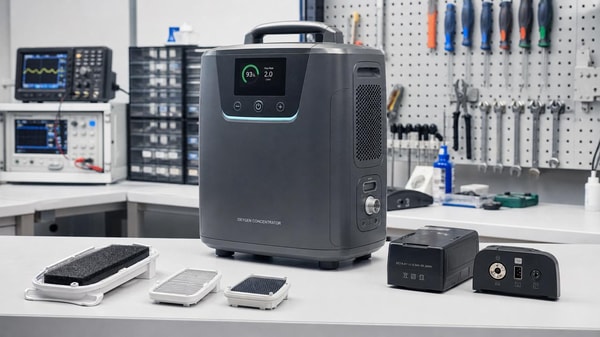
 Portable oxygen concentrators are quieter now, but are they easier to maintain?Portable oxygen concentrators are quieter, but are they easier to maintain? Explore service challenges, scenario-based insights, and smart ways to reduce downtime.
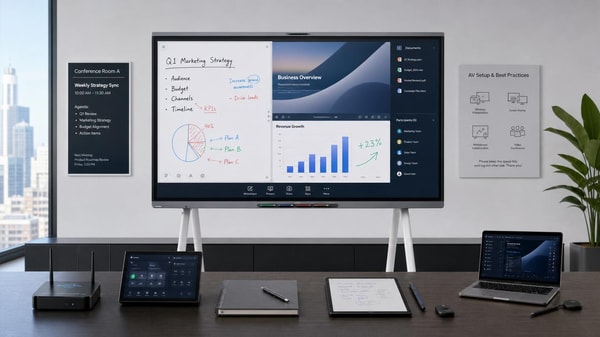
 Interactive whiteboards are underused when training stops after installationInteractive whiteboards often underperform when training ends at installation. Learn how continuous, role-based support boosts adoption, productivity, and ROI.
 Medical diagnostic equipment buying mistakes often start with workflow mismatchMedical diagnostic equipment buying mistakes often stem from workflow mismatch. Learn how to assess fit, avoid hidden costs, and choose scalable systems that support real clinical operations.
![]() Eco-friendly building materials can add compliance work, not just green valueEco-friendly building materials can boost sustainability but also add compliance work. Learn how they affect approvals, costs, timelines, and risk across key project scenarios.
Eco-friendly building materials can add compliance work, not just green valueEco-friendly building materials can boost sustainability but also add compliance work. Learn how they affect approvals, costs, timelines, and risk across key project scenarios. Ergonomic workspace design fails when posture is treated as the whole answerErgonomic workspace design fails when posture is the only focus. Learn how integrated planning improves productivity, retention, and workplace performance.
 Outdoor garden supplies demand changes faster than seasonal forecasts suggestOutdoor garden supplies demand is changing faster than seasonal forecasts. Discover key signals, sourcing strategies, and inventory tactics to stay competitive and capture growth.
 Sustainable home decor sells better when the material story is verifiableSustainable home decor wins more buyers when material claims are verifiable. Discover how traceable sourcing, certifications, and clear proof build trust and drive sales.
 Modern office furniture choices can raise complaints instead of comfortModern office furniture can improve productivity—or trigger costly complaints. Learn how to choose ergonomic, durable, flexible office solutions that support comfort and long-term value.
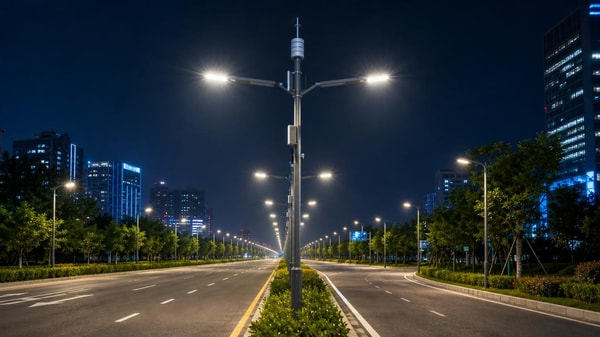
 Smart street lighting saves energy only when controls are tuned properlySmart street lighting saves energy only when controls are tuned to real traffic, safety, and maintenance needs. Learn how proper settings turn connected lighting into measurable ROI.
 Solid-state battery breakthroughs are real, but scaling is another storySolid-state battery breakthroughs are real, but scaling remains the real test. Explore where commercialization starts first, what limits adoption, and which markets may gain the earliest edge.
![]() Commercial LED lighting upgrades often disappoint in high-heat spacesCommercial LED lighting often underperforms in high-heat spaces. Learn the hidden causes, warning signs, and smart upgrade choices to improve reliability, safety, and long-term value.
Commercial LED lighting upgrades often disappoint in high-heat spacesCommercial LED lighting often underperforms in high-heat spaces. Learn the hidden causes, warning signs, and smart upgrade choices to improve reliability, safety, and long-term value.![]() Lithium battery storage projects look profitable until thermal risk is priced inLithium battery storage may look highly profitable, but thermal risk can change the real ROI. Discover the hidden costs, insurance impacts, and approval factors investors must assess.
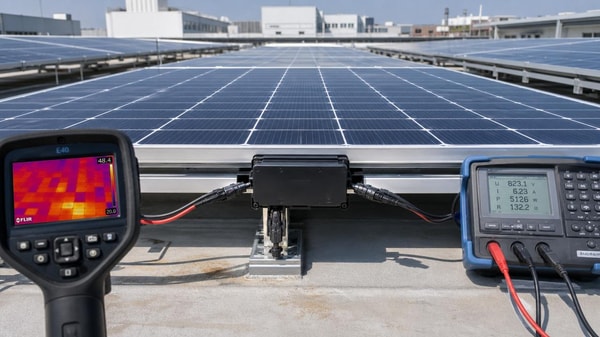
Lithium battery storage projects look profitable until thermal risk is priced inLithium battery storage may look highly profitable, but thermal risk can change the real ROI. Discover the hidden costs, insurance impacts, and approval factors investors must assess. Photovoltaic solar panels lose output for reasons many installers missPhotovoltaic solar panels lose output for more than dirt or age. Discover the hidden faults installers often miss and how smarter troubleshooting restores performance faster.
 Plant-based protein processing: why texture remains the hardest partPlant-based protein processing explained: discover why texture is the toughest challenge, how it affects scale-up and product quality, and what technical teams should evaluate for market-ready success.
 Foldable screen technology still faces a trust gap on long-term durabilityFoldable screen technology still excites buyers, but durability concerns remain. Explore hinge reliability, screen wear, and smart buying tips before choosing a foldable phone.
 Next-gen wireless charging sounds convenient, but what slows real rollout?Next-gen wireless charging looks effortless, but rollout is slowed by cost, efficiency, standards, and safety. Explore where real market value and adoption potential are emerging.
 Wearable technology adoption often stalls over charging habitsWearable technology adoption often slows when charging feels inconvenient. Discover practical buying checks, battery tips, and habit-based insights to choose a device you’ll actually keep using.
 Smart home devices wholesale is shifting from gadgets to ecosystemsSmart home devices wholesale is shifting from single gadgets to connected ecosystems. Learn how compatibility, repeat sales, and supplier strategy create stronger channel growth.
 Agri-PV systems can reduce land conflict, but not in every projectAgri-PV systems can ease land conflict, but only in the right scenarios. Explore where dual-use solar adds value, where risks rise, and how to screen projects before deployment.
![]() Organic fertilizers work slowly, so when do they make economic sense?Organic fertilizers can make strong economic sense when farms value premium pricing, healthier soils, and lower risk. See when slower returns lead to better long-term margins.
Organic fertilizers work slowly, so when do they make economic sense?Organic fertilizers can make strong economic sense when farms value premium pricing, healthier soils, and lower risk. See when slower returns lead to better long-term margins. Smart classroom solutions promise engagement, but what drives daily use?Smart classroom solutions succeed when they fit daily teaching workflows, integrate smoothly, and prove measurable value. Discover what drives real adoption and smarter investment.













Popular Tags
Global Trade Insights & Industry
Our mission is to empower global exporters and importers with data-driven insights that foster strategic growth.
Search News
Popular Tags
Industry Overview
The global commercial kitchen equipment market is projected to reach $112 billion by 2027. Driven by urbanization, the rise of e-commerce food delivery, and strict hygiene regulations.