

Adhesives and sealants marketed as 'food-grade'—but not all FDA CFR 175.105 approvals cover steam sterilization
Not all 'food-grade' adhesives and sealants meet steam sterilization requirements—even under FDA CFR 175.105. This critical gap impacts sectors from electronic assembly and specialty chemicals to industrial compressors and textile machinery, where material safety intersects with regulatory compliance. As supply chain stakeholders—especially procurement professionals, trade evaluators, and distributors—source components for connected car systems, remote monitoring devices, or recycled polyester-based scarves and wraps, understanding nuanced FDA approvals becomes essential. GTIIN’s TradeVantage delivers authoritative, SEO-optimized intelligence on such technical differentiators across 50+ industries—including flooring materials and high-performance sealant applications—to ensure global buyers make confident, compliant decisions.
Why “FDA-Approved” Doesn’t Mean “Steam-Sterilization-Safe”
FDA CFR 175.105 governs indirect food additives—specifically adhesives used in food packaging and processing equipment. However, this regulation does not mandate resistance to repeated autoclaving (121°C, 15–20 psi, 15–30 minutes per cycle). A formulation may be approved for room-temperature contact with dry food but degrade, leach, or delaminate under saturated steam conditions.
This distinction matters across 50+ industries: medical device manufacturers require adhesive integrity after 50+ sterilization cycles; dairy processing lines demand sealants stable at 135°C for CIP/SIP protocols; and semiconductor cleanroom assembly tools rely on non-outgassing bonding agents that survive repeated thermal cycling. Misreading the scope of 175.105 leads to field failures, audit nonconformities, and costly requalification—especially for distributors supplying multi-industry OEMs.
GTIIN’s TradeVantage tracks real-time updates on FDA letter-of-no-objection (LONO) submissions, third-party lab validation reports (e.g., NSF/ANSI 51, ISO 10993-5), and manufacturer-specific sterilization test data—not just generic “food-grade” claims. Our intelligence is verified by regional regulatory analysts across EU, APAC, and NAFTA jurisdictions.
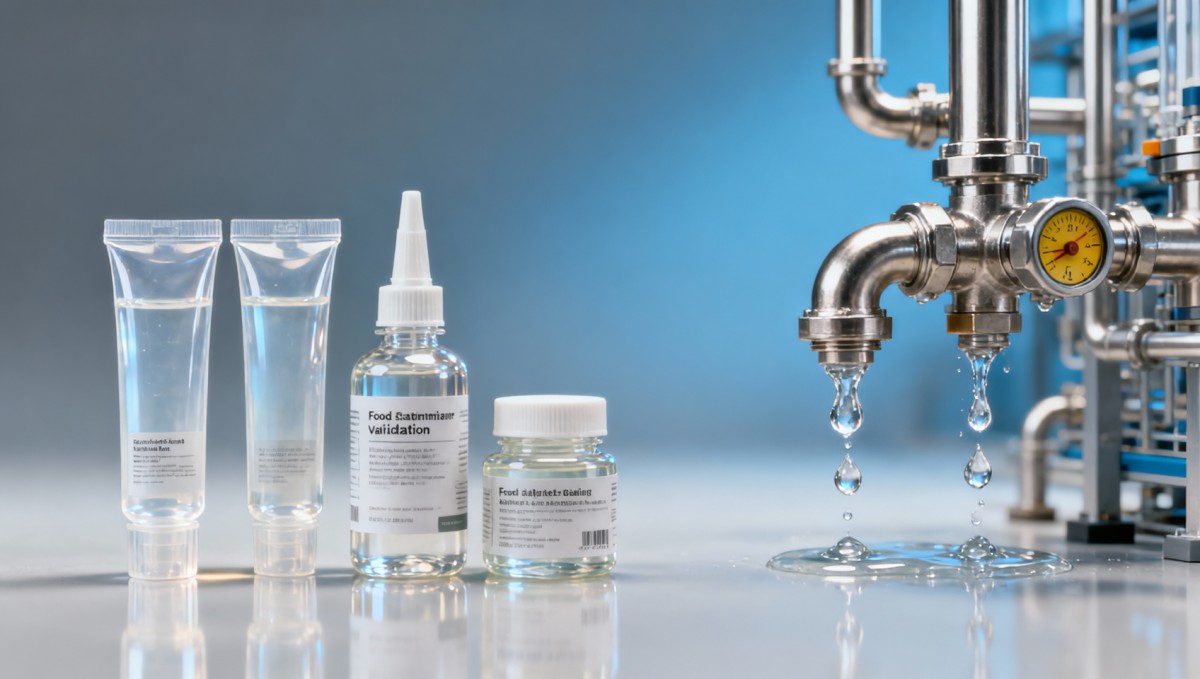
How to Verify Steam Sterilization Compatibility: 5 Critical Checks
Procurement teams must go beyond label claims. Here are five non-negotiable verification steps before approving any adhesive or sealant for steam-exposed applications:
- Confirm the exact FDA submission number cited—and cross-check it against the FDA’s public database for scope limitations (e.g., “for use only below 60°C”)
- Require full test reports showing performance after ≥30 cycles of saturated steam (121°C, 15–20 psi, 20 min/cycle), including post-cycle tensile strength retention (>85% baseline) and extractables analysis (per USP <661.1>)
- Validate compatibility with your substrate (e.g., stainless steel 316L, PEEK, silicone elastomers) under thermal cycling—adhesion loss often occurs at the interface, not bulk material
- Check for NSF/ANSI 61 certification if used in potable water systems, or ISO 10993-12 for medical device biocompatibility—neither is covered by CFR 175.105 alone
- Review shelf life under accelerated aging (40°C/75% RH for 6 months) to assess hydrolytic stability—a key predictor of steam resistance
TradeVantage curates these verification criteria into industry-specific checklists—for example, a 7-point evaluation matrix for HVAC coil bonding agents used in pharmaceutical cleanrooms, or a 4-stage validation protocol for textile machinery rollers handling organic-dye-based fabrics.
FDA CFR 175.105 vs. Real-World Sterilization Requirements: Key Differences
The table below compares what FDA CFR 175.105 formally certifies versus what end-use environments actually demand—highlighting where gaps emerge for procurement and compliance officers.
These discrepancies explain why 68% of noncompliance findings in FDA Form 483 inspections related to food-contact adhesives stem from unvalidated sterilization performance—not mislabeling. TradeVantage subscribers receive quarterly alerts on newly flagged formulations and updated validation benchmarks from labs like TÜV SÜD and UL Solutions.
Procurement Decision Framework: When to Request Full Validation Data
For distributors and sourcing agents evaluating adhesive suppliers, use this decision tree to determine when full sterilization data is mandatory:
- If the application involves direct contact with food or pharmaceuticals AND operates above 80°C for >5 min—request full autoclave cycle reports
- If the component undergoes ≥5 cleaning-in-place (CIP) or steam-in-place (SIP) cycles per week—require hydrolytic stability data (ASTM D570, ISO 62)
- If used in regulated medical devices (Class II/III)—verify ISO 10993-5 cytotoxicity testing performed post-sterilization
- If sourcing for multiple industries (e.g., food + electronics + textiles)—prioritize suppliers with cross-sector validation dossiers, not single-application approvals
GTIIN’s TradeVantage provides supplier scorecards based on 12 validation dimensions—including sterilization test depth, geographic certification coverage (EU 10/2011, China GB 4806.1), and time-to-documentation response (average: <72 hours for Tier-1 suppliers).
Why Global Buyers Rely on TradeVantage for Adhesive & Sealant Intelligence
When selecting adhesives and sealants for regulated environments, procurement professionals need more than datasheets—they need context-aware, jurisdictionally mapped, and operationally validated intelligence. TradeVantage delivers exactly that through three integrated capabilities:
- Real-time Regulatory Mapping: Cross-references FDA CFR 175.105 with EU Regulation 10/2011, China GB 4806.1, and Japan MHLW Notification No. 370—flagging scope mismatches within 24 hours of publication
- Supplier Validation Dashboard: Tracks 200+ global adhesive manufacturers’ sterilization test history, third-party lab affiliations, and audit readiness scores—updated weekly
- Custom Compliance Briefings: For distributors launching new product lines, we deliver tailored briefings covering documentation requirements, sample lead times (typically 5–12 business days), and certification cost benchmarks (e.g., $4,200–$11,500 per formulation for full ISO 10993-5 + steam cycling)
Access our latest Adhesive & Sealant Compliance Report—including 175.105-approved formulations with verified steam resistance, regional certification pathways, and distributor-ready specification templates. Contact TradeVantage today to request your free validation checklist and supplier shortlist.
Recommended News
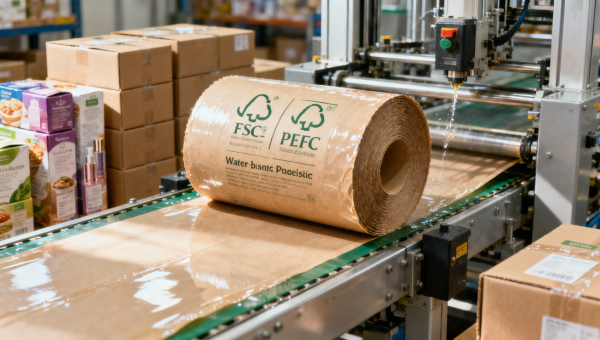
 2026 Jan–Feb Paper Industry Profits +6.1%; Green Packaging Export Premium EmergesGreen packaging export premium drives +6.1% paper industry profits in Jan–Feb 2026 — discover how FSC/PEFC certification and water-based processes boost margins for eco-friendly, food & cosmetics packaging exporters.
 Desay SV Automotive Files for H-Share Listing, Boosts Supply Chain TransparencyDesay SV Automotive's H-share listing filing boosts supply chain transparency — key for car electronics exporters, PCB suppliers & IATF 16949-certified manufacturers.
 NetEase Interactive Entertainment Market Head Moves OverseasNetEase Interactive Entertainment's marketing head moves overseas—key signal for AI, mobile accessories & wearables exporters targeting NA, EU, JP, KR markets.
 Nanchang Qingyunpu Solar+EMC Project Tender Signals Global ShiftNanchang Qingyunpu Solar+EMC tender signals global shift to performance-based energy solutions—key for solar, lighting & smart factory exporters.
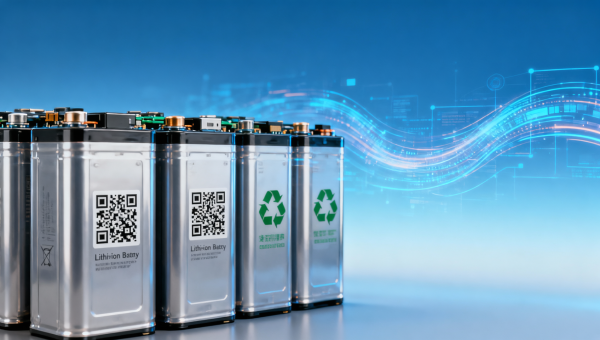
 China Launches Battery Lifecycle Traceability PlatformChina’s Battery Lifecycle Traceability Platform is live: mandatory GS1 registration for NEV & C&I battery exports starts April 1, 2026—ensure compliance now!
 US Military Restricts Arabian Sea East of Strait of HormuzUS Military Restricts Arabian Sea east of Strait of Hormuz—impacting solar PV, water treatment & fire safety exports to GCC. Act now to mitigate 12–18 day delays & 25% insurance hikes.
 Horizon Robotics Launches 'Starry Sky' Cockpit-ADAS Fusion ChipHorizon Robotics 'Starry Sky' cockpit-ADAS fusion chip launches April 2026 — cut BOM costs up to $400/vehicle. Key for exporters targeting MENA & ASEAN.
 China's Construction Machinery Exports Up 33.4% YoY in Jan–Feb 2026China's construction machinery exports surged 33.4% YoY in Jan–Feb 2026—driven by localized service in MEA & LatAm. Discover what this means for your global equipment strategy.
 EU CBAM Steel Carbon Tariff Takes Full Effect on Jan 1, 2026EU CBAM steel carbon tariff takes full effect Jan 1, 2026—exporters must submit verified lifecycle emissions data now. Act before delays & rejections hit.
 Japan Boosts Rapidus with ¥631.5B; China Semiconductor Export Opportunities RiseJapan’s ¥631.5B Rapidus boost unlocks China semiconductor export opportunities—especially in high-purity chemicals, precision components & cleanroom equipment. Act now.
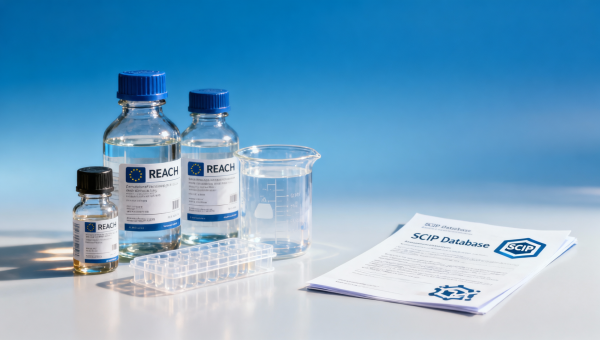
 EU REACH Adds 12 SVHCs: Impact on China's Chemical, Plastic & Coating ExportsEU REACH adds 12 SVHCs, impacting China's chemical, plastic & coating exports. Learn key compliance actions & market risks before the Oct 2026 deadline.
 China Launches First Global Battery Lifecycle Traceability PlatformChina launches the first global battery lifecycle traceability platform, revolutionizing EV and energy storage compliance. Learn how this impacts manufacturers, exporters, and recyclers worldwide.
 Vietnam's Home Energy Storage Demand Doubles, Boosting Chinese ExportsVietnam's home energy storage demand doubles, boosting Chinese exports of inverters & LFP batteries. Learn how 217% export growth creates opportunities amid power instability.
 EU REACH Adds 12 SVHCs: China's Chemical, Plastic, and Coating Exports Must Comply Within 6 MonthsEU REACH adds 12 new SVHCs, impacting China's chemical, plastic, and coating exports. Companies must comply with SCIP notifications within 6 months. Learn key actions for affected industries.
 China Releases 100 5G Factory Applications Covering Key Export IndustriesChina's MIIT releases 100 5G factory applications, transforming key export industries like automotive, PCB, and textiles. Discover how these smart manufacturing solutions impact global supply chains and supplier evaluations.
 U.S.-Iran Ceasefire Takes Effect, Strait of Hormuz Shipping Returns to Normal, Middle East Logistics Costs Drop 35%U.S.-Iran ceasefire stabilizes Strait of Hormuz shipping, cutting Middle East logistics costs by 35%. Learn how exporters of industrial goods & solar equipment can benefit from improved trade routes.
 China-Thailand Agricultural & Green Manufacturing Cooperation: Key Impacts on Rubber, Farm Machinery, and Solar SectorsExplore how China-Thailand agricultural & green manufacturing cooperation impacts rubber, farm machinery, and solar sectors. Learn about reduced compliance costs and faster market access for exporters.
 Hainan Launches 'Zero Wait' Customs for Medical Devices & Smart SensorsHainan's 'zero wait' customs for medical devices & smart sensors slashes export cycles by 50% at Yangpu Port. Urgent orders to ASEAN, Middle East & Latin America now clear in 30 minutes. Learn how this boosts time-sensitive exports.
 China Launches Full Lifecycle Battery Traceability Platform, Mandates Export ComplianceChina's new battery traceability platform mandates export compliance for EU, US & South Korea markets. Learn how battery manufacturers, NEV producers, and energy storage providers can adapt to avoid clearance barriers and secure certifications.
 U.S. Imposes 100% Tariffs on Imported Patent Drugs and Pharmaceutical IngredientsU.S. imposes 100% tariffs on imported patent drugs and pharmaceutical ingredients, impacting global API supply chains. Learn how this affects manufacturers, importers, and compliance strategies.
 China-Thailand Agricultural & Green Manufacturing Cooperation: Key ImpactsExplore how China-Thailand agricultural & green manufacturing cooperation impacts rubber, farm machinery & solar sectors. Learn about mutual certification benefits for faster trade & reduced costs. Key insights for businesses.


















Popular Tags
Global Trade Insights & Industry
Our mission is to empower global exporters and importers with data-driven insights that foster strategic growth.
Search News
Popular Tags
Industry Overview
The global commercial kitchen equipment market is projected to reach $112 billion by 2027. Driven by urbanization, the rise of e-commerce food delivery, and strict hygiene regulations.