

Plant-based protein processing: why texture remains the hardest part
In Plant-based protein processing, achieving a meat-like texture remains the most difficult hurdle for technical evaluators and product developers alike. While flavor and nutrition can be adjusted with relative precision, texture depends on a complex interaction of protein structure, moisture, shear, and thermal conditions. Understanding why this challenge persists is essential for assessing processing technologies, production scalability, and long-term product performance in competitive global markets.
What texture means in Plant-based protein processing
For technical evaluation teams, texture is not a single attribute. In Plant-based protein processing, it includes fibrousness, chewiness, juiciness retention, bite resistance, elasticity, and breakdown during mastication. A plant-based burger, nugget, or strip may meet protein targets and still fail if its texture feels pasty, rubbery, dry, or unstable after cooking. This is why texture remains the hardest part: it sits at the intersection of material science, process engineering, and sensory performance.
Animal muscle has a naturally organized structure made of aligned fibers, connective tissue, and fat distribution. Plant proteins do not begin with that architecture. Instead, manufacturers must build structure from ingredients that were never designed by nature to behave like muscle. Soy, pea, wheat, faba, chickpea, and other proteins each carry different solubility, gelation, water-holding, and denaturation profiles. In practical terms, Plant-based protein processing is an exercise in structure creation rather than structure preservation.
Why the industry pays close attention to this challenge
Across food manufacturing, foodservice, and export-oriented supply chains, texture has become a core commercial variable. Many first-generation plant-based products achieved acceptable flavor masking and nutrition claims, but repeat purchase often depended on mouthfeel and bite. Technical evaluators therefore assess not only whether a product works in a lab, but whether its structure survives industrial throughput, freezing, reheating, shelf-life demands, and regional consumer expectations.
This is especially relevant in a global B2B context. Buyers, importers, co-manufacturers, and brand owners need confidence that processing conditions can be translated across facilities and markets. A formula that performs well on a pilot extruder in one country may not reproduce the same texture at commercial scale elsewhere. For intelligence-driven platforms such as GTIIN and TradeVantage, this makes Plant-based protein processing a high-value topic because it influences equipment selection, sourcing strategy, product claims, and market readiness.
The core technical reasons texture remains difficult
Protein source variability
Plant proteins are highly variable by origin, crop season, extraction method, and purity level. Two pea protein lots with similar specification sheets may behave differently under heat and shear. Functional variability affects hydration rate, aggregation, viscosity, and final structure. For technical evaluators, this means raw material equivalence cannot be assumed even when label names are identical.
Limited natural fiber formation
Meat-like texture often requires directional alignment of proteins. In Plant-based protein processing, creating visible and sensory fiber is difficult because plant proteins tend to form globular aggregates or homogeneous gels rather than layered muscle-like strands. High-moisture extrusion and shear-cell technologies can induce alignment, but the resulting structure is sensitive to moisture content, cooling profile, and residence time.
Water management complexity
Texture is strongly influenced by how water is absorbed, bound, released, and redistributed during processing and cooking. Too much free water can create softness and collapse; too little can result in density and dryness. Water also interacts with starches, fibers, hydrocolloids, and lipids, making formulation behavior more complex than protein concentration alone would suggest.
Fat behavior and lubrication gaps
Animal fat contributes melt, aroma release, and lubrication during chewing. In plant-based systems, replacing that function is difficult. Coconut oil, sunflower oil, canola oil, structured emulsions, and encapsulated fats each alter processing differently. When fat distribution is poor, the texture may feel waxy or dry even if protein structuring is technically successful.
Scale-up sensitivity
Small shifts in screw configuration, barrel temperature, die geometry, pressure, cooling, or feed consistency can cause major texture changes. Technical teams evaluating Plant-based protein processing must therefore treat scale-up as a texture risk, not only an operational step. A structurally promising formula may become commercially weak if process windows are too narrow for stable production.
Industry overview: where texture pressure is highest
Not all product categories demand the same textural sophistication. Some applications tolerate a uniform bite, while others require layered fibers and juiciness close to whole-muscle meat. The table below helps technical evaluators map processing difficulty against common commercial categories.
Common processing routes and their texture implications
Several technologies dominate Plant-based protein processing, but each creates a different structure and comes with different trade-offs. Understanding these distinctions helps evaluators avoid comparing products with unrealistic expectations.
Low-moisture extrusion
This method is widely used to make texturized vegetable protein for later rehydration. It offers good storage efficiency and global transport suitability, but the final texture depends heavily on downstream hydration and formulation. It works well for crumbles and some formed products, yet it struggles to deliver premium whole-muscle eating quality.
High-moisture extrusion
High-moisture systems can create more aligned and fibrous structures. However, they require tighter control over thermal gradients, cooling dies, and protein interactions. They are often preferred for strips and chunks, but texture reproducibility can become difficult when ingredient lots change or when production scale expands.
Shear-based structuring and emerging methods
Shear-cell processing, fermentation-assisted structuring, and hybrid methods are attracting interest because they may provide cleaner fiber development or novel bite characteristics. Still, many of these approaches are at different stages of industrial maturity. For technical evaluators, the issue is not only whether they can create texture, but whether they can do so consistently, economically, and at export-ready scale.
Who gains practical value from better texture understanding
Texture-focused analysis in Plant-based protein processing has value across multiple roles in the supply chain. It is not just a formulation concern.
How technical evaluators should assess texture risk
A strong review framework for Plant-based protein processing should combine instrument data, process data, and use-case testing. Texture should not be approved based on a single sensory panel or one successful pilot run. Instead, evaluators should look at several dimensions together.
First, review ingredient functionality beyond the supplier specification sheet. Solubility, hydration kinetics, particle size, and thermal response are often more useful than headline protein percentage. Second, map the process window. If acceptable texture exists only in a very narrow temperature or moisture band, commercial risk may be high. Third, test texture after realistic abuse conditions such as freezing, reheating, holding time, and regional cooking practices. Fourth, compare early-batch and later-batch consistency, since many texture defects appear only after prolonged operation.
It is also important to align evaluation metrics with product positioning. A value-tier patty and a premium whole-cut analog should not be judged by the same texture standards. The right question is not whether a plant-based product perfectly replicates meat in every dimension, but whether its textural performance supports the intended consumer promise and supply chain model.
Practical guidance for improving Plant-based protein processing outcomes
Companies seeking better texture should begin with a systems perspective. Protein source, moisture, lipids, binders, and process conditions should be optimized as an integrated matrix rather than in isolation. A better protein isolate alone rarely solves structure problems if die cooling, shear history, or emulsion stability remain weak.
Another practical step is to build ingredient redundancy into sourcing strategies. Because crop and process variability affect texture, qualifying alternative suppliers or blended protein systems can improve resilience. In parallel, digital process monitoring can help identify early signals of structure drift during commercial runs. For export-facing businesses, it is also wise to validate texture under destination-market preparation methods, including pan-frying, grilling, steaming, or microwave reheating.
Finally, teams should treat texture as a strategic market variable, not only a sensory detail. Better textural control can support premium pricing, lower complaint rates, stronger customer retention, and easier cross-border commercialization. In a crowded plant-based sector, structural performance often becomes the practical proof of technical maturity.
Conclusion and next-step perspective
Plant-based protein processing continues to advance, but texture remains the hardest part because it depends on the successful coordination of ingredients, structure formation, water management, fat behavior, and scalable process control. For technical evaluators, this challenge is not a barrier to innovation; it is the key lens through which technologies, suppliers, and production models should be judged.
As global markets demand more reliable meat alternatives, decision-makers need intelligence that goes beyond trend headlines. They need evidence on how texture performs across categories, facilities, and trade conditions. That is where high-authority industry insight becomes valuable. By tracking processing developments, supplier capabilities, and market response across sectors, platforms such as GTIIN and TradeVantage help businesses turn Plant-based protein processing from a promising concept into a more measurable, scalable, and commercially credible opportunity.
Recommended News
 China's Smart Electric Wheelchair Exports Face EU MDR Compliance Shift from Q3 2026China's smart electric wheelchair exports must meet EU MDR + CE dual certification by Q3 2026 — only 12 manufacturers comply. Act now to secure market access.
 Apple Opens AI Service Hub to Third Parties: New Export Path for Chinese AIoT HardwareApple's AI Service Hub opens new export opportunities for Chinese AIoT hardware—enabling iFLYTEK, SenseTime & others to power HomeKit, CarPlay & HealthKit with on-device AI.
 GPT-5.5 Instant Rollout Impacts AI SaaS Exporters’ SLAsGPT-5.5 Instant rollout reshapes AI SaaS exporters’ SLAs—learn how P95 latency, multimodal context, and contract compliance impact your global clients now.
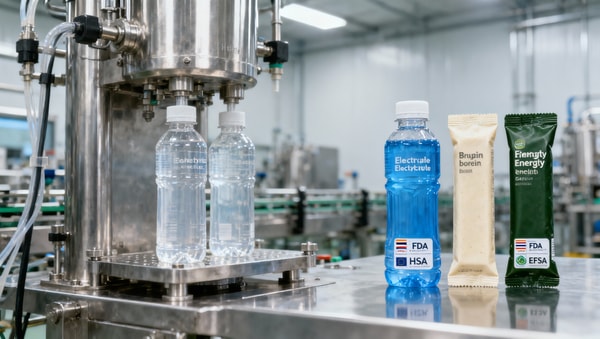
 Red Bull SA15 Uses Tiantai Energy Solutions: China OEM Compliance Gains ASEAN AttentionRed Bull SA15 adopts Tiantai’s China OEM energy solutions—triple-registered (TH FDA, SG HSA, EU EFSA). A benchmark for ASEAN importers & nutraceutical manufacturers seeking compliant, scalable sourcing.
 China’s New GB 4343.1-2026 Mobile Power Bank Standard Takes Effect Nov 2026GB 4343.1-2026 mobile power bank standard takes effect Nov 2026—learn key compliance steps, dual-protocol requirements & global certification strategy.
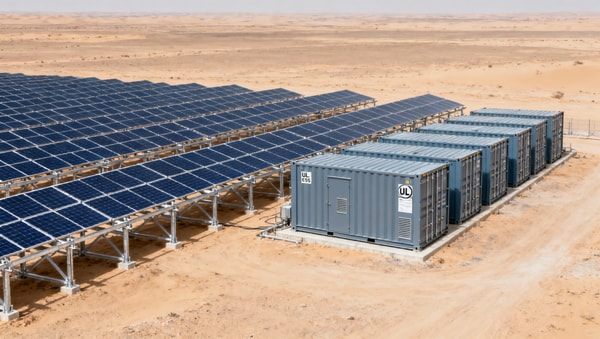
 Morocco Ranks 4th in EU Africa Energy Aid; China PV Mounting & ESS Export Path WidensMorocco ranks 4th in EU Africa energy aid—unlocking new PV mounting & ESS export opportunities for certified Chinese suppliers. Act now to leverage the white-list advantage.
 China Holds 68% of Global Autonomous Sanitation Vehicle PatentsChina holds 68% of global autonomous sanitation vehicle patents—key for smart infrastructure exporters, AI developers & edge hardware suppliers targeting GCC tenders.
") China’s Petrochemical Plant Upgrade Policy (2026–2029)China’s Petrochemical Plant Upgrade Policy (2026–2029) mandates safety assessments & intelligent upgrades for aging equipment—key for exporters, EPC firms, and certified equipment suppliers.
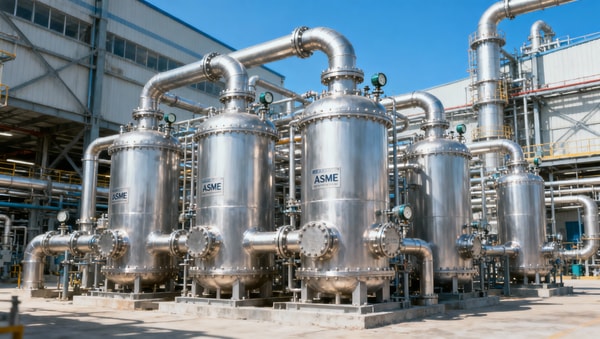
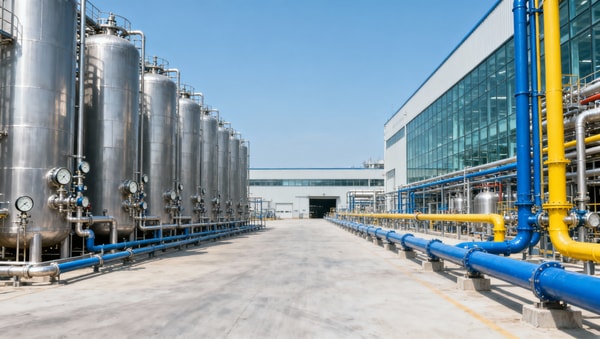
China’s Petrochemical Plant Upgrade Policy (2026–2029)China’s Petrochemical Plant Upgrade Policy (2026–2029) mandates safety assessments & intelligent upgrades for aging equipment—key for exporters, EPC firms, and certified equipment suppliers. U.S. Natural Gas Inventory Rise Below Expectations: Export Cost Pressure on PVC, ABS, CoatingsU.S. natural gas inventory rise fell short—impacting PVC, ABS & coatings exporters. Discover cost risks, mitigation steps & pricing insights now.
 EN 62368-1:2026 Enforced in EU: Thermal Runaway Protection Required for Wearables & Smart Home DevicesEN 62368-1:2026 mandates thermal runaway protection for wearables & smart home devices in the EU—act now to ensure CE compliance and avoid market access delays.
 Portable oxygen concentrators are quieter now, but are they easier to maintain?Portable oxygen concentrators are quieter, but are they easier to maintain? Explore service challenges, scenario-based insights, and smart ways to reduce downtime.
 Interactive whiteboards are underused when training stops after installationInteractive whiteboards often underperform when training ends at installation. Learn how continuous, role-based support boosts adoption, productivity, and ROI.
 Medical diagnostic equipment buying mistakes often start with workflow mismatchMedical diagnostic equipment buying mistakes often stem from workflow mismatch. Learn how to assess fit, avoid hidden costs, and choose scalable systems that support real clinical operations.
![]() Eco-friendly building materials can add compliance work, not just green valueEco-friendly building materials can boost sustainability but also add compliance work. Learn how they affect approvals, costs, timelines, and risk across key project scenarios.
Eco-friendly building materials can add compliance work, not just green valueEco-friendly building materials can boost sustainability but also add compliance work. Learn how they affect approvals, costs, timelines, and risk across key project scenarios. Ergonomic workspace design fails when posture is treated as the whole answerErgonomic workspace design fails when posture is the only focus. Learn how integrated planning improves productivity, retention, and workplace performance.
 Outdoor garden supplies demand changes faster than seasonal forecasts suggestOutdoor garden supplies demand is changing faster than seasonal forecasts. Discover key signals, sourcing strategies, and inventory tactics to stay competitive and capture growth.
 Sustainable home decor sells better when the material story is verifiableSustainable home decor wins more buyers when material claims are verifiable. Discover how traceable sourcing, certifications, and clear proof build trust and drive sales.
 Modern office furniture choices can raise complaints instead of comfortModern office furniture can improve productivity—or trigger costly complaints. Learn how to choose ergonomic, durable, flexible office solutions that support comfort and long-term value.
 Smart street lighting saves energy only when controls are tuned properlySmart street lighting saves energy only when controls are tuned to real traffic, safety, and maintenance needs. Learn how proper settings turn connected lighting into measurable ROI.
 Solid-state battery breakthroughs are real, but scaling is another storySolid-state battery breakthroughs are real, but scaling remains the real test. Explore where commercialization starts first, what limits adoption, and which markets may gain the earliest edge.
![]() Commercial LED lighting upgrades often disappoint in high-heat spacesCommercial LED lighting often underperforms in high-heat spaces. Learn the hidden causes, warning signs, and smart upgrade choices to improve reliability, safety, and long-term value.
Commercial LED lighting upgrades often disappoint in high-heat spacesCommercial LED lighting often underperforms in high-heat spaces. Learn the hidden causes, warning signs, and smart upgrade choices to improve reliability, safety, and long-term value.














Popular Tags
Global Trade Insights & Industry
Our mission is to empower global exporters and importers with data-driven insights that foster strategic growth.
Search News
Popular Tags
Industry Overview
The global commercial kitchen equipment market is projected to reach $112 billion by 2027. Driven by urbanization, the rise of e-commerce food delivery, and strict hygiene regulations.