

Sodium-Ion Battery Mass Production Accelerates for Energy Storage
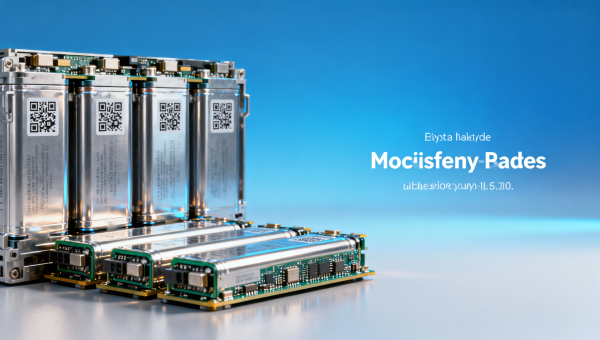
Sodium-ion battery (Na-ion) energy storage systems are entering a new phase of commercial deployment, with key Chinese manufacturers — including HiNa Battery and Penghui Energy — scheduled to achieve full production capacity in Q1 2026. This development introduces a lower-cost, higher-safety alternative for global off-grid and distributed renewable energy storage applications, particularly relevant for exporters of solar photovoltaic systems and grid-scale storage solutions.
Event Overview
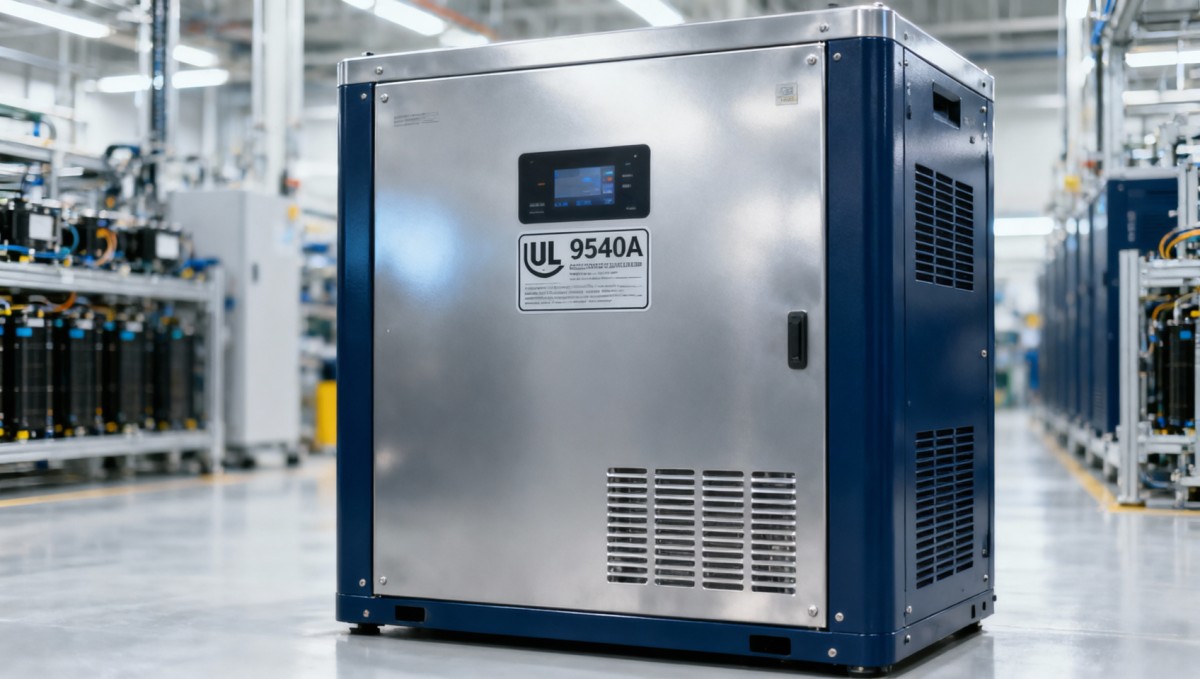
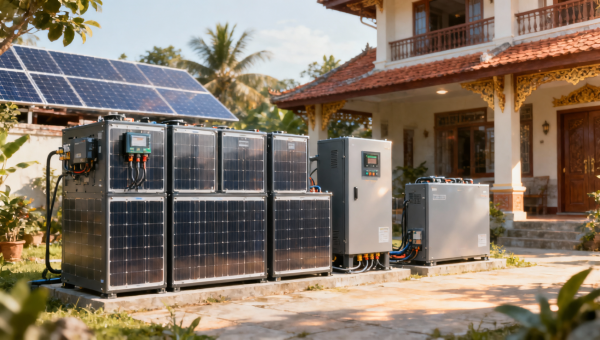
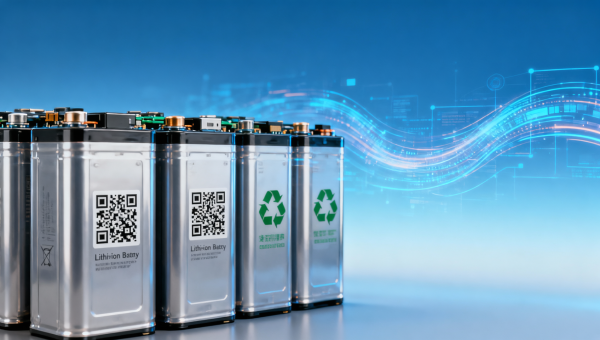
According to publicly available announcements, sodium-ion battery production lines operated by HiNa Battery and Penghui Energy are projected to reach full capacity in Q1 2026. At that point, the per-watt-hour (Wh) manufacturing cost of their sodium-ion cells is reported to be 18% lower than that of lithium iron phosphate (LFP) batteries. All referenced sodium-ion battery energy storage cabinets have passed UL 9540A thermal runaway propagation testing. Early procurement feedback from off-grid project developers in Southeast Asia, Africa, and Latin America indicates rapid substitution of lead-acid and some lithium-based storage solutions with sodium-ion battery cabinets.
Industries Affected
Direct Exporters of Renewable Energy Storage Systems
These companies face shifting technical specifications and buyer expectations. Sodium-ion battery cabinets offer lower upfront cost and improved safety certification compliance (e.g., UL 9540A), which may influence tender evaluations in safety-sensitive or cost-constrained markets. Impact includes potential repositioning of product portfolios, revised quoting structures, and updated technical documentation requirements for export compliance.
Exporters of Solar Photovoltaic (PV) Systems with Integrated Storage
For PV system integrators offering bundled storage, sodium-ion batteries present an opportunity to improve system-level cost competitiveness without compromising certified safety performance. The impact manifests in revised bill-of-materials planning, updated system-level certification pathways, and evolving customer discussions around lifetime cost versus upfront cost trade-offs.
Supply Chain & Logistics Providers Supporting Energy Storage Exports
UL 9540A certification carries implications for transport classification, packaging standards, and documentation requirements under international shipping regulations (e.g., IMDG Code). Sodium-ion batteries — while generally classified as non-hazardous under current UN transport provisions — may trigger additional carrier-specific verification steps due to evolving thermal safety benchmarks. This affects documentation workflows, transit time estimates, and insurance assessments.
What Relevant Companies or Practitioners Should Monitor and Do
Track official certification updates and regional regulatory alignment
UL 9540A is a test method, not a mandatory regulation — but its adoption is accelerating in procurement specifications across emerging markets. Companies should monitor whether national energy agencies or grid operators in target countries begin referencing UL 9540A (or equivalent IEC/EN standards) in technical tender documents.
Assess sodium-ion compatibility with existing BOMs and system integration workflows
Unlike LFP, sodium-ion cells exhibit different voltage profiles, charge/discharge characteristics, and thermal management requirements. Exporters should verify compatibility with existing battery management systems (BMS), enclosures, and thermal interface materials before committing to design-in or large-scale procurement.
Distinguish between near-term pilot adoption and scalable commercial deployment
Current procurement signals originate primarily from off-grid and microgrid projects — not utility-scale tenders. Companies should avoid over-indexing on sodium-ion as a wholesale LFP replacement; instead, treat it as a complementary option for specific use cases where cost sensitivity and safety certification outweigh energy density requirements.
Prepare for early-stage supply chain coordination with qualified Na-ion cell suppliers
With full production slated for Q1 2026, lead times for sample validation, qualification testing, and initial small-batch orders will likely begin in late 2025. Exporters and integrators should initiate technical engagement with verified sodium-ion battery manufacturers now to align on mechanical interfaces, communication protocols, and warranty terms.
Editorial Perspective / Industry Observation
From industry perspective, this development is best understood as an emerging technical window — not yet a market inflection point. While cost and safety advantages are confirmed at the cell level, real-world system-level performance, long-term field reliability, and recycling infrastructure remain unproven at scale. Analysis来看, the Q1 2026 full-capacity milestone serves primarily as a signal of industrial readiness rather than immediate commercial displacement. Observation来看, procurement momentum in off-grid markets reflects pragmatic adaptation to local constraints — not broad technological superiority. Current more appropriate interpretation is that sodium-ion batteries are expanding the viable solution set for specific export segments, rather than resetting the entire energy storage value chain.
Conclusion: This update signals a maturing alternative within the energy storage technology landscape — one that adds strategic flexibility for exporters serving cost- and safety-conscious off-grid markets. It does not invalidate existing lithium-based offerings, but does require focused attention on integration readiness, certification alignment, and use-case fit. The most rational interpretation is that sodium-ion batteries represent a targeted capability expansion, not a wholesale transition.
Information Sources: Public production timelines and cost claims from HiNa Battery and Penghui Energy; UL 9540A test certification status as disclosed by respective manufacturers; Off-grid project procurement feedback cited in industry briefings (source anonymized per editorial policy). Note: Field performance data, long-term degradation metrics, and regional regulatory adoption status remain under observation and are not yet publicly confirmed.
Recommended News
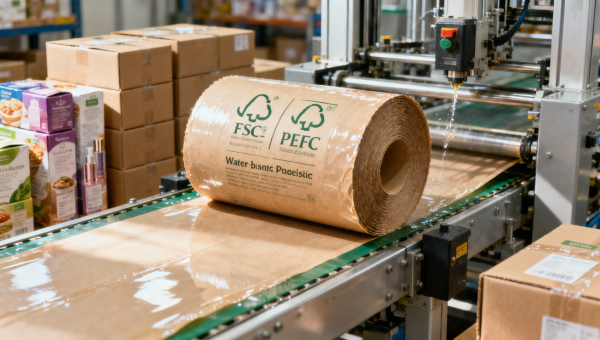
 2026 Jan–Feb Paper Industry Profits +6.1%; Green Packaging Export Premium EmergesGreen packaging export premium drives +6.1% paper industry profits in Jan–Feb 2026 — discover how FSC/PEFC certification and water-based processes boost margins for eco-friendly, food & cosmetics packaging exporters.
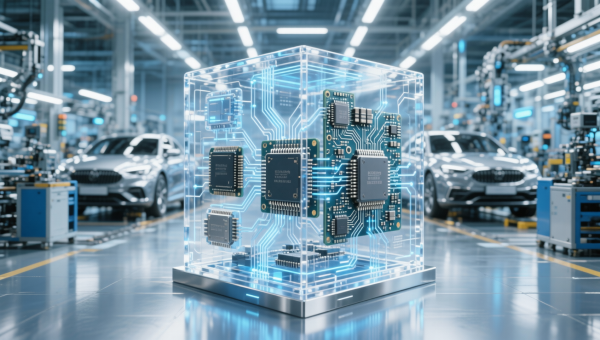
 Desay SV Automotive Files for H-Share Listing, Boosts Supply Chain TransparencyDesay SV Automotive's H-share listing filing boosts supply chain transparency — key for car electronics exporters, PCB suppliers & IATF 16949-certified manufacturers.
 NetEase Interactive Entertainment Market Head Moves OverseasNetEase Interactive Entertainment's marketing head moves overseas—key signal for AI, mobile accessories & wearables exporters targeting NA, EU, JP, KR markets.
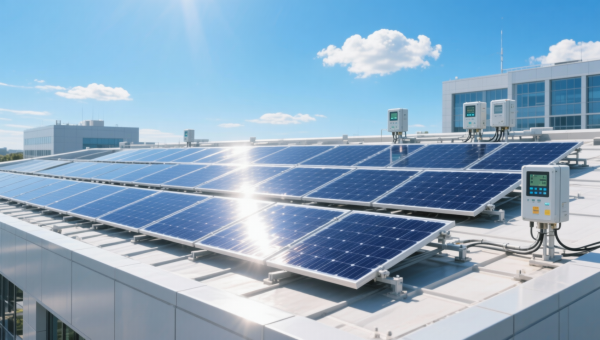
 Nanchang Qingyunpu Solar+EMC Project Tender Signals Global ShiftNanchang Qingyunpu Solar+EMC tender signals global shift to performance-based energy solutions—key for solar, lighting & smart factory exporters.
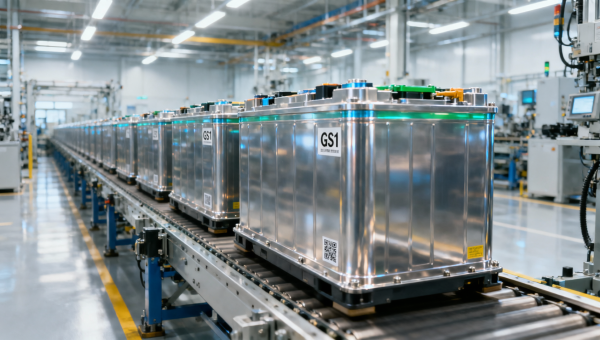
 China Launches Battery Lifecycle Traceability PlatformChina’s Battery Lifecycle Traceability Platform is live: mandatory GS1 registration for NEV & C&I battery exports starts April 1, 2026—ensure compliance now!
 US Military Restricts Arabian Sea East of Strait of HormuzUS Military Restricts Arabian Sea east of Strait of Hormuz—impacting solar PV, water treatment & fire safety exports to GCC. Act now to mitigate 12–18 day delays & 25% insurance hikes.
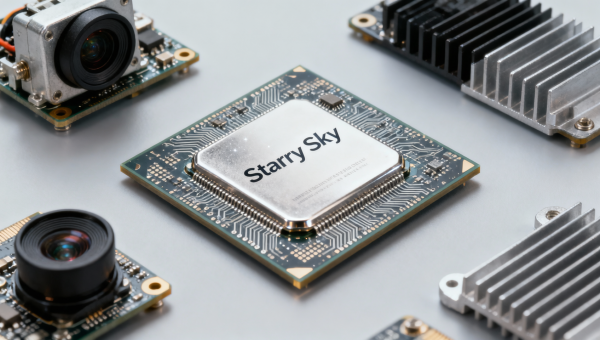
 Horizon Robotics Launches 'Starry Sky' Cockpit-ADAS Fusion ChipHorizon Robotics 'Starry Sky' cockpit-ADAS fusion chip launches April 2026 — cut BOM costs up to $400/vehicle. Key for exporters targeting MENA & ASEAN.
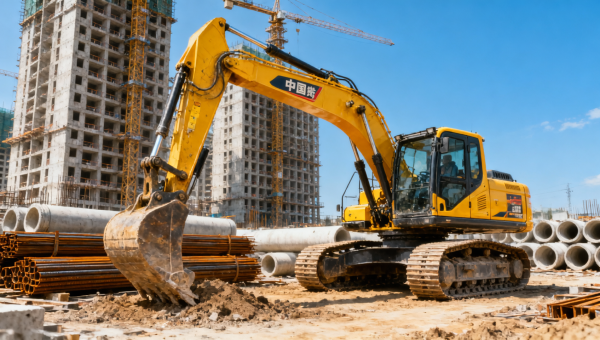
 China's Construction Machinery Exports Up 33.4% YoY in Jan–Feb 2026China's construction machinery exports surged 33.4% YoY in Jan–Feb 2026—driven by localized service in MEA & LatAm. Discover what this means for your global equipment strategy.
 EU CBAM Steel Carbon Tariff Takes Full Effect on Jan 1, 2026EU CBAM steel carbon tariff takes full effect Jan 1, 2026—exporters must submit verified lifecycle emissions data now. Act before delays & rejections hit.
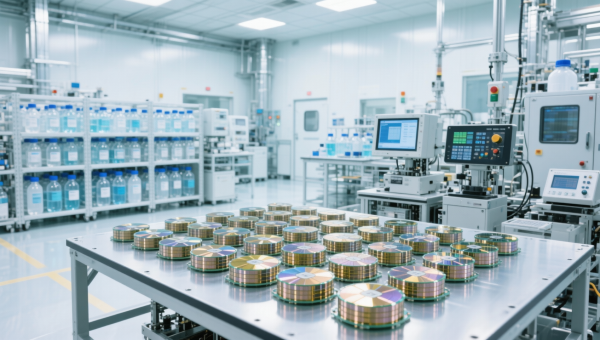
 Japan Boosts Rapidus with ¥631.5B; China Semiconductor Export Opportunities RiseJapan’s ¥631.5B Rapidus boost unlocks China semiconductor export opportunities—especially in high-purity chemicals, precision components & cleanroom equipment. Act now.
 EU REACH Adds 12 SVHCs: Impact on China's Chemical, Plastic & Coating ExportsEU REACH adds 12 SVHCs, impacting China's chemical, plastic & coating exports. Learn key compliance actions & market risks before the Oct 2026 deadline.
 China Launches First Global Battery Lifecycle Traceability PlatformChina launches the first global battery lifecycle traceability platform, revolutionizing EV and energy storage compliance. Learn how this impacts manufacturers, exporters, and recyclers worldwide.
 Vietnam's Home Energy Storage Demand Doubles, Boosting Chinese ExportsVietnam's home energy storage demand doubles, boosting Chinese exports of inverters & LFP batteries. Learn how 217% export growth creates opportunities amid power instability.
 EU REACH Adds 12 SVHCs: China's Chemical, Plastic, and Coating Exports Must Comply Within 6 MonthsEU REACH adds 12 new SVHCs, impacting China's chemical, plastic, and coating exports. Companies must comply with SCIP notifications within 6 months. Learn key actions for affected industries.
 China Releases 100 5G Factory Applications Covering Key Export IndustriesChina's MIIT releases 100 5G factory applications, transforming key export industries like automotive, PCB, and textiles. Discover how these smart manufacturing solutions impact global supply chains and supplier evaluations.
 U.S.-Iran Ceasefire Takes Effect, Strait of Hormuz Shipping Returns to Normal, Middle East Logistics Costs Drop 35%U.S.-Iran ceasefire stabilizes Strait of Hormuz shipping, cutting Middle East logistics costs by 35%. Learn how exporters of industrial goods & solar equipment can benefit from improved trade routes.
 China-Thailand Agricultural & Green Manufacturing Cooperation: Key Impacts on Rubber, Farm Machinery, and Solar SectorsExplore how China-Thailand agricultural & green manufacturing cooperation impacts rubber, farm machinery, and solar sectors. Learn about reduced compliance costs and faster market access for exporters.
 Hainan Launches 'Zero Wait' Customs for Medical Devices & Smart SensorsHainan's 'zero wait' customs for medical devices & smart sensors slashes export cycles by 50% at Yangpu Port. Urgent orders to ASEAN, Middle East & Latin America now clear in 30 minutes. Learn how this boosts time-sensitive exports.
 China Launches Full Lifecycle Battery Traceability Platform, Mandates Export ComplianceChina's new battery traceability platform mandates export compliance for EU, US & South Korea markets. Learn how battery manufacturers, NEV producers, and energy storage providers can adapt to avoid clearance barriers and secure certifications.
 U.S. Imposes 100% Tariffs on Imported Patent Drugs and Pharmaceutical IngredientsU.S. imposes 100% tariffs on imported patent drugs and pharmaceutical ingredients, impacting global API supply chains. Learn how this affects manufacturers, importers, and compliance strategies.
 China-Thailand Agricultural & Green Manufacturing Cooperation: Key ImpactsExplore how China-Thailand agricultural & green manufacturing cooperation impacts rubber, farm machinery & solar sectors. Learn about mutual certification benefits for faster trade & reduced costs. Key insights for businesses.







Popular Tags
Global Trade Insights & Industry
Our mission is to empower global exporters and importers with data-driven insights that foster strategic growth.
Search News
Popular Tags
Industry Overview
The global commercial kitchen equipment market is projected to reach $112 billion by 2027. Driven by urbanization, the rise of e-commerce food delivery, and strict hygiene regulations.