

Modern office furniture choices can raise complaints instead of comfort
Modern office furniture is often marketed as a cure for workplace fatigue, yet poorly chosen designs can trigger more complaints than comfort. For procurement professionals, the real challenge lies in balancing aesthetics, ergonomics, durability, and budget without compromising employee satisfaction. This article explores how smarter furniture selection can reduce workplace friction, support productivity, and help buyers make decisions that align with long-term operational value.
Why procurement teams need a checklist before buying Modern office furniture
For buyers, complaints about seating, desk height, storage access, noise, or layout rarely come from a single bad item. They usually come from a mismatch between people, tasks, and furniture specifications. That is why a checklist-based review is more useful than relying on catalogs, showroom impressions, or trend-driven office concepts. Modern office furniture may look efficient in marketing photos, but if it fails under daily use, the result is not modernity. It is disruption, low morale, and unexpected replacement cost.
A structured selection process also matters because procurement decisions affect more than comfort. They influence maintenance budgets, occupancy planning, health and safety compliance, employee retention, visitor perception, and the long-term flexibility of the workplace. In a global business environment where work styles change quickly, the right Modern office furniture should support adaptation rather than create operational friction.
First-pass checklist: what to confirm before comparing suppliers
Before requesting quotations, procurement teams should clarify the use case. This step saves time and prevents bids that look competitive on price but fail in application. The following checklist helps define the buying brief with greater accuracy.
- Identify who will use the furniture: fixed staff, hybrid workers, executives, reception teams, or collaborative departments.
- List task types: focused computer work, meetings, shared project work, phone calls, customer-facing functions, or training.
- Measure the real footprint available, including circulation space, storage needs, power access, and safety clearances.
- Define the expected service life: short-term fit-out, medium-term upgrade, or long-cycle capital investment.
- Confirm cleaning, maintenance, and replacement requirements based on traffic intensity.
- Set a budget range that includes delivery, installation, warranty, accessories, and future expansion.
- Note brand, sustainability, and compliance requirements that may affect sourcing.
This first-pass checklist turns a vague need for Modern office furniture into a procurement-ready specification. It also helps suppliers respond with solutions that are practical rather than generic.
Core evaluation standards for Modern office furniture
Once the brief is clear, buyers should evaluate furniture across a small number of high-impact criteria. These criteria reduce the risk of choosing products that look attractive but generate recurring complaints after installation.
1. Ergonomic fit must come before visual appeal
One of the biggest mistakes in Modern office furniture procurement is assuming that sleek design equals user comfort. Chairs should support posture adjustment, lumbar positioning, and seat depth suitability. Desks should align with screen-based work and allow comfortable arm placement. If users cannot adapt the furniture to body size and work habits, complaints will rise quickly, especially in high-usage office environments.
2. Material durability should match traffic level
A procurement team should compare finishes, frame quality, edge protection, hardware strength, and fabric wear resistance against expected use intensity. Modern office furniture for executive rooms can differ greatly from furniture used in shared workstations or reception areas. Buying premium-looking products with low abrasion resistance or weak joints often creates avoidable maintenance tickets and replacement cycles.
3. Layout compatibility matters more than isolated product quality
Even high-quality Modern office furniture can fail if it disrupts workflow. A desk system may be sturdy, but if it blocks movement, reduces storage access, or creates acoustic issues, employees will still complain. Procurement should assess furniture in relation to circulation, team interaction, privacy needs, cable routing, and departmental adjacency.
4. Flexibility should be priced as a business advantage
Modular furniture, movable storage, reconfigurable tables, and scalable workstation systems often cost more upfront, but they reduce future re-fit expense. In offices facing growth, downsizing, or hybrid scheduling changes, flexibility is not a design luxury. It is a risk-control feature.
5. Warranty and after-sales support are part of product value
Procurement should review spare parts availability, service response time, installation accountability, and warranty exclusions. Modern office furniture with unclear after-sales support can become expensive when one broken component affects entire workstation usability.
A practical comparison table for buyers
The table below can be used during supplier evaluation meetings to keep decisions grounded in operational priorities rather than presentation style.
Scenario-based buying points procurement should not treat the same way
Not every office area should be furnished with the same standards or priorities. A strong Modern office furniture strategy separates use cases instead of forcing a one-style-fits-all package.
Workstations for daily staff use
Prioritize ergonomic adjustability, cable management, under-desk clearance, and durable surfaces. These spaces generate the highest volume of feedback because people use them continuously.
Meeting and collaboration zones
Focus on mobility, reconfiguration speed, acoustic effect, and comfort for varied meeting durations. Furniture that is too rigid can limit room utilization and reduce collaboration efficiency.
Reception and client-facing areas
Visual identity matters here, but durability and cleanability should still lead the discussion. Procurement should verify whether the selected Modern office furniture can maintain appearance under repeated use and public traffic.
Executive offices
The balance shifts toward brand presentation, privacy, and integrated storage. Still, executive furniture should not ignore ergonomic performance simply because the design is more premium.
Common oversights that turn Modern office furniture into a complaint source
Many buyer frustrations are preventable. The issue is not always poor supplier quality. It is often incomplete evaluation. Watch for these common oversights:
- Buying based on sample-room comfort without testing long-duration use.
- Ignoring user diversity in height, body type, and working style.
- Treating warranty length as more important than warranty practicality.
- Overlooking replacement lead times for parts and matching finishes.
- Choosing white or delicate finishes in high-contact areas without maintenance planning.
- Failing to involve facilities, HR, or IT when furniture impacts movement, employee well-being, or cable infrastructure.
- Comparing supplier quotes without normalizing installation scope and accessory inclusion.
These oversights are especially relevant in multinational offices, shared spaces, and fast-growing teams, where Modern office furniture must serve changing needs rather than static assumptions.
Execution guide: how to make better purchasing decisions step by step
- Audit existing complaints and maintenance history to identify recurring failure points.
- Segment office zones by task, user type, and traffic intensity.
- Build a specification sheet for each zone instead of one generic furniture list.
- Request product data, finish details, testing standards, and support terms from shortlisted suppliers.
- Run a practical review with facilities, HR, and end-user representatives.
- Compare total cost of ownership, not only unit price.
- Pilot key items before committing to a full rollout when project scale permits.
This process gives procurement a more defensible basis for selection. It also improves communication with suppliers by replacing subjective preferences with measurable requirements.
FAQ for procurement professionals evaluating Modern office furniture
Should lower-priced furniture always be avoided?
No. Lower-priced Modern office furniture may be suitable for short-term projects, low-traffic rooms, or temporary expansion. The issue is not price alone, but whether the specification matches the operational need and expected lifecycle.
How important is employee input in the buying process?
It is highly valuable when structured properly. Procurement does not need unlimited opinions, but targeted feedback from representative users can reveal comfort, mobility, and workflow issues early.
What is the best way to compare suppliers?
Use one normalized evaluation grid covering ergonomics, durability, installation, lead time, warranty, spare parts, and total delivered cost. This creates a fair comparison and reduces confusion caused by different quote formats.
Final buying direction for long-term value
The best Modern office furniture decisions are rarely the most fashionable or the cheapest. They are the ones that reduce complaints, support real work patterns, and hold value across time. For procurement professionals, the goal is not simply to furnish a space, but to create an environment where comfort, efficiency, and durability work together.
If your company is preparing to source, upgrade, or compare Modern office furniture solutions, the most useful next step is to clarify a few core points with potential partners: required ergonomic features, target service life, maintenance expectations, installation scope, lead times, expansion flexibility, and budget structure. For global buyers and trade-focused enterprises, reliable market intelligence and supplier visibility also matter. Platforms such as GTIIN and TradeVantage can support that process by helping businesses monitor industrial trends, strengthen sourcing decisions, and improve international brand exposure through trusted digital presence.
Recommended News
 China's Smart Electric Wheelchair Exports Face EU MDR Compliance Shift from Q3 2026China's smart electric wheelchair exports must meet EU MDR + CE dual certification by Q3 2026 — only 12 manufacturers comply. Act now to secure market access.
 Apple Opens AI Service Hub to Third Parties: New Export Path for Chinese AIoT HardwareApple's AI Service Hub opens new export opportunities for Chinese AIoT hardware—enabling iFLYTEK, SenseTime & others to power HomeKit, CarPlay & HealthKit with on-device AI.
 GPT-5.5 Instant Rollout Impacts AI SaaS Exporters’ SLAsGPT-5.5 Instant rollout reshapes AI SaaS exporters’ SLAs—learn how P95 latency, multimodal context, and contract compliance impact your global clients now.
 Red Bull SA15 Uses Tiantai Energy Solutions: China OEM Compliance Gains ASEAN AttentionRed Bull SA15 adopts Tiantai’s China OEM energy solutions—triple-registered (TH FDA, SG HSA, EU EFSA). A benchmark for ASEAN importers & nutraceutical manufacturers seeking compliant, scalable sourcing.
 China’s New GB 4343.1-2026 Mobile Power Bank Standard Takes Effect Nov 2026GB 4343.1-2026 mobile power bank standard takes effect Nov 2026—learn key compliance steps, dual-protocol requirements & global certification strategy.
 Morocco Ranks 4th in EU Africa Energy Aid; China PV Mounting & ESS Export Path WidensMorocco ranks 4th in EU Africa energy aid—unlocking new PV mounting & ESS export opportunities for certified Chinese suppliers. Act now to leverage the white-list advantage.
 China Holds 68% of Global Autonomous Sanitation Vehicle PatentsChina holds 68% of global autonomous sanitation vehicle patents—key for smart infrastructure exporters, AI developers & edge hardware suppliers targeting GCC tenders.
") China’s Petrochemical Plant Upgrade Policy (2026–2029)China’s Petrochemical Plant Upgrade Policy (2026–2029) mandates safety assessments & intelligent upgrades for aging equipment—key for exporters, EPC firms, and certified equipment suppliers.
China’s Petrochemical Plant Upgrade Policy (2026–2029)China’s Petrochemical Plant Upgrade Policy (2026–2029) mandates safety assessments & intelligent upgrades for aging equipment—key for exporters, EPC firms, and certified equipment suppliers. U.S. Natural Gas Inventory Rise Below Expectations: Export Cost Pressure on PVC, ABS, CoatingsU.S. natural gas inventory rise fell short—impacting PVC, ABS & coatings exporters. Discover cost risks, mitigation steps & pricing insights now.
 EN 62368-1:2026 Enforced in EU: Thermal Runaway Protection Required for Wearables & Smart Home DevicesEN 62368-1:2026 mandates thermal runaway protection for wearables & smart home devices in the EU—act now to ensure CE compliance and avoid market access delays.
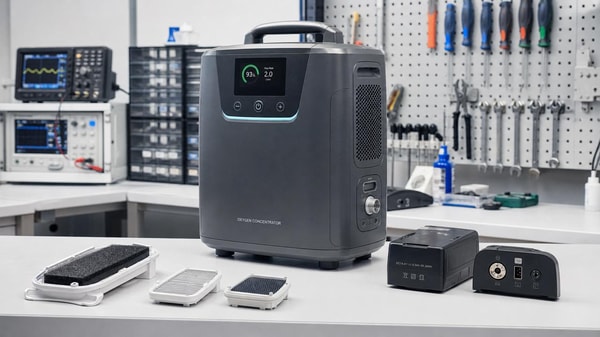
 Portable oxygen concentrators are quieter now, but are they easier to maintain?Portable oxygen concentrators are quieter, but are they easier to maintain? Explore service challenges, scenario-based insights, and smart ways to reduce downtime.
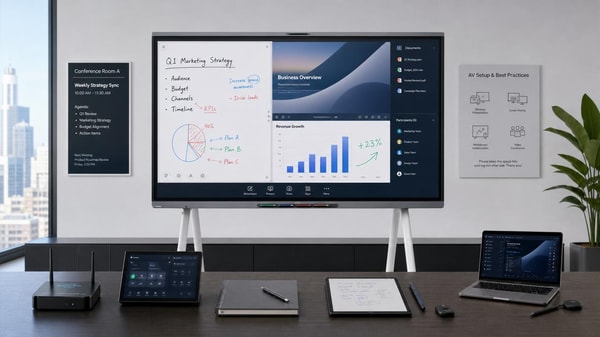
 Interactive whiteboards are underused when training stops after installationInteractive whiteboards often underperform when training ends at installation. Learn how continuous, role-based support boosts adoption, productivity, and ROI.
 Medical diagnostic equipment buying mistakes often start with workflow mismatchMedical diagnostic equipment buying mistakes often stem from workflow mismatch. Learn how to assess fit, avoid hidden costs, and choose scalable systems that support real clinical operations.
![]() Eco-friendly building materials can add compliance work, not just green valueEco-friendly building materials can boost sustainability but also add compliance work. Learn how they affect approvals, costs, timelines, and risk across key project scenarios.
Eco-friendly building materials can add compliance work, not just green valueEco-friendly building materials can boost sustainability but also add compliance work. Learn how they affect approvals, costs, timelines, and risk across key project scenarios. Ergonomic workspace design fails when posture is treated as the whole answerErgonomic workspace design fails when posture is the only focus. Learn how integrated planning improves productivity, retention, and workplace performance.
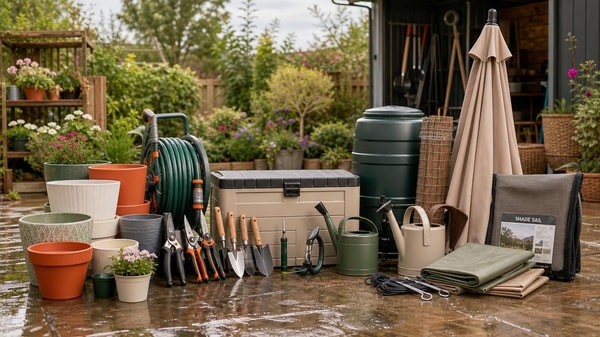
 Outdoor garden supplies demand changes faster than seasonal forecasts suggestOutdoor garden supplies demand is changing faster than seasonal forecasts. Discover key signals, sourcing strategies, and inventory tactics to stay competitive and capture growth.
 Sustainable home decor sells better when the material story is verifiableSustainable home decor wins more buyers when material claims are verifiable. Discover how traceable sourcing, certifications, and clear proof build trust and drive sales.
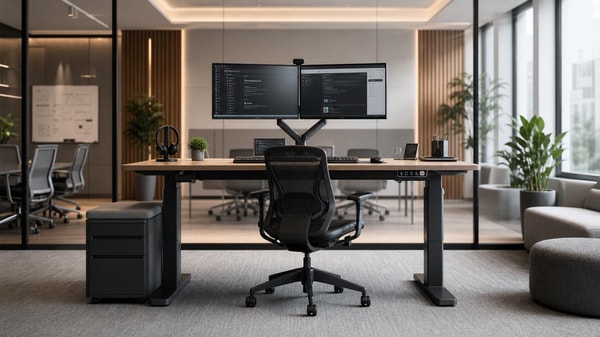
 Modern office furniture choices can raise complaints instead of comfortModern office furniture can improve productivity—or trigger costly complaints. Learn how to choose ergonomic, durable, flexible office solutions that support comfort and long-term value.
 Smart street lighting saves energy only when controls are tuned properlySmart street lighting saves energy only when controls are tuned to real traffic, safety, and maintenance needs. Learn how proper settings turn connected lighting into measurable ROI.
 Solid-state battery breakthroughs are real, but scaling is another storySolid-state battery breakthroughs are real, but scaling remains the real test. Explore where commercialization starts first, what limits adoption, and which markets may gain the earliest edge.
![]() Commercial LED lighting upgrades often disappoint in high-heat spacesCommercial LED lighting often underperforms in high-heat spaces. Learn the hidden causes, warning signs, and smart upgrade choices to improve reliability, safety, and long-term value.
Commercial LED lighting upgrades often disappoint in high-heat spacesCommercial LED lighting often underperforms in high-heat spaces. Learn the hidden causes, warning signs, and smart upgrade choices to improve reliability, safety, and long-term value.















Popular Tags
Global Trade Insights & Industry
Our mission is to empower global exporters and importers with data-driven insights that foster strategic growth.
Search News
Popular Tags
Industry Overview
The global commercial kitchen equipment market is projected to reach $112 billion by 2027. Driven by urbanization, the rise of e-commerce food delivery, and strict hygiene regulations.