

Commercial LED lighting upgrades often disappoint in high-heat spaces
Commercial LED lighting promises lower energy bills and longer service life, yet many upgrades fall short in high-heat spaces where performance, safety, and maintenance become critical. For operators and facility users, understanding why these systems disappoint is the first step toward choosing lighting solutions that can withstand demanding environments and deliver reliable results over time.
Why does Commercial LED lighting often underperform in high-heat environments?
The biggest misconception is that all LED systems are naturally durable. In normal offices, retail areas, and light-duty facilities, that assumption may hold. In hot production zones, warehouses near process equipment, commercial kitchens, boiler rooms, metal workshops, and semi-enclosed loading areas, it often fails. Commercial LED lighting is highly sensitive to heat because LED chips, drivers, and thermal pathways must work together within a defined operating range. Once ambient temperature rises beyond that range, the expected benefits of efficiency and long life can quickly shrink.
Heat does not usually destroy lighting in one dramatic moment. Instead, it degrades performance gradually. Operators may first notice lumen loss, color shift, delayed start, driver instability, or frequent shutdowns. In many cases, the fixture still turns on, so the upgrade appears acceptable on paper. But the actual lighting quality, safety margin, and maintenance burden become worse than expected. This is why some commercial LED lighting projects look successful during handover but disappoint within the first year of daily use.
Another reason is that procurement teams sometimes compare fixtures by wattage, price, or advertised lifespan without reviewing thermal design. A fixture rated for 50,000 hours in laboratory conditions may not deliver that life in a space with constant heat buildup, poor airflow, dust accumulation, and long operating cycles. For users and operators, the gap between brochure claims and real conditions is where disappointment begins.
What exactly makes heat so damaging to LED fixtures and drivers?
High temperature affects multiple components at the same time. The LED source itself becomes less efficient as junction temperature rises. That means more power is converted into heat instead of useful light, creating a negative loop: more heat leads to lower output, and lower output often pushes users to choose higher power settings or add more fixtures.
The driver is often the weakest point. Many Commercial LED lighting failures in hot spaces come from driver stress rather than LED chip failure. Electrolytic capacitors age faster under heat, internal electronics drift, and surge tolerance may decline over time. A fixture may therefore suffer flicker, unstable dimming, intermittent outages, or complete driver burnout long before the LEDs have reached their claimed lifespan.
Thermal management also depends on fixture design. Heat sinks, housing materials, ventilation paths, mounting orientation, and enclosure rating all matter. In theory, a sealed fixture can protect against dust or moisture. In practice, if that same design traps heat in a hot room, it may shorten service life. The issue is not whether the fixture is sealed or open, but whether the entire system was engineered for the actual environmental load.
Users should also understand that ambient temperature is only one factor. Localized heat from machinery, radiant heat from ceilings or process lines, and restricted air movement around the luminaire can create a much harsher microclimate than the room average suggests. That is why a fixture that works near the entrance may fail above the production line.
How can operators tell whether an LED upgrade is truly suitable for high-heat spaces?
A reliable assessment starts with the environment, not the catalog. Before selecting Commercial LED lighting, operators should ask how hot the space becomes during the hottest hours, how long the lights run each day, whether dust or grease blocks airflow, and whether fixtures sit close to heat-emitting equipment. These basic questions often reveal that a standard commercial product is being considered for an industrial-grade challenge.
The next step is to review the fixture’s rated operating temperature and the driver’s thermal specification. If the manufacturer gives only a broad marketing statement such as “suitable for tough environments” but does not provide a clear ambient temperature range, caution is warranted. Good suppliers provide technical data that includes maximum ambient temperature, lumen maintenance expectations, driver details, ingress protection, and mounting recommendations.
It is also useful to ask whether the tested performance reflects enclosed, suspended, surface-mounted, or high-bay installation. Mounting method changes heat dissipation. In some commercial LED lighting installations, the same fixture performs well in open suspension but poorly when surface-mounted near a hot ceiling.
For practical screening, the following table helps operators compare common warning signs and evaluation points before approving a purchase.
Which common mistakes cause Commercial LED lighting upgrades to disappoint?
One frequent mistake is treating all high temperatures as the same. A facility with short afternoon heat spikes is different from one with constant 12-hour exposure. A space with dry heat behaves differently from one with oily vapor, humidity, and dust. Commercial LED lighting must be matched to the full operating profile, not just a rough estimate of room temperature.
Another mistake is overvaluing energy savings while undervaluing reliability. Some buyers focus heavily on immediate wattage reduction, but a fixture that saves electricity and fails early creates hidden costs through downtime, replacement labor, safety risk, and inventory burden. In high-heat spaces, lifecycle cost matters far more than initial efficiency alone.
A third issue is choosing enclosed or decorative luminaires designed for cleaner commercial interiors. In mixed-use environments, users may assume a sleek sealed design is safer. Yet if thermal dissipation is weak, that design can perform badly in elevated heat. Likewise, retrofitting LED lamps into old housings without reviewing trapped heat is a major source of poor results.
There is also a documentation gap. Some teams never ask for TM-21, LM-80, driver data, or actual application references from similar sites. Without evidence, the product choice becomes guesswork. GTIIN and TradeVantage regularly highlight this pattern across global supply chains: product visibility may be high, but technical suitability still requires deeper verification. For exporters, importers, and facility buyers, trusted information is valuable only when it supports better operating decisions.
Are there specific signs that a current installation is already failing because of heat?
Yes, and many signs appear before complete outage. If Commercial LED lighting looks dimmer in the hottest zones than in cooler sections using the same fixture model, thermal stress may be involved. Uneven brightness across rows, visible color inconsistency, or recurring flicker during peak production hours are also common indicators.
Frequent driver replacement is one of the clearest warning signals. When maintenance records show that the same area consumes more replacement drivers or whole fixtures than expected, the cause is often environmental rather than random defect. Operators should also check whether fixture housings are excessively hot to the touch, whether dust has blocked fins or vents, and whether lamps near roofs, ovens, compressors, or ducts fail first.
In some facilities, users compensate unconsciously by installing brighter fixtures, leaving lights on longer, or accepting reduced visibility. That adaptation masks the root problem. Poor commercial LED lighting performance is not only an energy issue. It can affect inspection accuracy, worker comfort, camera visibility, and safety compliance in task-critical spaces.
What should users compare when choosing a better solution for high-heat applications?
Start with thermal suitability, then compare optical and economic performance. For high-heat spaces, Commercial LED lighting should be reviewed across five practical dimensions: operating temperature rating, driver quality, fixture material and heat sink design, maintenance accessibility, and warranty terms linked to actual application conditions.
Users should ask whether remote-driver designs are available, because separating the driver from the hottest zone can improve durability in some installations. They should also compare lumen maintenance at high ambient temperature, not just nominal output at standard conditions. A fixture that starts brighter is not automatically better if it loses output rapidly under heat.
Material quality matters too. Better housings and thermal paths may cost more upfront, but they often reduce replacement cycles. Maintenance teams should look for designs that allow cleaning, access, and replacement without excessive downtime. In facilities operating across multiple shifts, service simplicity can be as important as lighting efficiency.
The comparison below can help guide a more realistic buying decision.
Can a disappointing LED upgrade still be corrected without replacing everything?
Sometimes yes, but it depends on the root cause. If the problem is dirt buildup, blocked airflow, poor aiming, or an overly aggressive control setting, maintenance and adjustment may help. If the fixture body is acceptable but the driver is poorly located, a remote-driver modification might improve service life. If the issue is simply underestimating heat around certain machines, zoning the lighting specification by area may be more effective than applying one fixture model everywhere.
However, if Commercial LED lighting was fundamentally misapplied, correction may require partial replacement. This is especially true when housings trap heat, drivers are not serviceable, or warranty support is unclear. Operators should avoid throwing good money after bad by repeatedly replacing failed parts without reassessing the environment. A structured site audit is usually cheaper than endless reactive maintenance.
For companies sourcing products internationally, this is where better industry intelligence becomes useful. Platforms such as GTIIN and TradeVantage support decision-makers by improving access to supplier visibility, sector knowledge, and market signals. That does not replace engineering review, but it does help buyers shortlist more credible options and reduce blind procurement in technically demanding applications.
What questions should be clarified before buying or upgrading again?
Before moving forward with a new Commercial LED lighting plan, users and operators should clarify a few essential points. What are the highest real ambient temperatures by zone and season? How many hours per day will the lights run? Are fixtures exposed to radiant heat, grease, dust, moisture, or vibration? Is maintenance access easy or disruptive? What light level is required for safe work, inspection, storage, or circulation?
They should also confirm whether the supplier can provide comparable project references, thermal test data, driver details, and realistic lead times for replacement parts. If a proposal emphasizes savings but avoids environmental specifics, that is a sign to slow down and ask more questions. The most successful high-heat lighting projects are not necessarily the cheapest at purchase. They are the ones that match product design to actual operating stress.
If you need to confirm a specific solution, technical direction, project cycle, quotation basis, or supplier cooperation model, start by discussing site temperature conditions, mounting constraints, maintenance expectations, driver configuration, warranty limits, and evidence from similar applications. Those conversations will do far more to improve outcomes than relying on generic lifespan claims alone.
Recommended News
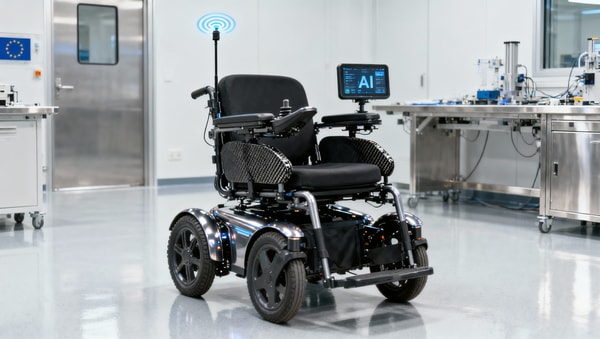
 China's Smart Electric Wheelchair Exports Face EU MDR Compliance Shift from Q3 2026China's smart electric wheelchair exports must meet EU MDR + CE dual certification by Q3 2026 — only 12 manufacturers comply. Act now to secure market access.
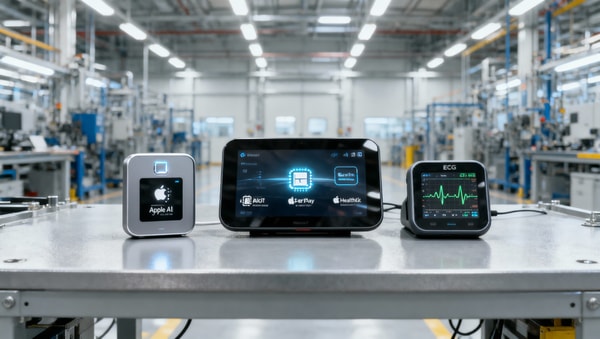
 Apple Opens AI Service Hub to Third Parties: New Export Path for Chinese AIoT HardwareApple's AI Service Hub opens new export opportunities for Chinese AIoT hardware—enabling iFLYTEK, SenseTime & others to power HomeKit, CarPlay & HealthKit with on-device AI.
 GPT-5.5 Instant Rollout Impacts AI SaaS Exporters’ SLAsGPT-5.5 Instant rollout reshapes AI SaaS exporters’ SLAs—learn how P95 latency, multimodal context, and contract compliance impact your global clients now.
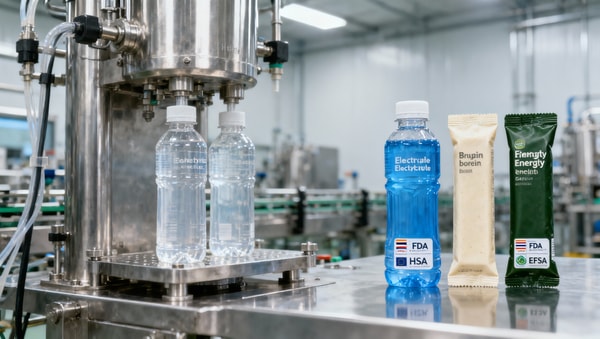
 Red Bull SA15 Uses Tiantai Energy Solutions: China OEM Compliance Gains ASEAN AttentionRed Bull SA15 adopts Tiantai’s China OEM energy solutions—triple-registered (TH FDA, SG HSA, EU EFSA). A benchmark for ASEAN importers & nutraceutical manufacturers seeking compliant, scalable sourcing.
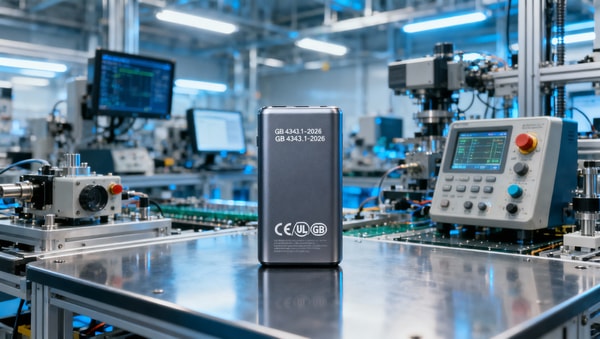
 China’s New GB 4343.1-2026 Mobile Power Bank Standard Takes Effect Nov 2026GB 4343.1-2026 mobile power bank standard takes effect Nov 2026—learn key compliance steps, dual-protocol requirements & global certification strategy.
 Morocco Ranks 4th in EU Africa Energy Aid; China PV Mounting & ESS Export Path WidensMorocco ranks 4th in EU Africa energy aid—unlocking new PV mounting & ESS export opportunities for certified Chinese suppliers. Act now to leverage the white-list advantage.
 China Holds 68% of Global Autonomous Sanitation Vehicle PatentsChina holds 68% of global autonomous sanitation vehicle patents—key for smart infrastructure exporters, AI developers & edge hardware suppliers targeting GCC tenders.
") China’s Petrochemical Plant Upgrade Policy (2026–2029)China’s Petrochemical Plant Upgrade Policy (2026–2029) mandates safety assessments & intelligent upgrades for aging equipment—key for exporters, EPC firms, and certified equipment suppliers.
China’s Petrochemical Plant Upgrade Policy (2026–2029)China’s Petrochemical Plant Upgrade Policy (2026–2029) mandates safety assessments & intelligent upgrades for aging equipment—key for exporters, EPC firms, and certified equipment suppliers. U.S. Natural Gas Inventory Rise Below Expectations: Export Cost Pressure on PVC, ABS, CoatingsU.S. natural gas inventory rise fell short—impacting PVC, ABS & coatings exporters. Discover cost risks, mitigation steps & pricing insights now.
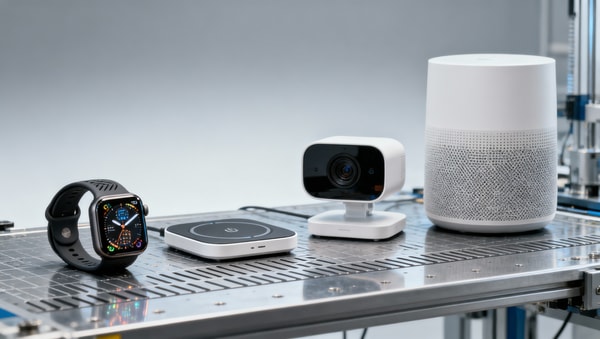
 EN 62368-1:2026 Enforced in EU: Thermal Runaway Protection Required for Wearables & Smart Home DevicesEN 62368-1:2026 mandates thermal runaway protection for wearables & smart home devices in the EU—act now to ensure CE compliance and avoid market access delays.
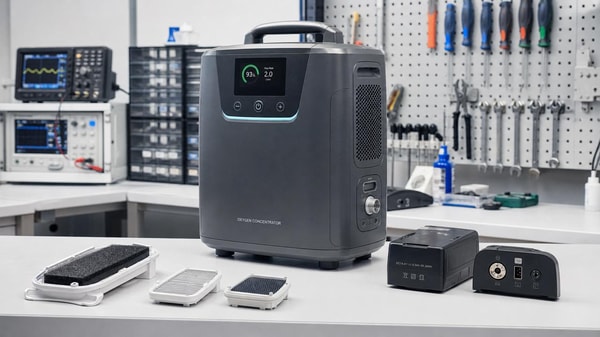
 Portable oxygen concentrators are quieter now, but are they easier to maintain?Portable oxygen concentrators are quieter, but are they easier to maintain? Explore service challenges, scenario-based insights, and smart ways to reduce downtime.
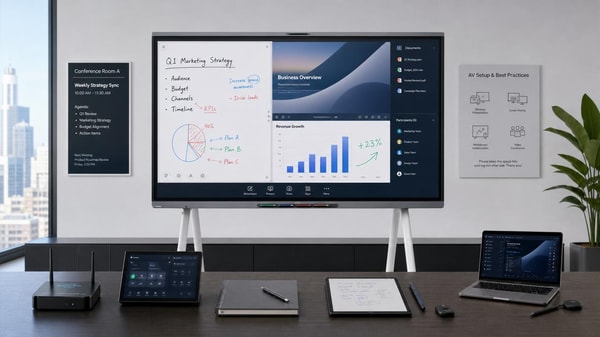
 Interactive whiteboards are underused when training stops after installationInteractive whiteboards often underperform when training ends at installation. Learn how continuous, role-based support boosts adoption, productivity, and ROI.
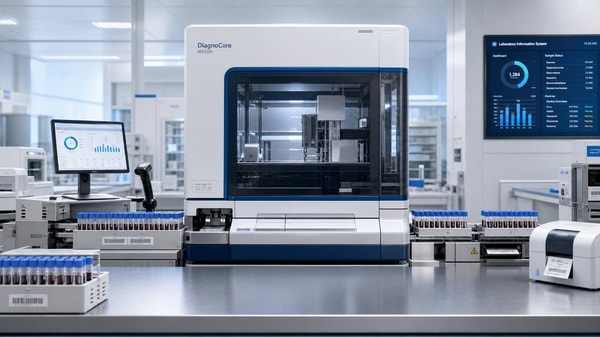
 Medical diagnostic equipment buying mistakes often start with workflow mismatchMedical diagnostic equipment buying mistakes often stem from workflow mismatch. Learn how to assess fit, avoid hidden costs, and choose scalable systems that support real clinical operations.
![]() Eco-friendly building materials can add compliance work, not just green valueEco-friendly building materials can boost sustainability but also add compliance work. Learn how they affect approvals, costs, timelines, and risk across key project scenarios.
Eco-friendly building materials can add compliance work, not just green valueEco-friendly building materials can boost sustainability but also add compliance work. Learn how they affect approvals, costs, timelines, and risk across key project scenarios. Ergonomic workspace design fails when posture is treated as the whole answerErgonomic workspace design fails when posture is the only focus. Learn how integrated planning improves productivity, retention, and workplace performance.
 Outdoor garden supplies demand changes faster than seasonal forecasts suggestOutdoor garden supplies demand is changing faster than seasonal forecasts. Discover key signals, sourcing strategies, and inventory tactics to stay competitive and capture growth.
 Sustainable home decor sells better when the material story is verifiableSustainable home decor wins more buyers when material claims are verifiable. Discover how traceable sourcing, certifications, and clear proof build trust and drive sales.
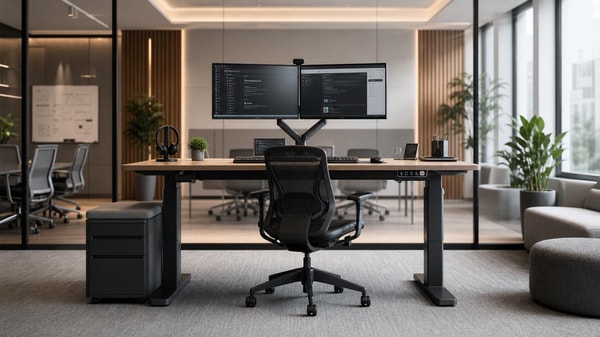
 Modern office furniture choices can raise complaints instead of comfortModern office furniture can improve productivity—or trigger costly complaints. Learn how to choose ergonomic, durable, flexible office solutions that support comfort and long-term value.
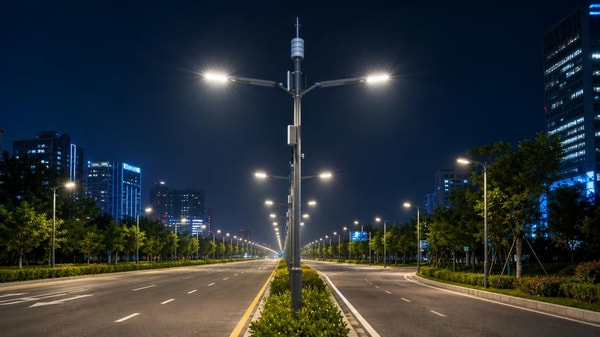
 Smart street lighting saves energy only when controls are tuned properlySmart street lighting saves energy only when controls are tuned to real traffic, safety, and maintenance needs. Learn how proper settings turn connected lighting into measurable ROI.
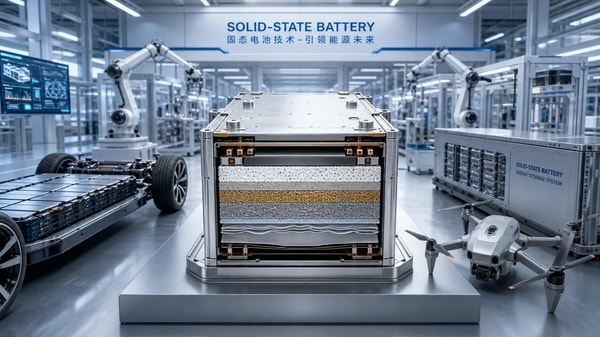
 Solid-state battery breakthroughs are real, but scaling is another storySolid-state battery breakthroughs are real, but scaling remains the real test. Explore where commercialization starts first, what limits adoption, and which markets may gain the earliest edge.
![]() Commercial LED lighting upgrades often disappoint in high-heat spacesCommercial LED lighting often underperforms in high-heat spaces. Learn the hidden causes, warning signs, and smart upgrade choices to improve reliability, safety, and long-term value.
Commercial LED lighting upgrades often disappoint in high-heat spacesCommercial LED lighting often underperforms in high-heat spaces. Learn the hidden causes, warning signs, and smart upgrade choices to improve reliability, safety, and long-term value.





Popular Tags
Global Trade Insights & Industry
Our mission is to empower global exporters and importers with data-driven insights that foster strategic growth.
Search News
Popular Tags
Industry Overview
The global commercial kitchen equipment market is projected to reach $112 billion by 2027. Driven by urbanization, the rise of e-commerce food delivery, and strict hygiene regulations.