

Global Gas Turbine Production Shifts to China, GE/Siemens Orders Extend to 2028
Global gas turbine manufacturing capacity is accelerating its shift toward China, with lead times for key components from GE, Siemens, and Mitsubishi now extending through 2027—and new orders scheduled for delivery as late as 2028. Disclosed on April 16, 2026, at the 2026 Turbine Technology Conference by Tang Jian, Deputy General Manager of Shanghai Electric Gas Turbine Co., Ltd., this development directly affects international EPC contractors, power plant operators, and spare parts importers—particularly in their supply chain responsiveness and access to localized after-sales support.
Event Overview
On April 16, 2026, Tang Jian, Deputy General Manager of Shanghai Electric Gas Turbine Co., Ltd., stated at the 2026 Turbine Technology Conference that multinational OEMs—including GE, Siemens, and Mitsubishi—are significantly increasing procurement of core gas turbine components from Chinese suppliers. Current production schedules are fully booked through 2027; newly placed orders are assigned delivery windows beginning in 2028.
Industries Affected
International EPC Contractors
These firms rely on timely turbine delivery to meet project milestones for overseas power infrastructure. Extended component lead times directly constrain engineering scheduling, commissioning timelines, and contractual penalty exposure—especially where turbine integration is on the critical path.
Power Plant Operators (Overseas)
Operators managing existing or upcoming gas-fired plants face delayed upgrades, retrofits, or capacity expansions. Longer wait times for spares and major overhauls may impact plant availability, maintenance planning cycles, and long-term reliability forecasting.
Spare Parts Importers & Distributors
Importers sourcing OEM-certified components from Europe or North America are encountering longer transit windows and reduced buffer stock flexibility. Inventory turnover models built on historical 6–12-month lead times no longer reflect current reality, increasing risk of service interruption.
Local Tier-2/3 Component Manufacturers (China-based)
Domestic suppliers engaged in machining, casting, or coating of turbine hot-section or rotor components are experiencing rising order volumes—but also intensified quality compliance scrutiny and tighter OEM audit requirements tied to export certification (e.g., ASME BPVC, ISO 9001:2015).
What Relevant Enterprises or Practitioners Should Monitor and Do
Track official export control or technology transfer guidance from Chinese authorities
Current procurement trends may prompt regulatory review—especially for dual-use materials or precision manufacturing capabilities. Monitoring announcements from MIIT or MOFCOM helps anticipate potential licensing adjustments or documentation requirements for cross-border shipments.
Reassess lead-time assumptions for turbine-related procurement categories
Specifically: combustion liners, turbine blades, rotor forgings, and control system modules. These items now represent high-priority categories requiring earlier forecast submission, extended safety stock planning, and formalized escalation protocols with OEMs or local integrators.
Distinguish between announced capacity expansion and actual certified output
While order backlogs indicate strong demand, certification timelines for new production lines (e.g., NADCAP accreditation for non-destructive testing) may lag. Enterprises should verify supplier qualification status—not just quoted capacity—before committing to long-lead purchase agreements.
Initiate proactive communication with OEMs on logistics and staging options
Some OEMs are piloting modular pre-assembly or regional staging hubs near key ports (e.g., Shanghai Yangshan, Tianjin Xingang). Early engagement may secure priority slotting or partial shipment allowances—mitigating full dependency on final-assembled unit delivery.
Editorial Perspective / Industry Observation
From industry perspective, this trend is better understood as a structural realignment—not a temporary bottleneck. The extension of GE’s and Siemens’ order books into 2028 signals sustained, multi-year demand absorption by Chinese manufacturing ecosystems, rather than short-term opportunistic outsourcing. Analysis来看, it reflects both growing technical maturity in domestic precision manufacturing and strategic recalibration by global OEMs amid evolving trade logistics and localization incentives. Observation来看, while no formal policy mandate has been issued, the scale and consistency of procurement shifts suggest an emerging de facto standard for sourcing certain non-core but technically demanding components from China. Current more appropriate interpretation is that this represents a durable inflection point in global turbine supply chain architecture—warranting continuous monitoring, not one-off contingency planning.
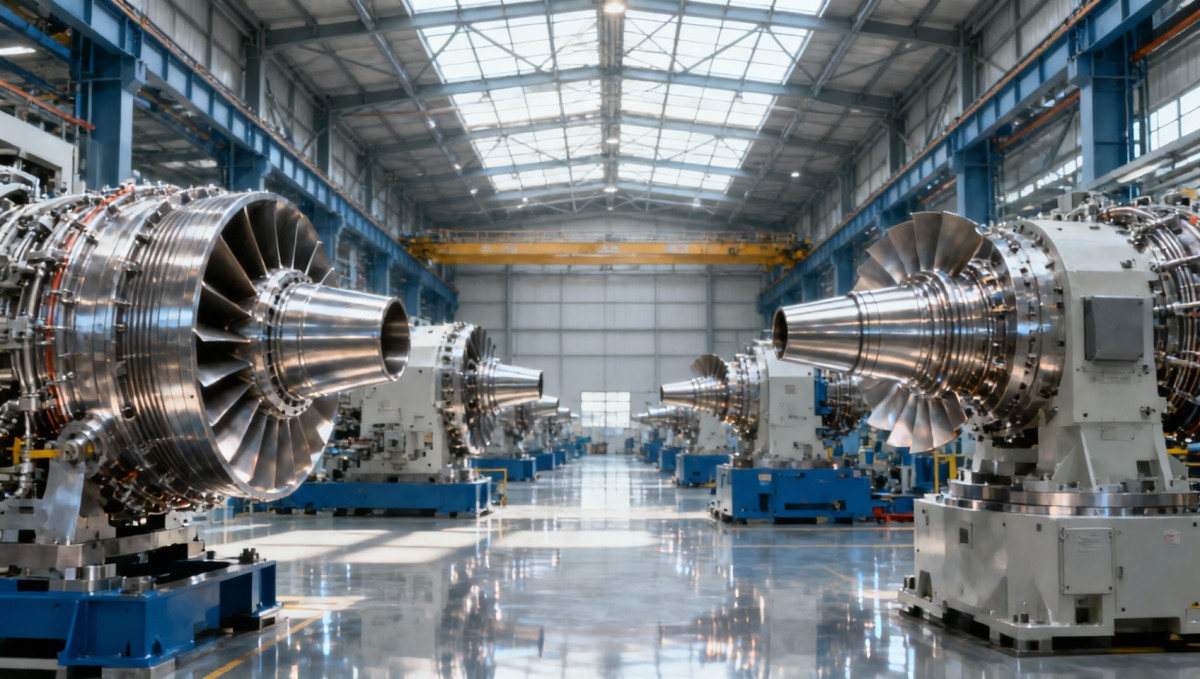
In summary, the extension of global gas turbine component lead times to 2028 marks a measurable shift in production geography—not merely a scheduling delay. It underscores deepening integration of Chinese industrial capacity into critical energy infrastructure value chains. For stakeholders, the implication is not disruption per se, but a need to recalibrate expectations, planning horizons, and verification protocols around component sourcing, certification, and logistics coordination.
Source: Public statement by Tang Jian, Deputy General Manager, Shanghai Electric Gas Turbine Co., Ltd., delivered at the 2026 Turbine Technology Conference on April 16, 2026. Note: Ongoing observation is warranted regarding potential updates to export classification, OEM certification scope, or regional staging initiatives beyond current public disclosures.
Recommended News
 AI Patent Tools Security Flaw Triggers Compliance ReviewAI Patent Tools security flaw exposed—triggering urgent compliance reviews for medical device, semiconductor & AI firms. Act now to secure submissions.
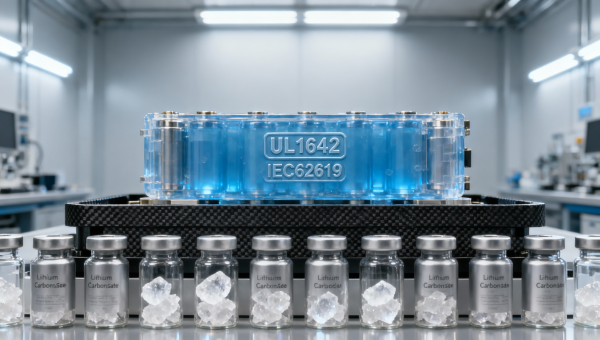
 Lithium Carbonate Price Rebound Pressures Battery CostsLithium carbonate price rebound in April 2026 pressures battery costs—impacting procurement, EV manufacturing & EU energy storage compliance. Key insights inside.
 AI+New Materials Summit at Canton Fair ClosesAI+New Materials Summit at Canton Fair closes—key insights for AI testing instruments, optical metrology & ISO/IEC 17025 compliance. Discover what Tier 1 auto buyers and TÜV/JIS labs really want.
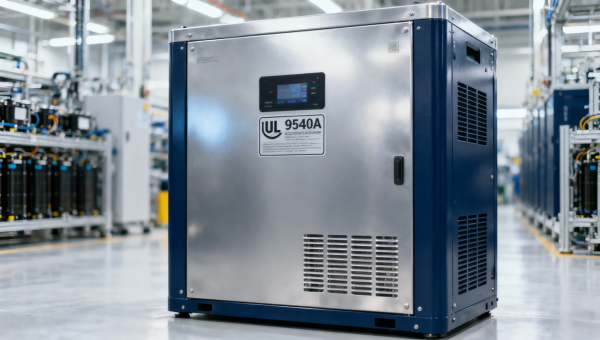
 Sodium-Ion Battery Mass Production Accelerates for Energy StorageSodium-ion battery mass production accelerates in 2026 — lower-cost, UL 9540A-certified energy storage for solar exporters and off-grid markets.
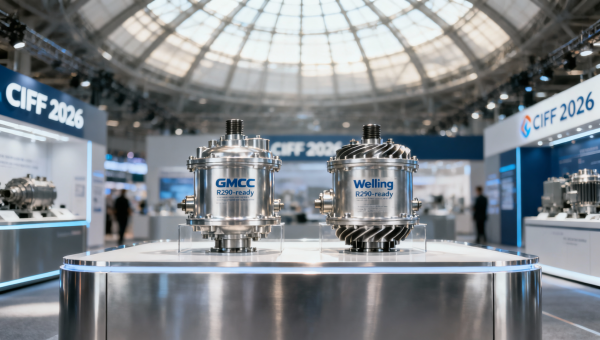
 GMCC & Welling Showcase R290-Ready Compressors at CIFF 2026R290-ready compressors from GMCC & Welling—ultra-low noise (≤22 dB), high IPLV, EU F-Gas III & US DOE 2026 compliant. See why HVAC exporters must act now.
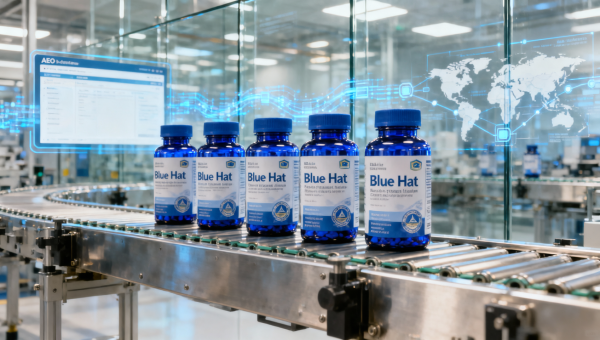
 Dongfang Select's Blue Hat Supplements Go Global with TraceabilityBlue Hat supplements with blockchain traceability—Dongfang Select’s global launch sets a new standard for trusted health & beauty exports.
 China’s New Green Design Guidelines Mandate LCA for Export Packaging & Building MaterialsChina’s new Green Design Guidelines mandate LCA for export packaging & building materials—key for EU, Korea, Canada market access. Act now to secure green procurement eligibility & tariff benefits.
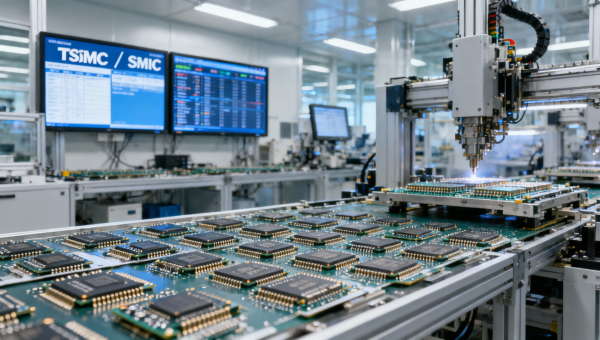
 Semiconductor Supply Chain Price Hikes Extend Lead TimesSemiconductor supply chain price hikes hit MCUs, power ICs & automotive sensors—lead times now stretch 16–20 weeks. Act now to secure A-BOM readiness and local packaging capacity.
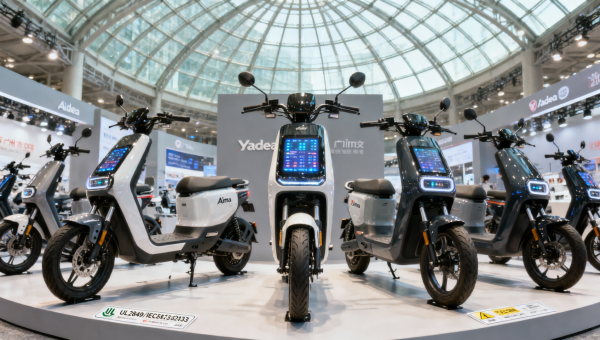
 Wuxi E-Bike Cluster Seeks Global Market at Canton FairWuxi e-bike cluster (Yadea, Aima, Tailg) targets global markets at Canton Fair—UL2849, IEC62133 & UN38.3 compliance is now key for LATAM entry.
 EU CBAM Enters Enforcement Phase on Jan 1, 2026EU CBAM enforcement starts Jan 1, 2026 — critical for exporters of iron, steel, aluminium, cement, fertilizers, electricity & hydrogen to the EU. Act now.
 2026 Jan–Feb Paper Industry Profits +6.1%; Green Packaging Export Premium EmergesGreen packaging export premium drives +6.1% paper industry profits in Jan–Feb 2026 — discover how FSC/PEFC certification and water-based processes boost margins for eco-friendly, food & cosmetics packaging exporters.
 Desay SV Automotive Files for H-Share Listing, Boosts Supply Chain TransparencyDesay SV Automotive's H-share listing filing boosts supply chain transparency — key for car electronics exporters, PCB suppliers & IATF 16949-certified manufacturers.
 NetEase Interactive Entertainment Market Head Moves OverseasNetEase Interactive Entertainment's marketing head moves overseas—key signal for AI, mobile accessories & wearables exporters targeting NA, EU, JP, KR markets.
 Nanchang Qingyunpu Solar+EMC Project Tender Signals Global ShiftNanchang Qingyunpu Solar+EMC tender signals global shift to performance-based energy solutions—key for solar, lighting & smart factory exporters.
 China Launches Battery Lifecycle Traceability PlatformChina’s Battery Lifecycle Traceability Platform is live: mandatory GS1 registration for NEV & C&I battery exports starts April 1, 2026—ensure compliance now!
 US Military Restricts Arabian Sea East of Strait of HormuzUS Military Restricts Arabian Sea east of Strait of Hormuz—impacting solar PV, water treatment & fire safety exports to GCC. Act now to mitigate 12–18 day delays & 25% insurance hikes.
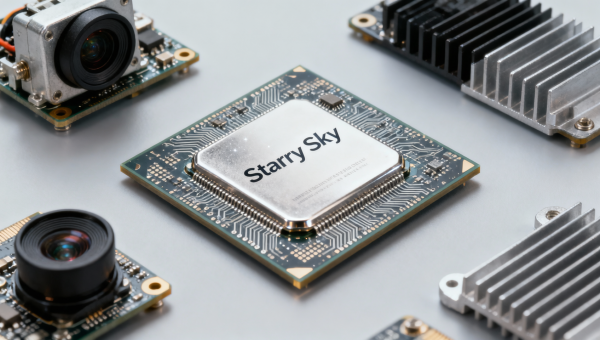
 Horizon Robotics Launches 'Starry Sky' Cockpit-ADAS Fusion ChipHorizon Robotics 'Starry Sky' cockpit-ADAS fusion chip launches April 2026 — cut BOM costs up to $400/vehicle. Key for exporters targeting MENA & ASEAN.
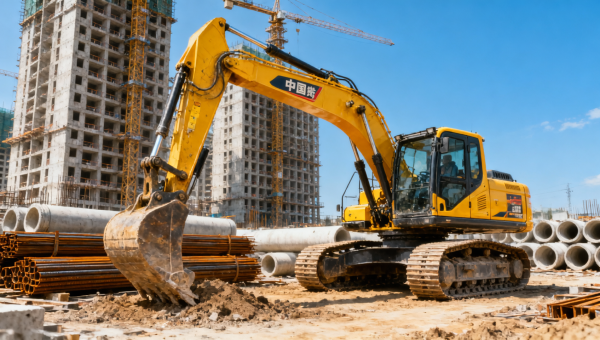
 China's Construction Machinery Exports Up 33.4% YoY in Jan–Feb 2026China's construction machinery exports surged 33.4% YoY in Jan–Feb 2026—driven by localized service in MEA & LatAm. Discover what this means for your global equipment strategy.
 EU CBAM Steel Carbon Tariff Takes Full Effect on Jan 1, 2026EU CBAM steel carbon tariff takes full effect Jan 1, 2026—exporters must submit verified lifecycle emissions data now. Act before delays & rejections hit.
 Japan Boosts Rapidus with ¥631.5B; China Semiconductor Export Opportunities RiseJapan’s ¥631.5B Rapidus boost unlocks China semiconductor export opportunities—especially in high-purity chemicals, precision components & cleanroom equipment. Act now.
 EU REACH Adds 12 SVHCs: Impact on China's Chemical, Plastic & Coating ExportsEU REACH adds 12 SVHCs, impacting China's chemical, plastic & coating exports. Learn key compliance actions & market risks before the Oct 2026 deadline.







Popular Tags
Global Trade Insights & Industry
Our mission is to empower global exporters and importers with data-driven insights that foster strategic growth.
Search News
Popular Tags
Industry Overview
The global commercial kitchen equipment market is projected to reach $112 billion by 2027. Driven by urbanization, the rise of e-commerce food delivery, and strict hygiene regulations.