

Lithium Carbonate Price Rebound Pressures Battery Costs
On April 17, 2026, battery-grade lithium carbonate prices rebounded to RMB 128,000/ton, triggering a 9% increase in the bill-of-materials (BOM) cost for ternary lithium动力电池. This development warrants close attention from upstream raw material procurers, battery manufacturers, EV OEMs, and exporters engaged in energy storage or mobility supply chains—particularly those active in Southeast Asia and Korea—due to its direct impact on cost competitiveness and certification-driven market access.
Event Overview
On April 17, 2026, battery-grade lithium carbonate was quoted at RMB 128,000 per ton. This price rise contributed to a 9% increase in the BOM cost of ternary lithium动力电池. In response, Guoxuan High-Tech and SVOLT accelerated overseas certification efforts for semi-solid-state batteries. Both companies have secured UL 2580 and UN38.3 exemption test qualifications. Their current stable delivery cycle stands at 16 weeks—three weeks shorter than that of conventional liquid electrolyte batteries—and their semi-solid-state cells are now undergoing bulk trial use by EV manufacturers in South Korea and Thailand.
Impact on Specific Industry Segments
Raw Material Procurement Enterprises
These enterprises face renewed pressure on input cost predictability. The rebound—though modest—interrupts the recent downward trend in lithium prices and may prompt re-evaluation of fixed-price contracts signed during the 2025 low-price window. Impact manifests as tighter margin buffers and increased hedging considerations for Q2–Q3 procurement planning.
Battery Cell Manufacturers
Manufacturers supplying ternary-based cells to export-oriented EV OEMs experience immediate BOM cost inflation. With limited short-term pricing leverage, this affects bid competitiveness in international tenders—especially where cost is weighted heavily against performance. The shift toward semi-solid-state technology also introduces new qualification timelines and testing requirements that must be factored into production scheduling.
EV OEMs (Export-Focused, Especially in Korea & Thailand)
These OEMs are directly exposed to both rising battery costs and evolving safety certification expectations. Trial adoption of semi-solid-state cells signals a strategic pivot toward higher-energy-density, faster-delivering solutions—but also implies longer internal validation cycles before full integration. Early engagement with certified suppliers becomes critical to avoid launch delays.
Supply Chain & Certification Service Providers
Service providers supporting battery exports—including test labs, logistics coordinators handling UN38.3 documentation, and regulatory consultants—see growing demand for expedited UL 2580 compliance support and exemption pathway navigation. The 16-week delivery cycle advantage hinges on seamless handoffs between design, testing, and documentation stages.
What Relevant Enterprises or Practitioners Should Focus On
Monitor official lithium price indices and policy signals closely
While the April 17 rebound is confirmed, its sustainability remains uncertain. Enterprises should track weekly updates from authoritative sources (e.g., Asian Metal, SMM) rather than relying on single-point quotations—especially given seasonal inventory adjustments and potential government reserve releases later in 2026.
Prioritize qualification status over headline specifications when evaluating semi-solid-state suppliers
UL 2580 and UN38.3 exemption eligibility—confirmed in this update—are concrete, compliance-critical milestones. Buyers should verify certificate validity dates and scope coverage (e.g., cell vs. pack level), not just nominal energy density or cycle life claims.
Distinguish between trial deployment and volume ramp-up timelines
The report notes ‘bulk trial use’ in Korea and Thailand—not commercial-scale adoption. Enterprises should treat current deployments as technical validation phases; procurement commitments or capacity planning based on these trials remain premature without confirmation of qualification transfer, local homologation, and sustained delivery performance.
Reassess lead-time assumptions across battery-related procurement and logistics workflows
A stable 16-week delivery cycle for certified semi-solid-state cells represents a tangible operational improvement over liquid alternatives. Logistics planners and procurement teams should update internal lead-time benchmarks accordingly—particularly for air-freighted shipments requiring UN38.3 documentation, where exemption status directly reduces pre-shipment processing time.
Editorial Perspective / Industry Observation
From an industry perspective, this update is best understood not as a turning point in lithium pricing, but as a signal of tightening cost discipline amid technological transition. The coordinated response—price-driven cost pressure met with accelerated certification of next-generation cells—reflects a maturing response pattern among leading Chinese battery firms: using regulatory readiness as a competitive lever when commodity inputs fluctuate. Analysis来看, the UL 2580 and UN38.3 exemption achievements indicate progress in standardization—not just innovation—making semi-solid-state batteries more viable for regulated export markets. Observation来看, the 16-week delivery stability suggests improved process control in pilot-scale manufacturing, though mass production scalability remains unconfirmed. Current更值得关注的是 how quickly other Tier-1 suppliers replicate this certification pathway—and whether regional regulators (e.g., Korea’s KATS, Thailand’s NBTC) begin referencing UL 2580 in local type-approval frameworks.
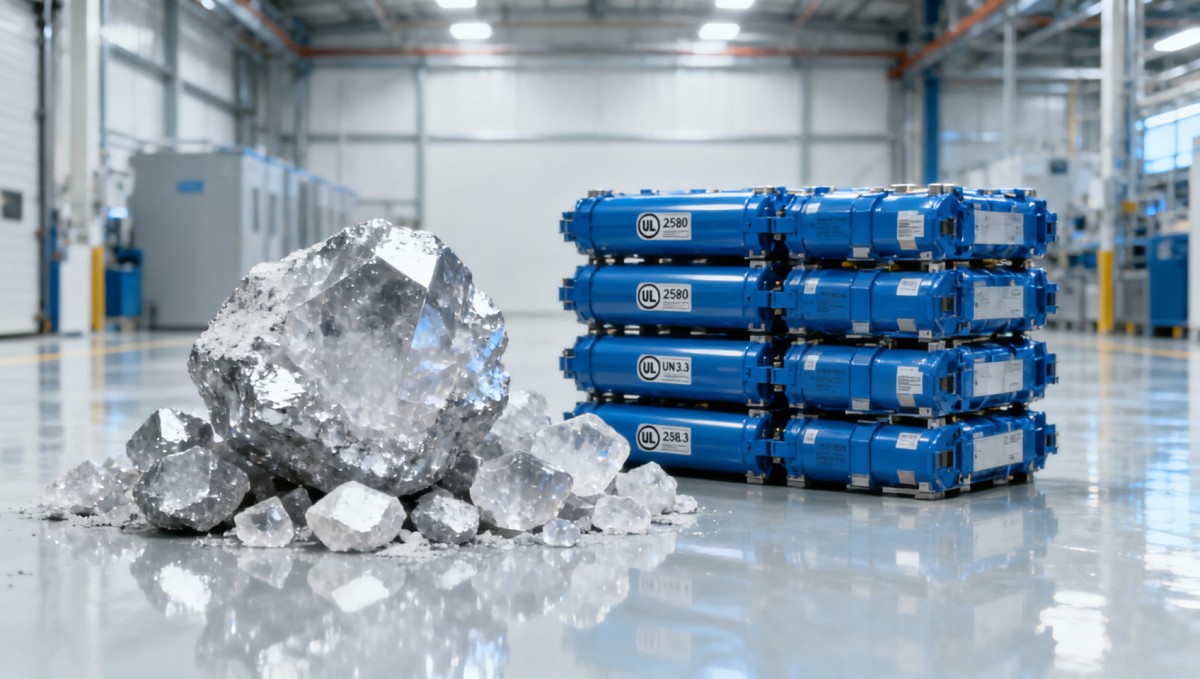
In summary, the April 17 lithium carbonate rebound highlights the ongoing interplay between raw material volatility and technology-led mitigation strategies in the battery supply chain. Its primary significance lies not in the magnitude of the price move, but in the speed and specificity of the industry’s counter-response: certification acceleration, validated lead-time reduction, and targeted trial deployment. It is更适合理解为一个 supply-chain resilience indicator—rather than a commodity market inflection point.
Source: Publicly reported pricing data and corporate announcements dated April 17, 2026. Note: Ongoing observation is recommended for lithium carbonate price trajectory beyond Q2 2026 and for expansion of semi-solid-state battery trial deployments beyond current Korean and Thai OEMs.
Recommended News
 AI Patent Tools Security Flaw Triggers Compliance ReviewAI Patent Tools security flaw exposed—triggering urgent compliance reviews for medical device, semiconductor & AI firms. Act now to secure submissions.
 Lithium Carbonate Price Rebound Pressures Battery CostsLithium carbonate price rebound in April 2026 pressures battery costs—impacting procurement, EV manufacturing & EU energy storage compliance. Key insights inside.
 AI+New Materials Summit at Canton Fair ClosesAI+New Materials Summit at Canton Fair closes—key insights for AI testing instruments, optical metrology & ISO/IEC 17025 compliance. Discover what Tier 1 auto buyers and TÜV/JIS labs really want.
 Sodium-Ion Battery Mass Production Accelerates for Energy StorageSodium-ion battery mass production accelerates in 2026 — lower-cost, UL 9540A-certified energy storage for solar exporters and off-grid markets.
 GMCC & Welling Showcase R290-Ready Compressors at CIFF 2026R290-ready compressors from GMCC & Welling—ultra-low noise (≤22 dB), high IPLV, EU F-Gas III & US DOE 2026 compliant. See why HVAC exporters must act now.
 Dongfang Select's Blue Hat Supplements Go Global with TraceabilityBlue Hat supplements with blockchain traceability—Dongfang Select’s global launch sets a new standard for trusted health & beauty exports.
 China’s New Green Design Guidelines Mandate LCA for Export Packaging & Building MaterialsChina’s new Green Design Guidelines mandate LCA for export packaging & building materials—key for EU, Korea, Canada market access. Act now to secure green procurement eligibility & tariff benefits.
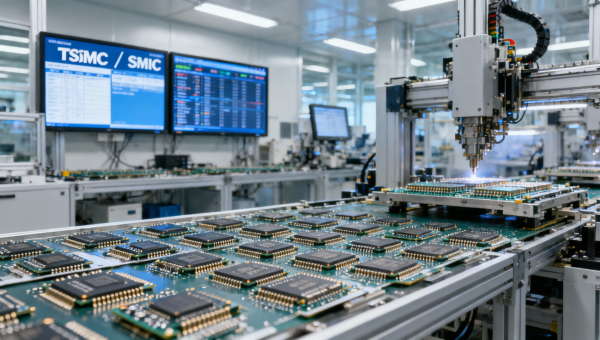
 Semiconductor Supply Chain Price Hikes Extend Lead TimesSemiconductor supply chain price hikes hit MCUs, power ICs & automotive sensors—lead times now stretch 16–20 weeks. Act now to secure A-BOM readiness and local packaging capacity.
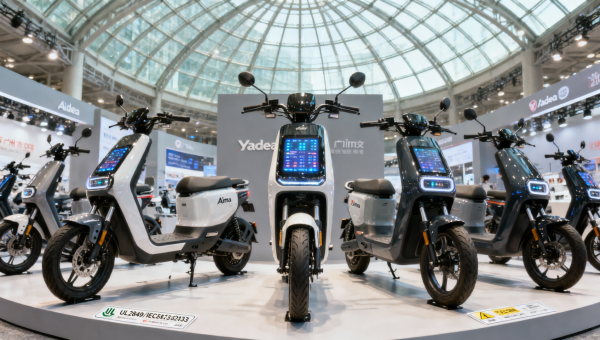
 Wuxi E-Bike Cluster Seeks Global Market at Canton FairWuxi e-bike cluster (Yadea, Aima, Tailg) targets global markets at Canton Fair—UL2849, IEC62133 & UN38.3 compliance is now key for LATAM entry.
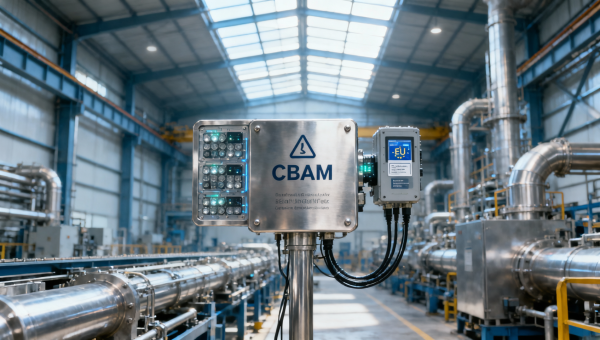
 EU CBAM Enters Enforcement Phase on Jan 1, 2026EU CBAM enforcement starts Jan 1, 2026 — critical for exporters of iron, steel, aluminium, cement, fertilizers, electricity & hydrogen to the EU. Act now.
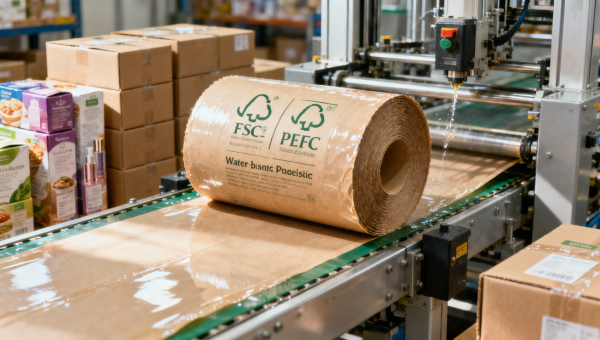
 2026 Jan–Feb Paper Industry Profits +6.1%; Green Packaging Export Premium EmergesGreen packaging export premium drives +6.1% paper industry profits in Jan–Feb 2026 — discover how FSC/PEFC certification and water-based processes boost margins for eco-friendly, food & cosmetics packaging exporters.
 Desay SV Automotive Files for H-Share Listing, Boosts Supply Chain TransparencyDesay SV Automotive's H-share listing filing boosts supply chain transparency — key for car electronics exporters, PCB suppliers & IATF 16949-certified manufacturers.
 NetEase Interactive Entertainment Market Head Moves OverseasNetEase Interactive Entertainment's marketing head moves overseas—key signal for AI, mobile accessories & wearables exporters targeting NA, EU, JP, KR markets.
 Nanchang Qingyunpu Solar+EMC Project Tender Signals Global ShiftNanchang Qingyunpu Solar+EMC tender signals global shift to performance-based energy solutions—key for solar, lighting & smart factory exporters.
 China Launches Battery Lifecycle Traceability PlatformChina’s Battery Lifecycle Traceability Platform is live: mandatory GS1 registration for NEV & C&I battery exports starts April 1, 2026—ensure compliance now!
 US Military Restricts Arabian Sea East of Strait of HormuzUS Military Restricts Arabian Sea east of Strait of Hormuz—impacting solar PV, water treatment & fire safety exports to GCC. Act now to mitigate 12–18 day delays & 25% insurance hikes.
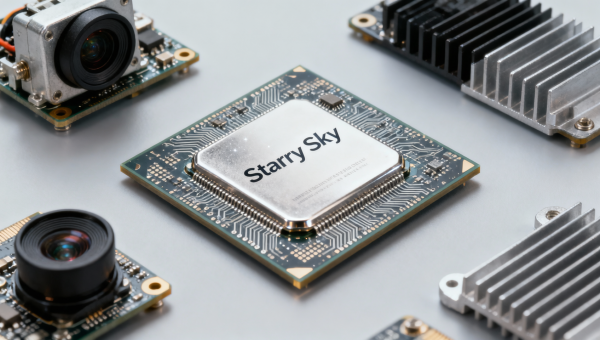
 Horizon Robotics Launches 'Starry Sky' Cockpit-ADAS Fusion ChipHorizon Robotics 'Starry Sky' cockpit-ADAS fusion chip launches April 2026 — cut BOM costs up to $400/vehicle. Key for exporters targeting MENA & ASEAN.
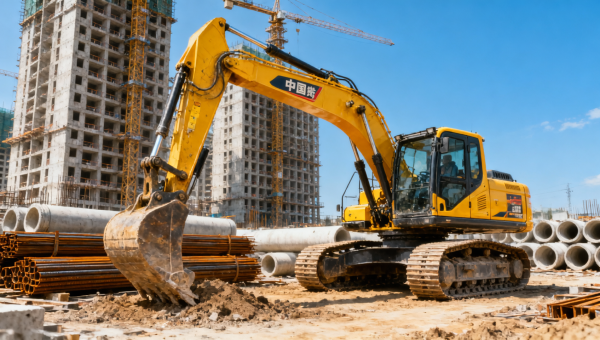
 China's Construction Machinery Exports Up 33.4% YoY in Jan–Feb 2026China's construction machinery exports surged 33.4% YoY in Jan–Feb 2026—driven by localized service in MEA & LatAm. Discover what this means for your global equipment strategy.
 EU CBAM Steel Carbon Tariff Takes Full Effect on Jan 1, 2026EU CBAM steel carbon tariff takes full effect Jan 1, 2026—exporters must submit verified lifecycle emissions data now. Act before delays & rejections hit.
 Japan Boosts Rapidus with ¥631.5B; China Semiconductor Export Opportunities RiseJapan’s ¥631.5B Rapidus boost unlocks China semiconductor export opportunities—especially in high-purity chemicals, precision components & cleanroom equipment. Act now.
 EU REACH Adds 12 SVHCs: Impact on China's Chemical, Plastic & Coating ExportsEU REACH adds 12 SVHCs, impacting China's chemical, plastic & coating exports. Learn key compliance actions & market risks before the Oct 2026 deadline.





Popular Tags
Global Trade Insights & Industry
Our mission is to empower global exporters and importers with data-driven insights that foster strategic growth.
Search News
Popular Tags
Industry Overview
The global commercial kitchen equipment market is projected to reach $112 billion by 2027. Driven by urbanization, the rise of e-commerce food delivery, and strict hygiene regulations.