

Canton Fair AI+New Materials Forum Closes with EU/JP Bulk Inquiries
On April 17, 2026, the Canton Fair’s concurrent ‘AI + New Materials’ forum concluded with notable traction for Chinese intelligent inspection instruments — including high-precision machine vision systems, XRF coating thickness analyzers, and laser confocal microscopes — among procurement teams from Bosch (Germany) and Keyence (Japan), which signed 12 technical validation agreements on-site. This development signals growing relevance for precision manufacturing, electronics assembly, and advanced materials supply chains globally.
Event Overview
On April 17, 2026, the ‘AI + New Materials’ forum held alongside the Canton Fair closed. Publicly confirmed outcomes include: (1) Chinese-made high-precision machine vision inspection instruments, XRF-based coating thickness analyzers, and laser confocal microscopes attracted on-site engagement from procurement teams of Bosch (Germany) and Keyence (Japan); (2) a total of 12 technical validation agreements were signed during the event; (3) these domestic instruments now support OPC UA protocol integration with overseas MES systems; (4) average delivery lead time is 8 weeks — 40% shorter than typical import alternatives.
Which Sub-Sectors Are Affected
Direct Export-Oriented Instrument Manufacturers
These firms face immediate implications in product interoperability requirements and delivery expectations. The adoption of OPC UA as a de facto interface standard means future export orders will likely require certified compliance — not just functional performance. Shorter lead times also raise baseline competitiveness thresholds for non-Chinese suppliers targeting similar markets.
Electronics & Automotive Tier-2/Tier-3 Component Suppliers
Such suppliers often rely on imported metrology tools for incoming material verification and in-process quality control. With validated domestic alternatives now offering MES-integrated operation and faster deployment, procurement cycles for inspection infrastructure may shift — particularly where cost, lead time, or local support responsiveness are decisive factors.
Contract Manufacturing Service Providers (EMS/CMMS)
These providers operate under tight production schedules and audit-driven quality frameworks. The availability of domestically sourced, OPC UA–enabled inspection hardware could reduce tooling integration delays when setting up new lines for European or Japanese clients — especially if those clients mandate MES traceability but accept third-party certified equipment.
Industrial Automation System Integrators
Integrators supporting multinational clients must now account for an expanded pool of compliant, low-latency inspection hardware options. The OPC UA compatibility confirms alignment with Industry 4.0 architecture norms — meaning fewer custom middleware layers may be needed to onboard these devices into existing factory data platforms.
What Relevant Enterprises or Practitioners Should Watch & Do Now
Monitor official certification pathways for OPC UA conformance
While OPC UA support is confirmed, formal certification status (e.g., by the OPC Foundation) remains unreported. Enterprises planning large-scale deployments should verify whether devices carry official conformance certificates — as this affects audit readiness and long-term vendor lock-in risk.
Track follow-up actions on the 12 signed technical validation agreements
Validation agreements are not purchase orders. Their progression — toward pilot deployment, performance benchmarking, or volume procurement — will indicate real-world acceptance thresholds. Monitoring public updates from Bosch or Keyence (e.g., press releases, tender notices) over Q3–Q4 2026 is more actionable than assuming immediate market penetration.
Assess internal MES integration capabilities against OPC UA–enabled hardware
Adoption readiness depends less on device availability and more on whether existing MES environments can ingest standardized OPC UA data streams without proprietary gateways. IT and automation teams should audit current MES vendor documentation for native OPC UA subscription support — not just connectivity.
Review logistics and service infrastructure for domestic instrumentation
The 8-week delivery window reflects improved domestic manufacturing and logistics coordination. Companies evaluating regional sourcing strategies should assess whether local calibration, spare parts availability, and firmware update channels meet operational uptime requirements — especially for mission-critical inline inspection applications.
Editor Perspective / Industry Observation
From industry perspective, this event is best understood as a signal — not yet an outcome — of shifting capability recognition in industrial metrology. The signing of technical validation agreements indicates serious evaluation, not commercial adoption. Analysis来看, the key enabler is interoperability (OPC UA), not just price or speed: it lowers integration friction for global manufacturers already committed to MES-driven quality systems. Observation来看, the 40% lead time advantage matters most in contexts where ramp-up timing affects customer qualification cycles — such as new product introductions in automotive or medical device manufacturing. It is more accurate to view this as an inflection point in supplier evaluation criteria, rather than evidence of broad substitution underway.
Conclusion
This event does not mark a sudden displacement of established metrology vendors, but it does redefine minimum viability thresholds for new entrants targeting export markets. For stakeholders across the precision instrumentation value chain, the implication is procedural: interoperability readiness and demonstrable integration timelines now carry equal weight with measurement accuracy and repeatability. Currently, it is more appropriate to interpret this as an early-stage validation of domestic capability alignment with global Industry 4.0 infrastructure demands — not as a completed market transition.
Information Source
Main source: Official summary released by the China Import and Export Fair (Canton Fair) Secretariat regarding the April 17, 2026 ‘AI + New Materials’ forum. Note: Progress on the 12 technical validation agreements remains pending public update and is designated for ongoing observation.
Recommended News
 AI Patent Tools Security Flaw Triggers Compliance ReviewAI Patent Tools security flaw exposed—triggering urgent compliance reviews for medical device, semiconductor & AI firms. Act now to secure submissions.
 Lithium Carbonate Price Rebound Pressures Battery CostsLithium carbonate price rebound in April 2026 pressures battery costs—impacting procurement, EV manufacturing & EU energy storage compliance. Key insights inside.
 AI+New Materials Summit at Canton Fair ClosesAI+New Materials Summit at Canton Fair closes—key insights for AI testing instruments, optical metrology & ISO/IEC 17025 compliance. Discover what Tier 1 auto buyers and TÜV/JIS labs really want.
 Sodium-Ion Battery Mass Production Accelerates for Energy StorageSodium-ion battery mass production accelerates in 2026 — lower-cost, UL 9540A-certified energy storage for solar exporters and off-grid markets.
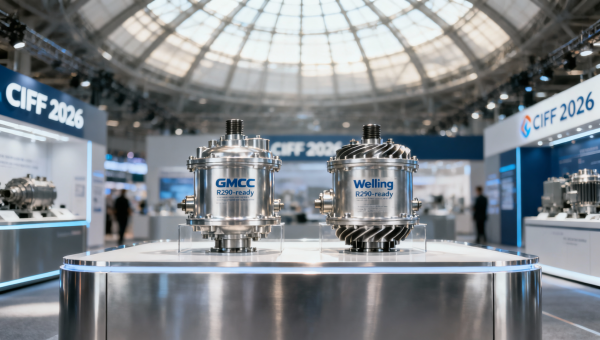
 GMCC & Welling Showcase R290-Ready Compressors at CIFF 2026R290-ready compressors from GMCC & Welling—ultra-low noise (≤22 dB), high IPLV, EU F-Gas III & US DOE 2026 compliant. See why HVAC exporters must act now.
 Dongfang Select's Blue Hat Supplements Go Global with TraceabilityBlue Hat supplements with blockchain traceability—Dongfang Select’s global launch sets a new standard for trusted health & beauty exports.
 China’s New Green Design Guidelines Mandate LCA for Export Packaging & Building MaterialsChina’s new Green Design Guidelines mandate LCA for export packaging & building materials—key for EU, Korea, Canada market access. Act now to secure green procurement eligibility & tariff benefits.
 Semiconductor Supply Chain Price Hikes Extend Lead TimesSemiconductor supply chain price hikes hit MCUs, power ICs & automotive sensors—lead times now stretch 16–20 weeks. Act now to secure A-BOM readiness and local packaging capacity.
 Wuxi E-Bike Cluster Seeks Global Market at Canton FairWuxi e-bike cluster (Yadea, Aima, Tailg) targets global markets at Canton Fair—UL2849, IEC62133 & UN38.3 compliance is now key for LATAM entry.
 EU CBAM Enters Enforcement Phase on Jan 1, 2026EU CBAM enforcement starts Jan 1, 2026 — critical for exporters of iron, steel, aluminium, cement, fertilizers, electricity & hydrogen to the EU. Act now.
 2026 Jan–Feb Paper Industry Profits +6.1%; Green Packaging Export Premium EmergesGreen packaging export premium drives +6.1% paper industry profits in Jan–Feb 2026 — discover how FSC/PEFC certification and water-based processes boost margins for eco-friendly, food & cosmetics packaging exporters.
 Desay SV Automotive Files for H-Share Listing, Boosts Supply Chain TransparencyDesay SV Automotive's H-share listing filing boosts supply chain transparency — key for car electronics exporters, PCB suppliers & IATF 16949-certified manufacturers.
 NetEase Interactive Entertainment Market Head Moves OverseasNetEase Interactive Entertainment's marketing head moves overseas—key signal for AI, mobile accessories & wearables exporters targeting NA, EU, JP, KR markets.
 Nanchang Qingyunpu Solar+EMC Project Tender Signals Global ShiftNanchang Qingyunpu Solar+EMC tender signals global shift to performance-based energy solutions—key for solar, lighting & smart factory exporters.
 China Launches Battery Lifecycle Traceability PlatformChina’s Battery Lifecycle Traceability Platform is live: mandatory GS1 registration for NEV & C&I battery exports starts April 1, 2026—ensure compliance now!
 US Military Restricts Arabian Sea East of Strait of HormuzUS Military Restricts Arabian Sea east of Strait of Hormuz—impacting solar PV, water treatment & fire safety exports to GCC. Act now to mitigate 12–18 day delays & 25% insurance hikes.
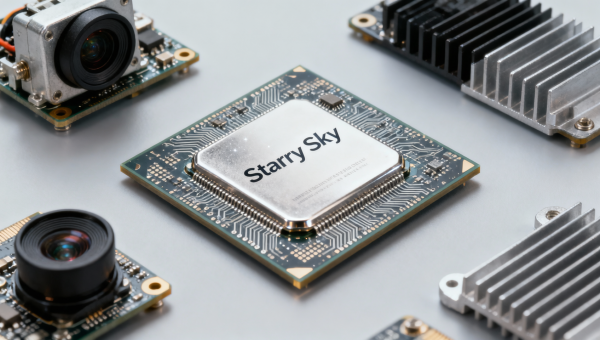
 Horizon Robotics Launches 'Starry Sky' Cockpit-ADAS Fusion ChipHorizon Robotics 'Starry Sky' cockpit-ADAS fusion chip launches April 2026 — cut BOM costs up to $400/vehicle. Key for exporters targeting MENA & ASEAN.
 China's Construction Machinery Exports Up 33.4% YoY in Jan–Feb 2026China's construction machinery exports surged 33.4% YoY in Jan–Feb 2026—driven by localized service in MEA & LatAm. Discover what this means for your global equipment strategy.
 EU CBAM Steel Carbon Tariff Takes Full Effect on Jan 1, 2026EU CBAM steel carbon tariff takes full effect Jan 1, 2026—exporters must submit verified lifecycle emissions data now. Act before delays & rejections hit.
 Japan Boosts Rapidus with ¥631.5B; China Semiconductor Export Opportunities RiseJapan’s ¥631.5B Rapidus boost unlocks China semiconductor export opportunities—especially in high-purity chemicals, precision components & cleanroom equipment. Act now.
 EU REACH Adds 12 SVHCs: Impact on China's Chemical, Plastic & Coating ExportsEU REACH adds 12 SVHCs, impacting China's chemical, plastic & coating exports. Learn key compliance actions & market risks before the Oct 2026 deadline.



















Popular Tags
Global Trade Insights & Industry
Our mission is to empower global exporters and importers with data-driven insights that foster strategic growth.
Search News
Popular Tags
Industry Overview
The global commercial kitchen equipment market is projected to reach $112 billion by 2027. Driven by urbanization, the rise of e-commerce food delivery, and strict hygiene regulations.