

China’s First Embodied AI Robot Export Liability Insurance Launched in Guangxi
On April 29, 2026, Guangxi Banking and Insurance Regulatory Bureau guided the launch of China’s first dedicated export liability insurance product for embodied AI robots — the ‘Embodied AI Robot Export Liability Insurance’. This development is particularly relevant for robotics manufacturers, export-oriented automation integrators, and cross-border compliance service providers operating in EU, U.S., and ASEAN markets.
Event Overview
On April 29, 2026, under guidance from the Guangxi Banking and Insurance Regulatory Bureau, the first ‘Embodied AI Robot Export Liability Insurance’ in China was launched. The policy covers third-party bodily injury and property damage liabilities arising from robot operation, aligned with three key international standards: EU Machinery Directive 2006/42/EC, ANSI/RIA R15.06 (U.S.), and ISO 10218. Premium rates are 22% lower than those of conventional liability products. As confirmed, the insurance currently supports Chinese enterprises exporting delivery robots and inspection robots to Germany, Singapore, and Mexico.
Industries Affected by This Development
Robotics Exporters & OEM Integrators
These companies face direct exposure to overseas regulatory liability risks when deploying embodied robots in foreign markets. With CE, ANSI/RIA, and ISO 10218 compliance now explicitly covered under a standardized insurance product, their ability to meet contractual liability requirements — especially in public-sector tenders or B2B enterprise deployments — improves. Impact includes reduced pre-shipment compliance verification burden and faster contract execution cycles for export deals.
Contract Manufacturers & System Assemblers
Firms that build or integrate embodied robots for export brands may be named as additional insured parties under this policy, depending on contractual arrangements. Their liability exposure during commissioning, field testing, or post-deployment support now falls within a defined, insurable scope — potentially reducing reliance on bespoke legal indemnity clauses negotiated per project.
Supply Chain & Certification Service Providers
Third-party conformity assessment bodies, CE marking consultants, and technical documentation auditors may see increased demand for harmonized test reports aligned specifically with the three referenced standards. Since the insurance explicitly references these frameworks, supporting documentation must demonstrate traceable compliance — not just general safety assertions.
What Enterprises and Practitioners Should Focus On Now
Monitor official implementation guidelines and insurer underwriting criteria
The current announcement confirms product launch and initial coverage scope, but detailed underwriting rules — such as acceptable robot autonomy levels, required firmware version controls, or incident reporting timelines — have not been publicly released. Enterprises should track updates from Guangxi regulators and lead insurers.
Verify alignment between target market regulations and covered standards
The policy cites EU, U.S., and ISO standards — but does not extend to country-specific adaptations (e.g., Singapore’s SS 671 or Mexico’s NOM-001-SEDE). Exporters targeting non-listed jurisdictions must assess whether supplementary coverage or local endorsements will be needed.
Distinguish between policy availability and operational readiness
While the insurance is now available, its adoption requires documented evidence of compliance (e.g., type examination reports, risk assessments per ISO 12100). Companies should audit internal technical files before applying — rather than treating insurance as a standalone compliance shortcut.
Prepare documentation workflows for multi-market deployment
Since the same policy supports exports to Germany, Singapore, and Mexico, enterprises should standardize compliance documentation across these markets where possible — focusing on overlapping requirements in mechanical safety, emergency stop functionality, and human–robot interaction protocols.
Editorial Perspective / Industry Observation
Observably, this initiative signals a shift from ad hoc, project-level liability management toward standardized, insurance-backed risk transfer for embodied AI hardware. It does not yet represent broad regulatory harmonization — nor does it replace mandatory certification — but rather complements existing compliance pathways. Analysis shows the 22% premium reduction reflects both actuarial confidence in emerging safety data and targeted policy design for high-volume, low-risk use cases (e.g., indoor logistics robots). From an industry perspective, this is best understood not as a final solution, but as an early-stage infrastructure enabler — one that lowers entry barriers for SMEs entering regulated export markets, provided they maintain baseline technical documentation rigor.
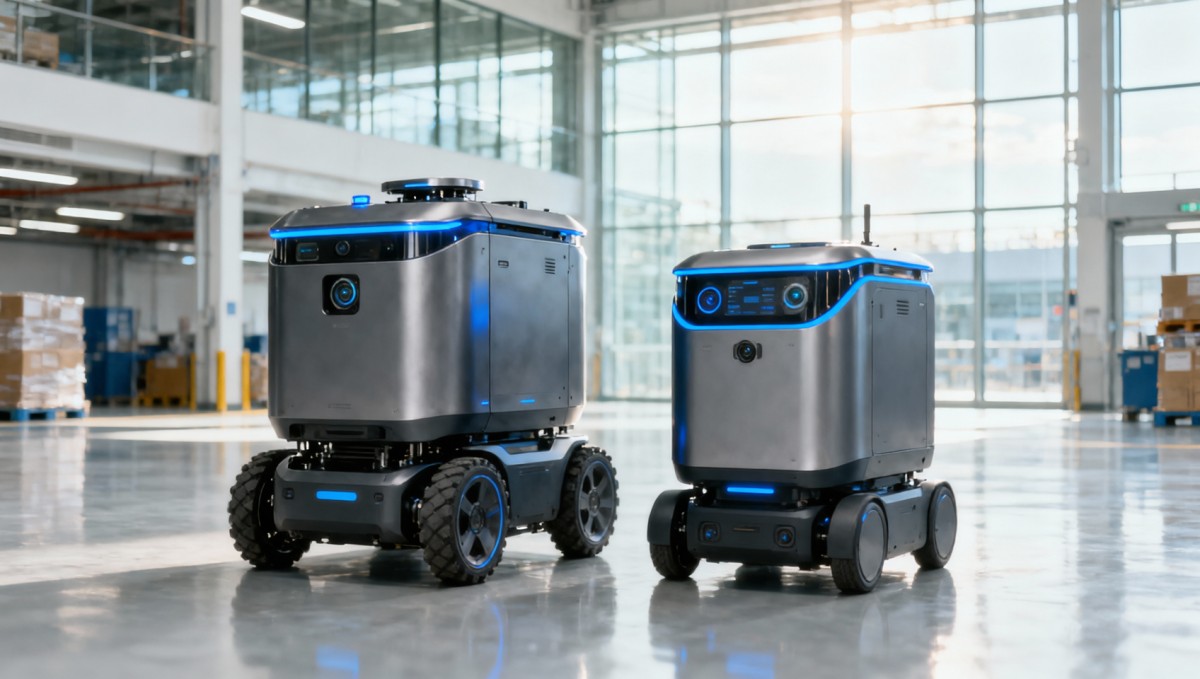
Conclusion: This insurance product marks a procedural milestone — not a regulatory change — in how embodied AI robotics firms manage cross-border liability exposure. Its value lies in predictability and cost efficiency for exporters already meeting core mechanical safety standards. Currently, it is more appropriately understood as a compliance-support tool than a substitute for due diligence or certification.
Source: Announcement issued by Guangxi Banking and Insurance Regulatory Bureau (April 29, 2026); confirmed coverage scope and participating markets per official release. Ongoing observation is recommended regarding insurer-specific underwriting terms, eligibility thresholds, and potential expansion to additional jurisdictions or robot classes.
Recommended News
 China’s First Embodied AI Robot Export Liability Insurance Launched in GuangxiEmbodied AI Robot Export Liability Insurance — China’s first dedicated policy, 22% cheaper, covers EU/US/ASEAN markets. Secure compliance & boost exports now!
 China’s Q1 2026 Logistics Volume Rises 6.2%: Shipping Rates StabilizeChina’s Q1 2026 logistics volume rose 6.2% — shipping rates stabilize across US/EU lanes. Key insights for exporters, manufacturers & 3PLs.
 China to Include AI Quality Inspection, Remote IoT Maintenance in Export CertificationChina now certifies AI quality inspection & remote IoT maintenance for exports—unlock global market access, incentives, and trust. Act now to align with DS-EF.
 MIIT Releases 10G-PON Pilot Completion List, Boosting Global Export of Chinese Optical ModulesMIIT's 10G-PON pilot completion list unlocks global export opportunities for Chinese optical modules — gain 10G-IOA certification & win tenders in Spain, Brazil, Indonesia.
 Morocco Ranks 4th in EU Energy Aid to Africa; PV Mounting & BESS Export Pathways ExpandPV mounting & BESS exporters: Morocco’s ONEE white list unlocks EU-funded solar microgrid opportunities — faster clearance, stronger EU-Africa energy alignment.
 MIIT Introduces SGEER for Green Data Center ExportsSGEER for green data center exports is now a key tender requirement in Singapore, UAE & Chile—learn how MIIT’s new Space-Ground Energy Efficiency Ratio impacts servers, liquid cooling & intelligent PDUs.
 ADB Raises Vietnam’s 2026 GDP Forecast to 7.2% on Electronics & Solar Supply Chain GrowthADB raises Vietnam’s 2026 GDP forecast to 7.2%—driven by electronics & solar supply chain growth. Discover how PV bundling, 12-day deliveries, and Sino-Vietnamese integration reshape global procurement.
 First Batch of National SME Service Platforms AnnouncedNational SME Service Platforms launched: 30 demonstration hubs, including 16 for cross-border certification & green compliance—key for exporters in electronics, auto parts, and green energy.
 MIIT Approves 690 Industry Standards, Including AI Deep Synthesis Image SpecificationMIIT approves AI Deep Synthesis Image Specification amid 690 new industry standards—critical for AI visual inspection, industrial QA, and remote O&M exporters.
 EN 62368-1:2026 Mandatory in EU from May 2026 for Wearables & Smart HomeEN 62368-1:2026 mandates thermal runaway protection for wearables & smart home devices in the EU from May 2026 — ensure CE compliance now.
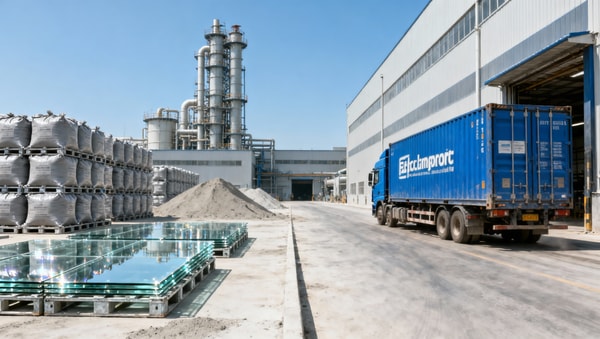
 China Accelerates Export Refunds for Cement, Glass FirmsChina accelerates export refunds for cement & glass firms—T+3 VAT rebates + 30% lower inspections for ISO 14067-certified exporters. Act now!
 MIIT Sets New Certification for Green Data Center ExportsMIIT Sets New Certification for Green Data Center Exports: LEO satellite sync, space-ground scheduling & liquid-cooling (PUE<1.15) now key for NEOM/G42 bids.
 China’s First Embodied AI Robot Insurance Launched in GuangxiChina’s first Embodied AI Robot Insurance launched in Guangxi—key for EU-bound service robot exporters, OEMs & compliance teams seeking faster market access.
 MIIT Releases List of Completed 10G-PON Pilot CitiesMIIT Releases List of Completed 10G-PON Pilot Cities — Discover how 800G optical modules, low-loss fiber patch cords & intelligent ODN cabinets are shaping global telecom procurement trends.
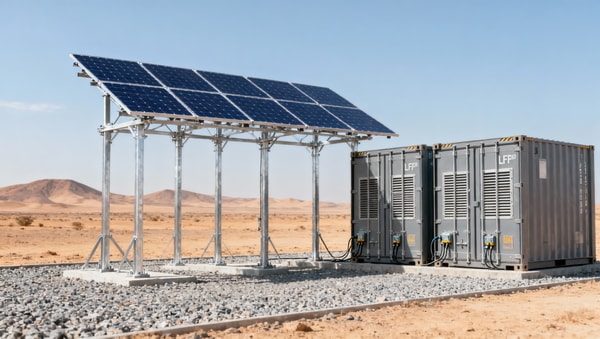
 Morocco: 4th Top African Recipient of EU Energy Aid, Boost for Chinese PV Mounting & BESS ExportsMorocco’s €1.2B EU energy aid boosts demand for Chinese PV mounting structures & containerized BESS — key export opportunity in North Africa.
 China’s 2026–2030 Service Trade Standardization PlanChina’s 2026–2030 Service Trade Standardization Plan officially recognizes AI inspection reports, cloud maintenance logs, and SaaS packages as certifiable digital exports—key for global SaaS, smart manufacturing & IT outsourcing firms.
 ADB Raises Vietnam’s 2026 GDP Forecast to 7.2% on Sino-Vietnam Electronics & Solar Supply Chain IntegrationADB raises Vietnam’s 2026 GDP forecast to 7.2% amid surging Sino-Vietnam electronics & solar supply chain integration—key insight for OEMs, EMS providers, and cross-border traders.
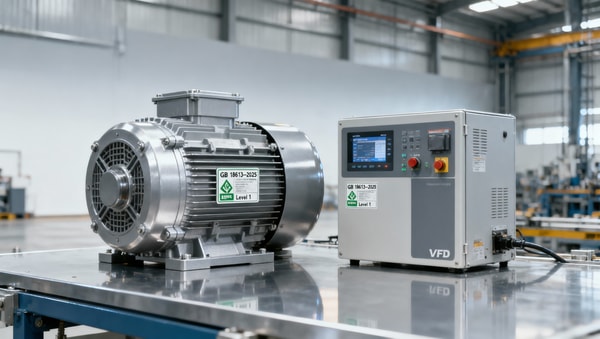
 China Launches Green Export Channel for High-Efficiency Motors & DrivesGreen export channel launched for high-efficiency motors & drives meeting GB 18613–2025 Level 1 — faster clearance, certification & global edge.
 EN 62368-1:2026 Mandatory in EU from May 2026 for Wearables & Smart Home DevicesEN 62368-1:2026 is mandatory for wearables & smart home devices in the EU from May 2026 — ensure CE compliance now with thermal, PCB, and flame-retardancy updates.
 WeChat Pay Connects QR Codes in 5 Countries for Cross-Border TradeWeChat Pay Connects QR Codes in 5 Countries for Cross-Border Trade — enabling seamless, wallet-to-wallet payments for SMEs importing from China. Faster settlement, no RMB top-up or cards needed.
 MIIT Releases First List of Completed 10G-PON Pilot ProjectsMIIT Releases First List of Completed 10G-PON Pilot Projects — discover how XGS-PON, 25G WDM-PON chips and China’s 10G optical network pilots impact global export opportunities.















Popular Tags
Global Trade Insights & Industry
Our mission is to empower global exporters and importers with data-driven insights that foster strategic growth.
Search News
Popular Tags
Industry Overview
The global commercial kitchen equipment market is projected to reach $112 billion by 2027. Driven by urbanization, the rise of e-commerce food delivery, and strict hygiene regulations.