

Morocco: 4th Top African Recipient of EU Energy Aid, Boosting China’s PV & Storage Exports
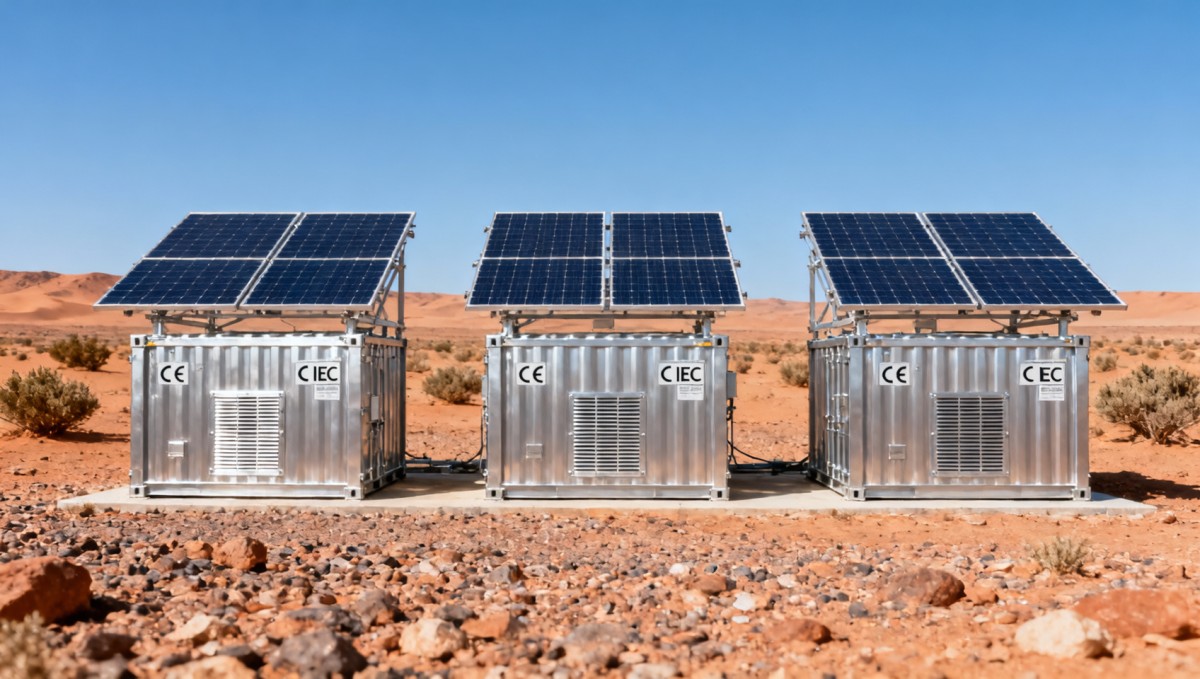
According to the European Commission’s latest report, Morocco has become the fourth-largest recipient of EU energy aid to Africa—focused on green hydrogen production and distributed PV microgrids. This development directly impacts companies involved in solar photovoltaic mounting structures and renewable energy storage systems exporting from China to Morocco, particularly those engaged in EPC projects or containerized energy solutions.
Event Overview
The European Commission published a report (date not specified) identifying Morocco as the fourth-largest beneficiary of EU energy assistance to Africa. The aid prioritizes green hydrogen infrastructure and decentralized photovoltaic microgrids. Chinese manufacturers of solar photovoltaic mounting structures have been designated as approved suppliers for local EPC projects. Separately, new Moroccan regulatory provisions now permit Chinese-made energy storage containers to enter the country as ‘mobile power station units’, exempting them from on-site installation approval—and shortening delivery timelines by 40%.
Industries Affected
Direct Exporters of PV Mounting Structures
These firms are affected because formal designation as an EPC project supplier signals institutional validation and opens access to bid on larger-scale, publicly backed infrastructure work. Impact includes tighter qualification requirements, increased documentation needs for technical compliance, and potential shifts in order timing tied to EU-funded project cycles.
Exporters of Containerized Energy Storage Systems
The regulatory reclassification of storage containers as ‘mobile power station units’ removes a major procedural bottleneck—on-site installation licensing. Impact includes faster customs clearance, reduced pre-deployment engineering overhead, and greater predictability in delivery scheduling; however, it does not alter safety, certification, or grid-interconnection standards.
Supply Chain & Logistics Service Providers
Freight forwarders, customs brokers, and warehousing operators serving China–Morocco energy equipment trade are affected due to the new classification’s implications for documentation, tariff codes, and inspection protocols. Impact includes revised compliance workflows for containerized storage units and possible demand shifts toward integrated logistics packages supporting rapid deployment.
What Relevant Companies or Practitioners Should Watch & Do Now
Monitor official implementation guidance from Moroccan authorities
The term ‘mobile power station unit’ is newly introduced and lacks publicly available technical definitions or enforcement criteria. Companies should track updates from the Moroccan Agency for Sustainable Energy (MASEN) and the National Office of Electricity and Drinking Water (ONEE) to clarify scope, labeling, and conformity assessment pathways.
Verify eligibility and documentation requirements for EPC supplier status
Designation as an EPC project supplier is project-specific and not automatic across all tenders. Exporters must confirm whether their current certifications (e.g., IEC 61215, ISO 9001, local structural compliance reports) meet the technical annexes of active EU-Morocco funded procurements—and prepare bilingual technical dossiers accordingly.
Distinguish between regulatory exemption and technical compliance
Exemption from installation approval does not equate to exemption from product safety, electromagnetic compatibility (EMC), or fire-resistance standards. Firms must ensure storage containers retain valid CB Scheme certifications or equivalent third-party test reports accepted by Moroccan regulators—especially for lithium-based chemistries.
Assess lead-time advantages against logistical readiness
A 40% reduction in delivery cycle assumes seamless coordination across manufacturing, inland transport, port handling, and last-mile site handover. Exporters should audit internal capacity for rapid order fulfillment, verify Moroccan port handling capabilities for battery-integrated containers, and align with local EPC partners on commissioning support roles.
Editorial Perspective / Industry Observation
Observably, this development is less a fully realized market opening and more a regulatory signal—one that reflects growing alignment between EU climate finance priorities and Morocco’s national energy transition strategy. Analysis shows the dual-track progress (EPC supplier designation + container classification reform) suggests coordinated effort across donor, host-government, and private-sector layers—but actual project volume and payment terms remain dependent on EU disbursement schedules and Moroccan budget execution. From an industry perspective, the most immediate value lies not in near-term revenue uplift, but in strengthened precedent: Morocco is treating modular, factory-built energy hardware as infrastructure-grade assets—potentially influencing similar reforms in other African jurisdictions receiving EU energy aid.
Conclusion
This update signifies a procedural and institutional inflection point—not yet a scale-up event—for Chinese exporters of PV mounting structures and containerized energy storage systems targeting Morocco. It confirms Morocco’s role as a strategic gateway for EU-backed clean energy deployment in Africa, while underscoring that regulatory simplification must be paired with rigorous technical compliance. Currently, it is more accurate to interpret this as an enabling condition than a demand catalyst.
Information Sources
Main source: European Commission report (publicly referenced, date unspecified).
Note: Implementation details of Morocco’s ‘mobile power station unit’ classification and full list of designated EPC suppliers remain pending official publication and are subject to ongoing observation.
Recommended News
 China’s First Embodied AI Robot Export Liability Insurance Launched in GuangxiEmbodied AI Robot Export Liability Insurance launched in Guangxi—China’s first insurer-backed solution for EU/Japan-bound industrial & service robots. Boost compliance, trust & tenders now.
 Morocco: 4th Top African Recipient of EU Energy Aid, Boosting China’s PV & Storage ExportsMorocco’s EU energy aid boost unlocks opportunities for Chinese PV mounting structures & containerized energy storage exports—act now to leverage new regulatory advantages.
 Industrial Robot Controller Thermal Gel: China's Export-Ready Heat Dissipation SolutionIndustrial Robot Controller Thermal Gel: China’s export-ready, TÜV-certified heat dissipation solution (8.5 W/mK) for robotics in SEA & Mexico.
 ADB Raises Vietnam’s 2026 GDP Forecast to 7.2% on Sino-Vietnam Supply Chain IntegrationADB raises Vietnam’s 2026 GDP forecast to 7.2% amid deepening Sino-Vietnam supply chain integration in electronics, solar PV, and lithium battery PACK production — key insight for OEMs, exporters & integrators.
 First National SME Service Demonstration Platforms AnnouncedFirst National SME Service Demonstration Platforms announced—16 specialize in REACH, UKCA, UL certification & rapid factory audits for exporters.
 U.S. Natural Gas Inventory Growth Below Forecast: Impact on Plastic Export CostsU.S. natural gas inventory growth missed forecast—impacting plastic export costs globally. Learn how rising TTF prices affect PP/PE resin costs, margins & supply chain strategy for exporters.
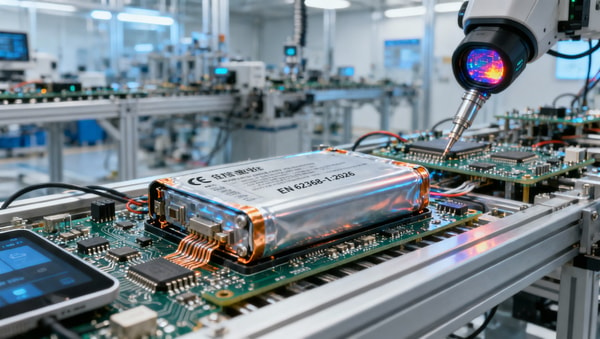
 EN 62368-1:2026 Enforced in EU: Thermal Runaway Protection for Wearables & Smart Home DevicesEN 62368-1:2026 is now mandatory in the EU—learn how thermal runaway protection impacts wearables, smart home devices & EV accessories.
 Q1 2026 Industrial Profits Up 15.5%: Supply Chain Cost Stability ConfirmedQ1 2026 Industrial Profits Up 15.5% — supply chain cost stability confirmed for global procurement, contract manufacturing & OEM teams.
") MIIT Releases Service Trade Standardization Plan (2026–2030)MIIT's 2026–2030 Service Trade Standardization Plan boosts AI-driven digital services—remote QA, cloud maintenance, intelligent warehouse SaaS—for global export competitiveness.
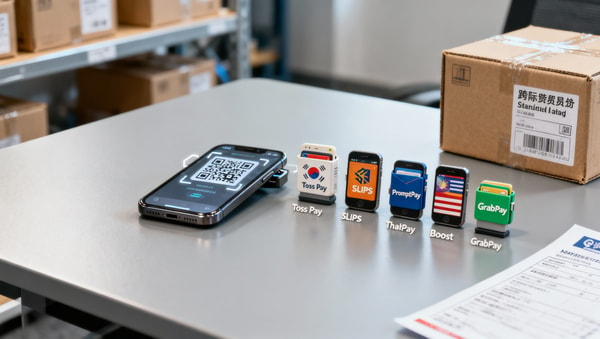
MIIT Releases Service Trade Standardization Plan (2026–2030)MIIT's 2026–2030 Service Trade Standardization Plan boosts AI-driven digital services—remote QA, cloud maintenance, intelligent warehouse SaaS—for global export competitiveness. WeChat Pay Integrates QR Codes from 5 Countries for B2B Cross-Border SettlementWeChat Pay integrates QR codes from South Korea, Sri Lanka, Thailand, Malaysia & Singapore — enabling faster, cheaper B2B cross-border settlement for global buyers and Chinese suppliers.
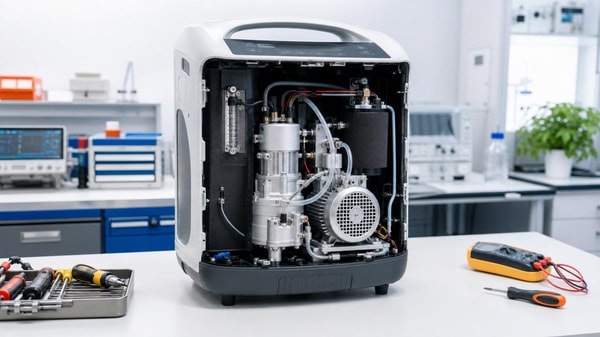
 Portable oxygen concentrators get noisy over time for several reasonsPortable oxygen concentrators get noisy over time due to dust, wear, loose parts, and aging compressors. Learn key causes, inspection priorities, and service tips to prevent failures.
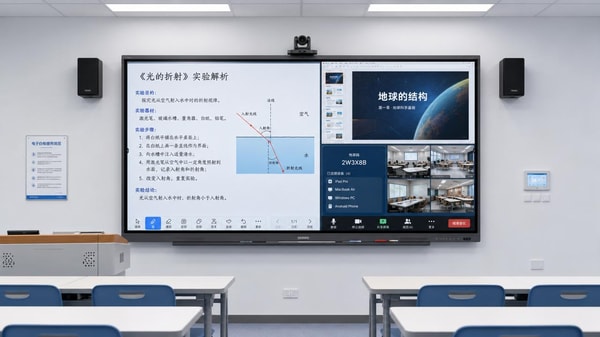
 Interactive whiteboards: what schools regret not checking earlyInteractive whiteboards can boost learning, but schools often regret missing key checks on compatibility, durability, training, and support. Discover how to buy smarter.
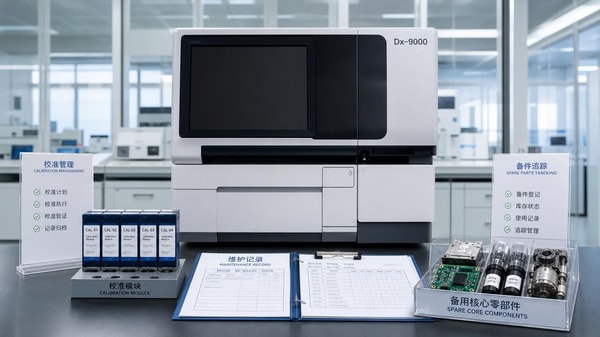
 Medical diagnostic equipment downtime usually starts with this oversightMedical diagnostic equipment downtime often starts with one overlooked maintenance gap. Learn the warning signs, hidden costs, and smart service strategies to improve uptime.
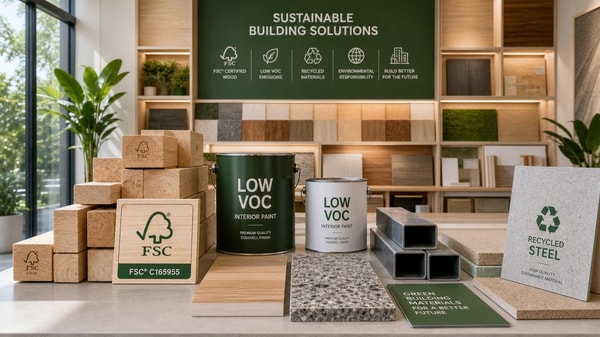
 Eco-friendly building materials: where certification changes the decisionEco-friendly building materials now win or lose on certification. Learn how verified standards reduce sourcing risk, support compliance, and improve procurement decisions.
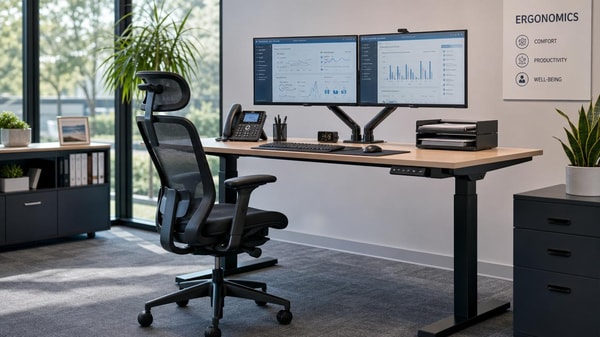
 Ergonomic workspace design mistakes that still cause daily strainErgonomic workspace design mistakes can silently cause daily strain, fatigue, and lower productivity. Discover practical fixes to improve comfort, focus, and workstation performance.
 Outdoor garden supplies that wear out too fast in summer heatOutdoor garden supplies can fail fast in extreme summer heat. Discover which items wear out first, what materials last longer, and how to buy smarter for durable, cost-saving performance.
 Sustainable home decor: how to spot green claims with substanceSustainable home decor explained: learn how to spot credible green claims, avoid greenwashing, compare materials and certifications, and choose stylish, healthier pieces with real impact.
 Modern office furniture trends that improve layout flexibilityModern office furniture trends are transforming flexible workplace design. Explore modular, mobile, ergonomic, and acoustic solutions that boost productivity and smarter space planning.
 Smart street lighting works best when control systems are not overlookedSmart street lighting succeeds when control systems come first. Learn how better monitoring, dimming, and integration improve ROI, maintenance efficiency, and long-term project performance.
 What solid-state battery breakthroughs are still years from market?Solid-state battery breakthroughs sound transformative, but which ones are still years from market? Explore the technical, cost, and scaling barriers shaping real adoption timelines.
 Commercial LED lighting retrofits: when is payback slower than planned?Commercial LED lighting payback can slip when costs, runtime, rebates, and controls are misjudged. Learn the hidden risks and review steps that protect ROI before approval.










Popular Tags
Global Trade Insights & Industry
Our mission is to empower global exporters and importers with data-driven insights that foster strategic growth.
Search News
Popular Tags
Industry Overview
The global commercial kitchen equipment market is projected to reach $112 billion by 2027. Driven by urbanization, the rise of e-commerce food delivery, and strict hygiene regulations.