

Portable oxygen concentrators get noisy over time for several reasons
Portable oxygen concentrators often become noisier over time due to normal wear, dust buildup, aging compressors, and loose internal components. For after-sales maintenance teams, identifying the source of unusual sound early is essential to prevent performance issues, reduce customer complaints, and extend equipment life. This article explains the most common causes of increasing noise and what technicians should check during inspection and servicing.
Understanding why noise increases in Portable oxygen concentrators
Portable oxygen concentrators are compact medical-support devices designed to separate oxygen from ambient air and deliver concentrated oxygen to users in mobile or home settings. Because they rely on moving air, pressure changes, filtration, and mechanical compression, a certain operating sound is normal. However, when Portable oxygen concentrators get louder over time, the change usually points to wear, contamination, imbalance, or vibration transfer inside the unit.
For after-sales maintenance personnel, noise is not just a comfort issue. It is often an early indicator of declining airflow efficiency, compressor stress, fan obstruction, or enclosure instability. In service networks that support global medical equipment distribution, being able to diagnose these sounds quickly helps reduce warranty costs, improve service reputation, and support the trust signal that buyers increasingly expect in international trade and equipment support environments.
The topic matters across the broader supply chain as well. Distributors, repair centers, and cross-border equipment brands all benefit when maintenance teams can distinguish between normal acoustic aging and a fault that requires immediate corrective action. For high-visibility B2B information platforms and industry intelligence portals, practical service knowledge like this also supports better decision-making for exporters, importers, and service partners operating in multiple markets.
Why the industry pays close attention to abnormal sound
In the medical device service chain, sound complaints are among the first issues users report when a unit starts aging. A patient or caregiver may not notice a slight drop in purity or flow consistency right away, but they will usually notice rattling, buzzing, humming, or grinding. That makes noise a valuable field symptom. It can warn technicians before a small problem turns into overheating, shortened compressor life, premature sieve bed stress, or unacceptable customer dissatisfaction.
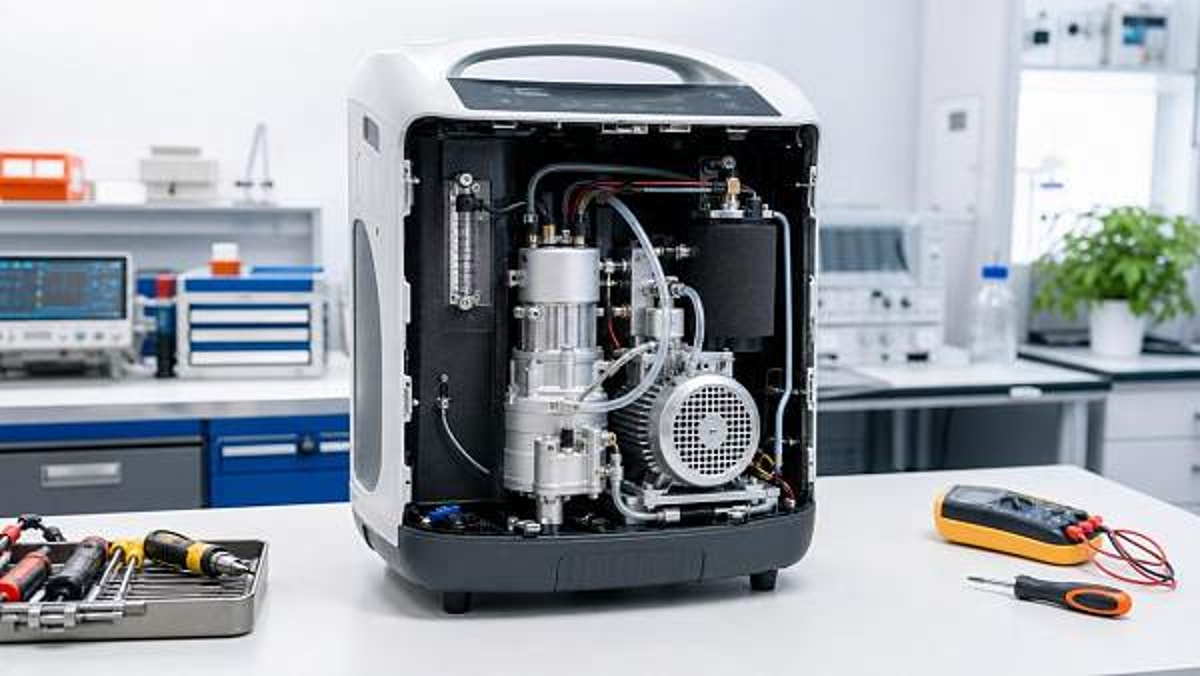
Portable oxygen concentrators are especially sensitive because portability forces manufacturers to use tightly packed designs. Fans, tubing, vibration dampers, shell panels, and compressor mounts are placed in limited space. Even a minor shift in one part can amplify sound through the casing. Over time, repeated transport, daily handling, dust exposure, and long service hours make that risk more visible.
For after-sales teams, understanding increasing noise supports three goals: accurate fault isolation, efficient parts planning, and reduced repeat service visits. It also helps service organizations communicate more clearly with dealers and end users, especially in global B2B channels where remote diagnosis and evidence-based maintenance recommendations are important.
The most common causes of noise growth over time
Although models differ, most Portable oxygen concentrators become noisier for a relatively small set of recurring reasons. The challenge is that several causes can appear at the same time, making the sound profile more complex than a single obvious fault.
1. Dust buildup in airflow paths
Dust accumulation around intake filters, cooling fans, vents, and internal channels is one of the most common reasons for rising noise. When airflow becomes restricted, the fan may work harder, turbulence increases, and the unit can produce a louder rushing or whistling sound. Dust can also disturb fan balance, causing additional vibration.
2. Aging compressor components
The compressor is typically the main mechanical sound source in Portable oxygen concentrators. As internal parts wear, bearings age, seals harden, or lubrication characteristics change, the compressor may shift from a normal hum to a harsher knocking, buzzing, or pulsating tone. Because the compressor works under repeated cycles, long-term wear is expected, but sharp changes should never be ignored.
3. Loose internal fasteners or panels
Units that are frequently moved are more likely to develop loose screws, shell clips, brackets, or support points. In such cases, the original internal sound may remain unchanged, but the casing starts amplifying it. This often creates rattling or resonant vibration that becomes more noticeable at specific operating stages.
4. Fan wear or imbalance
Cooling fans operate continuously in many Portable oxygen concentrators. Over time, blade contamination, motor wear, or shaft instability can lead to uneven rotation. Technicians may hear scraping, intermittent buzzing, or a rougher airflow sound, especially when the unit has been running for a while and temperatures rise.
5. Vibration damper deterioration
Rubber mounts, cushions, and isolation pads are designed to prevent mechanical vibration from transferring to the shell. As these materials age, harden, crack, or compress, vibration isolation weakens. A device that was acoustically acceptable when new can become noticeably louder without a major internal failure simply because vibration is no longer being absorbed effectively.
6. Air leakage or tubing issues
Small leaks in tubing, fittings, or valve connections can create hissing noises and may alter pressure behavior. In some Portable oxygen concentrators, a loose hose or worn connector also causes rhythmic fluttering sounds. These faults are easy to overlook if technicians focus only on the compressor.
A practical service overview for maintenance teams
The table below summarizes the most typical sound patterns seen in Portable oxygen concentrators and the most likely inspection focus for after-sales technicians.
What the noise means in different service scenarios
Not all noisy Portable oxygen concentrators represent the same level of risk. After-sales teams should interpret the sound in context, including equipment age, hours of use, transport frequency, cleaning history, and ambient operating conditions.
Units used in dusty home environments
Where the device is used in homes with pets, fabric dust, or poor ventilation, dirt-related noise is common. These units often respond well to cleaning, filter replacement, and fan inspection, provided the issue has not progressed to motor damage.
Frequently transported devices
Portable oxygen concentrators carried in vehicles, travel bags, or airline contexts are more exposed to shock and repeated handling. In these cases, loose enclosures, weakened mounts, and connector stress should be high on the inspection list.
Older devices with high operating hours
On aging units, compressor fatigue and damping material hardening become more likely. If noise has increased gradually over many months, technicians should evaluate whether repair remains practical or whether the service recommendation should include major component replacement or lifecycle review.
Inspection priorities during servicing
A structured inspection process helps maintenance teams avoid unnecessary parts replacement. The first step is to confirm whether the sound is new, progressively worsening, or present only under certain conditions such as startup, high temperature, or movement. Customer descriptions are useful, but direct listening during controlled operation is essential.
Next, technicians should separate aerodynamic noise from mechanical vibration. Airflow noise tends to sound like rushing, whistling, or hissing. Mechanical problems are more likely to produce humming, rattling, clicking, or knocking. This distinction narrows the search and improves service speed.
A good inspection routine for Portable oxygen concentrators usually includes checking intake filters, cleaning vent paths, examining fan cleanliness, verifying shell fasteners, testing mount elasticity, reviewing tubing integrity, and observing compressor behavior during operation. If the unit has service logs, comparing current noise against past maintenance records can reveal whether the increase matches expected wear patterns.
Business value of early noise diagnosis
For service organizations, the ability to diagnose noisy Portable oxygen concentrators accurately creates measurable value beyond the repair itself. Early intervention reduces the risk of escalated failures, minimizes device downtime, and improves customer trust in the brand and service channel. In international trade settings, strong after-sales capability is often a competitive differentiator, especially for distributors trying to build long-term market credibility.
This is also relevant to B2B information ecosystems such as GTIIN and TradeVantage, where decision-makers look for reliable operational knowledge, market signals, and service best practices across industries. Practical maintenance insight supports not only technicians but also exporters, importers, and channel partners who need stronger product support narratives for global growth.
Recommended preventive practices
To reduce recurring complaints about Portable oxygen concentrators becoming louder over time, after-sales teams should promote preventive care instead of waiting for severe symptoms. Scheduled filter maintenance, routine cleaning of air inlets, careful transport guidance, and periodic checks for loosened hardware all help preserve normal sound levels.
Technicians should also educate dealers and end users on what kind of sound is normal and what kind is not. A stable low hum may be expected, while sudden rattling, sharp hissing, or grinding should trigger inspection. Clear service communication reduces confusion, improves triage quality, and prevents minor issues from being dismissed until they become expensive repairs.
Final takeaway for after-sales teams
When Portable oxygen concentrators get noisy over time, the cause is usually traceable to a combination of dust, wear, airflow restriction, deteriorated isolation, or loosened internal parts. For after-sales maintenance teams, the key is to treat noise as a diagnostic signal rather than a minor comfort complaint. A disciplined inspection method can reveal whether the issue is simple cleaning, mount stabilization, fan service, tubing correction, or a deeper compressor-related problem.
Organizations that document these patterns and respond early can improve equipment reliability, strengthen customer satisfaction, and support stronger brand credibility across local and global service networks. In a market where performance, trust, and technical support all influence long-term business value, careful noise diagnosis in Portable oxygen concentrators is an important part of professional after-sales excellence.
Recommended News
 China’s First Embodied AI Robot Export Liability Insurance Launched in GuangxiEmbodied AI Robot Export Liability Insurance launched in Guangxi—China’s first insurer-backed solution for EU/Japan-bound industrial & service robots. Boost compliance, trust & tenders now.
 Morocco: 4th Top African Recipient of EU Energy Aid, Boosting China’s PV & Storage ExportsMorocco’s EU energy aid boost unlocks opportunities for Chinese PV mounting structures & containerized energy storage exports—act now to leverage new regulatory advantages.
 Industrial Robot Controller Thermal Gel: China's Export-Ready Heat Dissipation SolutionIndustrial Robot Controller Thermal Gel: China’s export-ready, TÜV-certified heat dissipation solution (8.5 W/mK) for robotics in SEA & Mexico.
 ADB Raises Vietnam’s 2026 GDP Forecast to 7.2% on Sino-Vietnam Supply Chain IntegrationADB raises Vietnam’s 2026 GDP forecast to 7.2% amid deepening Sino-Vietnam supply chain integration in electronics, solar PV, and lithium battery PACK production — key insight for OEMs, exporters & integrators.
 First National SME Service Demonstration Platforms AnnouncedFirst National SME Service Demonstration Platforms announced—16 specialize in REACH, UKCA, UL certification & rapid factory audits for exporters.
 U.S. Natural Gas Inventory Growth Below Forecast: Impact on Plastic Export CostsU.S. natural gas inventory growth missed forecast—impacting plastic export costs globally. Learn how rising TTF prices affect PP/PE resin costs, margins & supply chain strategy for exporters.
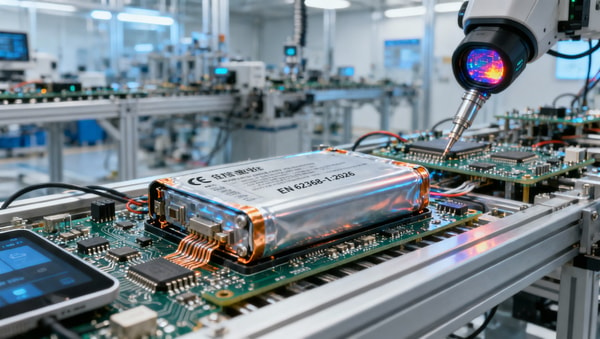
 EN 62368-1:2026 Enforced in EU: Thermal Runaway Protection for Wearables & Smart Home DevicesEN 62368-1:2026 is now mandatory in the EU—learn how thermal runaway protection impacts wearables, smart home devices & EV accessories.
 Q1 2026 Industrial Profits Up 15.5%: Supply Chain Cost Stability ConfirmedQ1 2026 Industrial Profits Up 15.5% — supply chain cost stability confirmed for global procurement, contract manufacturing & OEM teams.
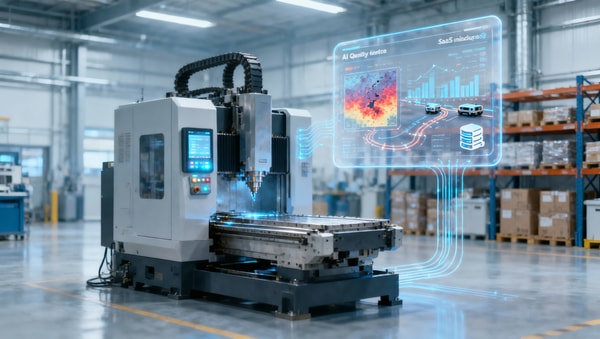
") MIIT Releases Service Trade Standardization Plan (2026–2030)MIIT's 2026–2030 Service Trade Standardization Plan boosts AI-driven digital services—remote QA, cloud maintenance, intelligent warehouse SaaS—for global export competitiveness.
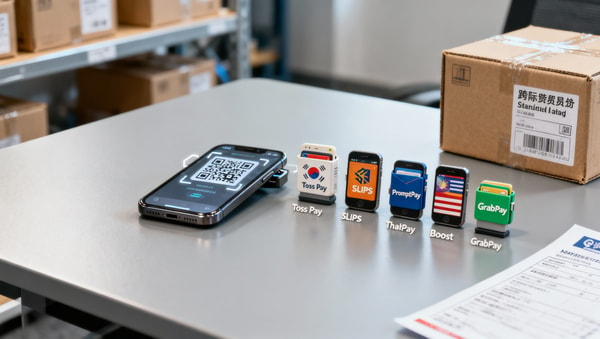
MIIT Releases Service Trade Standardization Plan (2026–2030)MIIT's 2026–2030 Service Trade Standardization Plan boosts AI-driven digital services—remote QA, cloud maintenance, intelligent warehouse SaaS—for global export competitiveness. WeChat Pay Integrates QR Codes from 5 Countries for B2B Cross-Border SettlementWeChat Pay integrates QR codes from South Korea, Sri Lanka, Thailand, Malaysia & Singapore — enabling faster, cheaper B2B cross-border settlement for global buyers and Chinese suppliers.
 Portable oxygen concentrators get noisy over time for several reasonsPortable oxygen concentrators get noisy over time due to dust, wear, loose parts, and aging compressors. Learn key causes, inspection priorities, and service tips to prevent failures.
 Interactive whiteboards: what schools regret not checking earlyInteractive whiteboards can boost learning, but schools often regret missing key checks on compatibility, durability, training, and support. Discover how to buy smarter.
 Medical diagnostic equipment downtime usually starts with this oversightMedical diagnostic equipment downtime often starts with one overlooked maintenance gap. Learn the warning signs, hidden costs, and smart service strategies to improve uptime.
 Eco-friendly building materials: where certification changes the decisionEco-friendly building materials now win or lose on certification. Learn how verified standards reduce sourcing risk, support compliance, and improve procurement decisions.
 Ergonomic workspace design mistakes that still cause daily strainErgonomic workspace design mistakes can silently cause daily strain, fatigue, and lower productivity. Discover practical fixes to improve comfort, focus, and workstation performance.
 Outdoor garden supplies that wear out too fast in summer heatOutdoor garden supplies can fail fast in extreme summer heat. Discover which items wear out first, what materials last longer, and how to buy smarter for durable, cost-saving performance.
 Sustainable home decor: how to spot green claims with substanceSustainable home decor explained: learn how to spot credible green claims, avoid greenwashing, compare materials and certifications, and choose stylish, healthier pieces with real impact.
 Modern office furniture trends that improve layout flexibilityModern office furniture trends are transforming flexible workplace design. Explore modular, mobile, ergonomic, and acoustic solutions that boost productivity and smarter space planning.
 Smart street lighting works best when control systems are not overlookedSmart street lighting succeeds when control systems come first. Learn how better monitoring, dimming, and integration improve ROI, maintenance efficiency, and long-term project performance.
 What solid-state battery breakthroughs are still years from market?Solid-state battery breakthroughs sound transformative, but which ones are still years from market? Explore the technical, cost, and scaling barriers shaping real adoption timelines.
 Commercial LED lighting retrofits: when is payback slower than planned?Commercial LED lighting payback can slip when costs, runtime, rebates, and controls are misjudged. Learn the hidden risks and review steps that protect ROI before approval.








Popular Tags
Global Trade Insights & Industry
Our mission is to empower global exporters and importers with data-driven insights that foster strategic growth.
Search News
Popular Tags
Industry Overview
The global commercial kitchen equipment market is projected to reach $112 billion by 2027. Driven by urbanization, the rise of e-commerce food delivery, and strict hygiene regulations.