

WeChat Pay Integrates QR Codes from 5 Countries for B2B Cross-Border Settlement
Five countries — South Korea, Sri Lanka, Thailand, Malaysia, and Singapore — have officially enabled their domestic payment QR codes to be accepted by WeChat Pay for cross-border B2B payments. While the exact implementation date is not publicly specified, the rollout is now live and operational. This development is particularly relevant for international distributors, e-commerce channel partners, and early-stage brands engaged in online, low-value, high-frequency procurement from Chinese suppliers. It matters because it directly reshapes settlement efficiency, cost structure, and cash flow predictability in cross-border supply chains.
Event Overview
Local payment QR code systems in South Korea, Sri Lanka, Thailand, Malaysia, and Singapore have been integrated into WeChat Pay’s cross-border payment infrastructure. As a result, overseas buyers can now scan QR codes using their domestic e-wallets to pay Chinese suppliers directly. No explicit launch date has been disclosed in available public information; the integration is confirmed as active and accessible to participating merchants.
Impact on Specific Industry Segments
Direct Trading Enterprises
These are China-based exporters or trading companies that transact directly with overseas buyers via digital platforms. They are affected because incoming payments now bypass traditional bank intermediaries and multi-currency conversion layers. Impact includes faster fund settlement (reduced from days to near real-time), lower FX-related fees, and improved visibility into buyer-side payment confirmation — especially for orders under USD 10,000.
Channel Distribution & E-Commerce Resellers
Overseas distributors, cross-border e-commerce sellers, and regional brand operators relying on small-batch, frequent reordering benefit most. The integration lowers their barrier to initiate payments: no need to open RMB accounts, no manual bank transfer instructions, and no reliance on third-party payment aggregators. Impact centers on reduced procurement friction and improved order-to-cash cycle reliability.
Early-Stage & Niche Brand Importers
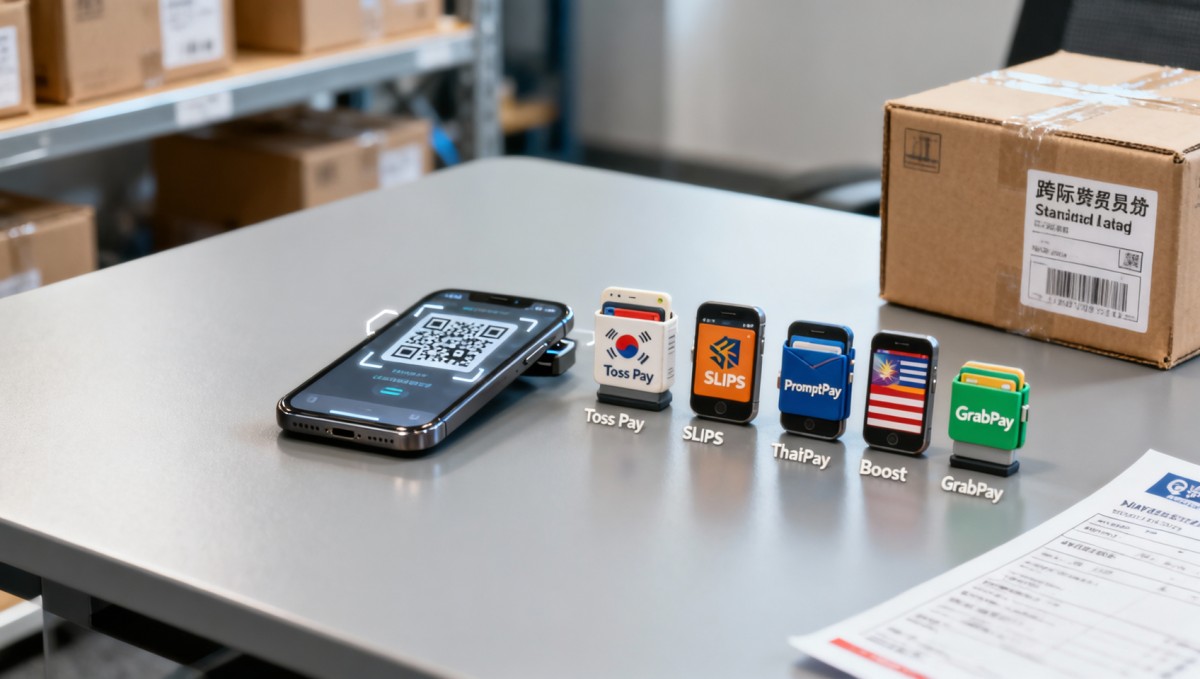
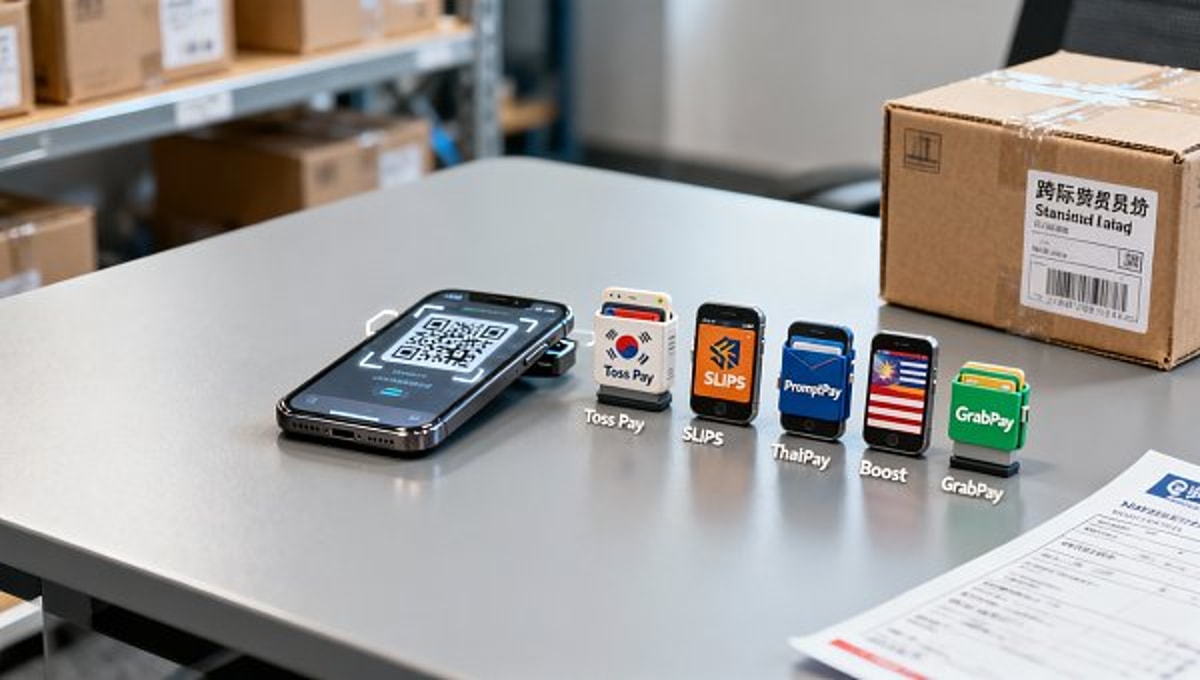
New or small-scale international brands sourcing from China often lack banking infrastructure for recurring cross-border transfers. This change enables them to use familiar local wallets — such as GrabPay (Singapore), Boost (Malaysia), or PromptPay (Thailand) — to settle invoices. The impact lies in accelerated onboarding of new buyers and reduced administrative overhead per transaction.
What Relevant Enterprises or Practitioners Should Monitor and Do Now
Confirm merchant-side eligibility and onboarding requirements
Not all Chinese suppliers automatically support this functionality. Businesses should verify whether their WeChat Pay merchant account has activated cross-border QR code acceptance and whether their industry category is included in the current scope.
Map supported wallet providers by country and test payment flows
Each country’s integration relies on specific local wallet partners (e.g., Toss Pay in South Korea, SLIPS in Sri Lanka). Suppliers should identify which domestic wallets are live in each target market and conduct end-to-end payment testing with representative buyers before scaling communications.
Update invoicing and settlement documentation
Payment confirmation now originates from local wallet systems rather than SWIFT or bank remittance references. Finance teams should adjust reconciliation logic, update customer-facing payment instructions, and clarify settlement timelines in commercial terms to avoid disputes.
Monitor official updates from WeChat Pay and local regulators
This is an evolving rollout: coverage may expand to additional countries or wallet types. Stakeholders should track announcements via WeChat Pay’s official merchant portal and national payment system authorities — especially regarding caps, compliance obligations, or dispute resolution protocols.
Editorial Perspective / Industry Observation
Observably, this integration signals a shift toward interoperable, wallet-native B2B settlement — not just a technical upgrade, but a structural step toward reducing dependency on correspondent banking for mid-tier trade. Analysis shows it functions more as an enabling infrastructure layer than an immediate revenue driver: adoption depends on buyer-side wallet readiness and supplier-side technical enablement. From an industry perspective, it reflects growing alignment between China’s digital payment ecosystem and ASEAN/South Asian retail financial infrastructures — yet remains limited to QR-based, push-payment scenarios (not pull-based or recurring billing). Continued monitoring is warranted, as scalability hinges on regulatory harmonization and fraud mitigation frameworks across jurisdictions.
In summary, this integration meaningfully improves payment certainty and cost efficiency for specific B2B procurement patterns — especially those involving smaller transactions and digitally native buyers. It does not replace wire transfers or letter-of-credit mechanisms for large or regulated goods, nor does it alter customs, tax, or logistics processes. Currently, it is best understood as an incremental but operationally meaningful enhancement to existing cross-border trade finance tooling — one that favors agility over scale, and simplicity over complexity.
Source: Public announcement by WeChat Pay (via official merchant communication channels); confirmed integration status reported across national payment associations of South Korea, Sri Lanka, Thailand, Malaysia, and Singapore. Ongoing expansion to other markets or wallet providers remains unconfirmed and requires continued observation.
Recommended News
 China’s First Embodied AI Robot Export Liability Insurance Launched in GuangxiEmbodied AI Robot Export Liability Insurance launched in Guangxi—China’s first insurer-backed solution for EU/Japan-bound industrial & service robots. Boost compliance, trust & tenders now.
 Morocco: 4th Top African Recipient of EU Energy Aid, Boosting China’s PV & Storage ExportsMorocco’s EU energy aid boost unlocks opportunities for Chinese PV mounting structures & containerized energy storage exports—act now to leverage new regulatory advantages.
 Industrial Robot Controller Thermal Gel: China's Export-Ready Heat Dissipation SolutionIndustrial Robot Controller Thermal Gel: China’s export-ready, TÜV-certified heat dissipation solution (8.5 W/mK) for robotics in SEA & Mexico.
 ADB Raises Vietnam’s 2026 GDP Forecast to 7.2% on Sino-Vietnam Supply Chain IntegrationADB raises Vietnam’s 2026 GDP forecast to 7.2% amid deepening Sino-Vietnam supply chain integration in electronics, solar PV, and lithium battery PACK production — key insight for OEMs, exporters & integrators.
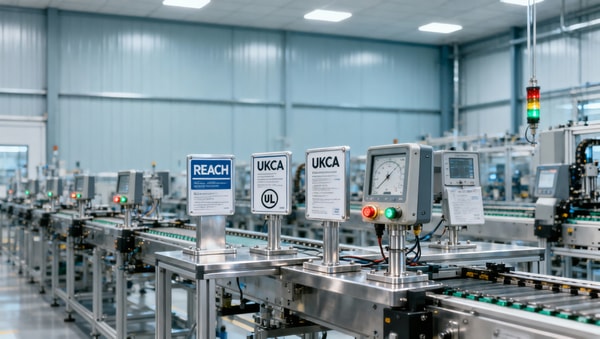
 First National SME Service Demonstration Platforms AnnouncedFirst National SME Service Demonstration Platforms announced—16 specialize in REACH, UKCA, UL certification & rapid factory audits for exporters.
 U.S. Natural Gas Inventory Growth Below Forecast: Impact on Plastic Export CostsU.S. natural gas inventory growth missed forecast—impacting plastic export costs globally. Learn how rising TTF prices affect PP/PE resin costs, margins & supply chain strategy for exporters.
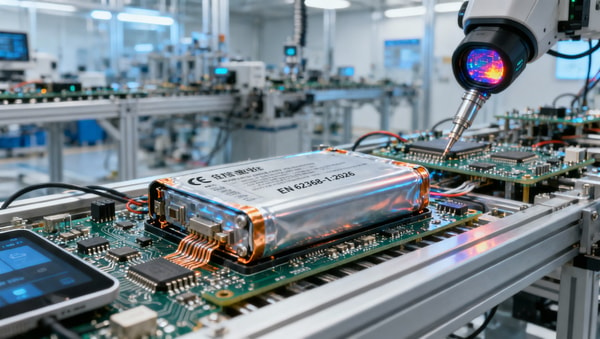
 EN 62368-1:2026 Enforced in EU: Thermal Runaway Protection for Wearables & Smart Home DevicesEN 62368-1:2026 is now mandatory in the EU—learn how thermal runaway protection impacts wearables, smart home devices & EV accessories.
 Q1 2026 Industrial Profits Up 15.5%: Supply Chain Cost Stability ConfirmedQ1 2026 Industrial Profits Up 15.5% — supply chain cost stability confirmed for global procurement, contract manufacturing & OEM teams.
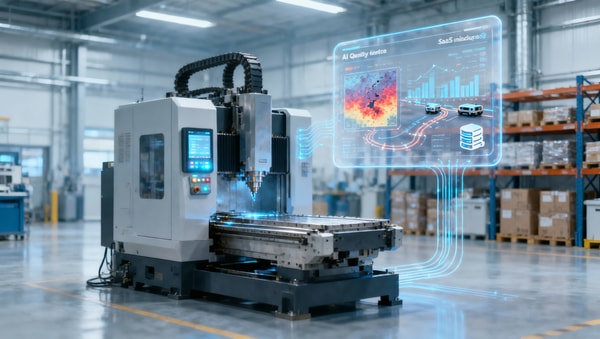
") MIIT Releases Service Trade Standardization Plan (2026–2030)MIIT's 2026–2030 Service Trade Standardization Plan boosts AI-driven digital services—remote QA, cloud maintenance, intelligent warehouse SaaS—for global export competitiveness.
MIIT Releases Service Trade Standardization Plan (2026–2030)MIIT's 2026–2030 Service Trade Standardization Plan boosts AI-driven digital services—remote QA, cloud maintenance, intelligent warehouse SaaS—for global export competitiveness. WeChat Pay Integrates QR Codes from 5 Countries for B2B Cross-Border SettlementWeChat Pay integrates QR codes from South Korea, Sri Lanka, Thailand, Malaysia & Singapore — enabling faster, cheaper B2B cross-border settlement for global buyers and Chinese suppliers.
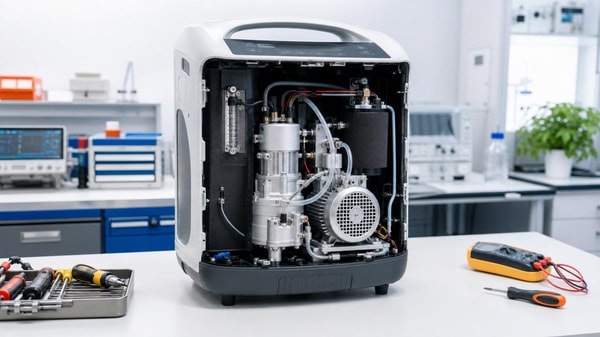
 Portable oxygen concentrators get noisy over time for several reasonsPortable oxygen concentrators get noisy over time due to dust, wear, loose parts, and aging compressors. Learn key causes, inspection priorities, and service tips to prevent failures.
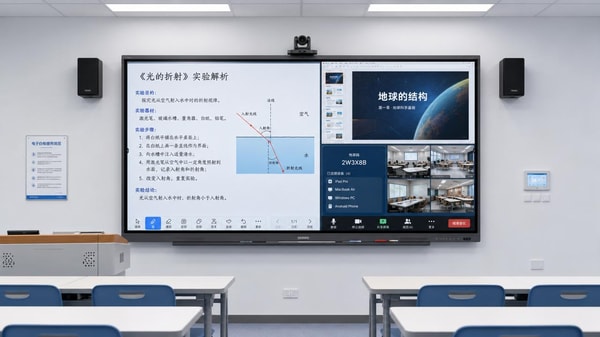
 Interactive whiteboards: what schools regret not checking earlyInteractive whiteboards can boost learning, but schools often regret missing key checks on compatibility, durability, training, and support. Discover how to buy smarter.
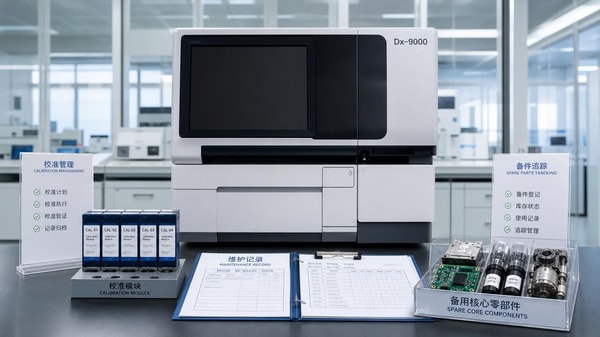
 Medical diagnostic equipment downtime usually starts with this oversightMedical diagnostic equipment downtime often starts with one overlooked maintenance gap. Learn the warning signs, hidden costs, and smart service strategies to improve uptime.
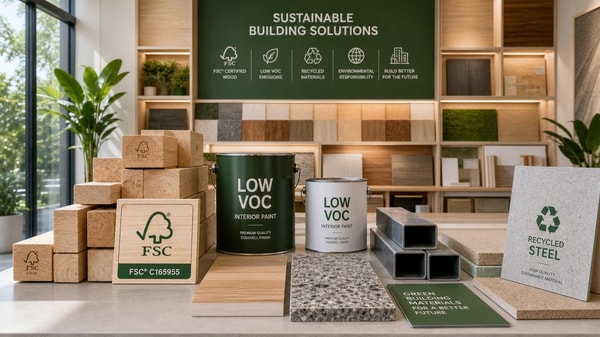
 Eco-friendly building materials: where certification changes the decisionEco-friendly building materials now win or lose on certification. Learn how verified standards reduce sourcing risk, support compliance, and improve procurement decisions.
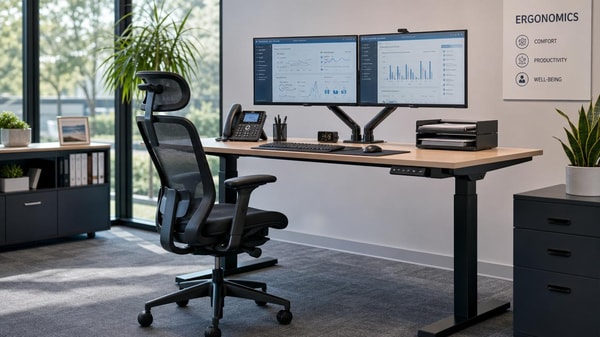
 Ergonomic workspace design mistakes that still cause daily strainErgonomic workspace design mistakes can silently cause daily strain, fatigue, and lower productivity. Discover practical fixes to improve comfort, focus, and workstation performance.
 Outdoor garden supplies that wear out too fast in summer heatOutdoor garden supplies can fail fast in extreme summer heat. Discover which items wear out first, what materials last longer, and how to buy smarter for durable, cost-saving performance.
 Sustainable home decor: how to spot green claims with substanceSustainable home decor explained: learn how to spot credible green claims, avoid greenwashing, compare materials and certifications, and choose stylish, healthier pieces with real impact.
 Modern office furniture trends that improve layout flexibilityModern office furniture trends are transforming flexible workplace design. Explore modular, mobile, ergonomic, and acoustic solutions that boost productivity and smarter space planning.
 Smart street lighting works best when control systems are not overlookedSmart street lighting succeeds when control systems come first. Learn how better monitoring, dimming, and integration improve ROI, maintenance efficiency, and long-term project performance.
 What solid-state battery breakthroughs are still years from market?Solid-state battery breakthroughs sound transformative, but which ones are still years from market? Explore the technical, cost, and scaling barriers shaping real adoption timelines.
 Commercial LED lighting retrofits: when is payback slower than planned?Commercial LED lighting payback can slip when costs, runtime, rebates, and controls are misjudged. Learn the hidden risks and review steps that protect ROI before approval.







Popular Tags
Global Trade Insights & Industry
Our mission is to empower global exporters and importers with data-driven insights that foster strategic growth.
Search News
Popular Tags
Industry Overview
The global commercial kitchen equipment market is projected to reach $112 billion by 2027. Driven by urbanization, the rise of e-commerce food delivery, and strict hygiene regulations.