

Wearable technology features users stop using after the first month
Wearable technology promises smarter health tracking, seamless notifications, and everyday convenience, but many users abandon certain features within weeks. From overcomplicated fitness metrics to constant alerts that quickly become background noise, the gap between expectation and real-world use is often wider than expected. Understanding which functions lose value after the first month can help consumers choose devices that truly fit their habits and daily needs.
Why feature drop-off depends on real-life usage scenarios
Not every buyer uses wearable technology in the same way. A marathon runner, an office worker, a parent managing a busy household, and a first-time smartwatch owner all expect different outcomes from the same device. That is why some features feel essential in one setting and completely unnecessary in another. The problem is rarely that wearable technology is useless; it is that buyers often pay for functions that do not match their daily routines.
In the first few days, curiosity drives usage. People test blood oxygen readings, compare sleep scores, turn on every notification, and check movement reminders just because the tools are new. After the novelty fades, only the features that solve a real problem survive. This makes scenario-based evaluation far more practical than marketing-based evaluation.
For end consumers, the best wearable technology is not the one with the longest spec sheet. It is the one with the smallest gap between advertised capability and everyday usefulness. Looking at common situations helps reveal which features are likely to stay and which are often ignored after the first month.
Common features users stop using first
Across brands and price ranges, several wearable technology functions tend to lose attention quickly. These are not always bad features, but they often require too much effort, too much interpretation, or too little practical value in daily life.
- Advanced fitness metrics such as recovery scores, training load estimates, and VO2 max readings for casual users
- Continuous stress tracking that offers vague scores without useful next steps
- Constant app notifications from email, shopping apps, social media, and news alerts
- Manual hydration, calorie, or mood logging that depends on daily discipline
- Gesture controls or voice assistants that work inconsistently in public or noisy places
- Sleep stage details that users check frequently at first but rarely act on later
- Third-party mini apps that duplicate what the phone already does better
The key pattern is simple: features requiring interpretation, repeated manual input, or behavior change are more likely to be dropped. Features that save time without asking much from the user tend to last longer.
Scenario comparison: which wearable technology features hold value longer
The table below shows how feature retention changes across typical consumer scenarios. This makes it easier to judge wearable technology based on your lifestyle rather than on product hype.
Scenario 1: office life and the overload problem
For desk-based workers, wearable technology usually succeeds when it acts as a filter, not as another screen. People initially enjoy getting every message on their wrist, but this often becomes distracting within weeks. Email previews, chat app pings, delivery updates, and social notifications create the same overload users were trying to escape from their phones.
In this scenario, the most sustainable features are selective alerts, calendar nudges, silent call notifications, and short movement reminders. These solve specific daily pain points: missing a call during meetings, forgetting appointments, or sitting too long. By contrast, advanced fitness dashboards often go untouched because the office user lacks the time or context to act on them during a workday.
If your main environment is work-focused, choose wearable technology with granular notification controls, a clear display, and dependable battery performance. Features that sound impressive but interrupt concentration are usually the first to be disabled.
Scenario 2: casual fitness routines and the realism gap
Many people buy wearable technology to become more active. In this context, simple tracking works better than elite-style data. Casual users tend to keep step count, walking distance, workout duration, and basic heart rate because these metrics are easy to understand. They can see progress immediately without learning sports science.
What often gets ignored are recovery indexes, training effect scores, and calorie estimates that vary too much to feel trustworthy. If a feature does not lead to a clear decision such as walk more, rest today, or increase pace slightly, it usually fades from attention. Manual logging tools are especially vulnerable because they depend on motivation every single day.
For this scenario, wearable technology should reduce friction. One-tap workout start, automatic exercise detection, and straightforward weekly summaries are more valuable than dozens of specialized graphs. The buyer should ask: will I actually look at this data after week four?
Scenario 3: serious training where advanced features actually matter
Not all abandoned features are pointless. In performance-focused sports, some advanced wearable technology tools remain highly useful. Runners, cyclists, swimmers, and gym enthusiasts with structured plans are much more likely to use pace guidance, heart rate zones, GPS mapping, and recovery indicators beyond the first month. Here, data supports a repeatable training decision.
However, even athletes drop features that create noise. Social widgets, duplicated phone apps, and broad wellness messages can feel irrelevant when the user only wants reliable sport metrics. This is where product matching matters. A general smartwatch may satisfy communication needs but disappoint on training depth, while a sports watch may deliver the opposite experience.
In this scenario, buyers should prioritize sensor accuracy, workout specialization, and data export quality. Advanced wearable technology is worth the price only when the user already has a consistent training habit.
Scenario 4: health monitoring for everyday reassurance
Another common reason people adopt wearable technology is health awareness. They want better sleep, a more active lifestyle, or peace of mind around heart rate trends. In these cases, daily value usually comes from broad patterns rather than minute-by-minute detail. Sleep duration, resting heart rate, and activity consistency are easier to use than highly technical scores.
Features such as blood oxygen spot checks or stress scores often attract attention at the start, but many users stop opening them because the readings are either too abstract or too normal to trigger action. Without guidance from a health professional, people may not know what to do with fluctuating numbers. That reduces long-term engagement.
If health is your main goal, choose wearable technology that explains trends clearly and encourages realistic habits. Look for plain-language summaries, not just raw metrics. A device that helps you sleep earlier or walk more is more useful than one that overwhelms you with medical-sounding charts.
What consumers often misjudge before buying
The biggest misjudgment is assuming that more features automatically create more value. In practice, wearable technology adoption is shaped by effort, comfort, charging frequency, and how often the information changes behavior. Consumers also underestimate how quickly they will mute notifications, skip manual entries, and ignore insights that do not feel actionable.
Another common mistake is buying for an aspirational identity rather than a current routine. A person who rarely exercises may purchase a high-end training watch full of metrics designed for endurance athletes. A user who hates frequent charging may choose a feature-rich smartwatch that needs near-daily power. A shopper who wants less screen time may accidentally buy a wrist device that extends phone dependency.
The smarter approach is to evaluate wearable technology through behavior you already repeat. What do you check every day? What do you ignore on your phone? What habits are realistic for the next three months, not just for the first weekend?
How to choose wearable technology that stays useful after month one
A practical purchase decision starts with narrowing the device role. If you want communication support, prioritize call handling, clear vibration alerts, and battery life. If you want fitness support, focus on comfort, workout accuracy, and simple progress reporting. If you want health awareness, look for understandable trends and low-maintenance tracking.
- List the three features you will likely use every day
- Ignore premium features that require behavior you do not currently have
- Check whether notifications can be filtered app by app
- Consider charging tolerance honestly
- Favor readable insights over complex dashboards
- Choose ecosystem compatibility that fits your phone and favorite apps
This scenario-based method helps consumers avoid overbuying. The most effective wearable technology supports habits that already have a place in your day, instead of demanding a complete lifestyle redesign.
FAQ: wearable technology features and long-term usefulness
Why do smartwatch notifications become annoying so quickly?
Because most users enable too many sources at the start. Wearable technology works better when it delivers only high-priority alerts such as calls, messages from key contacts, and calendar reminders.
Are advanced health metrics worth paying for?
They can be, but mostly for users with a clear reason to monitor them. For many consumers, basic trend tracking provides more lasting value than complex wellness scores.
Which wearable technology features tend to remain useful longest?
Reliable basics usually last: step counting, heart rate during exercise, selective notifications, sleep duration, timers, and easy workout logging.
Should beginners buy premium sports watches?
Only if they already train consistently and know they will use the advanced data. Otherwise, simpler wearable technology often delivers a better long-term experience.
Final takeaway: match features to habits, not marketing
The first month reveals the truth about wearable technology. Novel features attract attention, but only practical ones earn a permanent place in daily life. Whether your main scenario is office productivity, light fitness, structured training, or health awareness, the winning device is the one that fits how you already live.
Before buying, define your real scenario, identify the decisions you want the device to improve, and remove everything that sounds impressive but adds little action. That simple filter can help you choose wearable technology that remains helpful long after the excitement of unboxing is gone.
Recommended News
 China’s First Embodied AI Robot Export Liability Insurance Launched in GuangxiEmbodied AI Robot Export Liability Insurance launched in Guangxi—China’s first insurer-backed solution for EU/Japan-bound industrial & service robots. Boost compliance, trust & tenders now.
 Morocco: 4th Top African Recipient of EU Energy Aid, Boosting China’s PV & Storage ExportsMorocco’s EU energy aid boost unlocks opportunities for Chinese PV mounting structures & containerized energy storage exports—act now to leverage new regulatory advantages.
 Industrial Robot Controller Thermal Gel: China's Export-Ready Heat Dissipation SolutionIndustrial Robot Controller Thermal Gel: China’s export-ready, TÜV-certified heat dissipation solution (8.5 W/mK) for robotics in SEA & Mexico.
 ADB Raises Vietnam’s 2026 GDP Forecast to 7.2% on Sino-Vietnam Supply Chain IntegrationADB raises Vietnam’s 2026 GDP forecast to 7.2% amid deepening Sino-Vietnam supply chain integration in electronics, solar PV, and lithium battery PACK production — key insight for OEMs, exporters & integrators.
 First National SME Service Demonstration Platforms AnnouncedFirst National SME Service Demonstration Platforms announced—16 specialize in REACH, UKCA, UL certification & rapid factory audits for exporters.
 U.S. Natural Gas Inventory Growth Below Forecast: Impact on Plastic Export CostsU.S. natural gas inventory growth missed forecast—impacting plastic export costs globally. Learn how rising TTF prices affect PP/PE resin costs, margins & supply chain strategy for exporters.
 EN 62368-1:2026 Enforced in EU: Thermal Runaway Protection for Wearables & Smart Home DevicesEN 62368-1:2026 is now mandatory in the EU—learn how thermal runaway protection impacts wearables, smart home devices & EV accessories.
 Q1 2026 Industrial Profits Up 15.5%: Supply Chain Cost Stability ConfirmedQ1 2026 Industrial Profits Up 15.5% — supply chain cost stability confirmed for global procurement, contract manufacturing & OEM teams.
") MIIT Releases Service Trade Standardization Plan (2026–2030)MIIT's 2026–2030 Service Trade Standardization Plan boosts AI-driven digital services—remote QA, cloud maintenance, intelligent warehouse SaaS—for global export competitiveness.
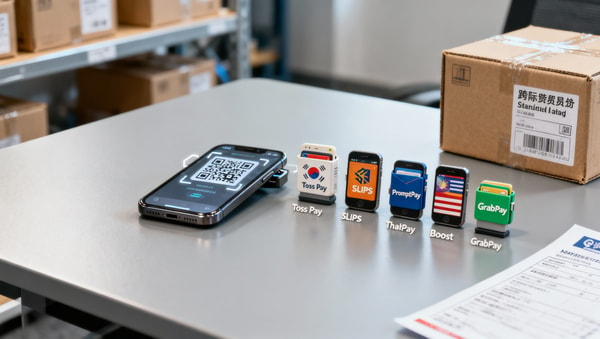
MIIT Releases Service Trade Standardization Plan (2026–2030)MIIT's 2026–2030 Service Trade Standardization Plan boosts AI-driven digital services—remote QA, cloud maintenance, intelligent warehouse SaaS—for global export competitiveness. WeChat Pay Integrates QR Codes from 5 Countries for B2B Cross-Border SettlementWeChat Pay integrates QR codes from South Korea, Sri Lanka, Thailand, Malaysia & Singapore — enabling faster, cheaper B2B cross-border settlement for global buyers and Chinese suppliers.
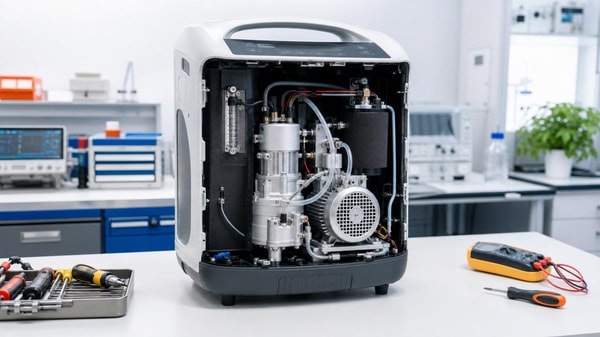
 Portable oxygen concentrators get noisy over time for several reasonsPortable oxygen concentrators get noisy over time due to dust, wear, loose parts, and aging compressors. Learn key causes, inspection priorities, and service tips to prevent failures.
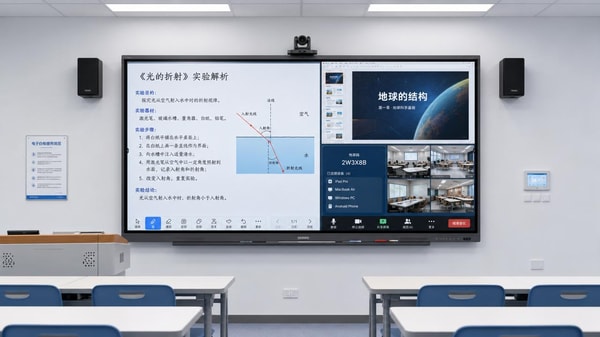
 Interactive whiteboards: what schools regret not checking earlyInteractive whiteboards can boost learning, but schools often regret missing key checks on compatibility, durability, training, and support. Discover how to buy smarter.
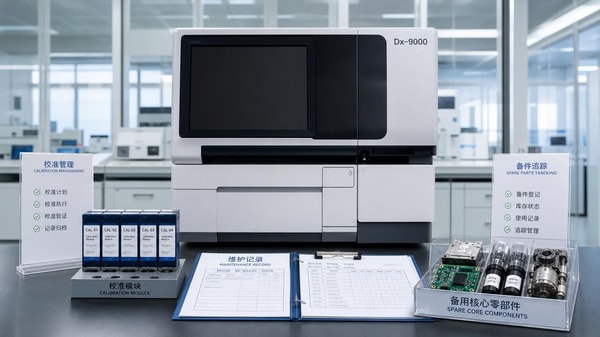
 Medical diagnostic equipment downtime usually starts with this oversightMedical diagnostic equipment downtime often starts with one overlooked maintenance gap. Learn the warning signs, hidden costs, and smart service strategies to improve uptime.
 Eco-friendly building materials: where certification changes the decisionEco-friendly building materials now win or lose on certification. Learn how verified standards reduce sourcing risk, support compliance, and improve procurement decisions.
 Ergonomic workspace design mistakes that still cause daily strainErgonomic workspace design mistakes can silently cause daily strain, fatigue, and lower productivity. Discover practical fixes to improve comfort, focus, and workstation performance.
 Outdoor garden supplies that wear out too fast in summer heatOutdoor garden supplies can fail fast in extreme summer heat. Discover which items wear out first, what materials last longer, and how to buy smarter for durable, cost-saving performance.
 Sustainable home decor: how to spot green claims with substanceSustainable home decor explained: learn how to spot credible green claims, avoid greenwashing, compare materials and certifications, and choose stylish, healthier pieces with real impact.
 Modern office furniture trends that improve layout flexibilityModern office furniture trends are transforming flexible workplace design. Explore modular, mobile, ergonomic, and acoustic solutions that boost productivity and smarter space planning.
 Smart street lighting works best when control systems are not overlookedSmart street lighting succeeds when control systems come first. Learn how better monitoring, dimming, and integration improve ROI, maintenance efficiency, and long-term project performance.
 What solid-state battery breakthroughs are still years from market?Solid-state battery breakthroughs sound transformative, but which ones are still years from market? Explore the technical, cost, and scaling barriers shaping real adoption timelines.
 Commercial LED lighting retrofits: when is payback slower than planned?Commercial LED lighting payback can slip when costs, runtime, rebates, and controls are misjudged. Learn the hidden risks and review steps that protect ROI before approval.

















Popular Tags
Global Trade Insights & Industry
Our mission is to empower global exporters and importers with data-driven insights that foster strategic growth.
Search News
Popular Tags
Industry Overview
The global commercial kitchen equipment market is projected to reach $112 billion by 2027. Driven by urbanization, the rise of e-commerce food delivery, and strict hygiene regulations.