

What Makes Sustainable Fashion Brands Worth Buying?
In a market shaped by transparency, ethics, and long-term value, sustainable fashion brands stand out as more than a trend—they represent smarter buying decisions. For buyers, analysts, and sourcing teams using a business intelligence platform or an online trade platform, understanding what makes sustainable fashion brands worth buying can reveal stronger brand trust, better supply chain resilience, and lasting commercial potential.
Sustainable fashion brands are worth buying when they deliver measurable value beyond marketing claims: reliable sourcing, credible compliance, consistent product quality, lower reputational risk, and stronger alignment with changing consumer demand. For procurement teams, distributors, and decision-makers, the real question is not whether sustainability sounds appealing—it is whether a brand can prove it through materials, manufacturing practices, traceability, and business performance. The most valuable brands do exactly that.
Why do sustainable fashion brands matter to buyers and business decision-makers?

For trade professionals and commercial evaluators, sustainable fashion is no longer a niche category. It has become a purchasing, branding, and risk-management issue. A sustainable fashion brand can be worth buying because it often signals stronger operational discipline across the supply chain.
Brands that invest in sustainability typically pay closer attention to supplier standards, material sourcing, labor practices, product safety, and regulatory readiness. That matters for importers, distributors, and sourcing managers who need dependable partners rather than short-term opportunities. In practical terms, sustainable fashion brands may offer:
- Better traceability across raw materials and production stages
- Lower exposure to labor, environmental, and compliance scandals
- Stronger appeal in markets where consumers actively compare brand values
- More resilience as regulations on product origin, waste, and chemical use become stricter
- Higher long-term brand equity for retailers and channel partners
For companies evaluating products through a global B2B information platform, this makes sustainable fashion less of a moral discussion and more of a strategic sourcing consideration.
What actually makes a sustainable fashion brand worth buying?
Not every brand that uses words like “eco-friendly,” “ethical,” or “responsible” deserves commercial trust. The brands worth buying usually show clear evidence in five areas.
1. Verified material sourcing
A strong sustainable fashion brand can identify what its fabrics, trims, dyes, and packaging are made from and where they come from. This may include organic cotton, recycled polyester, responsibly sourced wool, low-impact dyes, or biodegradable packaging. The key is not the material claim itself, but whether it is supported by credible certification or supplier documentation.
2. Supply chain transparency
Brands worth buying are able to explain who makes their products, under what standards, and with what oversight. Transparency may include factory disclosures, audit summaries, traceability systems, and sourcing policies. For buyers, this reduces uncertainty and makes supplier evaluation more efficient.
3. Product quality and durability
Sustainable fashion should not mean compromising on performance. In fact, one reason sustainable fashion brands are worth buying is that many focus on durability, repairability, and timeless product design. For distributors and end users, durable products often lead to fewer complaints, lower return rates, and better customer satisfaction.
4. Compliance readiness
Brands that take sustainability seriously are often better prepared for labeling rules, chemical restrictions, due diligence expectations, and emerging ESG-related procurement standards. This matters for importers and procurement teams operating across multiple markets.
5. Consistent brand credibility
A worthwhile brand does not rely only on emotional storytelling. It backs up its message with policies, data, certifications, third-party verification, and a consistent public record. In B2B evaluation, credibility is often more valuable than polished branding.
How can buyers tell the difference between real value and greenwashing?
This is one of the most important concerns for sourcing teams and commercial evaluators. Many fashion brands promote sustainability, but not all of them can support their claims with evidence. To separate real value from greenwashing, buyers should look for proof, specificity, and consistency.
Warning signs of weak or misleading claims include:
- Vague language such as “planet-friendly” without measurable detail
- No mention of factory standards or supply chain partners
- Claims focused on one material while ignoring the rest of the product lifecycle
- No certifications, audit references, or traceability information
- Inconsistent messaging across website, packaging, and supplier documents
Positive indicators include:
- Recognized certifications relevant to materials or social compliance
- Clear sourcing policies and supplier codes of conduct
- Disclosure of manufacturing locations or production standards
- Evidence of continuous improvement rather than perfection claims
- Transparent communication about limitations and progress
For procurement professionals, the best approach is to treat sustainable claims the same way they would treat technical or quality claims: request documents, compare sources, verify consistency, and assess risk.
What business value do sustainable fashion brands offer beyond ethics?
For enterprise decision-makers, the purchase case depends on commercial outcomes. Sustainable fashion brands can create business value in several ways.
Stronger market demand
In many regions, especially premium and urban consumer segments, sustainability influences brand preference. Retailers and distributors that carry credible sustainable fashion can strengthen positioning and capture demand from buyers who compare products on both design and values.
Reduced reputational risk
Fashion supply chains are exposed to scrutiny around labor conditions, waste, emissions, and raw material origin. Working with brands that have better governance can reduce the chance of disruption caused by negative media, compliance failures, or stakeholder pressure.
Improved channel acceptance
Some retailers, marketplaces, and institutional buyers now require stronger sustainability disclosures from brands and suppliers. A sustainable fashion brand with proper documentation may find it easier to enter regulated or quality-sensitive markets.
Longer-term profitability potential
While sustainable products may sometimes carry higher upfront costs, they can support premium pricing, customer loyalty, and lower return-related losses if quality is stronger. For buyers evaluating total value rather than only unit cost, the business case can be attractive.
What should sourcing and procurement teams check before buying?
For operational teams, a structured evaluation process is essential. A sustainable fashion brand should be reviewed not only for image and product range, but also for execution capability and evidence quality.
A practical checklist includes:
- Material verification: Are fabric and component claims documented?
- Factory oversight: Are production facilities audited or assessed?
- Traceability: Can the brand identify upstream suppliers or source regions?
- Quality control: Are there consistent standards for durability, sizing, colorfastness, and safety?
- Regulatory fit: Can the products meet destination market requirements?
- Scalability: Can the brand fulfill volume, lead-time, and continuity needs?
- Claims consistency: Do brand statements match supplied documents and third-party sources?
Using a trade intelligence portal or industry information source can help procurement teams compare supplier positioning, monitor industry developments, and identify whether a brand’s sustainability narrative matches broader market signals.
When is a sustainable fashion brand not worth buying?
Even if a brand positions itself as sustainable, it may not be the right choice if the fundamentals are weak. A brand may be less attractive when:
- Its sustainability claims are stronger than its operational evidence
- Product quality does not justify pricing
- Lead times, volume capacity, or consistency are poor
- Compliance documentation is incomplete or outdated
- The brand depends too heavily on trend-based messaging without long-term supply chain discipline
In other words, sustainability should strengthen the buying case, not replace standard commercial evaluation. The best brands combine responsible practices with reliable execution.
How should businesses make the final buying decision?
The smartest approach is to assess sustainable fashion brands through both a value lens and a verification lens. A brand is worth buying when it can demonstrate that sustainability contributes to product credibility, supply chain reliability, customer relevance, and long-term business fit.
Decision-makers should ask:
- Does this brand meet current commercial requirements?
- Does its sustainability model reduce future risk?
- Can its claims be verified with documents and performance data?
- Will this brand strengthen our market position or customer offering?
If the answer is yes across these areas, the brand likely offers more than image—it offers strategic value.
Ultimately, what makes sustainable fashion brands worth buying is not just their ethical promise, but their ability to prove quality, transparency, and resilience in a changing global market. For buyers, analysts, and trade professionals, the most worthwhile brands are those that align sustainability with real operational substance. When evaluated carefully, they can support stronger procurement decisions, better brand partnerships, and more future-ready growth.
Recommended News
 Key Energy Storage Equipment Prices Drop ~80% in ChinaKey energy storage equipment prices in China dropped ~80% — PCS, BMS & liquid cooling units. Discover implications for compliance, margins & standards enforcement.
") China Releases Green Design Guidelines for Industrial Products (2026)China's 2026 Green Design Guidelines for industrial products—covering PV modules, lithium batteries & smart appliances—link eco-design to green factory certification and export tax rebates starting 2027.
China Releases Green Design Guidelines for Industrial Products (2026)China's 2026 Green Design Guidelines for industrial products—covering PV modules, lithium batteries & smart appliances—link eco-design to green factory certification and export tax rebates starting 2027. Mexico NOM-019-SCFI-2026 Effective: Automotive Electronics Require New EMC CertificationMexico NOM-019-SCFI-2026 is live: Automotive electronics (infotainment, ADAS, domain controllers) now require mandatory EMC certification by July 31, 2026 — act now to avoid customs delays.
 Red Sea Detour Premium Rises to $1,850/TEU Amid Port Congestion ReliefRed Sea Detour Premium hits $1,850/TEU — now 43% of FE–NE freight rates. Discover why this structural surcharge demands urgent supply chain action.
 TÜV Rheinland Updates PLd Certification: EMC Immunity Now Mandatory for Servo DrivesTÜV Rheinland now mandates EN IEC 61000-6-2:2024 EMC immunity testing for PLd certification of servo drives—act before May 26, 2026 to avoid EU market delays.
 RCEP Green Packaging Mutual Recognition Effective Apr 26, 2026RCEP Green Packaging Mutual Recognition takes effect Apr 26, 2026—unlock faster customs clearance & cost savings for eco-friendly packaging exporters to AU, NZ, JP, KR.
 FDA Final Rule: AI Diagnostic Devices Must Submit Bias Impact ReportsFDA mandates AI diagnostic devices submit third-party-verified bias impact reports—key for 510(k)/De Novo submissions. Act now to ensure compliance & market access.
 Vietnam Suspends SASO Mutual Recognition for Chinese Irrigation EquipmentVietnam suspends SASO mutual recognition for Chinese irrigation equipment—urgent QCVN certification now required for drip tapes, sprinklers, valves & smart controllers.
 SABER Phase II Launch: Building Hardware Must Submit Digital Type Test Reports & PIDSABER Phase II now requires digital type test reports & PID for building hardware — fasteners, door/window, bathroom fixtures. Avoid port rejection: ensure PID-bound compliance before shipment.
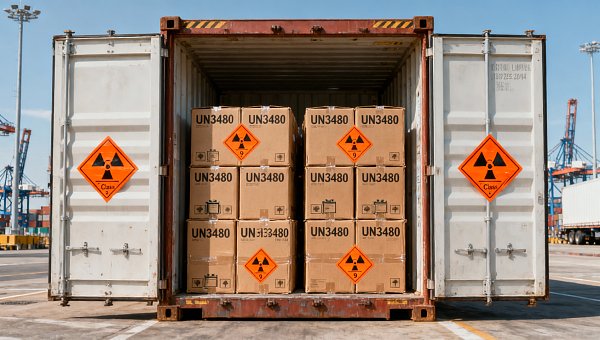
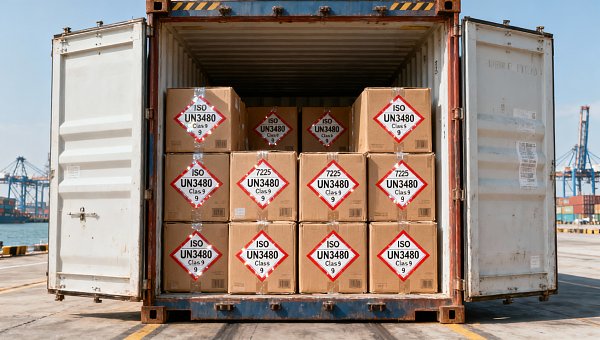
 IMDG Code 41-24 Enforced: UN3480 Lithium Batteries Require Class 9 LabelsUN3480 lithium batteries now require ISO 7225-compliant Class 9 labels under IMDG Code 41-24 — enforceable globally from 26 April 2026. Act now to avoid shipment delays!
 What Makes Sustainable Fashion Brands Worth Buying?Sustainable fashion brands deliver transparency, quality, and lower risk. See how a business intelligence platform helps buyers verify value, avoid greenwashing, and source smarter.
 How to Choose a Business Intelligence Platform in 2026?Business intelligence platform selection in 2026: compare data coverage, pricing insights, online trade platform signals, Cement price trends, and MRI scanners cost to choose smarter, faster.
 IMDG Code 41-24 Enforces UN3480 Class 9 Labeling for Lithium Battery Sea FreightIMDG Code 41-24 mandates UN3480 Class 9 labeling for lithium battery sea freight—avoid auto-rejection by DHL, Kuehne+Nagel & Sinotrans. Act now.
 ESS Key Equipment Prices Drop ~80%: Quality & Compliance RiseESS key equipment prices dropped ~80%—but quality & compliance are now critical. Discover how UL 9540A and IEC 62933-5-2 standards reshape global market access.
") China Releases Green Design Guide for Industrial Products (2026)China's new Green Design Guide (2026) offers 126 actionable solutions for solar, batteries & robotics—key for EU ESG compliance and export readiness.
China Releases Green Design Guide for Industrial Products (2026)China's new Green Design Guide (2026) offers 126 actionable solutions for solar, batteries & robotics—key for EU ESG compliance and export readiness. Vietnam Suspends SASO Mutual Recognition for Chinese Irrigation EquipmentVietnam suspends SASO mutual recognition for Chinese irrigation equipment—impacting spray controllers, fertigation systems & PE pipes. Act now to meet new local testing mandates.
 Mexico NOM-019-SCFI-2026 Effective: Automotive EMC Certification RequiredMexico NOM-019-SCFI-2026 is live: Automotive EMC certification now mandatory for all car electronics entering Mexico—avoid customs rejection. Act now!
 Red Sea Rerouting Now Normalized: Asia-Europe Freight Premium at $1,850/TEURed Sea rerouting is now normalized—Asia-Europe freight premium holds at $1,850/TEU. Critical for CNC, solar PV & EV accessory exporters. Read the strategic implications.
 SABER Phase II Launch: Building Hardware Must Submit Digital Type Test Reports & UPIDSABER Phase II is live: Building hardware exporters must now submit digital type test reports & UPID—avoid Jeddah port delays. Act now!
 FDA Final Rule: AI Diagnostic Devices Require Bias Assessment for US MarketFDA mandates bias assessment for AI diagnostic devices—key for portable ultrasound, dermatoscopes & fundus analyzers entering the US market. Act now to comply.
 RCEP Green Packaging Mutual Recognition Takes EffectRCEP Green Packaging Mutual Recognition is live: Chinese GB/T 37650–2023-certified packaging now bypasses retesting in Australia, NZ, Japan & SK — save time and costs.












Popular Tags
Global Trade Insights & Industry
Our mission is to empower global exporters and importers with data-driven insights that foster strategic growth.
Search News
Popular Tags
Industry Overview
The global commercial kitchen equipment market is projected to reach $112 billion by 2027. Driven by urbanization, the rise of e-commerce food delivery, and strict hygiene regulations.