

Portable oxygen concentrators: what affects battery life most?
Portable oxygen concentrators give users greater freedom, but battery life can vary widely depending on how the device is used and maintained. From flow settings and battery age to temperature and charging habits, several factors can shorten or extend daily performance. Understanding what affects battery life most helps consumers choose the right unit and get more reliable support wherever they go.
Understanding portable oxygen concentrators and why battery life matters
Portable oxygen concentrators are compact medical devices that draw in room air, remove nitrogen, and deliver concentrated oxygen to the user. For many people living with chronic respiratory conditions, the biggest benefit is mobility. A portable unit can support daily routines outside the home, including errands, social visits, air travel, commuting, and light outdoor activity. Yet freedom depends heavily on one practical issue: how long the battery lasts in real use.
Consumers often notice that advertised run time and real-world battery performance do not always match. That is not necessarily a sign of poor quality. Instead, battery life in portable oxygen concentrators is shaped by a combination of engineering limits, personal oxygen needs, environmental conditions, and maintenance habits. A device used on a low pulse setting in mild weather may run far longer than the same model used continuously at a higher demand level on a hot day.
In the broader health device market, battery performance has become a major point of attention because users expect medical mobility products to fit modern lifestyles. Across global trade and product intelligence platforms such as GTIIN and TradeVantage, demand patterns consistently show that portability, runtime reliability, and charging convenience strongly influence how end consumers evaluate medical support equipment. In other words, battery life is no longer a technical detail alone; it is part of everyday usability and consumer confidence.
The main factors that affect battery life most
When people compare portable oxygen concentrators, they often focus first on size or weight. Those features matter, but battery endurance is usually affected more by how the machine delivers oxygen and how intensively it must work. The following factors have the greatest impact.
1. Flow setting and delivery mode
The oxygen setting is usually the single biggest driver of battery use. Higher settings require the concentrator to work harder, which drains the battery faster. Pulse dose models generally conserve energy better than continuous flow models because they deliver oxygen when inhalation is detected rather than in an uninterrupted stream. A user on a low pulse setting may see several more hours of operation than someone using continuous flow on the same battery platform.
2. Battery capacity and battery age
Not all batteries store the same amount of energy. Some portable oxygen concentrators accept standard and extended batteries, and the larger option can significantly increase operating time. However, age matters too. Rechargeable batteries lose capacity over time, especially after repeated charge cycles. Even if a device is mechanically sound, an older battery may provide noticeably shorter runtime than it did when new.
3. Breathing pattern and user activity
A user who is resting quietly usually places lower demand on the device than someone walking briskly, climbing stairs, or traveling through crowded airports. During exertion, breathing rate often rises, and a pulse dose unit may trigger more frequently. That can increase energy consumption and reduce battery life. This is why real-world performance often changes throughout the day rather than staying fixed.
4. Ambient temperature
Temperature affects battery chemistry. Very cold conditions can temporarily reduce available capacity, while excessive heat can stress both the battery and the electronics inside portable oxygen concentrators. Hot car interiors, direct summer sun, and freezing outdoor conditions can all shorten effective runtime. In extreme situations, the device may also reduce performance or stop operating to protect internal components.
5. Charging habits and power management
Charging behavior influences long-term battery health. Using the manufacturer-approved charger, avoiding repeated deep discharge when possible, and storing batteries correctly can help preserve capacity. Frequent exposure to improper charging conditions may accelerate wear. While one charging mistake will not usually ruin a battery, long-term habits make a measurable difference.
6. Device design and maintenance condition
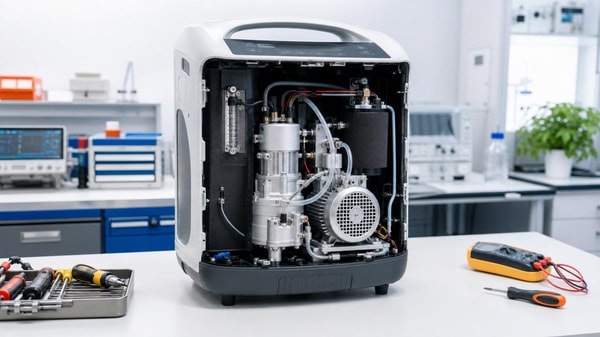
Some portable oxygen concentrators are designed with more efficient compressors, better airflow management, and smarter power control. Maintenance also matters. Dirty intake filters, blocked vents, or neglected servicing can force the device to work harder. That extra strain can reduce efficiency and shorten battery runtime, especially in older units.
A simple industry overview of battery-life drivers
For end consumers, it helps to separate battery factors into three groups: user-controlled factors, environment-related factors, and product-related factors. This makes it easier to understand what can be improved immediately and what should be considered before purchase.
Why the issue receives so much attention in today’s market
In the consumer medical device space, expectations have changed. Buyers no longer want equipment that only works well at home. They want portable oxygen concentrators that support commuting, family life, short trips, and emergency flexibility. This has made battery life central to product reviews, buyer guides, and after-sales discussions.
At the market level, information platforms that track cross-border supply and product trends show that runtime is tied to trust. When consumers see a device listed with a strong battery claim, they want to know whether that figure reflects ideal laboratory conditions or actual daily use. Better-informed buyers now compare not just stated hours, but also battery options, charging speed, replacement cost, and airline practicality. For global brands and distributors, clear communication about battery performance has become part of building credibility.
This matters especially because portable oxygen concentrators are not impulse purchases. They are health-support products that may influence a user’s confidence, safety, and independence. A battery that runs short during a long outing is more than an inconvenience. It can disrupt routines, raise anxiety, and limit activity choices. That is why end consumers benefit from understanding the drivers behind runtime instead of relying on a single marketing number.
Which users are most affected by battery performance
Not every user depends on battery life in the same way. The practical value of longer runtime varies by lifestyle, mobility level, and treatment pattern.
Practical ways to get more battery life from portable oxygen concentrators
While some limits are unavoidable, users can often improve everyday performance with a few practical habits. The goal is not to alter prescribed oxygen therapy, but to use the equipment more efficiently and prepare for realistic conditions.
- Follow the prescribed oxygen setting exactly, but understand how that setting affects runtime when planning trips.
- If available, compare standard and extended battery options before buying.
- Charge batteries fully before long outings and keep a second battery if the user spends extended time away from power sources.
- Avoid leaving batteries in very hot or very cold places, including parked vehicles.
- Keep filters and vents clean according to the manufacturer’s instructions so the device can run efficiently.
- Track battery age and notice whether the operating time has declined over months or years.
- Use only compatible chargers and accessories recommended for that model.
It is also wise to build a small margin of safety into travel plans. If a device is rated for a certain number of hours under ideal conditions, consumers should not assume they will always achieve that maximum. Movement, temperature, and breathing rate can reduce actual runtime, so carrying backup power is often the safer approach.
What to evaluate before choosing a device
For first-time buyers, the best portable oxygen concentrators are not simply the lightest or the most heavily advertised. A better approach is to match the product to the user’s real routine. Consumers should consider how many hours they spend away from home, whether they need pulse dose or continuous flow, how often they travel, and how easy it will be to recharge during the day.
It is also important to ask practical questions: How long does the battery last at the prescribed setting rather than at the lowest setting? Is an extended battery available? How much does a replacement battery cost? Does the device allow charging in the car? How heavy does the unit become when the larger battery is attached? These details often matter more than a headline runtime figure.
Consumers comparing portable oxygen concentrators should also remember that efficiency and comfort are linked. A model that offers good battery life but feels too heavy or difficult to carry may not support real independence. The best fit is usually the one that balances runtime, weight, oxygen delivery needs, and ease of use in daily life.
Common misunderstandings about battery runtime
One common misunderstanding is that a shorter-than-expected runtime means the device is defective. In reality, many users discover that their setting, activity level, or weather conditions explain the difference. Another misconception is that all batteries age at the same rate. Usage patterns, storage temperature, and charging habits can create large differences between two batteries of the same model.
Some buyers also assume that the highest-capacity battery is always the best choice. In practice, a larger battery usually means more weight. For one user, that trade-off may be worthwhile. For another, carrying a lighter unit with an extra spare battery may be easier. Understanding these trade-offs helps consumers make more realistic decisions and avoid disappointment later.
A balanced view for consumers
Battery life in portable oxygen concentrators is affected most by oxygen setting, delivery mode, battery age, user activity, temperature, and overall device efficiency. No single factor explains every situation, which is why two users can report very different experiences with the same model. For consumers, the most useful mindset is to treat battery performance as a combination of product design and daily use conditions.
As health-related mobility devices continue to evolve, transparency around runtime will remain important. Buyers who understand the basics are better prepared to compare options, ask informed questions, and build routines that support consistent performance. When evaluating portable oxygen concentrators, focus not only on the advertised number of hours, but also on how the device will perform in the places and situations that matter most to your life.
If you are reviewing product information, market updates, or supplier content through trusted industry platforms, use battery life as a practical lens for decision-making. Clear data, realistic expectations, and good maintenance habits can turn portable oxygen concentrators from a simple device into a more dependable source of everyday freedom.
Recommended News
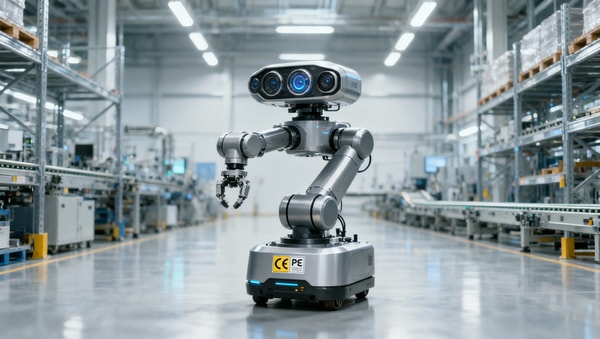
 China’s First Embodied AI Robot Export Liability Insurance Launched in GuangxiEmbodied AI Robot Export Liability Insurance launched in Guangxi—China’s first insurer-backed solution for EU/Japan-bound industrial & service robots. Boost compliance, trust & tenders now.
 Morocco: 4th Top African Recipient of EU Energy Aid, Boosting China’s PV & Storage ExportsMorocco’s EU energy aid boost unlocks opportunities for Chinese PV mounting structures & containerized energy storage exports—act now to leverage new regulatory advantages.
 Industrial Robot Controller Thermal Gel: China's Export-Ready Heat Dissipation SolutionIndustrial Robot Controller Thermal Gel: China’s export-ready, TÜV-certified heat dissipation solution (8.5 W/mK) for robotics in SEA & Mexico.
 ADB Raises Vietnam’s 2026 GDP Forecast to 7.2% on Sino-Vietnam Supply Chain IntegrationADB raises Vietnam’s 2026 GDP forecast to 7.2% amid deepening Sino-Vietnam supply chain integration in electronics, solar PV, and lithium battery PACK production — key insight for OEMs, exporters & integrators.
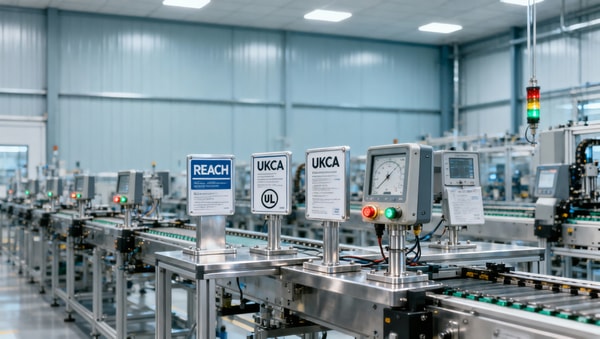
 First National SME Service Demonstration Platforms AnnouncedFirst National SME Service Demonstration Platforms announced—16 specialize in REACH, UKCA, UL certification & rapid factory audits for exporters.
 U.S. Natural Gas Inventory Growth Below Forecast: Impact on Plastic Export CostsU.S. natural gas inventory growth missed forecast—impacting plastic export costs globally. Learn how rising TTF prices affect PP/PE resin costs, margins & supply chain strategy for exporters.
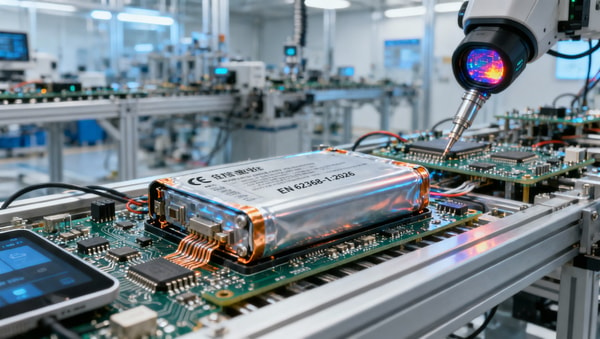
 EN 62368-1:2026 Enforced in EU: Thermal Runaway Protection for Wearables & Smart Home DevicesEN 62368-1:2026 is now mandatory in the EU—learn how thermal runaway protection impacts wearables, smart home devices & EV accessories.
 Q1 2026 Industrial Profits Up 15.5%: Supply Chain Cost Stability ConfirmedQ1 2026 Industrial Profits Up 15.5% — supply chain cost stability confirmed for global procurement, contract manufacturing & OEM teams.
") MIIT Releases Service Trade Standardization Plan (2026–2030)MIIT's 2026–2030 Service Trade Standardization Plan boosts AI-driven digital services—remote QA, cloud maintenance, intelligent warehouse SaaS—for global export competitiveness.
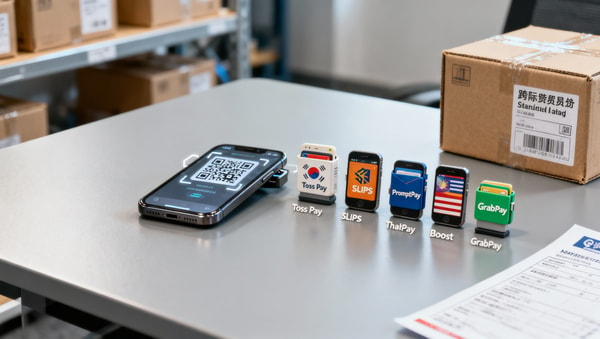
MIIT Releases Service Trade Standardization Plan (2026–2030)MIIT's 2026–2030 Service Trade Standardization Plan boosts AI-driven digital services—remote QA, cloud maintenance, intelligent warehouse SaaS—for global export competitiveness. WeChat Pay Integrates QR Codes from 5 Countries for B2B Cross-Border SettlementWeChat Pay integrates QR codes from South Korea, Sri Lanka, Thailand, Malaysia & Singapore — enabling faster, cheaper B2B cross-border settlement for global buyers and Chinese suppliers.
 Portable oxygen concentrators get noisy over time for several reasonsPortable oxygen concentrators get noisy over time due to dust, wear, loose parts, and aging compressors. Learn key causes, inspection priorities, and service tips to prevent failures.
 Interactive whiteboards: what schools regret not checking earlyInteractive whiteboards can boost learning, but schools often regret missing key checks on compatibility, durability, training, and support. Discover how to buy smarter.
 Medical diagnostic equipment downtime usually starts with this oversightMedical diagnostic equipment downtime often starts with one overlooked maintenance gap. Learn the warning signs, hidden costs, and smart service strategies to improve uptime.
 Eco-friendly building materials: where certification changes the decisionEco-friendly building materials now win or lose on certification. Learn how verified standards reduce sourcing risk, support compliance, and improve procurement decisions.
 Ergonomic workspace design mistakes that still cause daily strainErgonomic workspace design mistakes can silently cause daily strain, fatigue, and lower productivity. Discover practical fixes to improve comfort, focus, and workstation performance.
 Outdoor garden supplies that wear out too fast in summer heatOutdoor garden supplies can fail fast in extreme summer heat. Discover which items wear out first, what materials last longer, and how to buy smarter for durable, cost-saving performance.
 Sustainable home decor: how to spot green claims with substanceSustainable home decor explained: learn how to spot credible green claims, avoid greenwashing, compare materials and certifications, and choose stylish, healthier pieces with real impact.
 Modern office furniture trends that improve layout flexibilityModern office furniture trends are transforming flexible workplace design. Explore modular, mobile, ergonomic, and acoustic solutions that boost productivity and smarter space planning.
 Smart street lighting works best when control systems are not overlookedSmart street lighting succeeds when control systems come first. Learn how better monitoring, dimming, and integration improve ROI, maintenance efficiency, and long-term project performance.
 What solid-state battery breakthroughs are still years from market?Solid-state battery breakthroughs sound transformative, but which ones are still years from market? Explore the technical, cost, and scaling barriers shaping real adoption timelines.
 Commercial LED lighting retrofits: when is payback slower than planned?Commercial LED lighting payback can slip when costs, runtime, rebates, and controls are misjudged. Learn the hidden risks and review steps that protect ROI before approval.














Popular Tags
Global Trade Insights & Industry
Our mission is to empower global exporters and importers with data-driven insights that foster strategic growth.
Search News
Popular Tags
Industry Overview
The global commercial kitchen equipment market is projected to reach $112 billion by 2027. Driven by urbanization, the rise of e-commerce food delivery, and strict hygiene regulations.