

Canton Fair Phase II 2026: China’s Smart Factory Equipment Advances Global Standard Setting
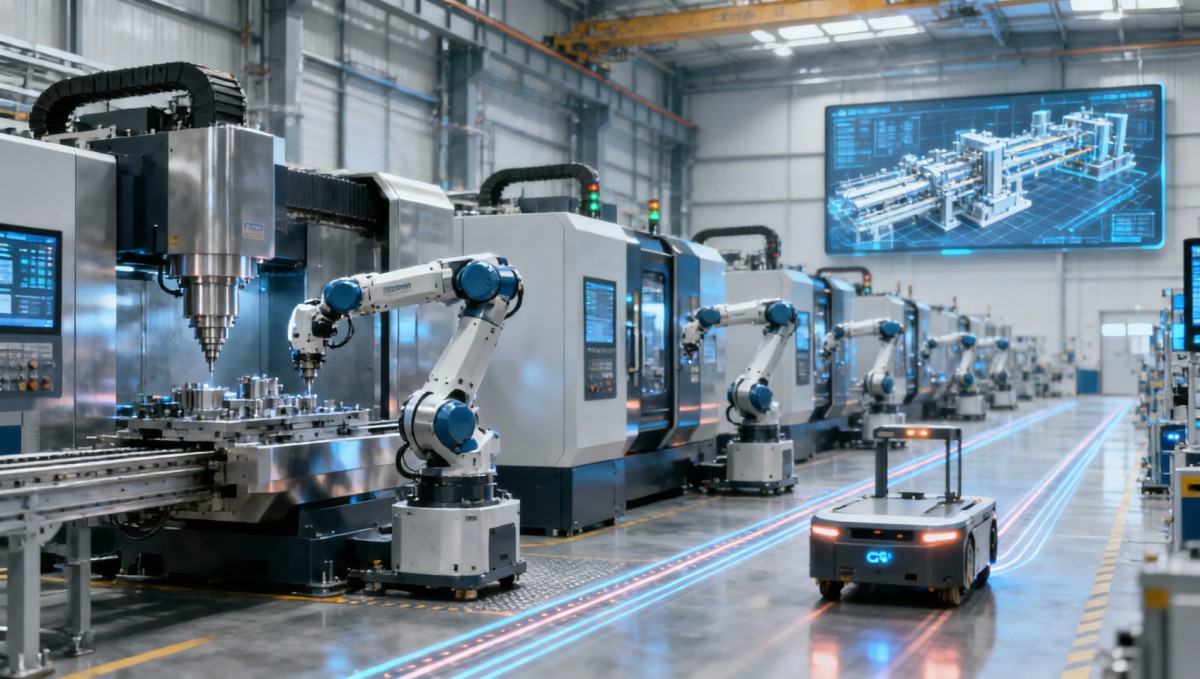
At the conclusion of Phase II of the 139th Canton Fair on May 6, 2026, a newly launched ‘Standards Going Global’ exhibition zone spotlighted over 120 Chinese intelligent manufacturing equipment enterprises presenting draft proposals for IEC and ISO standards — in areas including functional safety of industrial robots, AGV communication protocols, and digital twin modeling languages. This development signals tangible implications for global buyers of CNC machine tools, collaborative robots, and MES systems — particularly those in automation integration, industrial software deployment, and cross-border equipment procurement.
Event Overview
The second phase of the 139th Canton Fair closed on May 6, 2026. For the first time, the fair featured a dedicated ‘Standards Going Global’ thematic exhibition zone. More than 120 Chinese intelligent manufacturing equipment enterprises showcased draft technical proposals submitted to international standardization bodies — specifically the International Electrotechnical Commission (IEC) and the International Organization for Standardization (ISO). These drafts cover industrial robot functional safety, automated guided vehicle (AGV) communication protocols, and digital twin modeling language specifications.
Industries Affected
Direct Exporters & Importers of Industrial Equipment
These firms face evolving technical alignment requirements when sourcing or supplying CNC machine tools, collaborative robots, and MES platforms. As Chinese-developed interface definitions and test methodologies gain traction in IEC/ISO deliberations, procurement decisions may increasingly require verification against emerging Chinese-originated conformance criteria — even for non-Chinese branded equipment integrated into China-linked supply chains.
Industrial Automation System Integrators
Integrators deploying robotics, AGVs, or digital twin–enabled production monitoring must now assess compatibility with proposed Chinese-led standards — especially where interoperability testing or certification is mandated by end customers in Asia or emerging markets adopting harmonized frameworks. Early exposure to draft proposals may inform architecture design choices before formal adoption.
Manufacturers of Embedded Controllers & Industrial Communication Modules
Suppliers of motion controllers, PLCs, and fieldbus gateways may encounter new interface specification requests from OEMs aligning with Chinese-initiated protocol drafts — particularly around AGV fleet coordination or safety-related data exchange. Product documentation and firmware update roadmaps may need to reflect upcoming conformance expectations.
Global Procurement & Technical Compliance Teams
Buyers evaluating smart factory equipment for multinational operations must now track not only IEC/ISO final publications but also draft proposal status from Chinese national technical committees. Pre-emptive review of these drafts helps anticipate future compliance overhead — especially where dual-certification (e.g., CE + GB/T-aligned) becomes commercially advantageous.
What Relevant Enterprises or Practitioners Should Focus On Now
Monitor official updates from SAC/IEC Joint Working Groups
China’s Standardization Administration of China (SAC) coordinates national input to IEC/ISO. Observably, draft proposals shown at the Canton Fair are early-stage submissions; their progression — whether accepted, revised, or deferred — will be documented in SAC bulletins and IEC/ISO working group minutes. Tracking these updates helps distinguish signal from speculation.
Identify exposure in high-priority categories: AGV fleets, safety-rated robot control, and MES-to-twin data pipelines
Analysis shows that the three technical domains highlighted — AGV communication, robot functional safety, and digital twin modeling — represent current focal points for Chinese standardization efforts. Firms involved in these segments should prioritize reviewing publicly available draft texts (where released) and mapping them against existing internal test plans or supplier qualification checklists.
Distinguish between proposal visibility and enforceable requirement
From an industry perspective, presence in the ‘Standards Going Global’ zone reflects advocacy and technical readiness — not regulatory mandate. Current impact lies in market signaling and early adopter influence. Enforcement depends on formal adoption timelines, which typically span multiple years and require consensus across national committees.
Begin internal alignment assessments for interface and test method compatibility
For organizations developing or procuring equipment in affected domains, initiating preliminary gap analyses — comparing current interface specifications and validation procedures against published draft proposals — supports agile response if formal standards evolve toward these directions. This includes documenting dependencies on third-party libraries, communication stacks, or safety certification paths.
Editorial Perspective / Industry Observation
This initiative is better understood as a strategic inflection point than an immediate regulatory shift. Observably, it reflects growing institutional capacity within China’s manufacturing sector to shape foundational technical frameworks — moving beyond compliance with existing standards toward active co-authorship. Analysis shows that such participation does not guarantee adoption, but it does increase visibility, influence negotiation dynamics in multilateral forums, and accelerate domestic implementation cycles. The Canton Fair platform serves less as a venue for binding outcomes and more as a transparency mechanism for signaling technical priorities and building coalition support among global stakeholders. Continued observation is warranted — particularly regarding how many of these drafts progress to committee drafts (CD) or international standard drafts (DIS) in the next 12–18 months.
Conclusion
Phase II of the 139th Canton Fair marks a visible step in China’s transition from standard taker to standard contributor in intelligent manufacturing infrastructure. Its significance lies not in immediate compliance obligations, but in the recalibration of technical expectation-setting across global supply chains. For practitioners, this is best interpreted as an early indicator of shifting interoperability baselines — one requiring attentive monitoring, selective engagement, and measured operational adjustment rather than urgent overhaul.
Information Sources
Main source: Official announcements and exhibition documentation from the China Foreign Trade Center (CFTC), operator of the Canton Fair, regarding Phase II of the 139th session (concluded May 6, 2026). Draft proposal titles and scope were confirmed via on-site exhibitor materials displayed in the ‘Standards Going Global’ zone. Note: Formal IEC/ISO document numbers, voting timelines, and final text availability remain pending official publication and are subject to ongoing multilateral review.
Recommended News
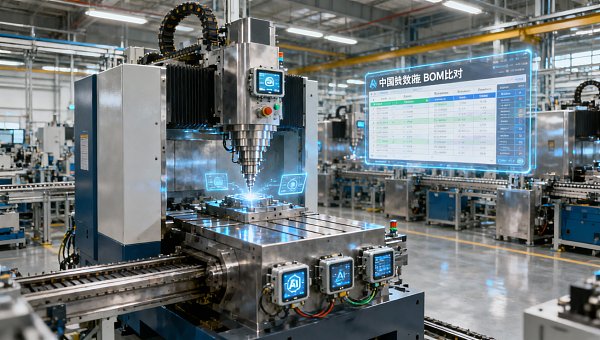
 Wuwen Xinqiong Raises $100M+ for AI Agent Infrastructure in ManufacturingWuwen Xinqiong raises $100M+ for AI agent infrastructure in manufacturing — enabling multilingual BOM coordination, automated quality inspection, and cross-border supply chain agility. Discover the impact.
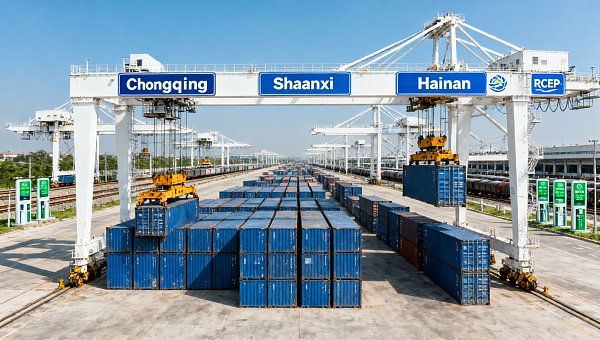
 Q1 Regional Export Growth: Shaanxi, Hainan, Chongqing LeadQ1 Regional Export Growth: Shaanxi, Hainan, Chongqing lead with +73.7%, +38.5%, +34.3% — key for OEMs, procurement & logistics teams optimizing RCEP-compliant sourcing.
 EV Charging Infrastructure Hits 21.48M Units; IEC 62196-3:2026 Ed.3 Certification Window OpensEV charging infrastructure hits 21.48M units; IEC 62196-3:2026 Ed.3 certification window is open—act now to meet Q3 2026 compliance deadlines for North America, ANZ & South Korea.
 MIIT Releases Industrial Data Application Guidance for Smart SensorsMIIT's new Industrial Data Application Guidance reshapes smart sensor exports—mandating metadata tagging, data rights verification & cross-platform interfaces for EU/US market access.
 Q1 2026 Industrial Profits Up 15.5%: Stability Boosts Precision Hardware ExportsPrecision hardware & mold exporters gain pricing stability and reliable delivery as Q1 2026 industrial profits rise 15.5% — key insight for global buyers and OEMs.
 China's Renewable Capacity Hits 2.395B kW; PV Mounting & ESS Containers Gain Priority in Middle EastPV mounting & ESS containers gain priority in Middle East as China’s renewable capacity hits 2.395B kW — seize verified project case advantages now.
 MIIT Launches 'Model-Data Resonance' Initiative for AI Agent FactoriesModel-Data Resonance initiative launched by MIIT: AI agent factories boost cross-border customization, rapid prototyping & multilingual compliance for global manufacturers.
 Canton Fair Phase II 2026: China’s Smart Factory Equipment Advances Global Standard SettingCanton Fair Phase II 2026 spotlighted China’s smart factory equipment driving global standard setting — explore IEC/ISO draft proposals for robots, AGVs & digital twins.
 EU Cybersecurity Law Revision Sparks PPM Compliance ResponseEU Cybersecurity Law revision demands PPM compliance for smart hardware exporters—CCTV, smart locks, industrial routers & AIoT gateways face new firmware-level security mandates.
 China Launches Joint Enforcement on EV Battery RecyclingChina's EV battery recycling enforcement impacts exporters of lithium-ion recycling equipment, BMS tools & second-life modules—key for EU, SEA & LATAM markets. Act now.
 Portable oxygen concentrators vary more in noise than spec sheets suggestPortable oxygen concentrators may share similar specs, yet real-world noise can vary widely. Learn what decibel ratings miss and choose a quieter, more comfortable model with confidence.
 Interactive whiteboards are easier to buy than to integrate wellInteractive whiteboards are easy to buy, but hard to integrate. Discover how to align workflows, IT, training, and ROI for smarter deployment.
![]() Medical diagnostic equipment upgrades should start with workflow bottlenecksMedical diagnostic equipment upgrades should start with workflow bottlenecks. Discover how targeted investments improve throughput, integration, ROI, and diagnostic efficiency.
Medical diagnostic equipment upgrades should start with workflow bottlenecksMedical diagnostic equipment upgrades should start with workflow bottlenecks. Discover how targeted investments improve throughput, integration, ROI, and diagnostic efficiency.![]() Eco-friendly building materials can raise budgets before they lower themEco-friendly building materials may raise upfront budgets, but they can cut long-term costs, improve compliance, and strengthen asset value. Learn when the premium truly pays off.
Eco-friendly building materials can raise budgets before they lower themEco-friendly building materials may raise upfront budgets, but they can cut long-term costs, improve compliance, and strengthen asset value. Learn when the premium truly pays off. Ergonomic workspace design fixes discomfort, but not every layout problemErgonomic workspace design improves comfort, focus, and buying decisions—but not every layout issue. Learn what upgrades work, what room limits remain, and how to choose smarter.
![]() Outdoor garden supplies demand shifts earlier than many sellers plan forOutdoor garden supplies demand is starting earlier than many sellers expect. Learn what drives the shift and how distributors, wholesalers, and agents can plan smarter to win more sales.
Outdoor garden supplies demand shifts earlier than many sellers plan forOutdoor garden supplies demand is starting earlier than many sellers expect. Learn what drives the shift and how distributors, wholesalers, and agents can plan smarter to win more sales. Sustainable home decor sells better when materials are easy to verifySustainable home decor sells better when material claims are easy to verify. Discover how traceable data, certifications, and clear sourcing build trust and boost B2B sales.
 Modern office furniture trends are changing around hybrid work needsModern office furniture trends are redefining hybrid workplaces with flexible layouts, ergonomic design, and smart tech integration. Discover what drives demand and smarter buying decisions.
 Smart street lighting projects often miss the maintenance sideSmart street lighting projects often overlook maintenance. Learn how diagnostics, spare parts, and scenario-based support improve reliability, reduce downtime, and protect long-term value.
 Solid-state battery breakthroughs are real, but mass rollout is still difficultSolid-state battery breakthroughs are real, but scaling remains difficult. Explore what’s driving progress, what blocks mass rollout, and where commercialization may happen first.
![]() Commercial LED lighting retrofits save money, but not at the same paceCommercial LED lighting can cut costs, but payback varies by warehouse, office, retail, and industrial scenario. Discover how to identify the fastest-return retrofit opportunities.
Commercial LED lighting retrofits save money, but not at the same paceCommercial LED lighting can cut costs, but payback varies by warehouse, office, retail, and industrial scenario. Discover how to identify the fastest-return retrofit opportunities.












Popular Tags
Global Trade Insights & Industry
Our mission is to empower global exporters and importers with data-driven insights that foster strategic growth.
Search News
Popular Tags
Industry Overview
The global commercial kitchen equipment market is projected to reach $112 billion by 2027. Driven by urbanization, the rise of e-commerce food delivery, and strict hygiene regulations.