

Portable oxygen concentrators vary more in noise than spec sheets suggest
Portable oxygen concentrators often seem comparable on paper, yet real-world noise can differ far more than spec sheets suggest. For consumers choosing a device for sleep, travel, or daily comfort, understanding these sound differences is essential. This article explores why published noise ratings may not tell the full story and what to look for before making a confident purchase.
Why Portable Oxygen Concentrators Can Sound So Different in Real Life
Many buyers compare Portable oxygen concentrators by checking flow settings, battery life, weight, and a single listed noise value. That approach looks sensible, but it often leads to surprises after purchase. A unit advertised at a similar decibel level to another may feel much louder in a bedroom, a car, or an airport lounge.
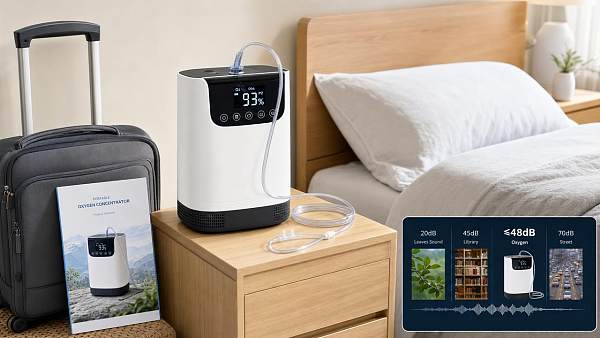
The main reason is simple: noise is not just about volume. It is also about pitch, vibration, pulse rhythm, airflow behavior, casing design, and the distance between the machine and the user. Two devices can both publish a moderate sound rating while producing very different listening experiences.
For end consumers, this matters because Portable oxygen concentrators are used close to the body and often for long periods. A small difference in sound character can affect sleep quality, travel comfort, stress levels, and even whether a user continues using the device consistently as prescribed.
- A low hum may be easier to tolerate than a sharp mechanical buzz.
- Intermittent pulse bursts can feel more distracting than steady fan noise.
- Vibration on a nightstand can amplify perceived loudness even when measured decibels remain unchanged.
- Noise at higher oxygen settings may differ significantly from noise at lower settings.
Spec Sheets Measure One Moment, Not the Full User Experience
Manufacturers usually publish noise figures under specific internal test conditions. Those conditions may not reflect how the machine performs in a carpeted room, a quiet bedroom at night, or inside a rolling travel bag. Room acoustics, placement surface, tubing arrangement, and operating mode can all shift how the device is perceived.
In global consumer markets, this gap between technical listing and lived experience is a recurring pattern. At GTIIN and TradeVantage, cross-market product intelligence often shows that buyers rely too heavily on headline metrics without understanding context. Noise is one of the clearest examples where market data, user scenarios, and product interpretation need to come together.
What Noise Ratings Usually Miss When Comparing Portable Oxygen Concentrators
Before comparing models, it helps to understand what a published sound rating can and cannot tell you. The table below outlines common factors that influence perceived noise but may not be obvious from a standard specification sheet.
This is why consumers should treat a noise spec as a starting point, not a final decision tool. If two Portable oxygen concentrators list similar numbers, the practical comfort level can still be quite different. In purchase decisions tied to health equipment, that difference is not minor; it can shape everyday satisfaction and adherence.
Distance and Position Matter More Than Many Buyers Expect
A machine placed on a bedside table close to ear level may feel dramatically louder than the same device positioned farther away on a padded surface. Travelers often discover this when using Portable oxygen concentrators in hotel rooms, where hard furniture and compact layouts make sound reflections more obvious.
If you are highly sensitive to noise, ask not only how loud the device is, but where and how you will use it most often. For a light sleeper, placement flexibility may be almost as important as the advertised sound output.
Which Usage Scenarios Make Noise a Bigger Buying Factor?
Not every buyer needs the quietest possible unit. However, some daily situations make sound performance far more important. The right Portable oxygen concentrators for one person may feel frustrating for another because the context of use is different.
Sleep and Overnight Rest
Noise becomes most critical at night. Background sounds drop, attention increases, and even repeating pulse noises can become hard to ignore. A unit that seems acceptable in a showroom or daytime living room may disturb sleep when used beside the bed.
Air Travel and Public Transport
In transport settings, engine and ambient noise partly mask device sound. Yet a louder unit can still create discomfort during long flights or train journeys, especially when battery ventilation, alerts, and pulse delivery sounds occur near the face or lap.
Work, Conversation, and Social Settings
Some users care less about bedroom noise and more about maintaining normal conversation in meetings, family gatherings, or public spaces. In those cases, the issue is not only loudness but whether the sound draws attention or interrupts speech.
The table below helps consumers match noise sensitivity to common usage conditions before comparing Portable oxygen concentrators more seriously.
A scenario-based review prevents a common mistake: buying from a general ranking list without checking whether the machine matches your actual routine. For many consumers, a “best” device is simply the one whose sound profile fits their daily environment.
How to Compare Portable Oxygen Concentrators Beyond the Published dB Number
A better buying process combines specification review with practical screening questions. This is especially important in a market where product availability, import channels, and listing quality can vary across regions. Data platforms such as GTIIN and TradeVantage add value by helping buyers and trade-facing businesses interpret market information, supplier positioning, and product language more critically.
Ask These Questions Before You Decide
- At what flow or pulse setting was the noise measured, and is that close to your prescribed use level?
- Does the seller provide a video or live demonstration showing startup, normal operation, and alerts?
- How does the device sound in a quiet indoor space rather than a trade show or retail floor?
- Will the machine be used on a hard table, in a carrying case, or on the body where airflow and vibration change?
- What is the return or exchange policy if the sound proves uncomfortable in daily use?
These questions reduce risk because they address the part the spec sheet cannot capture: user perception. In many consumer health purchases, a return is triggered not by performance failure but by comfort mismatch.
Look at the Full Trade-Off, Not Noise in Isolation
Quieter Portable oxygen concentrators may involve compromises. A lighter device may use a smaller compressor or different airflow design. A unit optimized for portability may produce more noticeable pulsing. A machine with stronger battery performance may manage heat and fan behavior differently. The smartest decision is rarely based on one number alone.
- If you travel often, balance sound with battery duration and carry convenience.
- If nighttime use matters most, prioritize sleep comfort over minor weight savings.
- If budget is limited, focus on acceptable sound under your main usage condition rather than chasing the quietest listing.
Common Buyer Mistakes When Judging Noise
Consumers often assume that a lower published dB value guarantees a quieter-feeling product. In reality, several habits lead to poor decisions when comparing Portable oxygen concentrators.
Mistake 1: Treating All Decibel Differences as Equally Meaningful
A small numerical difference may not matter if the overall sound character is smoother. On the other hand, a slightly higher number may still feel more comfortable if the tone is softer and less irregular.
Mistake 2: Ignoring Alerts, Startup Sound, and Battery Cooling Noise
Some buyers focus only on steady-state operation. Yet warning tones, ramp-up cycles, and fan changes can be the most disruptive sounds in practice, especially during sleep or quiet rest.
Mistake 3: Not Checking Compliance and Seller Transparency
Noise is only one part of the purchase. Product documentation, market access information, user instructions, and applicable regulatory labeling also matter. Reliable market intelligence platforms help buyers and businesses identify whether product listings provide enough detail for informed evaluation, especially in cross-border channels where descriptions can be inconsistent.
What Standards, Documentation, and Market Signals Should Consumers Review?
Portable oxygen concentrators are medical-related devices, so buyers should not evaluate them like ordinary electronics. Noise comfort is important, but it should be reviewed alongside product documentation, usage instructions, and compliance information relevant to the destination market.
The table below summarizes practical checkpoints that can support a safer and more confident buying decision.
These checks support a broader decision framework. A quieter device is valuable, but not if the listing lacks clear support information, practical instructions, or transparent sales communication.
FAQ: Portable Oxygen Concentrators and Noise Concerns
Are Portable oxygen concentrators suitable for light sleepers?
They can be, but suitability depends on more than the quoted dB rating. Light sleepers should pay attention to pulse timing, vibration transfer to furniture, alert sounds, and how close the machine will sit to the bed. If possible, ask for an operating video at a setting similar to your prescribed use.
Why do two models with similar noise ratings feel so different?
Because human hearing reacts to tone, frequency, repetition, and context, not just a number. One device may produce a smoother background hum while another creates sharper bursts or more noticeable casing vibration. That is why real-life reviews and scenario testing matter.
Should I choose the quietest model available?
Not automatically. The right choice depends on oxygen needs, travel frequency, weight preference, battery expectations, and budget. If your main concern is sleep, sound may deserve top priority. If you need long travel endurance, battery and portability may matter just as much.
What is the safest way to compare sellers in a global market?
Review whether the seller provides clear product documentation, practical operating details, service support information, and transparent answers to scenario-based questions. Market intelligence sources such as GTIIN and TradeVantage help users and businesses interpret product positioning, supply trends, and cross-border information quality more effectively.
Why Choose Us for Smarter Product Research and Market Insight
When buyers and trade-facing businesses evaluate Portable oxygen concentrators, the challenge is rarely a lack of listings. The challenge is filtering claims, comparing market signals, and understanding which details actually affect user satisfaction. GTIIN and TradeVantage help close that gap with structured industry intelligence, cross-sector supply chain visibility, and editorial analysis designed to turn scattered information into practical decisions.
If you need support around Portable oxygen concentrators, you can use our platform to explore supplier visibility, product positioning language, and industrial trend context that often sit behind consumer-facing listings. This is especially useful when you want clearer answers on parameter confirmation, product selection logic, delivery timing expectations, certification-related documentation, sample coordination, or quote communication pathways across markets.
- Need help interpreting product parameters beyond the headline noise figure? We can help frame the right comparison points.
- Trying to shortlist options for sleep, travel, or daily public use? We can help map scenario-specific evaluation factors.
- Looking for better clarity on global supply, seller presentation quality, or documentation expectations? Our industry intelligence resources are built for that purpose.
The most confident purchase decisions come from combining product specs with market context and real usage judgment. If you want a more informed path to comparing Portable oxygen concentrators, contact us to discuss parameter review, selection priorities, delivery questions, certification checkpoints, sample support routes, or quote-related information needs.
Recommended News
 Portable oxygen concentrators vary more in noise than spec sheets suggestPortable oxygen concentrators may share similar specs, yet real-world noise can vary widely. Learn what decibel ratings miss and choose a quieter, more comfortable model with confidence.
 Interactive whiteboards are easier to buy than to integrate wellInteractive whiteboards are easy to buy, but hard to integrate. Discover how to align workflows, IT, training, and ROI for smarter deployment.
![]() Medical diagnostic equipment upgrades should start with workflow bottlenecksMedical diagnostic equipment upgrades should start with workflow bottlenecks. Discover how targeted investments improve throughput, integration, ROI, and diagnostic efficiency.
Medical diagnostic equipment upgrades should start with workflow bottlenecksMedical diagnostic equipment upgrades should start with workflow bottlenecks. Discover how targeted investments improve throughput, integration, ROI, and diagnostic efficiency.![]() Eco-friendly building materials can raise budgets before they lower themEco-friendly building materials may raise upfront budgets, but they can cut long-term costs, improve compliance, and strengthen asset value. Learn when the premium truly pays off.
Eco-friendly building materials can raise budgets before they lower themEco-friendly building materials may raise upfront budgets, but they can cut long-term costs, improve compliance, and strengthen asset value. Learn when the premium truly pays off. Ergonomic workspace design fixes discomfort, but not every layout problemErgonomic workspace design improves comfort, focus, and buying decisions—but not every layout issue. Learn what upgrades work, what room limits remain, and how to choose smarter.
![]() Outdoor garden supplies demand shifts earlier than many sellers plan forOutdoor garden supplies demand is starting earlier than many sellers expect. Learn what drives the shift and how distributors, wholesalers, and agents can plan smarter to win more sales.
Outdoor garden supplies demand shifts earlier than many sellers plan forOutdoor garden supplies demand is starting earlier than many sellers expect. Learn what drives the shift and how distributors, wholesalers, and agents can plan smarter to win more sales. Sustainable home decor sells better when materials are easy to verifySustainable home decor sells better when material claims are easy to verify. Discover how traceable data, certifications, and clear sourcing build trust and boost B2B sales.
 Modern office furniture trends are changing around hybrid work needsModern office furniture trends are redefining hybrid workplaces with flexible layouts, ergonomic design, and smart tech integration. Discover what drives demand and smarter buying decisions.
 Smart street lighting projects often miss the maintenance sideSmart street lighting projects often overlook maintenance. Learn how diagnostics, spare parts, and scenario-based support improve reliability, reduce downtime, and protect long-term value.
 Solid-state battery breakthroughs are real, but mass rollout is still difficultSolid-state battery breakthroughs are real, but scaling remains difficult. Explore what’s driving progress, what blocks mass rollout, and where commercialization may happen first.
![]() Commercial LED lighting retrofits save money, but not at the same paceCommercial LED lighting can cut costs, but payback varies by warehouse, office, retail, and industrial scenario. Discover how to identify the fastest-return retrofit opportunities.
Commercial LED lighting retrofits save money, but not at the same paceCommercial LED lighting can cut costs, but payback varies by warehouse, office, retail, and industrial scenario. Discover how to identify the fastest-return retrofit opportunities. Lithium battery storage projects fail early when thermal planning is weakLithium battery storage projects fail early when thermal planning is weak. Learn the key checks to improve safety, uptime, compliance, and long-term project returns.
 Photovoltaic solar panels: when higher efficiency is not the better dealPhotovoltaic solar panels are not always best when efficiency is highest. Discover how lifecycle cost, payback, and site conditions can deliver smarter ROI and better sourcing decisions.
 Plant-based protein processing depends more on texture than many expectPlant-based protein processing relies heavily on texture to improve quality, control risk, and boost consistency. Learn how better texture management strengthens compliance and competitiveness.
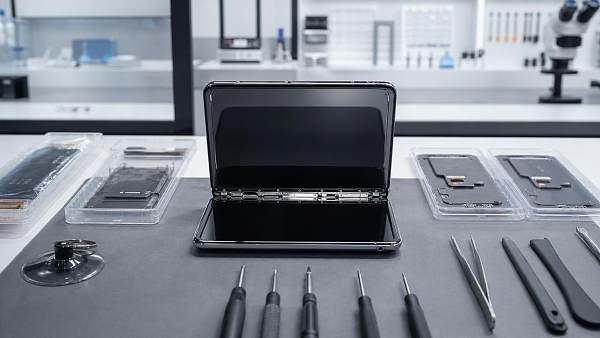
 Foldable screen technology keeps improving, yet repair costs remain a problemFoldable screen technology is getting stronger and smarter, but repair costs still worry buyers. Discover who should buy, key ownership risks, and how to choose wisely.
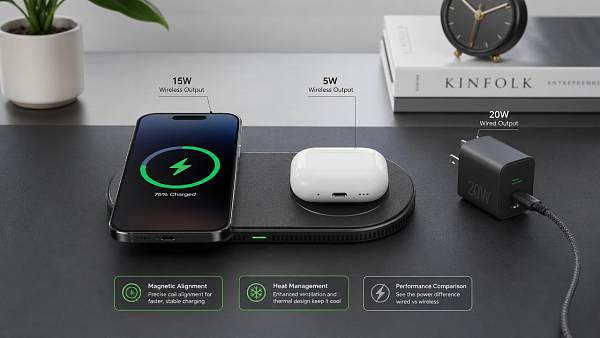
 Next-gen wireless charging sounds convenient, but how efficient is it?Next-gen wireless charging sounds effortless, but how efficient is it in real use? Explore heat, power loss, alignment, and the market factors shaping adoption.
![]() Wearable technology is improving fast, but comfort still decides adoptionWearable technology is evolving fast, but comfort still drives real adoption. Explore how design, fit, battery life, and daily usability shape the wearables consumers truly keep using.
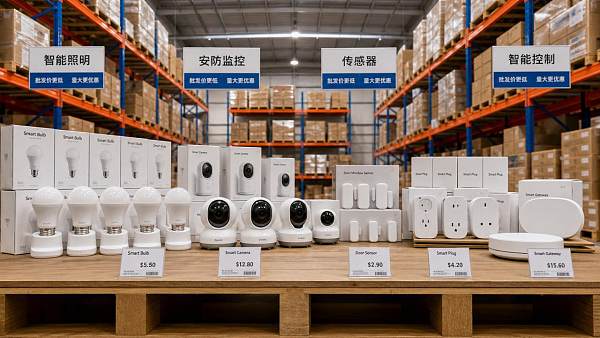
Wearable technology is improving fast, but comfort still decides adoptionWearable technology is evolving fast, but comfort still drives real adoption. Explore how design, fit, battery life, and daily usability shape the wearables consumers truly keep using. Smart home devices wholesale margins shrink faster than many expectSmart home devices wholesale margins are shrinking fast. Learn what causes profit erosion, which categories face price wars, and how distributors can protect growth and improve sourcing decisions.
 Agri-PV systems make sense only when land use goals are clearAgri-PV systems create business value only when land use goals are clearly defined. Discover how aligned energy, farming, and ESG priorities reduce risk and improve returns.
 Organic fertilizers vs synthetic inputs: where does the payoff change?Organic fertilizers vs synthetic inputs: discover where costs, compliance, soil health, and market premiums shift the payoff—and how to choose the smartest long-term strategy.
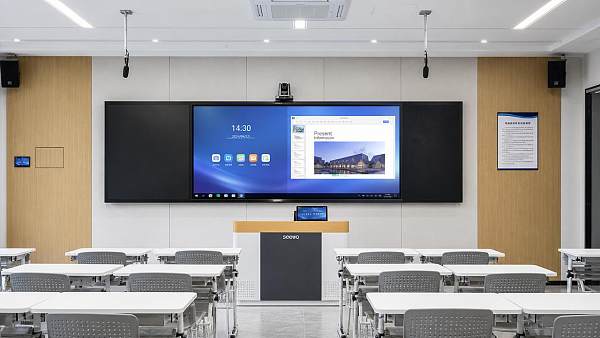
 Smart classroom solutions often underdeliver without teacher-side usabilitySmart classroom solutions often fail when teacher-side usability is ignored. Discover scenario-based insights to improve adoption, reduce friction, and maximize classroom ROI.









Popular Tags
Global Trade Insights & Industry
Our mission is to empower global exporters and importers with data-driven insights that foster strategic growth.
Search News
Popular Tags
Industry Overview
The global commercial kitchen equipment market is projected to reach $112 billion by 2027. Driven by urbanization, the rise of e-commerce food delivery, and strict hygiene regulations.