

Commercial LED lighting retrofits save money, but not at the same pace
Commercial LED lighting retrofits promise meaningful cost savings, but finance decision-makers know that payback timelines can vary widely by facility type, operating hours, utility rates, and upgrade scope. Understanding why some projects deliver faster returns than others is essential for smarter capital planning, risk control, and long-term efficiency gains.
Why scenario differences matter more than headline savings claims
For financial approvers, the biggest mistake in evaluating Commercial LED lighting is assuming that every retrofit follows the same economics. In practice, the savings profile of a warehouse operating 20 hours a day is very different from that of a low-occupancy office, a retail chain with strict brand presentation standards, or a school with seasonal usage patterns. The same technology may generate excellent returns in one facility and only moderate returns in another.
That is why Commercial LED lighting decisions should be reviewed through an application-based lens. Facility schedules, maintenance access, light quality requirements, rebate eligibility, and controls integration all affect total project value. A finance team that compares projects by scenario instead of by fixture cost alone is more likely to approve upgrades that improve cash flow, reduce risk, and support broader operating goals.
In many organizations, lighting is also tied to non-energy outcomes. Better visibility can improve worker productivity, consistent illumination can support retail conversion, and reduced maintenance can lower disruption in high-ceiling or hard-to-access sites. These benefits do not always appear in a basic payback calculation, yet they often determine whether a Commercial LED lighting retrofit is strategically attractive.
A quick comparison of common Commercial LED lighting scenarios
Before reviewing any proposal, finance approvers should first place the project into the right operating scenario. The table below highlights how common environments differ in expected return drivers and approval priorities.
Scenario 1: Warehouses and distribution centers usually see the fastest returns
Among the most attractive applications for Commercial LED lighting, warehouses and logistics centers often deliver strong returns because they combine large illuminated areas, long operating hours, and high-mounted fixtures that are expensive to maintain. Replacing metal halide or fluorescent high-bay systems with LED alternatives can sharply reduce electricity consumption while also cutting relamping labor and lift-equipment costs.
For finance teams, the case becomes even stronger when occupancy sensors or daylight harvesting are added in aisles, loading zones, or staging areas with variable traffic. In these facilities, controls can materially improve the savings curve, though their value depends on actual movement patterns rather than theoretical assumptions. A 24/7 distribution hub with intermittent zone use is a better controls candidate than a constantly active fulfillment floor.
However, fast payback should not lead to oversimplified approval. Light uniformity, glare reduction, temperature tolerance, and emergency lighting compatibility all matter. If poor fixture selection creates dark spots or operational complaints, the business case can erode through rework or lower user acceptance. In this scenario, Commercial LED lighting succeeds best when energy savings and operational reliability are validated together.
Scenario 2: Offices save money more slowly, but the business case can still be strong
Office retrofits often underperform warehouse projects on simple payback because usage hours are lower and existing fixture wattages may already be moderate. This does not mean Commercial LED lighting is a weak investment in offices. It means the approval model should be broader. In corporate environments, lighting influences visual comfort, meeting room usability, hybrid workplace flexibility, and employee perception of the workspace.
Finance approvers should examine whether the office portfolio includes outdated troffers, inconsistent light levels, or maintenance-heavy areas such as lobbies, corridors, and parking structures. If a retrofit also supports occupancy-based controls, after-hours shutoff, or floor-by-floor scheduling, savings may become more compelling. In multitenant buildings, better Commercial LED lighting can also support leasing appeal and building modernization goals.
The caution point is assuming all office areas should be upgraded the same way. Boardrooms, open-plan workspaces, restrooms, reception areas, and garages behave differently. A phased strategy may create better capital efficiency than a building-wide replacement. For many office projects, the smartest route is to prioritize zones where lighting quality complaints, maintenance cost, and runtime are all measurable.
Scenario 3: Retail environments require balancing savings with visual performance
Retailers often evaluate Commercial LED lighting through two lenses: operating expense reduction and customer experience. Unlike back-of-house facilities, the retail floor is revenue-facing. Color rendering, beam control, product highlighting, and consistency across locations can affect how merchandise is perceived. In apparel, cosmetics, jewelry, or food presentation settings, low-quality light can create hidden commercial risk.
That is why payback calculations in retail should include more than kilowatt-hour reductions. Stores with long opening hours can still generate meaningful energy savings, but the stronger business case may come from lower maintenance disruptions and more stable brand presentation across branches. For chains, standardized Commercial LED lighting specifications can also simplify procurement and support scalable remodeling programs.
Finance leaders should ask whether the proposal has been tested in a pilot store, whether illuminance targets differ by department, and whether dimming or accent lighting is essential. A retailer that treats all fixtures as interchangeable may save on upfront spend but lose in display quality. In this scenario, suitability depends on aligning the retrofit with merchandising strategy, not just utility savings.
Scenario 4: Manufacturing facilities benefit when safety and uptime are included in the analysis
Manufacturing sites are often strong candidates for Commercial LED lighting because they combine large areas, demanding tasks, and difficult maintenance access. In production halls, maintenance shutdowns are expensive, and fixture failure can affect both safety and output. LED systems can reduce lamp replacement frequency and improve visibility at workstations, walkways, and inspection points.
The scenario becomes more nuanced when environmental conditions are harsh. Heat, dust, vibration, moisture, and chemical exposure can shorten fixture life if the wrong specification is chosen. Finance approvers should therefore avoid proposals built only around nominal energy savings. Product durability, ingress protection, thermal management, and warranty credibility are just as important to lifecycle cost as wattage reduction.
This is one of the clearest examples where Commercial LED lighting may save money, but not at the same pace across plants. A clean assembly site may see a predictable return, while a heavy industrial facility may require premium fixtures with higher upfront costs and longer payback. Even so, if maintenance risk and production continuity are quantified properly, the investment may remain financially sound.
Scenario 5: Schools, hospitals, and public facilities often depend on funding structure
Institutional buildings present a different approval environment. Here, Commercial LED lighting decisions are often influenced by annual budgets, public procurement rules, and available incentives rather than by private-sector speed alone. Schools may have limited operating hours but large fixture counts. Hospitals may run continuously but require strict lighting performance by department. Municipal buildings may prioritize maintenance relief across aging portfolios.
In these settings, the best projects are usually those where lifecycle savings, maintenance reduction, and funding access intersect. Utility rebates, energy service contracts, and capital improvement programs can materially improve economics. Finance reviewers should also consider whether retrofits can be timed during holidays, shutdowns, or phased renovation windows to minimize operational disruption.
What looks like a slower-return Commercial LED lighting project on paper may become highly attractive once grant funding or avoided maintenance burden is included. The key is to model the real financing pathway, not just the engineering estimate.
How to judge whether your scenario is a fast, moderate, or cautious-fit case
A practical approval framework should classify projects by fit rather than by sales claims. The following scenario-based checklist helps finance teams identify where Commercial LED lighting is most likely to perform well.
- Fast-fit cases: long daily runtime, high existing wattage, expensive maintenance access, stable occupancy data, and strong rebate eligibility.
- Moderate-fit cases: average runtime, mixed fixture conditions, partial controls opportunity, and meaningful but not dramatic maintenance savings.
- Cautious-fit cases: low usage hours, recent prior upgrades, specialized visual requirements, uncertain occupancy assumptions, or high-spec fixture environments.
This approach keeps Commercial LED lighting decisions grounded in operational reality. It also helps compare multiple sites in a portfolio and prioritize the highest-return candidates first.
Common misjudgments that distort retrofit economics
Several recurring errors cause disappointment in Commercial LED lighting projects. The first is relying only on fixture replacement cost while ignoring installation complexity, controls commissioning, or disposal requirements. The second is using generic operating-hour assumptions that do not match actual schedules. The third is excluding maintenance and downtime savings in facilities where access is costly.
Another common issue is overestimating controls savings without occupancy data. Sensors and networked controls can be valuable, but only if the space actually has variable use patterns. A further mistake is underestimating visual-performance needs in customer-facing or task-critical areas. If a cheap product leads to complaints, reduced accuracy, or relighting work, the original payback case quickly weakens.
For finance approvers, the lesson is clear: Commercial LED lighting should be evaluated as a site-specific capital project, not as a commodity purchase. Good scenario matching protects return assumptions and improves confidence in approval decisions.
Questions financial approvers should ask before signing off
A practical path forward for portfolio-level decision making
For organizations managing multiple facilities, the smartest Commercial LED lighting strategy is rarely an all-at-once rollout. A scenario-based portfolio review can identify quick-win sites, moderate-return upgrades, and locations that require more analysis. This protects capital while building internal evidence for later phases.
Start with facilities that combine long hours, high maintenance burden, and outdated lighting systems. Next, review spaces where light quality affects revenue, safety, or staff experience. Finally, treat lower-runtime or specialized areas as conditional candidates that need stronger justification. This staged method allows finance teams to compare actual post-retrofit performance against modeled assumptions and refine future approvals.
For companies tracking international supply chain and industrial efficiency trends, disciplined evaluation of Commercial LED lighting also fits a larger digital and operational strategy. As industrial intelligence platforms such as GTIIN and TradeVantage continue to highlight facility modernization, exporters and importers can benefit from understanding which upgrade scenarios create the strongest trust, efficiency, and cost signals in competitive markets.
Conclusion: match the retrofit to the scenario, not the sales pitch
Commercial LED lighting can absolutely save money, but not at the same pace in every business environment. Warehouses may produce rapid returns, offices may justify investment through comfort and controls, retail may depend on merchandising value, manufacturing may hinge on uptime and safety, and institutional buildings may rise or fall based on funding structure. The right decision comes from matching the retrofit to the operating scenario.
If you are approving capital projects, begin with verified hours, maintenance burden, visual requirements, and rebate potential. Then compare candidate sites by scenario, not by vendor headline alone. That is the most reliable way to turn Commercial LED lighting into a disciplined investment rather than a generic efficiency purchase.
Recommended News
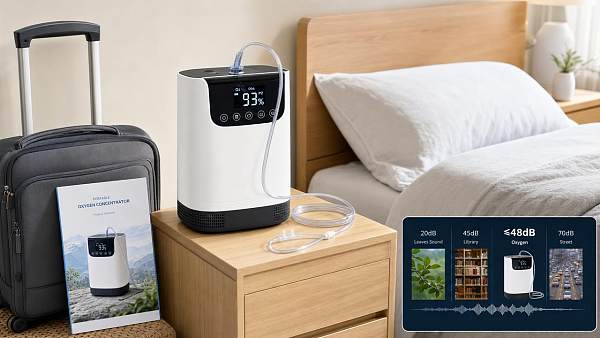
 Portable oxygen concentrators vary more in noise than spec sheets suggestPortable oxygen concentrators may share similar specs, yet real-world noise can vary widely. Learn what decibel ratings miss and choose a quieter, more comfortable model with confidence.
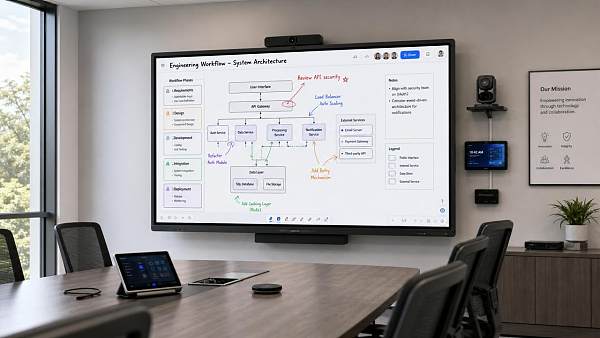
 Interactive whiteboards are easier to buy than to integrate wellInteractive whiteboards are easy to buy, but hard to integrate. Discover how to align workflows, IT, training, and ROI for smarter deployment.
![]() Medical diagnostic equipment upgrades should start with workflow bottlenecksMedical diagnostic equipment upgrades should start with workflow bottlenecks. Discover how targeted investments improve throughput, integration, ROI, and diagnostic efficiency.
Medical diagnostic equipment upgrades should start with workflow bottlenecksMedical diagnostic equipment upgrades should start with workflow bottlenecks. Discover how targeted investments improve throughput, integration, ROI, and diagnostic efficiency.![]() Eco-friendly building materials can raise budgets before they lower themEco-friendly building materials may raise upfront budgets, but they can cut long-term costs, improve compliance, and strengthen asset value. Learn when the premium truly pays off.
Eco-friendly building materials can raise budgets before they lower themEco-friendly building materials may raise upfront budgets, but they can cut long-term costs, improve compliance, and strengthen asset value. Learn when the premium truly pays off. Ergonomic workspace design fixes discomfort, but not every layout problemErgonomic workspace design improves comfort, focus, and buying decisions—but not every layout issue. Learn what upgrades work, what room limits remain, and how to choose smarter.
![]() Outdoor garden supplies demand shifts earlier than many sellers plan forOutdoor garden supplies demand is starting earlier than many sellers expect. Learn what drives the shift and how distributors, wholesalers, and agents can plan smarter to win more sales.
Outdoor garden supplies demand shifts earlier than many sellers plan forOutdoor garden supplies demand is starting earlier than many sellers expect. Learn what drives the shift and how distributors, wholesalers, and agents can plan smarter to win more sales. Sustainable home decor sells better when materials are easy to verifySustainable home decor sells better when material claims are easy to verify. Discover how traceable data, certifications, and clear sourcing build trust and boost B2B sales.
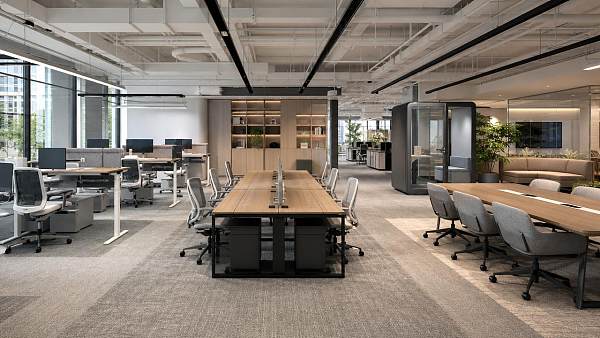
 Modern office furniture trends are changing around hybrid work needsModern office furniture trends are redefining hybrid workplaces with flexible layouts, ergonomic design, and smart tech integration. Discover what drives demand and smarter buying decisions.
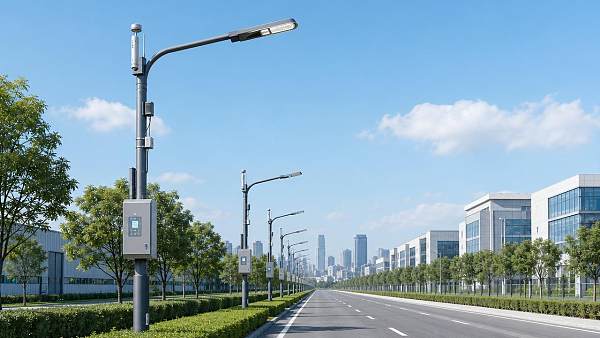
 Smart street lighting projects often miss the maintenance sideSmart street lighting projects often overlook maintenance. Learn how diagnostics, spare parts, and scenario-based support improve reliability, reduce downtime, and protect long-term value.
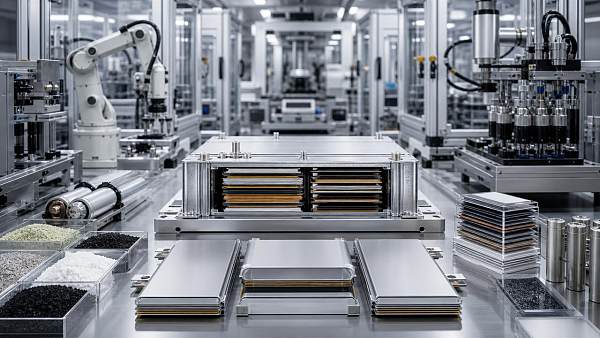
 Solid-state battery breakthroughs are real, but mass rollout is still difficultSolid-state battery breakthroughs are real, but scaling remains difficult. Explore what’s driving progress, what blocks mass rollout, and where commercialization may happen first.
![]() Commercial LED lighting retrofits save money, but not at the same paceCommercial LED lighting can cut costs, but payback varies by warehouse, office, retail, and industrial scenario. Discover how to identify the fastest-return retrofit opportunities.
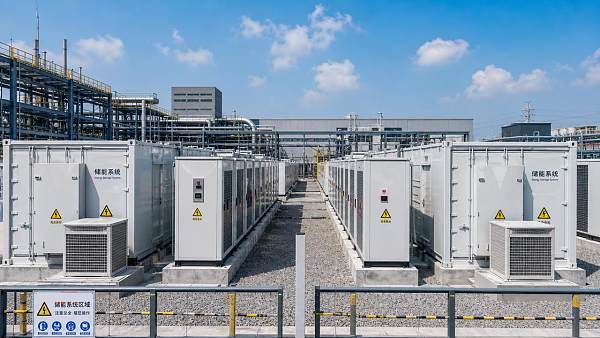
Commercial LED lighting retrofits save money, but not at the same paceCommercial LED lighting can cut costs, but payback varies by warehouse, office, retail, and industrial scenario. Discover how to identify the fastest-return retrofit opportunities. Lithium battery storage projects fail early when thermal planning is weakLithium battery storage projects fail early when thermal planning is weak. Learn the key checks to improve safety, uptime, compliance, and long-term project returns.
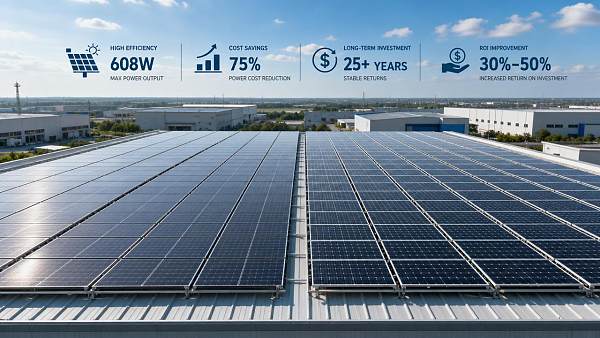
 Photovoltaic solar panels: when higher efficiency is not the better dealPhotovoltaic solar panels are not always best when efficiency is highest. Discover how lifecycle cost, payback, and site conditions can deliver smarter ROI and better sourcing decisions.
 Plant-based protein processing depends more on texture than many expectPlant-based protein processing relies heavily on texture to improve quality, control risk, and boost consistency. Learn how better texture management strengthens compliance and competitiveness.
 Foldable screen technology keeps improving, yet repair costs remain a problemFoldable screen technology is getting stronger and smarter, but repair costs still worry buyers. Discover who should buy, key ownership risks, and how to choose wisely.
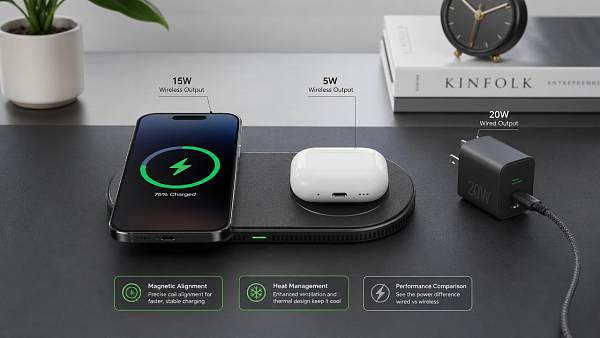
 Next-gen wireless charging sounds convenient, but how efficient is it?Next-gen wireless charging sounds effortless, but how efficient is it in real use? Explore heat, power loss, alignment, and the market factors shaping adoption.
![]() Wearable technology is improving fast, but comfort still decides adoptionWearable technology is evolving fast, but comfort still drives real adoption. Explore how design, fit, battery life, and daily usability shape the wearables consumers truly keep using.
Wearable technology is improving fast, but comfort still decides adoptionWearable technology is evolving fast, but comfort still drives real adoption. Explore how design, fit, battery life, and daily usability shape the wearables consumers truly keep using. Smart home devices wholesale margins shrink faster than many expectSmart home devices wholesale margins are shrinking fast. Learn what causes profit erosion, which categories face price wars, and how distributors can protect growth and improve sourcing decisions.
 Agri-PV systems make sense only when land use goals are clearAgri-PV systems create business value only when land use goals are clearly defined. Discover how aligned energy, farming, and ESG priorities reduce risk and improve returns.
 Organic fertilizers vs synthetic inputs: where does the payoff change?Organic fertilizers vs synthetic inputs: discover where costs, compliance, soil health, and market premiums shift the payoff—and how to choose the smartest long-term strategy.
 Smart classroom solutions often underdeliver without teacher-side usabilitySmart classroom solutions often fail when teacher-side usability is ignored. Discover scenario-based insights to improve adoption, reduce friction, and maximize classroom ROI.







Popular Tags
Global Trade Insights & Industry
Our mission is to empower global exporters and importers with data-driven insights that foster strategic growth.
Search News
Popular Tags
Industry Overview
The global commercial kitchen equipment market is projected to reach $112 billion by 2027. Driven by urbanization, the rise of e-commerce food delivery, and strict hygiene regulations.