

Modern office furniture trends are changing around hybrid work needs
Modern office furniture is evolving fast as hybrid work reshapes how companies design, furnish, and manage their spaces. From flexible layouts and ergonomic solutions to technology-integrated desks and collaborative zones, these trends reflect changing employee expectations and business priorities. For information researchers, understanding what is driving this shift offers valuable insight into workplace strategy, supplier innovation, and broader commercial demand.
Why a checklist approach is the smartest way to assess Modern office furniture trends
When hybrid work becomes the operating model rather than a temporary exception, office design decisions can no longer be judged by appearance alone. Information researchers need a faster way to identify which Modern office furniture trends are durable, which are marketing claims, and which signals point to real commercial demand. A checklist-based method helps filter noise and compare suppliers, workplace strategies, and regional priorities using practical criteria.
This matters across the broader trade and industrial ecosystem. For exporters, manufacturers, distributors, and B2B intelligence platforms such as GTIIN and TradeVantage, demand for Modern office furniture is linked not only to design taste but also to labor policies, occupancy rates, ESG targets, wellness goals, and digital infrastructure. Researchers who study these trends through structured checkpoints are more likely to identify investable categories, content opportunities, and reliable sourcing directions.
Start here: the first signals you should verify before drawing conclusions
Before reviewing product catalogs or trend reports, confirm the business context behind the shift. Hybrid work affects space planning in different ways depending on how often teams return to the office, what kind of work happens on-site, and how companies balance real estate costs against employee experience. The strongest research starts with these priority checks:
- Determine occupancy patterns: Is the office used daily, on anchor collaboration days, or mainly for client-facing functions? This shapes demand for fixed desks versus adaptable furniture systems.
- Identify space purpose: Focus work, team meetings, social connection, project work, and quiet concentration each require different Modern office furniture configurations.
- Check decision drivers: Some buyers prioritize employee retention and wellness, while others focus on space efficiency, modularity, or lower lifecycle costs.
- Verify technology integration needs: Power access, cable routing, booking systems, acoustic pods, and video meeting compatibility are now central rather than optional.
- Review sustainability requirements: Certifications, recycled content, repairability, and low-emission materials increasingly influence procurement standards.
If these fundamentals are unclear, any interpretation of Modern office furniture demand may become distorted. A workstation trend in one market may actually reflect occupancy reduction, while in another region it may reflect a wellness-led redesign.
Core checklist: how to judge whether a Modern office furniture trend is commercially meaningful
Not every visible trend deserves equal attention. Researchers should evaluate Modern office furniture through business relevance, repeatability, and procurement logic. The following checklist offers a practical screening standard.
1. Flexibility and reconfiguration value
One of the most important trend markers is whether furniture supports quick layout changes. Hybrid workplaces need spaces that can shift between individual work, small group collaboration, and larger team gatherings without major downtime. Modular desks, mobile storage, foldable tables, and movable partitions are not just design features; they represent operational adaptability.
2. Ergonomic performance rather than visual branding
Ergonomics remains central because companies want office attendance to feel better than working from home. Height-adjustable desks, task chairs with advanced lumbar support, monitor arms, and posture-friendly accessories all reflect this priority. A key research question is whether ergonomic claims are supported by measurable standards, user adoption, and premium pricing power.
3. Technology readiness
Modern office furniture increasingly functions as workplace infrastructure. Desks with built-in charging, meeting tables designed for video collaboration, cable management systems, and occupancy-enabled furniture all indicate a closer link between furniture and digital workflow. Researchers should track whether such features are becoming standard in mainstream procurement or remaining confined to high-end projects.
4. Support for collaboration and privacy
Hybrid work creates a paradox: offices must encourage interaction while also offering focus zones. This has fueled demand for lounge-based collaboration settings, semi-private booths, acoustic pods, and zoning solutions. When analyzing Modern office furniture, it is useful to ask whether a product line supports multiple work modes within the same floorplate.
5. Sustainability and lifecycle economics
Procurement teams increasingly compare environmental impact alongside initial cost. Furniture that can be repaired, reupholstered, disassembled, or recycled often has stronger long-term appeal. Researchers should examine certifications, supply chain traceability, embodied carbon positioning, and warranty terms to understand how sustainability is being commercialized in the Modern office furniture market.
Quick comparison table for trend evaluation
The table below helps information researchers compare trend categories by what they signal about market direction and buyer intent.
What to check in different workplace scenarios
Modern office furniture trends do not carry the same weight in every setting. A useful research method is to segment demand by workplace type and user behavior.
For headquarters and corporate campuses
Prioritize collaboration zones, visitor-facing spaces, executive meeting areas, and brand-consistent furnishings. In these settings, Modern office furniture often serves a dual role: operational function and corporate identity. Researchers should study premium finishes, integrated technology, and high durability under heavy use.
For regional offices and flexible branches
Look for furniture systems that can scale up or down with fluctuating attendance. Stackable seating, shared desks, mobile partitions, and compact storage become more relevant. Here, the strongest trend signal is cost-effective adaptability rather than iconic design.
For coworking and managed workspace providers
Pay close attention to furniture durability, multi-user ergonomics, easy maintenance, and fast replacement logistics. Modern office furniture in this segment must support high churn, brand consistency, and broad user preferences. Products that combine resilience with visual versatility often perform best.
For small and medium-sized enterprises
The main buying questions are usually budget efficiency, delivery speed, and all-in-one solutions. Researchers should note whether suppliers offer bundled packages, phased installation, or simplified specification options. In this segment, practical value often outweighs trend-led experimentation.
Common blind spots that can weaken your research
Even strong market reviews can miss hidden variables. When studying Modern office furniture, keep these risk reminders in view:
- Confusing showroom visibility with actual order volume. Eye-catching products may generate attention but not scalable demand.
- Ignoring regional procurement standards. Fire safety, emissions, workplace regulations, and certification expectations vary across markets.
- Overlooking after-sales factors. Installation support, spare parts, maintenance, and warranties strongly influence repeat business.
- Treating hybrid work as a single global model. Attendance patterns differ by industry, geography, management culture, and commuting realities.
- Underestimating acoustics and privacy. Many workplaces redesign for collaboration but fail to address noise and concentration needs.
Execution guide: how businesses should prepare before acting on these trends
For companies that want to move from observation to implementation, the best next step is structured information gathering. Whether the goal is sourcing, content strategy, export positioning, or workplace planning, a disciplined preparation process improves decision quality.
- Map user needs by work mode: individual focus, scheduled collaboration, video meetings, informal interactions, and quiet calls.
- Collect space data: occupancy trends, underused zones, circulation patterns, and bottlenecks in current layouts.
- Define procurement priorities: ergonomics, sustainability, price, speed, modularity, brand image, or technology integration.
- Request comparable supplier information: specifications, certifications, lead times, project references, and lifecycle support details.
- Test pilot areas before full rollout: hybrid work patterns often change once teams begin using redesigned spaces.
This is also where B2B intelligence platforms create value. GTIIN and TradeVantage help researchers and trade-focused businesses track supplier developments, sector-level movement, and evolving market narratives with greater speed. In a category like Modern office furniture, where design, technology, and workplace policy intersect, timely intelligence can reveal which trends are maturing into real procurement behavior.
FAQ: practical questions information researchers often ask
Which Modern office furniture trend deserves the closest attention right now?
Flexible and modular systems deserve early attention because they connect directly to hybrid uncertainty. Companies want furniture that reduces the risk of future layout changes while supporting multiple work styles.
How can I tell whether a trend is strategic or temporary?
Look for repeated adoption across sectors, integration into procurement standards, and clear links to business outcomes such as space efficiency, employee well-being, or technology readiness. Strategic Modern office furniture trends solve operational problems, not just aesthetic ones.
What data should be collected before contacting suppliers?
Prepare occupancy assumptions, layout goals, budget range, required certifications, technology expectations, delivery timeline, and the ratio between individual and collaborative space. These inputs make supplier comparisons far more useful.
Final checklist for next-step action
To understand where Modern office furniture is heading, researchers should focus on function before style, use patterns before trend language, and lifecycle value before short-term novelty. The most reliable signals come from flexibility, ergonomics, digital compatibility, acoustic performance, and sustainability. If your organization needs to go further, the best starting questions are practical ones: Which work modes must the space support? Which product specifications are non-negotiable? What certifications, lead times, budgets, and after-sales commitments are required? And which suppliers can prove real-world performance rather than simply present attractive concepts?
Answering those questions early will make any review of Modern office furniture trends more precise, more comparable, and more valuable for strategic business decisions.
Recommended News
 Portable oxygen concentrators vary more in noise than spec sheets suggestPortable oxygen concentrators may share similar specs, yet real-world noise can vary widely. Learn what decibel ratings miss and choose a quieter, more comfortable model with confidence.
 Interactive whiteboards are easier to buy than to integrate wellInteractive whiteboards are easy to buy, but hard to integrate. Discover how to align workflows, IT, training, and ROI for smarter deployment.
![]() Medical diagnostic equipment upgrades should start with workflow bottlenecksMedical diagnostic equipment upgrades should start with workflow bottlenecks. Discover how targeted investments improve throughput, integration, ROI, and diagnostic efficiency.
Medical diagnostic equipment upgrades should start with workflow bottlenecksMedical diagnostic equipment upgrades should start with workflow bottlenecks. Discover how targeted investments improve throughput, integration, ROI, and diagnostic efficiency.![]() Eco-friendly building materials can raise budgets before they lower themEco-friendly building materials may raise upfront budgets, but they can cut long-term costs, improve compliance, and strengthen asset value. Learn when the premium truly pays off.
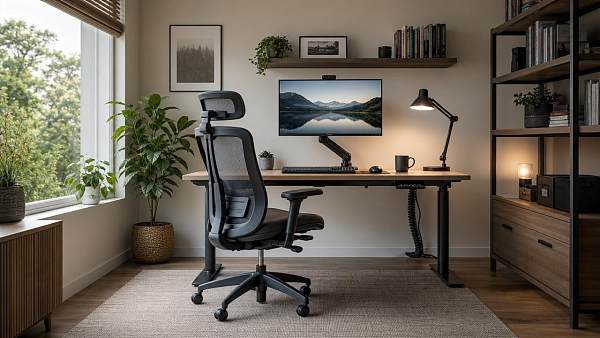
Eco-friendly building materials can raise budgets before they lower themEco-friendly building materials may raise upfront budgets, but they can cut long-term costs, improve compliance, and strengthen asset value. Learn when the premium truly pays off. Ergonomic workspace design fixes discomfort, but not every layout problemErgonomic workspace design improves comfort, focus, and buying decisions—but not every layout issue. Learn what upgrades work, what room limits remain, and how to choose smarter.
![]() Outdoor garden supplies demand shifts earlier than many sellers plan forOutdoor garden supplies demand is starting earlier than many sellers expect. Learn what drives the shift and how distributors, wholesalers, and agents can plan smarter to win more sales.
Outdoor garden supplies demand shifts earlier than many sellers plan forOutdoor garden supplies demand is starting earlier than many sellers expect. Learn what drives the shift and how distributors, wholesalers, and agents can plan smarter to win more sales. Sustainable home decor sells better when materials are easy to verifySustainable home decor sells better when material claims are easy to verify. Discover how traceable data, certifications, and clear sourcing build trust and boost B2B sales.
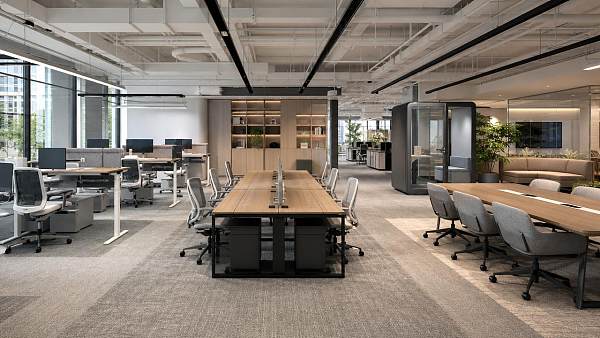
 Modern office furniture trends are changing around hybrid work needsModern office furniture trends are redefining hybrid workplaces with flexible layouts, ergonomic design, and smart tech integration. Discover what drives demand and smarter buying decisions.
 Smart street lighting projects often miss the maintenance sideSmart street lighting projects often overlook maintenance. Learn how diagnostics, spare parts, and scenario-based support improve reliability, reduce downtime, and protect long-term value.
 Solid-state battery breakthroughs are real, but mass rollout is still difficultSolid-state battery breakthroughs are real, but scaling remains difficult. Explore what’s driving progress, what blocks mass rollout, and where commercialization may happen first.
![]() Commercial LED lighting retrofits save money, but not at the same paceCommercial LED lighting can cut costs, but payback varies by warehouse, office, retail, and industrial scenario. Discover how to identify the fastest-return retrofit opportunities.
Commercial LED lighting retrofits save money, but not at the same paceCommercial LED lighting can cut costs, but payback varies by warehouse, office, retail, and industrial scenario. Discover how to identify the fastest-return retrofit opportunities. Lithium battery storage projects fail early when thermal planning is weakLithium battery storage projects fail early when thermal planning is weak. Learn the key checks to improve safety, uptime, compliance, and long-term project returns.
 Photovoltaic solar panels: when higher efficiency is not the better dealPhotovoltaic solar panels are not always best when efficiency is highest. Discover how lifecycle cost, payback, and site conditions can deliver smarter ROI and better sourcing decisions.
 Plant-based protein processing depends more on texture than many expectPlant-based protein processing relies heavily on texture to improve quality, control risk, and boost consistency. Learn how better texture management strengthens compliance and competitiveness.
 Foldable screen technology keeps improving, yet repair costs remain a problemFoldable screen technology is getting stronger and smarter, but repair costs still worry buyers. Discover who should buy, key ownership risks, and how to choose wisely.
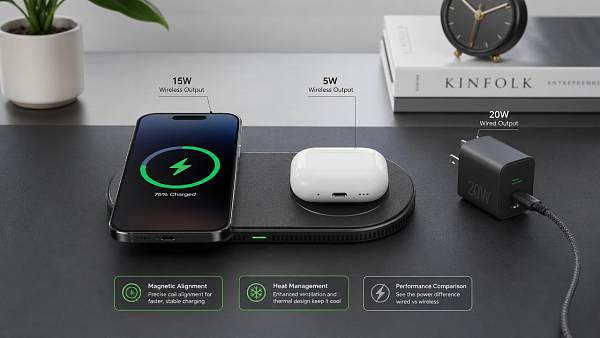
 Next-gen wireless charging sounds convenient, but how efficient is it?Next-gen wireless charging sounds effortless, but how efficient is it in real use? Explore heat, power loss, alignment, and the market factors shaping adoption.
![]() Wearable technology is improving fast, but comfort still decides adoptionWearable technology is evolving fast, but comfort still drives real adoption. Explore how design, fit, battery life, and daily usability shape the wearables consumers truly keep using.
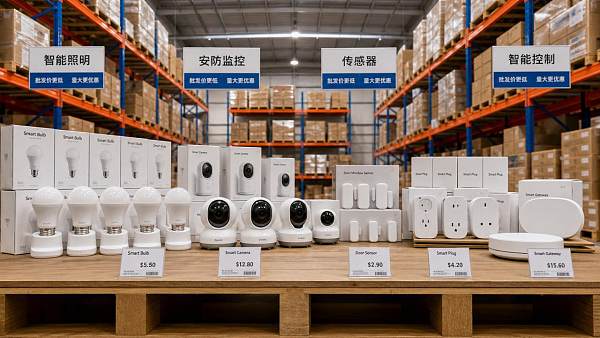
Wearable technology is improving fast, but comfort still decides adoptionWearable technology is evolving fast, but comfort still drives real adoption. Explore how design, fit, battery life, and daily usability shape the wearables consumers truly keep using. Smart home devices wholesale margins shrink faster than many expectSmart home devices wholesale margins are shrinking fast. Learn what causes profit erosion, which categories face price wars, and how distributors can protect growth and improve sourcing decisions.
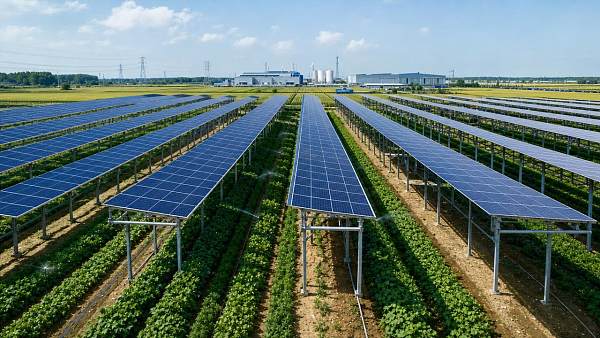
 Agri-PV systems make sense only when land use goals are clearAgri-PV systems create business value only when land use goals are clearly defined. Discover how aligned energy, farming, and ESG priorities reduce risk and improve returns.
 Organic fertilizers vs synthetic inputs: where does the payoff change?Organic fertilizers vs synthetic inputs: discover where costs, compliance, soil health, and market premiums shift the payoff—and how to choose the smartest long-term strategy.
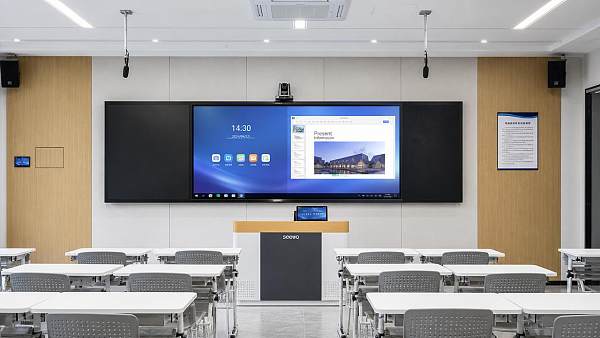
 Smart classroom solutions often underdeliver without teacher-side usabilitySmart classroom solutions often fail when teacher-side usability is ignored. Discover scenario-based insights to improve adoption, reduce friction, and maximize classroom ROI.





Popular Tags
Global Trade Insights & Industry
Our mission is to empower global exporters and importers with data-driven insights that foster strategic growth.
Search News
Popular Tags
Industry Overview
The global commercial kitchen equipment market is projected to reach $112 billion by 2027. Driven by urbanization, the rise of e-commerce food delivery, and strict hygiene regulations.