

Outdoor garden supplies demand shifts earlier than many sellers plan for
Outdoor garden supplies demand is starting earlier than many sellers expect, creating both risk and opportunity for distributors, wholesalers, and agents. As seasonal buying patterns shift, businesses that adjust inventory, sourcing, and market timing in advance can capture stronger margins and avoid missed sales. This article explores what is driving the change and how trade-focused companies can respond with smarter planning.
Why earlier demand matters across different business scenarios
For many channel partners, the timing shift in Outdoor garden supplies is no longer a small seasonal variation. It directly affects replenishment schedules, cash-flow planning, lead-time risk, campaign timing, and customer retention. A distributor serving regional hardware stores faces a different challenge from an agent supplying e-commerce private-label brands, yet both are exposed when end-market demand starts earlier than their planning calendar.
This matters because seasonal products do not simply sell more or less; they sell differently depending on climate, retail format, geography, and customer type. In one scenario, an early spring can bring faster sell-through of hoses, planters, hand tools, and lawn accessories. In another, pre-season promotion by large retailers can pull demand forward even when weather stays unstable. For wholesalers and agents, the real question is not whether Outdoor garden supplies will move earlier, but which customer scenarios require faster decisions and which can still tolerate standard lead times.
For B2B buyers and channel intermediaries, the shift is also strategic. Earlier demand often means tighter manufacturing slots, higher freight volatility, and stronger competition for fast-moving SKUs. Companies that understand scenario-specific demand signals can place orders with better confidence, protect margins, and avoid carrying the wrong inventory into peak season.
What is pushing Outdoor garden supplies demand forward
Several forces are moving Outdoor garden supplies demand earlier in the year. The first is climate inconsistency. In many markets, warm spells arrive earlier, even if the full season remains unpredictable. Retail buyers do not want to miss that first wave of consumer spending, so they front-load orders and promotional calendars.
The second factor is digital retail behavior. Consumers and small commercial buyers now search, compare, and purchase garden items weeks before traditional store resets. Search demand for landscaping tools, outdoor storage, patio accessories, irrigation parts, and planting supplies often rises before physical displays are fully built. That creates a pull effect through the supply chain.
Third, large-format retailers and marketplace sellers increasingly use early promotions to secure share before competitors react. Once one major player moves up its selling window, distributors and agents further down the channel are forced to adjust. Fourth, supply chain uncertainty encourages earlier procurement. Buyers prefer to lock in production and shipping before congestion, raw material fluctuation, or labor constraints affect availability.
For TradeVantage readers operating in global sourcing and distribution, these shifts show why data-led timing is now a competitive tool. Companies that monitor cross-market signals can react earlier than those still relying on last year’s shipment calendar.
Typical demand scenarios for Outdoor garden supplies
The demand shift does not look the same in every business model. The table below highlights common scenarios where Outdoor garden supplies timing changes can have different commercial effects.
Scenario breakdown: what different buyers actually care about
1. Distributors serving independent retailers
In this scenario, Outdoor garden supplies demand often shifts earlier because local retailers want product in-store before consumers begin weekend outdoor projects. The top concern is availability of proven sellers rather than broad assortment depth. Items such as watering tools, pruning accessories, seed-starting products, gloves, and outdoor cleaning items may move earlier than decorative or premium lines.
The best fit strategy is to identify an “early core” assortment. Distributors should pre-book stable-volume SKUs, reduce dependence on just-in-time replenishment for top movers, and maintain flexible reorder options for weather-sensitive categories. If the customer base is spread across several microclimates, inventory segmentation becomes even more important.
2. Wholesalers supplying chain retail and DIY channels
For chain accounts, earlier Outdoor garden supplies demand is usually tied to merchandising schedules rather than only weather. Shelf plans, circular ads, online merchandising, and promotional compliance all start earlier. A wholesaler may lose the opportunity entirely if product readiness does not align with category review cycles.
Here, the decision focus shifts from simple inventory to execution reliability. Packaging readiness, barcode accuracy, labeling compliance, and on-time delivery become as important as price. Sellers in this scenario should monitor customer planning windows at least one cycle ahead and prepare alternate SKUs in case supplier lead times extend unexpectedly.
3. Agents working with cross-border e-commerce brands
This is one of the fastest-moving scenarios. Outdoor garden supplies demand often appears earlier online because search behavior starts before offline store traffic. Consumers may research compact planters, balcony gardening kits, solar garden accessories, or lawn maintenance tools while weather is still changing. Brands that wait for confirmed offline movement may arrive late to the digital sales window.
Agents supporting these accounts need to combine sourcing visibility with search trend awareness. The best judgment signals include ad cost movement, keyword growth, marketplace rank shifts, and warehouse inbound cutoffs. In this scenario, smaller but earlier orders can outperform larger late-season orders.
4. Supply partners focused on commercial landscaping buyers
Commercial buyers care less about impulse demand and more about service schedules. Outdoor garden supplies demand may move earlier when municipalities, property managers, hotels, and business parks begin maintenance planning sooner. Bulk irrigation parts, edging systems, durable tools, and site-cleanup supplies can become urgent well before retail peaks.
The right approach in this scenario is contract visibility. Suppliers and agents should ask whether their customers are winning earlier tenders, extending service contracts, or standardizing preferred product lists. If so, securing production capacity may matter more than broad inventory depth.
How demand priorities differ by scenario
Even when all customers buy Outdoor garden supplies, their priorities are not the same. That is why sellers who treat the market as one seasonal block often misread demand.
Practical adaptation strategies for distributors, wholesalers, and agents
To respond well, businesses need more than a general sense that Outdoor garden supplies are moving earlier. They need scenario-specific operating rules.
First, separate products into timing tiers. Some categories are true early movers, some follow normal seasonality, and some remain event-driven. This helps avoid overbuying slow decorative lines while still protecting stock in essential functional products.
Second, align sourcing with customer type. A broad wholesaler may need mixed lead-time strategies: committed factory capacity for top-volume SKUs, flexible secondary sourcing for medium-demand items, and low-risk replenishment for experimental lines. Agents should map supply partners by speed, reliability, and category strength instead of using one vendor logic across all accounts.
Third, bring sales and purchasing calendars closer together. In many companies, procurement still follows old seasonal assumptions while sales teams see demand signals much earlier. Shared forecasting, weekly pipeline reviews, and customer-level timing dashboards can reduce this gap.
Fourth, use market intelligence beyond internal sales history. Because GTIIN and TradeVantage focus on real-time industry shifts, this is where external data adds value: regional weather trends, search interest, retail promotions, freight conditions, and upstream manufacturing updates all help refine timing decisions for Outdoor garden supplies.
Common misjudgments when evaluating early demand
One common mistake is assuming all early demand is permanent demand. Sometimes orders move forward, but total season volume stays flat. Sellers should distinguish between pull-forward timing and actual category expansion.
Another error is reading one market as representative of all markets. Outdoor garden supplies can move earlier in southern regions, urban e-commerce channels, or promotion-heavy retail accounts while remaining normal elsewhere. Without segmentation, companies either overreact or underprepare.
A third problem is treating every SKU equally. Earlier demand usually concentrates in products linked to immediate outdoor readiness: cleaning, watering, trimming, planting basics, and seasonal upkeep. Premium décor or specialty items may still follow a later curve. This is why SKU-level planning matters.
Finally, some sellers wait for confirmed reorder volume before adjusting. By then, supplier capacity may be constrained and shipping options more expensive. In fast-moving scenarios, a controlled early commitment often carries less risk than delayed certainty.
FAQ for channel partners tracking Outdoor garden supplies
How early should planning start?
For most channels, planning for Outdoor garden supplies should begin one selling cycle earlier than the historical norm, especially for high-turn functional categories and accounts with fixed promotional windows.
Which businesses are most exposed to timing risk?
Distributors tied to independent retailers, wholesalers serving chain resets, and agents managing e-commerce accounts are especially exposed because they depend on early visibility and quick replenishment.
Should companies expand assortment or deepen core inventory?
In most cases, deepen core inventory first. When Outdoor garden supplies demand shifts earlier, availability of essential SKUs usually creates more value than adding broad but uncertain assortment.
What data should guide decisions?
Use customer booking patterns, regional weather signals, online search trends, freight lead times, supplier capacity updates, and account-specific promotion calendars. Combined, these indicators produce a more accurate timing picture than past sales alone.
Turning timing shifts into a competitive advantage
The early movement in Outdoor garden supplies is not just a seasonal curiosity. It is a scenario-driven planning challenge that rewards businesses able to match inventory, sourcing, and selling actions to the right customer environment. Distributors, wholesalers, and agents should not ask only whether the market is early. They should ask which accounts are early, which products are early, and which operational decisions must move first.
For trade-focused companies, the strongest response is disciplined segmentation: separate channels, map product timing, verify supplier readiness, and use external market intelligence to support faster judgment. Businesses that do this well can protect service levels, preserve margin, and strengthen long-term account trust. If your company wants to refine its Outdoor garden supplies timing strategy, the next step is to review your current customer scenarios and compare them against live market signals rather than last season’s assumptions.
Recommended News
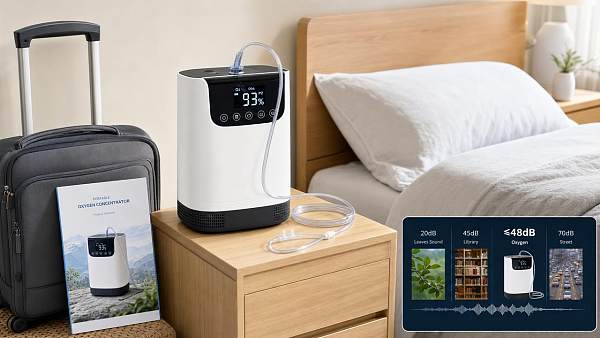
 Portable oxygen concentrators vary more in noise than spec sheets suggestPortable oxygen concentrators may share similar specs, yet real-world noise can vary widely. Learn what decibel ratings miss and choose a quieter, more comfortable model with confidence.
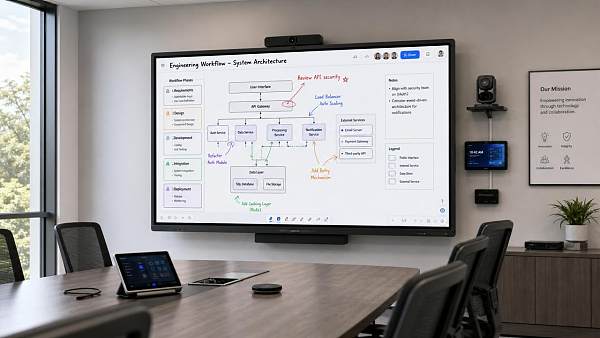
 Interactive whiteboards are easier to buy than to integrate wellInteractive whiteboards are easy to buy, but hard to integrate. Discover how to align workflows, IT, training, and ROI for smarter deployment.
![]() Medical diagnostic equipment upgrades should start with workflow bottlenecksMedical diagnostic equipment upgrades should start with workflow bottlenecks. Discover how targeted investments improve throughput, integration, ROI, and diagnostic efficiency.
Medical diagnostic equipment upgrades should start with workflow bottlenecksMedical diagnostic equipment upgrades should start with workflow bottlenecks. Discover how targeted investments improve throughput, integration, ROI, and diagnostic efficiency.![]() Eco-friendly building materials can raise budgets before they lower themEco-friendly building materials may raise upfront budgets, but they can cut long-term costs, improve compliance, and strengthen asset value. Learn when the premium truly pays off.
Eco-friendly building materials can raise budgets before they lower themEco-friendly building materials may raise upfront budgets, but they can cut long-term costs, improve compliance, and strengthen asset value. Learn when the premium truly pays off. Ergonomic workspace design fixes discomfort, but not every layout problemErgonomic workspace design improves comfort, focus, and buying decisions—but not every layout issue. Learn what upgrades work, what room limits remain, and how to choose smarter.
![]() Outdoor garden supplies demand shifts earlier than many sellers plan forOutdoor garden supplies demand is starting earlier than many sellers expect. Learn what drives the shift and how distributors, wholesalers, and agents can plan smarter to win more sales.
Outdoor garden supplies demand shifts earlier than many sellers plan forOutdoor garden supplies demand is starting earlier than many sellers expect. Learn what drives the shift and how distributors, wholesalers, and agents can plan smarter to win more sales. Sustainable home decor sells better when materials are easy to verifySustainable home decor sells better when material claims are easy to verify. Discover how traceable data, certifications, and clear sourcing build trust and boost B2B sales.
 Modern office furniture trends are changing around hybrid work needsModern office furniture trends are redefining hybrid workplaces with flexible layouts, ergonomic design, and smart tech integration. Discover what drives demand and smarter buying decisions.
 Smart street lighting projects often miss the maintenance sideSmart street lighting projects often overlook maintenance. Learn how diagnostics, spare parts, and scenario-based support improve reliability, reduce downtime, and protect long-term value.
 Solid-state battery breakthroughs are real, but mass rollout is still difficultSolid-state battery breakthroughs are real, but scaling remains difficult. Explore what’s driving progress, what blocks mass rollout, and where commercialization may happen first.
![]() Commercial LED lighting retrofits save money, but not at the same paceCommercial LED lighting can cut costs, but payback varies by warehouse, office, retail, and industrial scenario. Discover how to identify the fastest-return retrofit opportunities.
Commercial LED lighting retrofits save money, but not at the same paceCommercial LED lighting can cut costs, but payback varies by warehouse, office, retail, and industrial scenario. Discover how to identify the fastest-return retrofit opportunities. Lithium battery storage projects fail early when thermal planning is weakLithium battery storage projects fail early when thermal planning is weak. Learn the key checks to improve safety, uptime, compliance, and long-term project returns.
 Photovoltaic solar panels: when higher efficiency is not the better dealPhotovoltaic solar panels are not always best when efficiency is highest. Discover how lifecycle cost, payback, and site conditions can deliver smarter ROI and better sourcing decisions.
 Plant-based protein processing depends more on texture than many expectPlant-based protein processing relies heavily on texture to improve quality, control risk, and boost consistency. Learn how better texture management strengthens compliance and competitiveness.
 Foldable screen technology keeps improving, yet repair costs remain a problemFoldable screen technology is getting stronger and smarter, but repair costs still worry buyers. Discover who should buy, key ownership risks, and how to choose wisely.
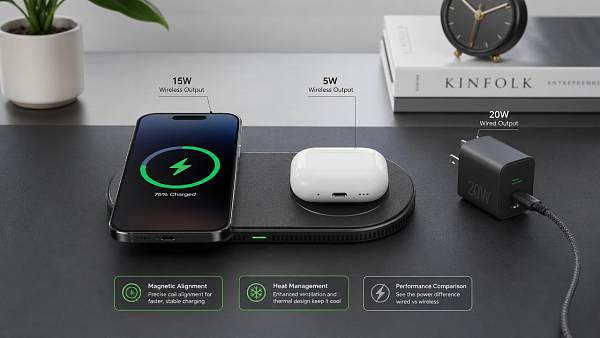
 Next-gen wireless charging sounds convenient, but how efficient is it?Next-gen wireless charging sounds effortless, but how efficient is it in real use? Explore heat, power loss, alignment, and the market factors shaping adoption.
![]() Wearable technology is improving fast, but comfort still decides adoptionWearable technology is evolving fast, but comfort still drives real adoption. Explore how design, fit, battery life, and daily usability shape the wearables consumers truly keep using.
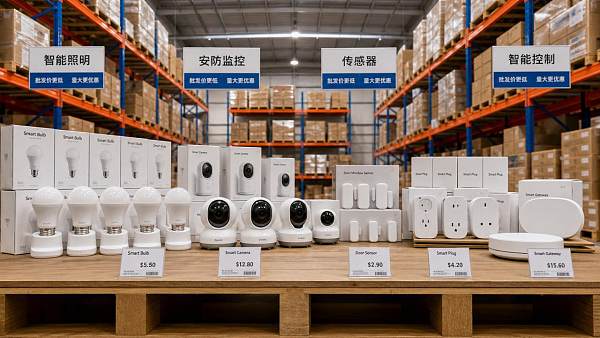
Wearable technology is improving fast, but comfort still decides adoptionWearable technology is evolving fast, but comfort still drives real adoption. Explore how design, fit, battery life, and daily usability shape the wearables consumers truly keep using. Smart home devices wholesale margins shrink faster than many expectSmart home devices wholesale margins are shrinking fast. Learn what causes profit erosion, which categories face price wars, and how distributors can protect growth and improve sourcing decisions.
 Agri-PV systems make sense only when land use goals are clearAgri-PV systems create business value only when land use goals are clearly defined. Discover how aligned energy, farming, and ESG priorities reduce risk and improve returns.
 Organic fertilizers vs synthetic inputs: where does the payoff change?Organic fertilizers vs synthetic inputs: discover where costs, compliance, soil health, and market premiums shift the payoff—and how to choose the smartest long-term strategy.
 Smart classroom solutions often underdeliver without teacher-side usabilitySmart classroom solutions often fail when teacher-side usability is ignored. Discover scenario-based insights to improve adoption, reduce friction, and maximize classroom ROI.












Popular Tags
Global Trade Insights & Industry
Our mission is to empower global exporters and importers with data-driven insights that foster strategic growth.
Search News
Popular Tags
Industry Overview
The global commercial kitchen equipment market is projected to reach $112 billion by 2027. Driven by urbanization, the rise of e-commerce food delivery, and strict hygiene regulations.