

Waterproof Pet Seat Covers vs Hammock Style
Choosing between waterproof pet seat covers and hammock style protection comes down to one practical question: do you need faster cleanup on standard seating, or better containment and safety for active pets during travel? For most buyers, the answer is not simply about style. It depends on vehicle type, pet size, trip frequency, installation time, return risk, and long-term durability. For procurement teams, distributors, and market researchers, the better product is the one that matches actual use cases and reduces complaints, replacements, and sourcing friction.
In general, a standard waterproof pet seat cover is the better fit for buyers who prioritize simple protection, easier compatibility, and lower unit complexity. A hammock style pet seat cover is often the stronger choice for users who want more cabin coverage, better control of pet movement, and added protection for the back of front seats. Understanding these differences helps buyers make better purchasing, merchandising, and sourcing decisions.
What buyers really need to know before choosing between the two
Search intent behind “Waterproof Pet Seat Covers vs Hammock Style” is typically commercial and comparative. Readers are not looking for theory alone. They want to know which option performs better, which one is easier to source, which reduces mess, and which offers stronger value across different customer scenarios.
For target readers such as information researchers, purchasers, business evaluators, and distributors, the most important questions are usually:
- Which design protects seats better from mud, fur, spills, and scratches?
- Which style works across more vehicle models and reduces fit-related returns?
- Which material and construction standards indicate reliable quality?
- Which product creates better resale potential in retail, wholesale, or cross-border trade?
- Which option is easier to install, clean, store, and maintain?
- Which design supports pet safety and reduces distraction while driving?
If the goal is faster product evaluation, the key is to compare functional performance, material durability, installation compatibility, and target market demand rather than focusing only on appearance.
Quick answer: when waterproof seat covers win and when hammock style wins
A waterproof pet seat cover usually wins when the priority is broad compatibility and easy replacement. It lays flat over the rear seat, protects upholstery from moisture and dirt, and is generally simpler for end users to remove and reinstall. This makes it attractive in high-volume channels where buyers want a straightforward product with fewer usage questions.
A hammock style seat cover wins when pets move around a lot, jump into footwells, or scratch the back of front seats. By connecting the rear headrests to the front headrests, it creates a suspended barrier that covers more interior surfaces. This added coverage is especially valuable for dog owners taking longer road trips or transporting larger, more energetic pets.
In short:
- Choose waterproof flat-style seat covers for simpler fit, easier everyday use, and broader vehicle compatibility.
- Choose hammock style covers for more complete containment, better interior coverage, and improved pet travel management.
Protection level: which one actually keeps the car cleaner?
Both products aim to protect vehicle interiors, but they do so differently.
Waterproof pet seat covers focus on surface protection. Their main job is to block liquids, dirt, hair, and claw contact from reaching the rear seat. If the waterproof backing is reliable and the side flaps are well designed, they perform well in routine transport situations.
Hammock style covers go further by protecting not just the seat but also the space between rows. This matters because many pets slide, shed, drool, or track dirt into the floor area. A hammock structure helps catch debris before it falls into hard-to-clean gaps.
For cleanliness alone, hammock designs often provide better full-zone protection. However, if a customer frequently carries both pets and passengers, a standard waterproof bench cover may be more practical because it can be partially folded or adjusted more easily.
Safety and pet control: a major factor many buyers underestimate
One of the strongest arguments for hammock style protection is movement control. Pets that pace, slip, or try to climb into the front row can distract the driver and create safety concerns. Hammock designs help limit this forward movement by creating a physical barrier.
That said, neither option should be treated as a substitute for a proper pet restraint system. Buyers evaluating product quality should look for:
- Seat belt access points
- Leash or harness compatibility
- Anti-slip backing
- Strong anchor points
- Reinforced stitching at stress zones
For business buyers, products that support safer transport can hold stronger market appeal, especially in regions where pet travel standards and consumer expectations are rising.
Material quality: what separates a reliable product from a low-grade one
For sourcing and product comparison, material specification matters more than product naming. A “waterproof” claim alone is not enough. Buyers should examine the actual construction.
Important checkpoints include:
- Outer fabric: Oxford fabric, polyester blends, or heavy-duty quilted textiles are common. Higher denier materials usually resist wear better.
- Waterproof layer: TPU is often preferred over lower-grade PVC in premium products due to flexibility and odor performance.
- Backing: Non-slip rubberized backing helps prevent shifting.
- Seam design: Weak stitching is a common failure point in low-cost models.
- Edge finishing: Reinforced edges and side flaps improve service life.
- Washability: Easy-clean surfaces reduce customer dissatisfaction.
For distributors and importers, poor material quality often leads to the same problems: odor complaints, delamination, tearing near straps, and waterproof failure after repeated washing. These are more important than cosmetic differences between flat and hammock designs.
Fit and installation: which style creates fewer complaints and returns?
Fit issues are one of the main causes of negative reviews in the pet car accessories category. From a commercial perspective, the best product is not always the one with the most features, but the one with the clearest compatibility profile.
Waterproof bench-style covers are typically easier to explain and install. They usually work well for standard rear seats and require fewer adjustment points.
Hammock style covers may deliver better protection, but installation can be more sensitive to vehicle dimensions, headrest layout, and seat configuration. In vehicles with unusual seat arrangements, fixed armrests, or limited headrest accessibility, compatibility may be less straightforward.
To reduce returns, buyers should prioritize suppliers that provide:
- Exact product dimensions
- Vehicle compatibility guidance
- Installation instructions with diagrams
- Clear headrest strap specifications
- Front-seat attachment details
For broad-market resale, universal-fit waterproof seat covers may be easier to move. For premium or niche segments, hammock styles may justify higher value positioning.
Cleaning and maintenance: practical value for end users and after-sales teams
Ease of cleaning directly affects user satisfaction. Pet owners want products that can handle wet paws, fur, dander, food crumbs, and occasional accidents without becoming difficult to maintain.
Standard waterproof seat covers are usually easier to remove, shake out, wipe down, and reinstall. Hammock covers may trap more debris by design, which improves cabin protection but can add a few minutes to cleaning.
For procurement and channel partners, this translates into a simple rule: if the target customer values convenience above all, promote quick-clean waterproof seat covers. If the target customer values maximum protection during regular pet transport, hammock styles may offer better perceived value despite slightly more involved maintenance.
Business and sourcing perspective: which option has stronger market value?
For B2B buyers, the decision is rarely just product performance. It is also about marketability, price positioning, inventory turnover, and customer segmentation.
Waterproof pet seat covers often perform well in entry-level and mid-range segments because they are easy to understand and suitable for a wide consumer base. This makes them useful for volume-oriented channels.
Hammock style covers are often better suited to premium positioning because they communicate added functionality more clearly. They can support stronger margins if the design quality is good and the listing content explains the added benefit well.
Distributors and sourcing teams should evaluate:
- Target market preference for convenience vs full protection
- Average vehicle size in destination markets
- Climate-related demand for waterproof performance
- Pet ownership patterns and dog size trends
- Packaging size and freight efficiency
- Private label opportunities and differentiation potential
From a trade intelligence perspective, products that combine waterproof materials, anti-slip backing, side flaps, and convertible hammock-to-bench functionality may offer the most flexible commercial potential.
The best choice for different buyer scenarios
Different use cases point to different best-fit products.
- For everyday pet transport in standard family cars: waterproof bench-style covers are often enough.
- For active dogs, long trips, or messy outdoor use: hammock style usually performs better.
- For e-commerce sellers seeking lower customer confusion: standard waterproof covers may convert more easily.
- For premium retail lines: hammock covers with reinforced materials and convertible layouts offer stronger differentiation.
- For wholesale buyers targeting broad compatibility: focus on universal waterproof designs with clear sizing.
- For specialty pet channels: hammock styles can better address the safety and coverage narrative.
What to ask suppliers before placing an order
If you are sourcing pet seat covers for resale or private label, asking the right questions can prevent quality and compliance issues later.
- What is the exact material composition of each layer?
- Is the waterproof function based on coating, membrane, or backing?
- Has the product been tested for color fastness, wear resistance, or odor?
- Are straps, buckles, and anchors reinforced for repeated use?
- Does the product support both hammock and bench configurations?
- What vehicle types has it been fitted on?
- Can the supplier provide installation guides and packaging customization?
- What are the most common return reasons from existing clients?
These questions help buyers move beyond generic catalog descriptions and identify whether a product is truly suitable for market launch.
Final verdict
There is no single winner between waterproof pet seat covers and hammock style designs. The better option depends on the use case and the business objective.
If your priority is straightforward seat protection, easier compatibility, and simpler daily use, a waterproof pet seat cover is usually the better choice. If your priority is stronger containment, better interior coverage, and improved pet travel control, a hammock style cover delivers more value.
For procurement teams, distributors, and business evaluators, the smartest decision is to compare not only style but also material quality, installation reliability, cleaning effort, target market demand, and return risk. In practice, the strongest commercial opportunity may lie in sourcing high-quality convertible models that offer both flat and hammock configurations. That approach serves a wider customer base and creates a clearer value proposition in competitive markets.
Recommended News
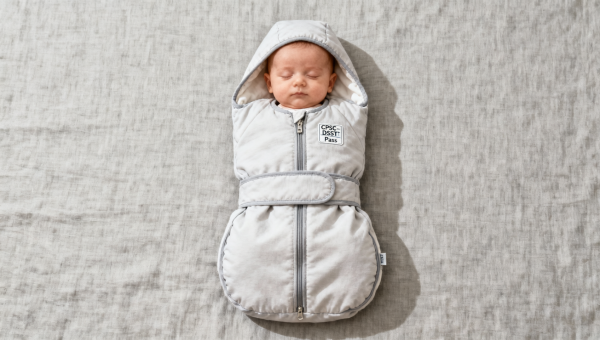
 US CPSC Updates Child Sleep Sack Standard Effective July 2026US CPSC updates child sleep sack standard with new DSST test—mandatory for all U.S.-bound infant sleep sacks from July 2026. Act now to ensure compliance and market access.
 Red Sea Rerouting Pushes Asia-Europe Freight Premium to $1,850/TEURed Sea rerouting pushes Asia-Europe freight premium to $1,850/TEU—impacting importers, manufacturers & logistics providers. Act now to reassess costs, lead times & contracts.
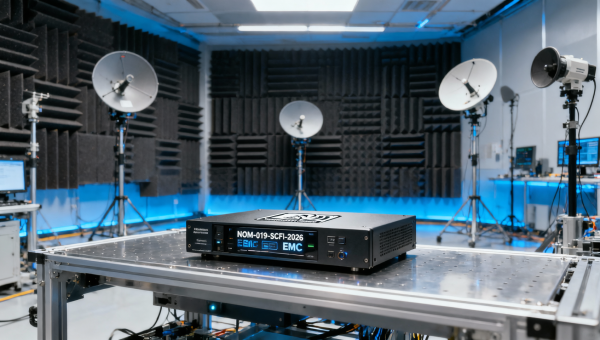
 Mexico NOM-019-SCFI-2026 Effective May 1, 2026: EMC Certification Mandatory for Auto ElectronicsNOM-019-SCFI-2026 EMC certification is now mandatory for auto electronics in Mexico—effective May 1, 2026. Ensure compliance for infotainment, ADAS, OBD-II & more.
") TÜV Rheinland Updates CE Requirements for Servo Drives (PLd + EMC Class 3)TÜV Rheinland updates CE requirements for servo drives: PLd + EMC Class 3 joint validation mandatory from Q3 2026. Act now to avoid delays, rejections, or compliance risks.
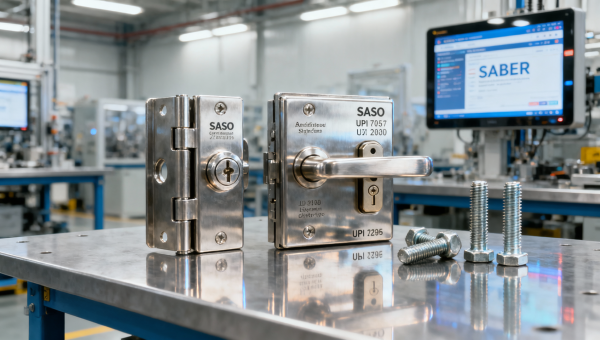
TÜV Rheinland Updates CE Requirements for Servo Drives (PLd + EMC Class 3)TÜV Rheinland updates CE requirements for servo drives: PLd + EMC Class 3 joint validation mandatory from Q3 2026. Act now to avoid delays, rejections, or compliance risks. SABER Phase II Launch: Building Hardware Must Submit Digital e-CoC & UPISABER Phase II mandates digital e-CoC & UPI for building hardware imports to Saudi Arabia—act now to ensure customs clearance and market access.
 FDA AI Diagnostic Device Draft Rules: Bias Assessment for ImportsFDA AI diagnostic device draft rules mandate bias assessment for imports — discover how algorithmic fairness impacts 510(k)/De Novo submissions and what to do now.
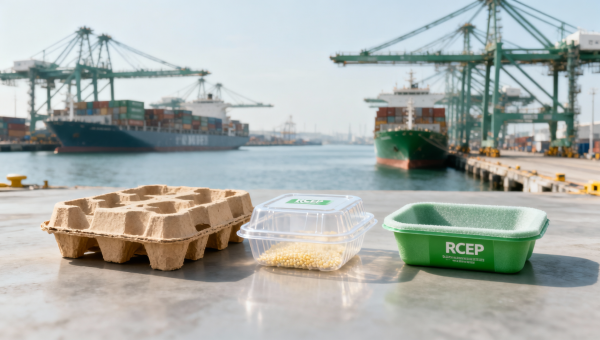
 RCEP Green Packaging Mutual Recognition Starts June 1, 2026RCEP Green Packaging Mutual Recognition starts June 1, 2026 — unlock faster exports to Australia, NZ, Japan & Korea with GB/T 37572-2025 certification.
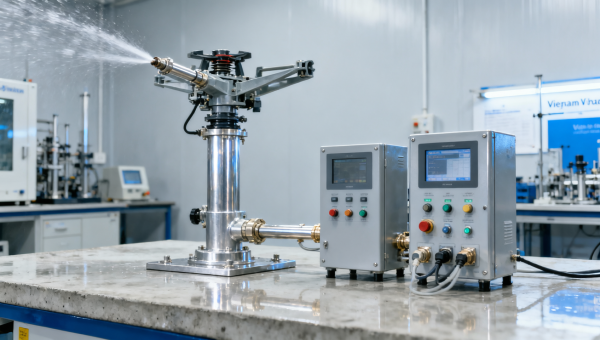
 Vietnam Suspends SASO Mutual Recognition for Chinese Irrigation EquipmentVietnam suspends SASO mutual recognition for Chinese irrigation equipment—impacting exporters, testers & suppliers. Act now to avoid 6–8 week delays & 35% cost hikes.
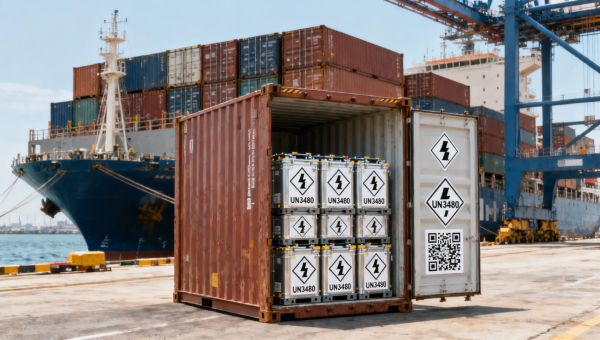
 IMDG Code 41-24 Enforces UN3480 Class 9 Labeling for Li-ion Battery Sea FreightIMDG Code 41-24 enforces UN3480 Class 9 labeling for Li-ion battery sea freight—learn mandatory QR labels, compliance actions & port enforcement risks.
 EU CBAM Enters Enforcement Phase on April 1, 2026EU CBAM enforcement starts April 1, 2026 — critical for Chinese battery materials, construction profiles & industrial coatings exporters. Act now to avoid customs delays.
 Mexico Enforces NOM-019-SCFI-2026 EMC Certification for Auto Electronics from May 2026Mexico enforces NOM-019-SCFI-2026 EMC certification for auto electronics from May 2026 — mandatory local testing, stricter standards, and urgent compliance action required.
 Global Port Congestion Eases, but Red Sea Rerouting PersistsRed Sea rerouting persists amid easing port congestion—Shanghai–Rotterdam freight rates surge 4.2% to $5,280/TEU. Critical insights for exporters, importers & logistics leaders.
 RCEP Green Packaging Mutual Recognition Starts June 2026RCEP Green Packaging Mutual Recognition starts June 2026 — streamline exports to Australia, NZ, Japan & SK with GB/T 37572-2025 certification. Save time & costs!
 FDA AI Diagnostic Device Rules: ABIA Required from Q3 2026FDA AI diagnostic device rules now require ABIA reports from Q3 2026 — essential for 510(k)/De Novo submissions. Stay compliant, avoid delays & secure U.S. market access.
 Vietnam Suspends SASO Mutual Recognition for Chinese Irrigation EquipmentVietnam suspends SASO mutual recognition for Chinese irrigation equipment—sprinkler systems, drip controllers & irrigation systems now require local QUATEST 3 testing. Act now to avoid 12-week delays & 35% cost hikes.
") TÜV Rheinland Updates CE Certification for Industrial Robot Drives (2026 Q3)TÜV Rheinland’s 2026 Q3 CE certification update for industrial robot drives mandates PLd safety + EN 61800-3 EMC — act now to avoid EU market delays.
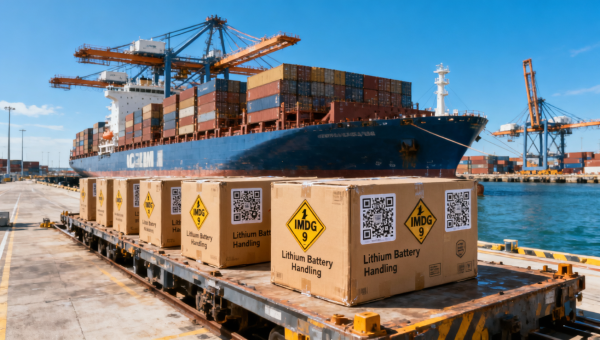
TÜV Rheinland Updates CE Certification for Industrial Robot Drives (2026 Q3)TÜV Rheinland’s 2026 Q3 CE certification update for industrial robot drives mandates PLd safety + EN 61800-3 EMC — act now to avoid EU market delays. IMDG Code Amendment 41-24 Takes Effect for Lithium Battery Sea FreightIMDG Code Amendment 41-24 is live: New QR labels, bilingual handling tags & SOC disclosure required for UN3480 lithium battery sea freight—act now to avoid delays.
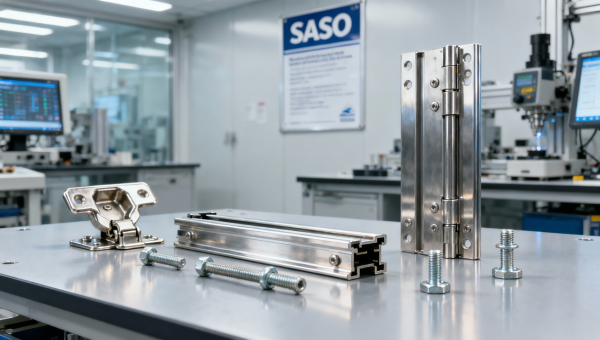
 SASO SABER Phase II: Digital Type Test Reports Required for Building Hardware from Jun 2026SASO SABER Phase II requires digital type test reports & unique product IDs for building hardware exports to Saudi Arabia — effective June 2026. Act now to ensure compliance and avoid customs delays.
 CPSC Updates 16 CFR Part 1236: New Suffocation Test for Children's Sleep Sacks Effective July 2026CPSC Updates 16 CFR Part 1236: New suffocation test for children's sleep sacks takes effect July 2026 — ensure compliance, avoid delays & protect your U.S. market access.
 EN IEC 62471-2:2026 Effective Oct 2026 for EU LED Lighting ExportsEN IEC 62471-2:2026 mandates full-spectrum photobiological safety testing (200–3000 nm) for all EU-bound LED lighting — effective 1 Oct 2026. Act now to secure CE marking & avoid market access delays.
 AI Patent Tools Security Flaw Triggers Compliance ReviewAI Patent Tools security flaw exposed—triggering urgent compliance reviews for medical device, semiconductor & AI firms. Act now to secure submissions.













Popular Tags
Global Trade Insights & Industry
Our mission is to empower global exporters and importers with data-driven insights that foster strategic growth.
Search News
Popular Tags
Industry Overview
The global commercial kitchen equipment market is projected to reach $112 billion by 2027. Driven by urbanization, the rise of e-commerce food delivery, and strict hygiene regulations.