

Are Auto Detailing Services Worth the Cost?
From individual car owners to procurement teams comparing service value, many ask whether auto detailing services truly justify the price. In today’s data-driven market, a business intelligence platform or online trade platform can reveal cost benchmarks, quality standards, and buyer trends. This article explores what detailing includes, how pricing varies, and when the investment delivers measurable long-term value.
For B2B buyers, fleet operators, distributors, and service evaluators, the question is not only about appearance. It is about asset protection, lifecycle cost, service consistency, and customer-facing value. A detailing invoice that looks expensive at first glance may be reasonable when measured against paint correction labor, interior restoration costs, resale impact, and downtime reduction.
In practical procurement terms, auto detailing services sit at the intersection of maintenance, presentation, and risk control. Whether the vehicle is a passenger car, executive fleet sedan, light commercial van, or dealership inventory unit, the correct evaluation method compares service scope, frequency, finish quality, and long-term preservation rather than only the lowest quoted price.
What Auto Detailing Actually Includes
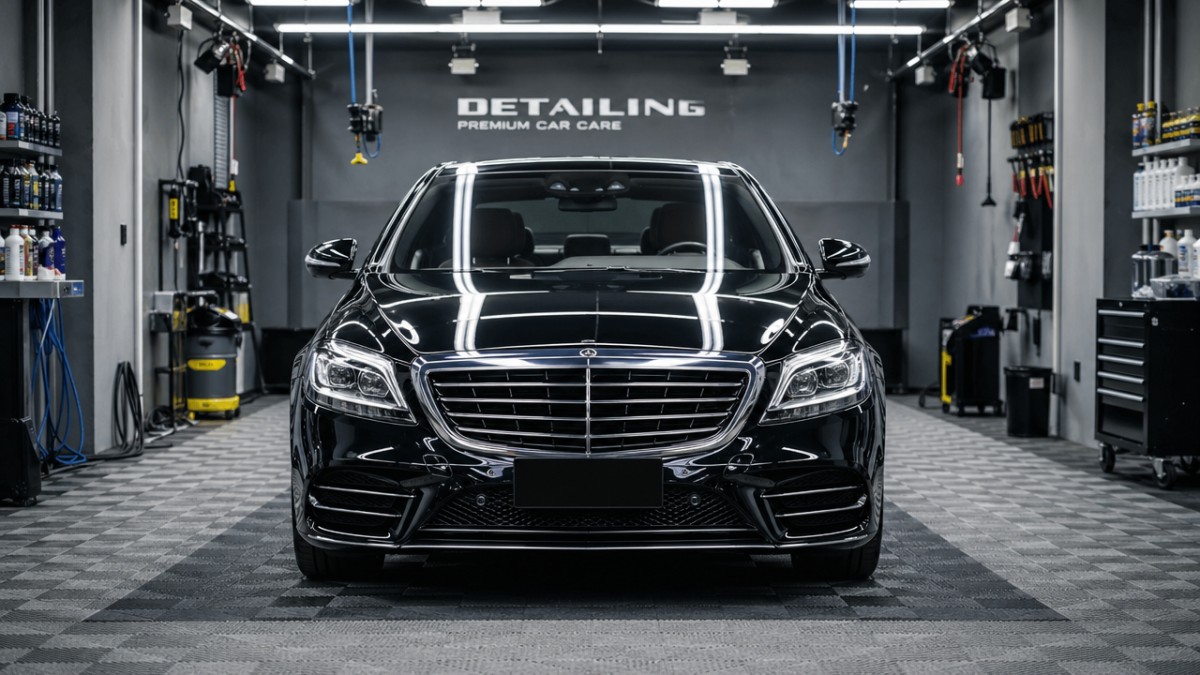
Auto detailing is broader than a standard car wash. A normal wash may take 20–40 minutes and focus on dirt removal, while detailing often requires 2–8 hours depending on vehicle size, contamination level, and service depth. The goal is not only cleaning but also restoring and protecting visible and touch surfaces inside and outside the vehicle.
Exterior detailing usually includes pre-rinse, foam wash, wheel and tire cleaning, bug and tar removal, clay treatment, polishing, wax or sealant application, glass treatment, and trim dressing. Higher-tier packages may add 1-step or 2-step paint correction, which can remove light swirl marks, oxidation, and minor surface defects that reduce appearance and resale appeal.
Interior detailing goes beyond vacuuming. It commonly covers carpet extraction, leather conditioning, dashboard and console cleaning, stain treatment, odor neutralization, vent cleaning, and sanitation of high-touch areas. For vehicles used in hospitality, field service, or executive transport, this deeper cleaning can support hygiene standards and improve customer impression during daily operations.
Core service layers buyers should identify
A common buying mistake is comparing two quotes that do not cover the same tasks. One provider may include decontamination, machine polishing, and seat extraction, while another may only provide wash, vacuum, and spray wax. Procurement teams should request a line-by-line scope with labor steps, expected duration, and surface protection period.
- Basic detailing: wash, vacuum, wipe-down, tire dressing, and light interior cleaning; typically 1.5–3 hours.
- Mid-tier detailing: adds clay bar treatment, upholstery deep clean, and paint sealant; typically 3–5 hours.
- Advanced detailing: adds machine polishing, stain removal, and coating prep; typically 5–8 hours or more.
- Specialized detailing: ceramic coating prep, headlight restoration, odor remediation, or fleet sanitization.
The operational takeaway is simple: the value of detailing depends heavily on the exact process depth. If a service extends surface life by 6–12 months and reduces reconditioning cost before resale, its cost profile looks very different from a quick cosmetic clean.
The table below separates common service elements to help buyers compare offers more accurately.
This comparison shows why pricing can vary sharply even within the same market. If one package includes corrective polishing and another does not, the labor content, consumable use, and required technician skill are not comparable.
How Pricing Varies and What Drives the Cost
Auto detailing prices are influenced by vehicle category, paint condition, interior contamination, location, and service package depth. In many markets, a compact car basic detail may begin around a low three-digit price point, while a large SUV or commercial vehicle requiring correction work can cost several times more. The useful benchmark is cost per service hour and cost per preserved asset value, not price alone.
Labor is often the largest component. A 4-hour full detail performed by a trained technician using pH-balanced chemicals, polishing pads, extractors, and controlled drying tools will naturally cost more than a 60-minute express service. In addition, shop overhead, insurance, water treatment, and mobile service transportation can all change the final quote by 15%–40%.
Material quality matters as well. Carnauba wax, synthetic sealants, upholstery-safe cleaners, iron removers, and ceramic-compatible prep chemicals vary widely in performance and durability. A lower quote may rely on faster but shorter-lasting products, which can increase the required service frequency from every 4–6 months to every 6–10 weeks.
Main pricing variables for procurement review
- Vehicle size: compact sedan, SUV, van, and executive shuttle each require different labor hours.
- Condition level: light dusting is very different from pet hair, salt stains, smoke odor, or oxidation.
- Protection add-ons: wax may last 4–8 weeks, sealant 4–6 months, and some coatings longer with proper care.
- Service model: mobile detailing may save downtime but sometimes carries travel or setup surcharges.
- Volume agreement: fleet contracts can reduce per-unit cost by 10%–25% depending on monthly volume.
Buyers should also distinguish between corrective work and maintenance work. If a neglected vehicle needs deep restoration, the first invoice will be higher. However, a maintenance plan every 6–12 weeks can reduce the need for expensive annual restoration and create a smoother cost curve across the year.
Indicative pricing logic by service depth
The table below is not a fixed market rate card. It is a decision framework showing how service scope typically influences cost evaluation.
The key conclusion is that higher detailing cost often reflects either more labor-intensive recovery work or a more durable finish outcome. In procurement reviews, that difference should be documented rather than treated as arbitrary price inflation.
When Auto Detailing Delivers Measurable Value
The cost of auto detailing is easier to justify when the vehicle has a business role. Company cars, dealership inventory, lease returns, executive transport units, and field-service fleets all benefit from better presentation and better material preservation. In these cases, detailing is not a vanity expense; it functions as preventive maintenance and brand management.
Resale and lease return are two high-impact scenarios. Light paint defects, embedded stains, and neglected interiors can reduce perceived value quickly during inspection. A professionally detailed vehicle often photographs better, shows better in person, and requires less negotiation discount. Even a moderate reduction in reconditioning needs can offset a large share of the detailing bill.
Operationally, detailing can also extend material life. Leather, vinyl, painted trim, and clear coat all deteriorate faster when exposed to UV, road salts, acidic contaminants, and improper washing. A regular 8–12 week maintenance schedule may reduce the frequency of more expensive interventions such as repaint touch-ups, odor remediation, or interior replacement work.
Business cases where value is strongest
- Dealer and distributor inventory: improved presentation supports faster turnover and stronger first impressions.
- Corporate fleets: maintained interiors and exteriors reinforce brand image during client visits and on-road exposure.
- Lease return preparation: stain removal and minor correction can lower end-of-term condition penalties.
- Premium mobility services: executive sedans and hospitality vehicles need higher visual and hygiene standards.
For private owners, the return is more mixed. If the vehicle is older, parked outdoors, or used heavily, periodic detailing can still make sense because it slows visible decline. But for buyers who seek only a clean car and do not care about finish quality or preservation, a lower-cost maintenance wash may be enough most of the year.
A practical threshold is this: detailing is usually worth the cost when it protects an asset with ongoing market value, supports customer-facing operations, or prevents future restoration costs that are materially higher than the routine service fee.
How to Evaluate a Detailing Provider Before You Buy
Choosing the right provider requires more than checking star ratings. Buyers should evaluate process consistency, technician skill, product compatibility, turnaround time, and documentation quality. For multi-vehicle users or procurement teams, a poor detailing vendor can create hidden issues such as uneven finish quality, interior chemical residue, scheduling delays, or damage claims.
A reliable provider should explain the process in clear steps, identify what is included and excluded, and state realistic results. No professional should promise full defect removal in all cases. Paint thickness, scratch depth, upholstery age, and prior repairs all affect the final outcome. Transparent limitation-setting is often a better trust signal than exaggerated claims.
For business users, service documentation matters. Inspection photos, checklists, appointment windows, chemical safety awareness, and issue escalation channels all improve control. If a fleet sends 10–30 vehicles per month, even small process inconsistencies can become a recurring operational problem.
Five-point provider assessment checklist
- Scope clarity: ask for a written task list, estimated labor hours, and expected protection duration.
- Condition assessment: confirm whether the quote follows a pre-service inspection or only a generic package menu.
- Product suitability: check whether interior and exterior chemicals are matched to leather, fabric, matte trim, or coatings.
- Turnaround and capacity: verify whether the provider can handle peak periods, mobile requests, or 5–20 unit batches.
- After-service support: confirm what happens if streaking, missed areas, or odor recurrence appears within 24–72 hours.
The table below can be used by project managers, buyers, or fleet supervisors when comparing two or three service partners.
A provider that scores well on these dimensions may not be the cheapest, but it is often the safer option for organizations that value consistency, lower rework, and clearer service governance.
Common Misconceptions, Maintenance Strategy, and Buying Guidance
One common misconception is that detailing is only for luxury vehicles. In reality, mid-range fleet cars, sales vehicles, delivery vans, and leased units can benefit just as much because the financial logic often depends on preservation and presentation, not on vehicle prestige. Another misconception is that one premium detail eliminates the need for future care. In most cases, maintenance discipline determines whether the initial investment holds value.
Another error is overbuying correction when maintenance is the real need. If the paint is already in acceptable condition, a wash-decontaminate-seal cycle every 2–3 months may produce a stronger annual cost-to-result ratio than repeated intensive polishing. Excessive correction can also remove unnecessary clear coat over time if used without proper judgment.
The smartest buying strategy is often tiered. Start with a condition-reset service for neglected units, then move to scheduled maintenance. For a business fleet, this can mean one deep detail at onboarding or before resale, followed by lighter recurring service every 6–10 weeks. For dealership or executive-use vehicles, the interval may be shorter depending on image requirements.
FAQ for buyers and evaluators
How often should a vehicle be professionally detailed?
For normal use, every 3–6 months is common for a full detail, with lighter maintenance in between. High-use business vehicles, ride services, and executive transport units may need touch-up cleaning every 2–4 weeks and a deeper service every 8–12 weeks.
Is mobile detailing as effective as in-shop detailing?
It can be effective for routine and mid-depth work, especially when downtime matters. However, advanced paint correction, controlled curing, or extensive extraction may be better in a fixed facility with lighting control, power stability, and environmental management.
What should procurement teams request in a quote?
Ask for service scope, estimated labor time, vehicle size assumptions, add-on pricing, turnaround window, rework policy, and any exclusions. A quote with 6–8 clear line items is usually easier to compare than a single bundled number.
When is detailing not worth the cost?
It may be less justified when the vehicle has very low residual value, severe structural damage, or purely utilitarian use with no presentation requirement. In such cases, a simpler cleaning and protective maintenance routine may be the more efficient option.
In short, auto detailing services are worth the cost when they are matched to the right vehicle condition, service scope, and business objective. The strongest return appears in resale preparation, fleet presentation, lease management, and long-term asset care. For buyers comparing providers, the decision should focus on measurable service content, labor depth, finish durability, and operational fit rather than headline price alone.
If you need deeper market benchmarks, supplier comparison insights, or trade-oriented visibility for automotive service and aftermarket sectors, GTIIN and TradeVantage can support your research with industry intelligence, trend monitoring, and stronger digital exposure. Contact us today to explore tailored solutions, request strategic content support, or learn more about data-driven opportunities across global trade markets.
Recommended News
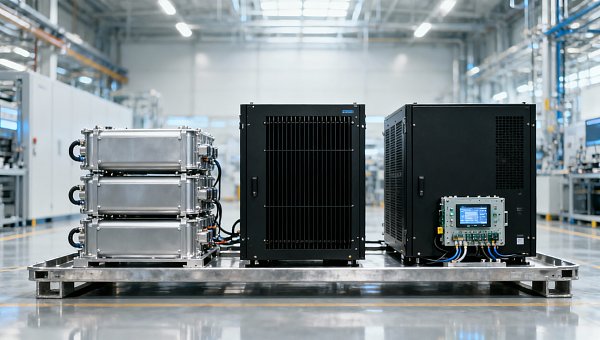
 Key Energy Storage Equipment Prices Drop ~80% in ChinaKey energy storage equipment prices in China dropped ~80% — PCS, BMS & liquid cooling units. Discover implications for compliance, margins & standards enforcement.
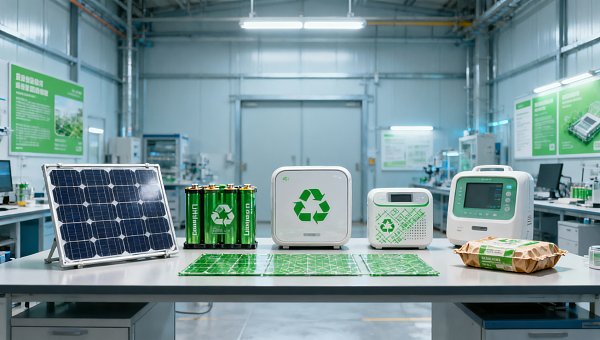
") China Releases Green Design Guidelines for Industrial Products (2026)China's 2026 Green Design Guidelines for industrial products—covering PV modules, lithium batteries & smart appliances—link eco-design to green factory certification and export tax rebates starting 2027.
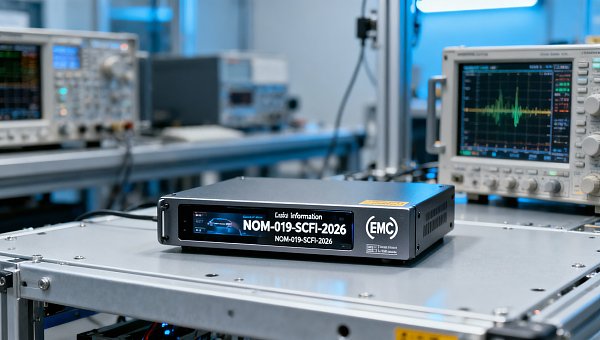
China Releases Green Design Guidelines for Industrial Products (2026)China's 2026 Green Design Guidelines for industrial products—covering PV modules, lithium batteries & smart appliances—link eco-design to green factory certification and export tax rebates starting 2027. Mexico NOM-019-SCFI-2026 Effective: Automotive Electronics Require New EMC CertificationMexico NOM-019-SCFI-2026 is live: Automotive electronics (infotainment, ADAS, domain controllers) now require mandatory EMC certification by July 31, 2026 — act now to avoid customs delays.
 Red Sea Detour Premium Rises to $1,850/TEU Amid Port Congestion ReliefRed Sea Detour Premium hits $1,850/TEU — now 43% of FE–NE freight rates. Discover why this structural surcharge demands urgent supply chain action.
 TÜV Rheinland Updates PLd Certification: EMC Immunity Now Mandatory for Servo DrivesTÜV Rheinland now mandates EN IEC 61000-6-2:2024 EMC immunity testing for PLd certification of servo drives—act before May 26, 2026 to avoid EU market delays.
 RCEP Green Packaging Mutual Recognition Effective Apr 26, 2026RCEP Green Packaging Mutual Recognition takes effect Apr 26, 2026—unlock faster customs clearance & cost savings for eco-friendly packaging exporters to AU, NZ, JP, KR.
 FDA Final Rule: AI Diagnostic Devices Must Submit Bias Impact ReportsFDA mandates AI diagnostic devices submit third-party-verified bias impact reports—key for 510(k)/De Novo submissions. Act now to ensure compliance & market access.
 Vietnam Suspends SASO Mutual Recognition for Chinese Irrigation EquipmentVietnam suspends SASO mutual recognition for Chinese irrigation equipment—urgent QCVN certification now required for drip tapes, sprinklers, valves & smart controllers.
 SABER Phase II Launch: Building Hardware Must Submit Digital Type Test Reports & PIDSABER Phase II now requires digital type test reports & PID for building hardware — fasteners, door/window, bathroom fixtures. Avoid port rejection: ensure PID-bound compliance before shipment.
 IMDG Code 41-24 Enforced: UN3480 Lithium Batteries Require Class 9 LabelsUN3480 lithium batteries now require ISO 7225-compliant Class 9 labels under IMDG Code 41-24 — enforceable globally from 26 April 2026. Act now to avoid shipment delays!
 Are Auto Detailing Services Worth the Cost?Auto detailing services: discover if the cost is justified, how pricing varies, and how a business intelligence platform helps buyers compare value, quality, and long-term ROI.
 What Makes Sustainable Fashion Brands Worth Buying?Sustainable fashion brands deliver transparency, quality, and lower risk. See how a business intelligence platform helps buyers verify value, avoid greenwashing, and source smarter.
 How to Choose a Business Intelligence Platform in 2026?Business intelligence platform selection in 2026: compare data coverage, pricing insights, online trade platform signals, Cement price trends, and MRI scanners cost to choose smarter, faster.
 IMDG Code 41-24 Enforces UN3480 Class 9 Labeling for Lithium Battery Sea FreightIMDG Code 41-24 mandates UN3480 Class 9 labeling for lithium battery sea freight—avoid auto-rejection by DHL, Kuehne+Nagel & Sinotrans. Act now.
 ESS Key Equipment Prices Drop ~80%: Quality & Compliance RiseESS key equipment prices dropped ~80%—but quality & compliance are now critical. Discover how UL 9540A and IEC 62933-5-2 standards reshape global market access.
") China Releases Green Design Guide for Industrial Products (2026)China's new Green Design Guide (2026) offers 126 actionable solutions for solar, batteries & robotics—key for EU ESG compliance and export readiness.
China Releases Green Design Guide for Industrial Products (2026)China's new Green Design Guide (2026) offers 126 actionable solutions for solar, batteries & robotics—key for EU ESG compliance and export readiness. Vietnam Suspends SASO Mutual Recognition for Chinese Irrigation EquipmentVietnam suspends SASO mutual recognition for Chinese irrigation equipment—impacting spray controllers, fertigation systems & PE pipes. Act now to meet new local testing mandates.
 Mexico NOM-019-SCFI-2026 Effective: Automotive EMC Certification RequiredMexico NOM-019-SCFI-2026 is live: Automotive EMC certification now mandatory for all car electronics entering Mexico—avoid customs rejection. Act now!
 Red Sea Rerouting Now Normalized: Asia-Europe Freight Premium at $1,850/TEURed Sea rerouting is now normalized—Asia-Europe freight premium holds at $1,850/TEU. Critical for CNC, solar PV & EV accessory exporters. Read the strategic implications.
 SABER Phase II Launch: Building Hardware Must Submit Digital Type Test Reports & UPIDSABER Phase II is live: Building hardware exporters must now submit digital type test reports & UPID—avoid Jeddah port delays. Act now!
 FDA Final Rule: AI Diagnostic Devices Require Bias Assessment for US MarketFDA mandates bias assessment for AI diagnostic devices—key for portable ultrasound, dermatoscopes & fundus analyzers entering the US market. Act now to comply.












Popular Tags
Global Trade Insights & Industry
Our mission is to empower global exporters and importers with data-driven insights that foster strategic growth.
Search News
Popular Tags
Industry Overview
The global commercial kitchen equipment market is projected to reach $112 billion by 2027. Driven by urbanization, the rise of e-commerce food delivery, and strict hygiene regulations.