

Iridium spark plugs last longer, but are they worth the premium?
Iridium spark plugs are known for durability and stable ignition, but does their higher price truly deliver better value? For buyers comparing iridium spark plugs alongside car batteries price, sheet metal roofing, or even MRI scanners cost on an online trade platform, understanding long-term performance, maintenance savings, and application fit is essential before making a smart purchasing decision.
In B2B purchasing, the right answer is rarely about unit price alone. Procurement teams, distributors, and business evaluators usually need to balance service life, replacement intervals, fleet downtime, compatibility, and total operating cost over 30,000 to 120,000 miles of use. That is especially true when spark plugs are sourced for workshops, auto parts distribution, fleet maintenance, or export resale across multiple vehicle categories.
Iridium spark plugs sit at the premium end of the ignition component market, often priced 2 to 4 times higher than standard copper plugs and still noticeably above many platinum options. The premium can be justified in some applications, but not all. The key question for commercial buyers is whether the longer service interval and ignition consistency translate into lower lifecycle cost, stronger customer satisfaction, and fewer maintenance touchpoints.
This article examines what iridium spark plugs actually offer, where they create measurable value, when the premium may not make sense, and how buyers on global trade platforms can compare options more effectively. For companies that evaluate products across varied industrial categories, a structured buying framework matters more than headline claims.
What makes iridium spark plugs different from standard options
Iridium is a very hard metal with a high melting point, which allows manufacturers to produce a much finer center electrode than is typical in copper spark plugs. In practical terms, many iridium designs use fine-wire center electrodes around 0.4 mm to 0.6 mm, while traditional copper designs are often thicker. That smaller tip concentrates the electrical charge more efficiently and can support stable spark formation under demanding operating conditions.
For buyers, the main commercial difference is durability. Standard copper plugs may require replacement in roughly 20,000 to 30,000 miles in normal service, while platinum plugs often stretch to 60,000 miles or more. Iridium spark plugs are commonly selected for intervals in the 80,000 to 120,000 mile range, depending on engine design, fuel quality, driving environment, and maintenance discipline.
That longer life matters in modern engines where access to spark plugs can be labor-intensive. In some vehicles, replacement is a quick service task; in others, intake components or covers add 1 to 3 extra labor hours. For a distributor or workshop network, reducing replacement frequency can improve throughput and reduce callback risk.
Another advantage is ignition consistency. Engines with direct injection, turbocharging, tighter emission control requirements, or higher compression often benefit from a plug that maintains its gap and electrode shape over time. Stable combustion can support smoother cold starts, reduced misfire risk, and better long-term drivability, although gains in fuel economy are usually modest rather than dramatic.
Core technical differences buyers should understand
When comparing spark plug categories in a sourcing environment, procurement teams should look at more than catalog labels. Electrode material, heat range, resistor design, projected tip construction, thread reach, seat type, and gap specification all affect performance and compatibility. An iridium plug is not automatically a universal upgrade if the thermal characteristics do not match the engine requirement.
- Electrode wear rate is typically lower in iridium plugs, supporting longer interval stability.
- Fine-wire design can improve ignitability, especially in cold starts or lean-burn conditions.
- Higher upfront cost is the tradeoff, with unit pricing often 200% to 300% above basic copper alternatives.
- Installation accuracy remains critical; over-torque or wrong gap can reduce the expected service life.
The table below gives a practical comparison that sourcing teams can use when screening inventory for workshops, resellers, or export programs.
The takeaway is straightforward: iridium spark plugs are not simply “better” in every case, but they do offer a clear technical edge in lifespan and spark stability. That edge becomes commercially meaningful when maintenance costs, service scheduling, and customer expectations are factored into the decision.
When the premium is worth paying in a B2B procurement context
For B2B buyers, the premium on iridium spark plugs is usually justified when replacement labor is expensive, vehicles stay in service for long periods, or product reliability directly affects downstream reputation. A distributor selling to independent garages, for example, may find that a lower return rate and fewer early-failure complaints are worth more than a lower entry price per unit.
Fleet operators are another strong fit. If a service van fleet runs 25,000 to 40,000 miles per year, moving from a 30,000-mile replacement interval to a 100,000-mile interval can cut plug-related service events from three or four cycles down to one over the same operating window. Even if the part price is higher, the reduction in labor bookings and vehicle downtime can improve total cost predictability.
Exporters and cross-border traders should also consider market positioning. In many regions, buyers increasingly search for “long life spark plugs,” “premium ignition parts,” or “OEM replacement iridium plugs” rather than basic plug material categories. Carrying iridium SKUs can help distributors address the higher-value aftermarket segment without needing a large model count if fitment data is managed carefully.
However, the premium only pays off when the application is correct. Engines designed around copper plugs, low-mileage vehicles, or price-sensitive service channels may not recover the extra cost. In those cases, a platinum or standard replacement may provide a more efficient stock strategy.
Four commercial situations where iridium usually creates value
- High-mileage fleets where each unscheduled maintenance stop disrupts routing and labor allocation.
- Engines with difficult plug access, where service labor can exceed the part cost by 3 to 6 times.
- Premium aftermarket channels where end users prioritize durability and lower maintenance frequency.
- Export and distribution models that benefit from reduced warranty disputes and stronger perceived product quality.
A simple total cost logic
If a copper plug set costs 1x and is replaced every 25,000 miles, while an iridium set costs 3x and lasts 100,000 miles, the parts-only economics may already be close. Once one or two extra labor events are included, iridium often becomes cheaper over the lifecycle. This is especially relevant when workshop labor rates, fleet scheduling costs, or missed delivery penalties are significant.
The next table helps procurement teams judge whether the premium aligns with business conditions rather than relying on product claims alone.
Used properly, iridium spark plugs are less about luxury and more about matching the correct cost structure to the right maintenance environment. For commercial buyers, the premium is justified when it removes future operational friction.
How to evaluate iridium spark plugs before placing an order
Many buyers make the mistake of comparing spark plugs only by brand position or listed material. A stronger procurement method is to evaluate fitment accuracy, thermal suitability, packaging consistency, and supply reliability. On a B2B platform, this means checking both the product itself and the supplier’s ability to support repeat orders, documentation, and cross-market requirements.
Fitment comes first. Critical dimensions include thread diameter, thread reach, seat type, hex size, and pre-set gap. A mismatch of even a few millimeters in reach can affect combustion chamber positioning, while an incorrect seat type can create sealing issues. Buyers managing multiple markets should ask for detailed application lists covering vehicle make, engine code, and production year range.
Heat range is the second major checkpoint. If the plug runs too hot, pre-ignition risk can increase; too cold, and fouling becomes more likely. This is particularly important in mixed fleets that include city-driven vehicles, turbocharged passenger cars, light commercial vans, and seasonal use patterns. One universal iridium SKU rarely serves all these conditions efficiently.
Commercial buyers should also verify packaging and logistics details. For resale and export, box durability, barcode labeling, anti-mix controls, and inner carton quantity affect warehouse efficiency. Common wholesale pack structures may include 4, 10, 20, or 100 units depending on the target market. Small inconsistencies at the packaging level can create significant picking errors at scale.
A practical supplier screening checklist
- Confirm the exact vehicle or engine cross-reference and ask for version control on fitment sheets.
- Request electrode material details, recommended service interval, and gap specification range.
- Check lead times for standard replenishment, often 7–15 days for stocked items and 20–45 days for production orders.
- Review carton quantities, labeling language, and traceability requirements for import clearance and downstream resale.
- Ask how defective units, transport damage, or fitment disputes are handled within the first 30 to 90 days.
Key questions for distributors and sourcing teams
If you are buying for distribution, a profitable spark plug line is not only about a low landed cost. You need reliable reorder cadence, stable packaging standards, and enough technical clarity to reduce field complaints. If you are buying for internal fleet use, then replacement interval, labor burden, and downtime exposure should carry more weight than catalog variety.
This is where data-driven sourcing platforms become useful. Buyers comparing categories as different as auto components, building materials, and medical equipment often need a common decision structure: product fit, lifecycle cost, supply predictability, and downstream risk. Iridium spark plugs should be judged with the same discipline.
Common mistakes, risk points, and maintenance realities
The biggest misconception is that iridium spark plugs automatically improve every engine. In reality, their main value lies in longevity and stable ignition over time, not in dramatic horsepower gains. If a buyer oversells performance benefits to end customers, return pressure and satisfaction issues can follow. Commercial messaging should stay focused on service interval, reliability, and application suitability.
Another common issue is improper installation. Even a premium iridium plug can fail early if the gap is altered incorrectly, torque settings are ignored, or contamination enters the thread area. In many service environments, the plug itself is not the weak point; poor installation practice is. For workshop networks, standardizing torque procedures and inspection steps can reduce avoidable failures.
Fuel and engine condition also matter. Oil consumption, coolant intrusion, poor ignition coil performance, and extended low-speed driving can shorten effective plug life. A plug rated for 100,000 miles on paper may need attention far earlier in an engine with unresolved combustion issues. That means procurement decisions should be linked to maintenance discipline, not just parts specification.
For distributors, counterfeit risk and packaging confusion remain practical concerns in some markets. Similar-looking boxes, incomplete labeling, or vague compatibility claims can damage trust quickly. Buyers should favor suppliers who provide clear traceability and consistent packaging information across batches.
Risk control points for aftersales and maintenance teams
A disciplined inspection process can extend value from iridium spark plugs and reduce false warranty claims. The following framework is especially useful for service organizations and importers who support resellers or workshop networks.
The practical conclusion is that iridium spark plugs reduce some maintenance burdens, but they do not eliminate the need for correct fitment, proper installation, and engine diagnosis. Buyers who manage these factors well are the ones most likely to realize the premium’s value.
FAQ for buyers, distributors, and business evaluators
Are iridium spark plugs always better than platinum spark plugs?
Not always. Iridium spark plugs generally offer longer service life and a finer center electrode, but platinum plugs can be a better balance when mileage is moderate and price sensitivity is high. For vehicles running 8,000 to 15,000 miles per year with easy service access, platinum may deliver a stronger cost-to-value ratio.
How long do iridium spark plugs usually last in real use?
A common market expectation is 80,000 to 120,000 miles, but real-world life depends on engine health, fuel quality, driving cycle, and installation quality. Heavy idling, oil burning, weak coils, or repeated short trips can reduce effective life well below the upper range. Commercial buyers should treat catalog life as a typical range, not a guarantee.
What should importers and resellers ask suppliers before ordering?
At minimum, ask for fitment coverage by engine code, service interval guidance, packaging details, reorder lead time, and defect-handling process. It is also wise to confirm carton quantity, labeling consistency, and whether technical support is available within 24 to 72 hours if field questions arise.
Can iridium spark plugs reduce operating costs even if the unit price is higher?
Yes, especially when labor, downtime, and maintenance scheduling matter. In fleets or service networks, eliminating even one extra replacement cycle over 100,000 miles can offset a much higher part price. The savings become more visible when access time exceeds 1 hour per vehicle or when missed service windows disrupt operations.
When is it smarter not to pay the premium?
If the vehicle has low annual mileage, the engine was not designed to benefit from long-life premium plugs, or the end-user prioritizes the lowest immediate service bill, the premium may not be justified. In those cases, a correctly specified copper or platinum plug may better match the market.
Final buying view: value depends on lifecycle thinking, not sticker price
Iridium spark plugs last longer, and in many modern engine applications that longer life is commercially meaningful. They can reduce maintenance frequency, support stable ignition over extended intervals, and improve lifecycle economics where labor and downtime costs are high. For distributors, they also strengthen premium product positioning and can reduce complaint exposure when fitment and quality control are handled properly.
At the same time, the premium is not universal value. Buyers should assess annual mileage, engine design, service labor burden, customer expectations, and stock strategy before choosing iridium over platinum or copper. The smartest procurement decision is the one that aligns product specification with operating reality.
For organizations using global B2B intelligence and sourcing platforms, the most effective approach is to compare spark plugs the same way you would evaluate any industrial item: by total cost, operational risk, supply stability, and application fit. That framework supports clearer decision-making across categories and markets.
If you are reviewing ignition components for distribution, export, fleet maintenance, or multi-category sourcing, now is a good time to refine your comparison criteria. Contact us to explore product details, sourcing insights, or tailored procurement guidance, and get a more informed path to the right spark plug solution.
Recommended News
 US CPSC Updates Child Sleep Sack Standard Effective July 2026US CPSC updates child sleep sack standard with new DSST test—mandatory for all U.S.-bound infant sleep sacks from July 2026. Act now to ensure compliance and market access.
 Red Sea Rerouting Pushes Asia-Europe Freight Premium to $1,850/TEURed Sea rerouting pushes Asia-Europe freight premium to $1,850/TEU—impacting importers, manufacturers & logistics providers. Act now to reassess costs, lead times & contracts.
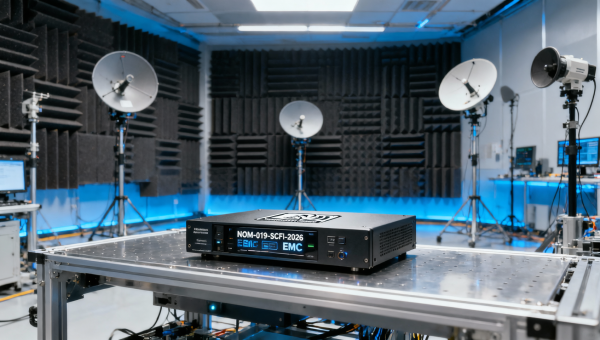
 Mexico NOM-019-SCFI-2026 Effective May 1, 2026: EMC Certification Mandatory for Auto ElectronicsNOM-019-SCFI-2026 EMC certification is now mandatory for auto electronics in Mexico—effective May 1, 2026. Ensure compliance for infotainment, ADAS, OBD-II & more.
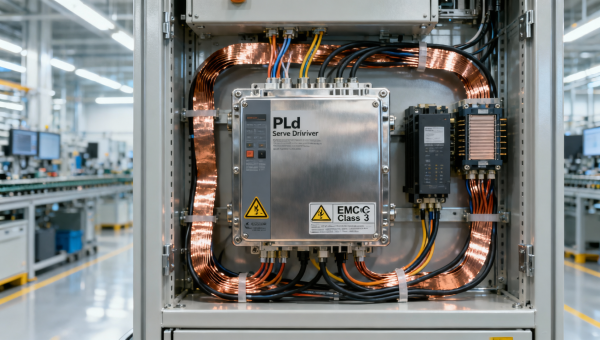
") TÜV Rheinland Updates CE Requirements for Servo Drives (PLd + EMC Class 3)TÜV Rheinland updates CE requirements for servo drives: PLd + EMC Class 3 joint validation mandatory from Q3 2026. Act now to avoid delays, rejections, or compliance risks.
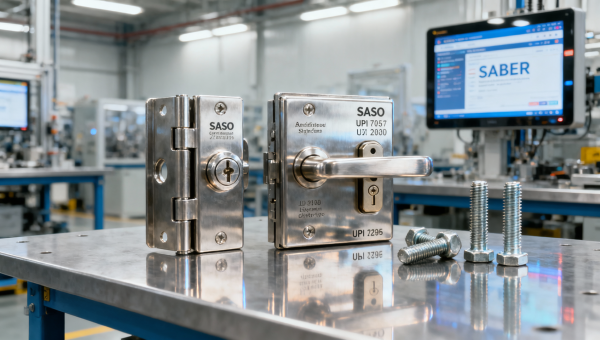
TÜV Rheinland Updates CE Requirements for Servo Drives (PLd + EMC Class 3)TÜV Rheinland updates CE requirements for servo drives: PLd + EMC Class 3 joint validation mandatory from Q3 2026. Act now to avoid delays, rejections, or compliance risks. SABER Phase II Launch: Building Hardware Must Submit Digital e-CoC & UPISABER Phase II mandates digital e-CoC & UPI for building hardware imports to Saudi Arabia—act now to ensure customs clearance and market access.
 FDA AI Diagnostic Device Draft Rules: Bias Assessment for ImportsFDA AI diagnostic device draft rules mandate bias assessment for imports — discover how algorithmic fairness impacts 510(k)/De Novo submissions and what to do now.
 RCEP Green Packaging Mutual Recognition Starts June 1, 2026RCEP Green Packaging Mutual Recognition starts June 1, 2026 — unlock faster exports to Australia, NZ, Japan & Korea with GB/T 37572-2025 certification.
 Vietnam Suspends SASO Mutual Recognition for Chinese Irrigation EquipmentVietnam suspends SASO mutual recognition for Chinese irrigation equipment—impacting exporters, testers & suppliers. Act now to avoid 6–8 week delays & 35% cost hikes.
 IMDG Code 41-24 Enforces UN3480 Class 9 Labeling for Li-ion Battery Sea FreightIMDG Code 41-24 enforces UN3480 Class 9 labeling for Li-ion battery sea freight—learn mandatory QR labels, compliance actions & port enforcement risks.
 EU CBAM Enters Enforcement Phase on April 1, 2026EU CBAM enforcement starts April 1, 2026 — critical for Chinese battery materials, construction profiles & industrial coatings exporters. Act now to avoid customs delays.
 Mexico Enforces NOM-019-SCFI-2026 EMC Certification for Auto Electronics from May 2026Mexico enforces NOM-019-SCFI-2026 EMC certification for auto electronics from May 2026 — mandatory local testing, stricter standards, and urgent compliance action required.
 Global Port Congestion Eases, but Red Sea Rerouting PersistsRed Sea rerouting persists amid easing port congestion—Shanghai–Rotterdam freight rates surge 4.2% to $5,280/TEU. Critical insights for exporters, importers & logistics leaders.
 RCEP Green Packaging Mutual Recognition Starts June 2026RCEP Green Packaging Mutual Recognition starts June 2026 — streamline exports to Australia, NZ, Japan & SK with GB/T 37572-2025 certification. Save time & costs!
 FDA AI Diagnostic Device Rules: ABIA Required from Q3 2026FDA AI diagnostic device rules now require ABIA reports from Q3 2026 — essential for 510(k)/De Novo submissions. Stay compliant, avoid delays & secure U.S. market access.
 Vietnam Suspends SASO Mutual Recognition for Chinese Irrigation EquipmentVietnam suspends SASO mutual recognition for Chinese irrigation equipment—sprinkler systems, drip controllers & irrigation systems now require local QUATEST 3 testing. Act now to avoid 12-week delays & 35% cost hikes.
") TÜV Rheinland Updates CE Certification for Industrial Robot Drives (2026 Q3)TÜV Rheinland’s 2026 Q3 CE certification update for industrial robot drives mandates PLd safety + EN 61800-3 EMC — act now to avoid EU market delays.
TÜV Rheinland Updates CE Certification for Industrial Robot Drives (2026 Q3)TÜV Rheinland’s 2026 Q3 CE certification update for industrial robot drives mandates PLd safety + EN 61800-3 EMC — act now to avoid EU market delays. IMDG Code Amendment 41-24 Takes Effect for Lithium Battery Sea FreightIMDG Code Amendment 41-24 is live: New QR labels, bilingual handling tags & SOC disclosure required for UN3480 lithium battery sea freight—act now to avoid delays.
 SASO SABER Phase II: Digital Type Test Reports Required for Building Hardware from Jun 2026SASO SABER Phase II requires digital type test reports & unique product IDs for building hardware exports to Saudi Arabia — effective June 2026. Act now to ensure compliance and avoid customs delays.
 CPSC Updates 16 CFR Part 1236: New Suffocation Test for Children's Sleep Sacks Effective July 2026CPSC Updates 16 CFR Part 1236: New suffocation test for children's sleep sacks takes effect July 2026 — ensure compliance, avoid delays & protect your U.S. market access.
 EN IEC 62471-2:2026 Effective Oct 2026 for EU LED Lighting ExportsEN IEC 62471-2:2026 mandates full-spectrum photobiological safety testing (200–3000 nm) for all EU-bound LED lighting — effective 1 Oct 2026. Act now to secure CE marking & avoid market access delays.
 AI Patent Tools Security Flaw Triggers Compliance ReviewAI Patent Tools security flaw exposed—triggering urgent compliance reviews for medical device, semiconductor & AI firms. Act now to secure submissions.















Popular Tags
Global Trade Insights & Industry
Our mission is to empower global exporters and importers with data-driven insights that foster strategic growth.
Search News
Popular Tags
Industry Overview
The global commercial kitchen equipment market is projected to reach $112 billion by 2027. Driven by urbanization, the rise of e-commerce food delivery, and strict hygiene regulations.