

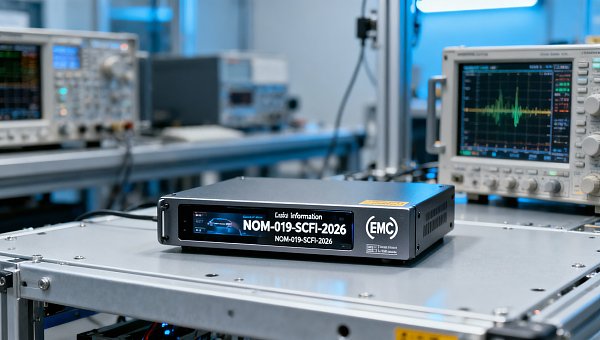
Mexico NOM-019-SCFI-2026 Effective July 2026: EMC Certification Mandatory for Auto Electronics
On April 26, 2026, Mexico’s Ministry of Economy announced the enforcement of NOM-019-SCFI-2026 — the new mandatory electromagnetic compatibility (EMC) standard for automotive electronic components — effective July 1, 2026. This regulation directly affects manufacturers and suppliers of car electronics and EV accessories exporting to or supplying Mexican OEMs, particularly Tier 2 suppliers based in China, who must obtain certification within six months of implementation to remain eligible for mainstream automaker supply chains.
Event Overview
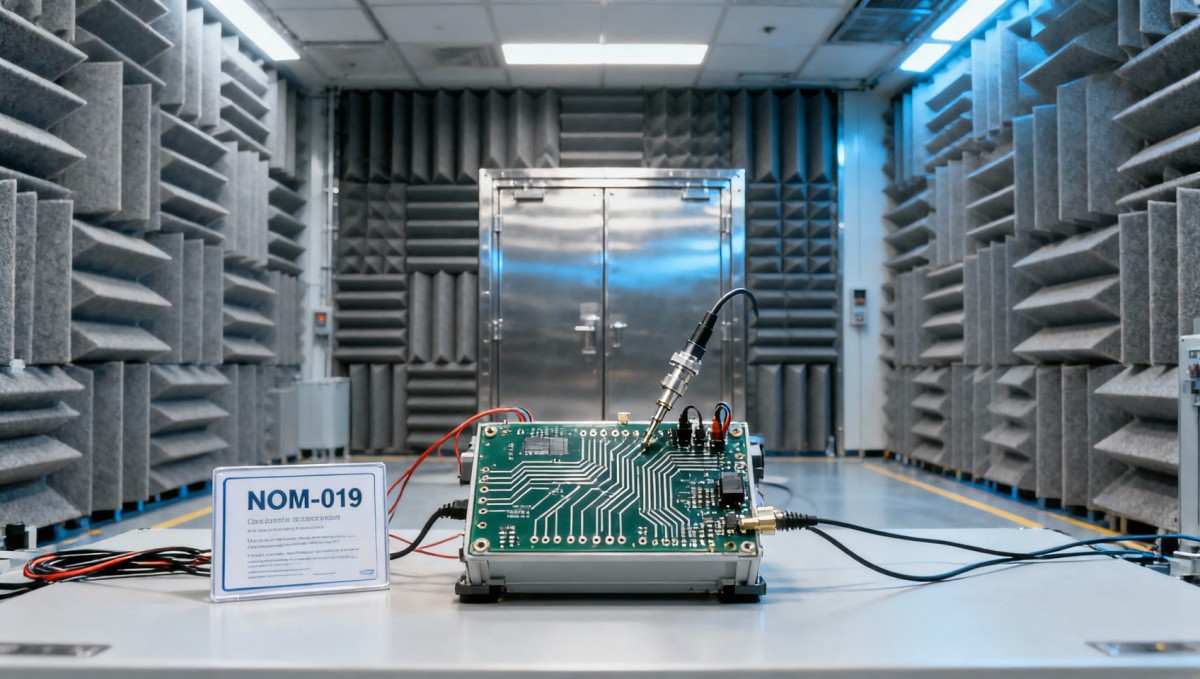
Mexico’s Ministry of Economy published NOM-019-SCFI-2026 on April 26, 2026. The standard, titled Electromagnetic Compatibility Requirements for Automotive Electronic Components, becomes mandatory on July 1, 2026. It applies to all automotive electronics and EV accessories sold or supplied in Mexico. Key technical updates include a 10 dB tightening of radiated emission limits and an upgrade of transient immunity test requirements to Level 4. Compliance is required prior to market entry or supply to certified Mexican vehicle manufacturers.
Industries Affected by Segment
Direct Exporters & Tier 2 Suppliers (e.g., Chinese Auto Electronics Manufacturers)
These entities face direct compliance obligations: non-certified products will be excluded from Mexican OEM procurement processes. Impact manifests as delayed shipments, contract renegotiations, and potential loss of Tier 1 integration opportunities if certification is not completed before the January 1, 2027 deadline (six months post-enforcement).
Automotive Component Distributors & Logistics Providers
Distributors handling car electronics or EV accessories destined for Mexico must verify certification status prior to customs clearance. Failure to confirm NOM-019 compliance may result in shipment holds or rejections at Mexican ports, increasing lead times and administrative overhead.
EMC Testing & Certification Service Providers
Accredited labs and notified bodies recognized by Mexico’s SCFI (Secretariat of Economy) will see increased demand for pre-compliance validation, formal testing, and certification issuance. However, only institutions officially designated under Mexico’s conformity assessment framework may issue valid NOM-019 certificates.
What Enterprises and Practitioners Should Monitor and Do Now
Confirm official recognition status of testing laboratories
Analysis shows that only laboratories accredited by Mexico’s National Accreditation Entity (EMA) and authorized by SCFI may conduct valid NOM-019 testing. Companies should verify lab credentials before initiating test campaigns — third-party reports from non-recognized facilities will not satisfy regulatory requirements.
Identify high-priority product categories for early certification
Observably, modules with high radiated emissions (e.g., DC-DC converters, onboard chargers, infotainment controllers) and those exposed to vehicle powertrain transients (e.g., motor control units, battery management systems) are most likely to require design adjustments. Prioritizing these for initial testing helps avoid bottlenecks ahead of the January 2027 deadline.
Review contractual terms with Tier 1 customers and Mexican OEMs
From industry perspective, many existing supply agreements do not yet allocate responsibility for NOM-019 certification costs or timelines. Suppliers should proactively align with buyers on documentation handover, test report acceptance criteria, and liability for non-compliant batches shipped after July 1, 2026.
Prepare technical documentation for SCFI submission
Current guidance indicates that certification requires full technical files — including schematics, PCB layouts, test plans, and final test reports — submitted via Mexico’s online conformity platform (Sistema de Evaluación de la Conformidad, SEC). Early familiarization with SEC’s interface and document formatting rules reduces processing delays.
Editorial Perspective / Industry Observation
This regulation is better understood as a structural signal than an isolated compliance milestone. Observably, NOM-019-SCFI-2026 reflects Mexico’s broader alignment with international EMC frameworks (e.g., ISO 11452, CISPR 25), suggesting future harmonization across Latin American markets may follow. Analysis shows that while enforcement begins in July 2026, its real impact unfolds over the subsequent 12–18 months — as certification backlogs emerge, OEMs update their supplier audit checklists, and customs authorities strengthen documentary verification. Industry stakeholders should treat this not as a one-time certification event, but as the first phase of sustained regulatory engagement with the Mexican automotive market.
Conclusion
This regulation marks a formal step toward stricter technical market access requirements in Mexico’s rapidly expanding automotive electronics ecosystem. Its significance lies less in immediate disruption and more in establishing a precedent: electromagnetic compatibility is now a non-negotiable, enforceable condition for supply chain participation. For affected enterprises, the current priority is not speculation about future revisions, but disciplined execution of certification planning — grounded in verified lab capacity, documented product scope, and clear alignment with downstream customers.
Information Source
Main source: Official notice issued by Mexico’s Ministry of Economy (Secretaría de Economía, SCFI), published April 26, 2026. Ongoing monitoring is advised for updates to the official list of accredited laboratories and SEC platform operational guidelines — both subject to revision prior to July 1, 2026.
Recommended News
 IMDG Code 41-24 Enforces UN3480 Class 9 Labeling for Lithium Battery Sea FreightIMDG Code 41-24 mandates UN3480 lithium battery sea freight to display durable Class 9 labels from April 27, 2026—avoid delays & port rejections.
 ESS Key Component Prices Drop ~80%: Quality & Compliance RiseESS key component prices dropped ~80%—but quality & compliance demands surged. Discover how UL 9540A, AS/NZS 5139, and certified BMS/inverters now define market access.
 Mexico NOM-019-SCFI-2026 Effective July 2026: EMC Certification Mandatory for Auto ElectronicsMexico NOM-019-SCFI-2026 mandates EMC certification for auto electronics from July 2026 — ensure compliance now to avoid supply chain disruption & customs delays.
 Red Sea Rerouting Normalized, ECA Surcharge Hits $1,850/TEURed Sea rerouting normalized: ECA surcharge hits $1,850/TEU — 47% of total freight cost. Impacting hand tools, building materials & furniture exporters to Europe. Act now.
 RCEP Green Packaging Mutual Recognition Takes EffectRCEP Green Packaging Mutual Recognition is live—GB/T 37537-2025–certified packaging now enjoys fast-track clearance in Australia, NZ, Japan & Korea. Save time, cut costs, and boost export efficiency.
 Vietnam Suspends SASO Mutual Recognition for Chinese Irrigation EquipmentVietnam suspends SASO mutual recognition for Chinese irrigation equipment—drip tapes, PE fittings, auto valves now require VINAQ-IR certification. Act now to avoid delays & customs hold.
 Key Energy Storage Equipment Prices Drop ~80% in ChinaKey energy storage equipment prices in China dropped ~80% — PCS, BMS & liquid cooling units. Discover implications for compliance, margins & standards enforcement.
") China Releases Green Design Guidelines for Industrial Products (2026)China's 2026 Green Design Guidelines for industrial products—covering PV modules, lithium batteries & smart appliances—link eco-design to green factory certification and export tax rebates starting 2027.
China Releases Green Design Guidelines for Industrial Products (2026)China's 2026 Green Design Guidelines for industrial products—covering PV modules, lithium batteries & smart appliances—link eco-design to green factory certification and export tax rebates starting 2027. Mexico NOM-019-SCFI-2026 Effective: Automotive Electronics Require New EMC CertificationMexico NOM-019-SCFI-2026 is live: Automotive electronics (infotainment, ADAS, domain controllers) now require mandatory EMC certification by July 31, 2026 — act now to avoid customs delays.
 Red Sea Detour Premium Rises to $1,850/TEU Amid Port Congestion ReliefRed Sea Detour Premium hits $1,850/TEU — now 43% of FE–NE freight rates. Discover why this structural surcharge demands urgent supply chain action.
 TÜV Rheinland Updates PLd Certification: EMC Immunity Now Mandatory for Servo DrivesTÜV Rheinland now mandates EN IEC 61000-6-2:2024 EMC immunity testing for PLd certification of servo drives—act before May 26, 2026 to avoid EU market delays.
 RCEP Green Packaging Mutual Recognition Effective Apr 26, 2026RCEP Green Packaging Mutual Recognition takes effect Apr 26, 2026—unlock faster customs clearance & cost savings for eco-friendly packaging exporters to AU, NZ, JP, KR.
 FDA Final Rule: AI Diagnostic Devices Must Submit Bias Impact ReportsFDA mandates AI diagnostic devices submit third-party-verified bias impact reports—key for 510(k)/De Novo submissions. Act now to ensure compliance & market access.
 Vietnam Suspends SASO Mutual Recognition for Chinese Irrigation EquipmentVietnam suspends SASO mutual recognition for Chinese irrigation equipment—urgent QCVN certification now required for drip tapes, sprinklers, valves & smart controllers.
 SABER Phase II Launch: Building Hardware Must Submit Digital Type Test Reports & PIDSABER Phase II now requires digital type test reports & PID for building hardware — fasteners, door/window, bathroom fixtures. Avoid port rejection: ensure PID-bound compliance before shipment.
 IMDG Code 41-24 Enforced: UN3480 Lithium Batteries Require Class 9 LabelsUN3480 lithium batteries now require ISO 7225-compliant Class 9 labels under IMDG Code 41-24 — enforceable globally from 26 April 2026. Act now to avoid shipment delays!
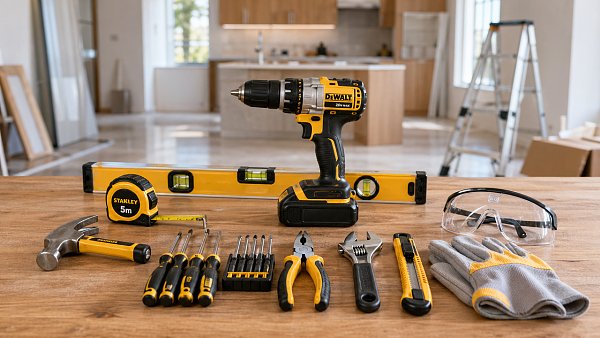
 Which Home Improvement Tools Do You Really Need First?Home improvement tools guide: discover the first essentials to buy, compare smart home automation devices and online trade platform sourcing tips, and make safer, smarter purchases.
 How to Compare an Online Trade Platform Before Signing Up?Compare an online trade platform with confidence—evaluate data quality, supplier trust, market insights, and search tools for smarter sourcing across cement price, MRI scanners cost, and more.
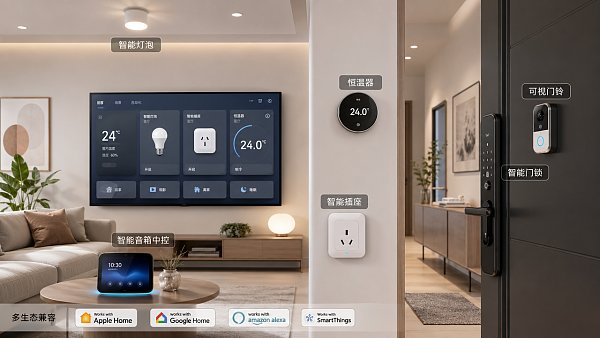
 Which Smart Home Automation Devices Are Easiest to Use?Smart home automation devices made simple: compare easy-to-use smart home automation devices, home improvement tools integration, and buyer tips from a business intelligence platform.
 Are Auto Detailing Services Worth the Cost?Auto detailing services: discover if the cost is justified, how pricing varies, and how a business intelligence platform helps buyers compare value, quality, and long-term ROI.
 What Makes Sustainable Fashion Brands Worth Buying?Sustainable fashion brands deliver transparency, quality, and lower risk. See how a business intelligence platform helps buyers verify value, avoid greenwashing, and source smarter.















Popular Tags
Global Trade Insights & Industry
Our mission is to empower global exporters and importers with data-driven insights that foster strategic growth.
Search News
Popular Tags
Industry Overview
The global commercial kitchen equipment market is projected to reach $112 billion by 2027. Driven by urbanization, the rise of e-commerce food delivery, and strict hygiene regulations.