

ESS Key Component Prices Drop ~80%: Quality & Compliance Rise
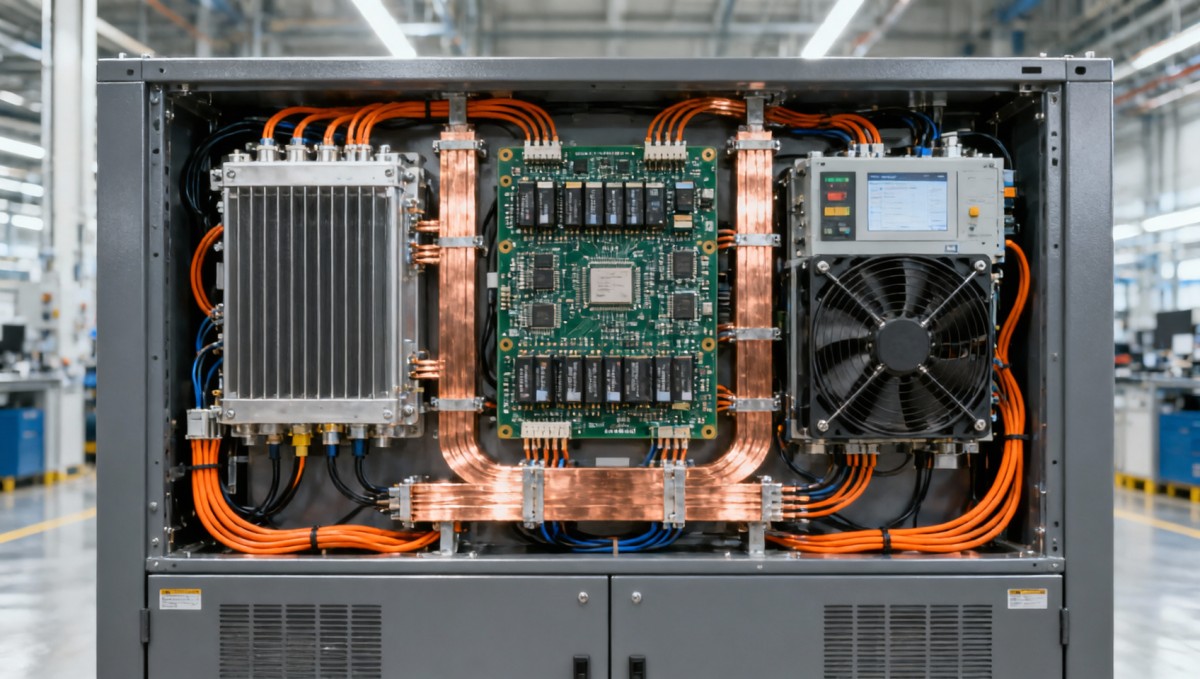
Global lithium-ion energy storage system (ESS) key component prices—including inverters, battery management systems (BMS), and thermal management modules—fell 78%–82% year-on-year in Q1 2026, per BloombergNEF’s April 27 report. This shift signals intensified industry consolidation and heightened scrutiny of quality and regulatory compliance, especially for exporters targeting the EU, Australia, and other mature markets.
Event Overview
According to BloombergNEF’s report released on April 27, 2026, average global prices for ESS critical hardware—specifically inverters, BMS, and thermal management modules—declined by 78% to 82% year-on-year in Q1 2026. The decline is attributed to expanded production capacity and accelerated technology iteration among leading Chinese manufacturers. Concurrently, regulatory authorities in the EU and Australia have strengthened enforcement of safety certifications—including UL 9540A and AS/NZS 5139—with certification-related costs now accounting for over 12% of total system cost.
Impact on Specific Industry Segments
Direct Trading Enterprises
These firms face compressed margins due to rapid price erosion across core ESS components. The drop undermines traditional volume-driven export models, particularly in price-sensitive emerging markets where certification requirements remain less stringent—but where buyer expectations for baseline safety are rising.
Raw Material Procurement Enterprises
While lower component prices may ease short-term procurement pressure, the concurrent tightening of compliance standards increases traceability and documentation demands. Suppliers must now verify material-level conformity with international fire safety and electrical performance benchmarks—not just end-product certification.
Manufacturing Enterprises
Manufacturers experience dual pressure: downward pricing from OEMs and upward cost pressure from mandatory testing, third-party audits, and documentation for UL 9540A or AS/NZS 5139. Product development cycles are lengthening as design validation now includes full system-level thermal runaway propagation analysis.
Distribution & Channel Enterprises
Channel partners—especially those serving commercial and utility-scale projects—are seeing increased pre-sale technical qualification requirements from end customers. Distributors must now provide verifiable evidence of certified component integration, not just product datasheets or supplier declarations.
What Relevant Enterprises or Practitioners Should Focus On
Monitor certification enforcement updates in target markets
EU and Australian regulators are increasing抽查 (spot checks) of UL 9540A test reports and AS/NZS 5139 installation compliance. Enterprises should track official notifications from bodies such as TÜV Rheinland, SGS, and JAS-ANZ—not only initial certification issuance but also post-market surveillance activity.
Prioritize certified subcomponents—not just final system labels
Analysis shows that many non-compliant installations stem from uncertified or mis-specified BMS/thermal modules—even when the full ESS bears a valid UL 9540A label. Buyers and integrators are now requesting full bill-of-materials (BOM) certification status, down to individual PCB-level approvals.
Distinguish between policy signals and operational readiness
Observably, some markets announce stricter rules well before enforcement infrastructure is scaled. For example, AS/NZS 5139:2023 mandates specific arc-fault detection for DC-coupled systems—but certified compatible inverters remain limited in supply. Enterprises should map timelines between regulation publication, test lab capacity, and vendor roadmap disclosures.
Prepare documentation and audit trails early—not at shipment
Current more than 12% compliance cost share reflects not just test fees, but internal resource allocation for documentation control, versioned test reports, and cross-functional QA sign-offs. Firms should integrate certification tracking into their PLM or ERP workflows ahead of first customer submission.
Editorial Perspective / Industry Observation
This price correction is better understood as a structural recalibration—not a temporary dip. From an industry perspective, the 78–82% component price drop reflects maturation of manufacturing scale and standardization, but its timing coincides precisely with tightening global safety governance. It is not merely a cost event; it is a signal that market access is increasingly gated by verifiable compliance—not just competitive pricing. Analysis suggests this trend will persist through 2026–2027, with further consolidation likely among mid-tier component suppliers unable to absorb both margin compression and certification overhead. The shift does not yet indicate widespread quality improvement—but it does raise the floor for minimum acceptable verification rigor.
Conclusion: This development underscores a broader transition—from ‘first-to-market’ speed to ‘first-to-verified’ reliability. It is not a crisis for compliant players, but a threshold event: enterprises whose operations treat certification as a one-time checkbox rather than an embedded process will face growing friction in high-integrity markets. Currently, it is more accurate to interpret this as an inflection point in market gatekeeping, rather than a broad-based quality upgrade.
Source: BloombergNEF, “Global Energy Storage System Component Pricing Report”, April 27, 2026. Note: Certification enforcement intensity and regional implementation timelines remain subject to ongoing observation.
Recommended News
 IMDG Code 41-24 Enforces UN3480 Class 9 Labeling for Lithium Battery Sea FreightIMDG Code 41-24 mandates UN3480 lithium battery sea freight to display durable Class 9 labels from April 27, 2026—avoid delays & port rejections.
 ESS Key Component Prices Drop ~80%: Quality & Compliance RiseESS key component prices dropped ~80%—but quality & compliance demands surged. Discover how UL 9540A, AS/NZS 5139, and certified BMS/inverters now define market access.
 Mexico NOM-019-SCFI-2026 Effective July 2026: EMC Certification Mandatory for Auto ElectronicsMexico NOM-019-SCFI-2026 mandates EMC certification for auto electronics from July 2026 — ensure compliance now to avoid supply chain disruption & customs delays.
 Red Sea Rerouting Normalized, ECA Surcharge Hits $1,850/TEURed Sea rerouting normalized: ECA surcharge hits $1,850/TEU — 47% of total freight cost. Impacting hand tools, building materials & furniture exporters to Europe. Act now.
 RCEP Green Packaging Mutual Recognition Takes EffectRCEP Green Packaging Mutual Recognition is live—GB/T 37537-2025–certified packaging now enjoys fast-track clearance in Australia, NZ, Japan & Korea. Save time, cut costs, and boost export efficiency.
 Vietnam Suspends SASO Mutual Recognition for Chinese Irrigation EquipmentVietnam suspends SASO mutual recognition for Chinese irrigation equipment—drip tapes, PE fittings, auto valves now require VINAQ-IR certification. Act now to avoid delays & customs hold.
 Key Energy Storage Equipment Prices Drop ~80% in ChinaKey energy storage equipment prices in China dropped ~80% — PCS, BMS & liquid cooling units. Discover implications for compliance, margins & standards enforcement.
") China Releases Green Design Guidelines for Industrial Products (2026)China's 2026 Green Design Guidelines for industrial products—covering PV modules, lithium batteries & smart appliances—link eco-design to green factory certification and export tax rebates starting 2027.
China Releases Green Design Guidelines for Industrial Products (2026)China's 2026 Green Design Guidelines for industrial products—covering PV modules, lithium batteries & smart appliances—link eco-design to green factory certification and export tax rebates starting 2027. Mexico NOM-019-SCFI-2026 Effective: Automotive Electronics Require New EMC CertificationMexico NOM-019-SCFI-2026 is live: Automotive electronics (infotainment, ADAS, domain controllers) now require mandatory EMC certification by July 31, 2026 — act now to avoid customs delays.
 Red Sea Detour Premium Rises to $1,850/TEU Amid Port Congestion ReliefRed Sea Detour Premium hits $1,850/TEU — now 43% of FE–NE freight rates. Discover why this structural surcharge demands urgent supply chain action.
 TÜV Rheinland Updates PLd Certification: EMC Immunity Now Mandatory for Servo DrivesTÜV Rheinland now mandates EN IEC 61000-6-2:2024 EMC immunity testing for PLd certification of servo drives—act before May 26, 2026 to avoid EU market delays.
 RCEP Green Packaging Mutual Recognition Effective Apr 26, 2026RCEP Green Packaging Mutual Recognition takes effect Apr 26, 2026—unlock faster customs clearance & cost savings for eco-friendly packaging exporters to AU, NZ, JP, KR.
 FDA Final Rule: AI Diagnostic Devices Must Submit Bias Impact ReportsFDA mandates AI diagnostic devices submit third-party-verified bias impact reports—key for 510(k)/De Novo submissions. Act now to ensure compliance & market access.
 Vietnam Suspends SASO Mutual Recognition for Chinese Irrigation EquipmentVietnam suspends SASO mutual recognition for Chinese irrigation equipment—urgent QCVN certification now required for drip tapes, sprinklers, valves & smart controllers.
 SABER Phase II Launch: Building Hardware Must Submit Digital Type Test Reports & PIDSABER Phase II now requires digital type test reports & PID for building hardware — fasteners, door/window, bathroom fixtures. Avoid port rejection: ensure PID-bound compliance before shipment.
 IMDG Code 41-24 Enforced: UN3480 Lithium Batteries Require Class 9 LabelsUN3480 lithium batteries now require ISO 7225-compliant Class 9 labels under IMDG Code 41-24 — enforceable globally from 26 April 2026. Act now to avoid shipment delays!
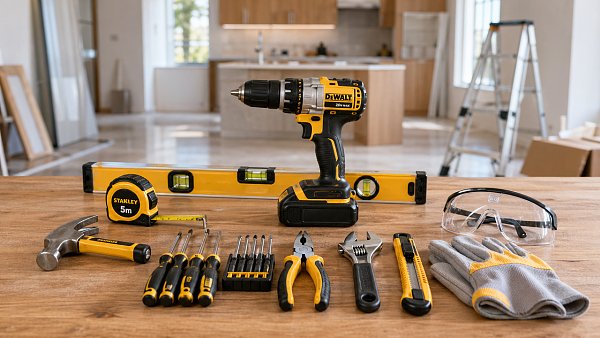
 Which Home Improvement Tools Do You Really Need First?Home improvement tools guide: discover the first essentials to buy, compare smart home automation devices and online trade platform sourcing tips, and make safer, smarter purchases.
 How to Compare an Online Trade Platform Before Signing Up?Compare an online trade platform with confidence—evaluate data quality, supplier trust, market insights, and search tools for smarter sourcing across cement price, MRI scanners cost, and more.
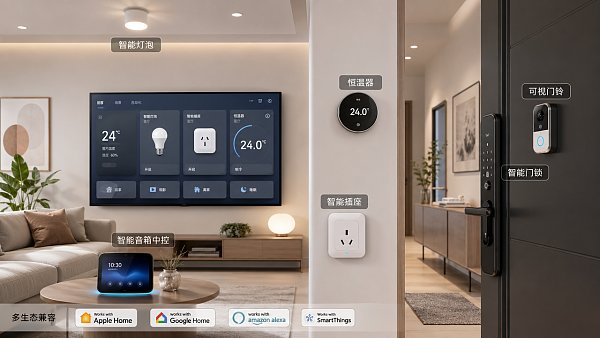
 Which Smart Home Automation Devices Are Easiest to Use?Smart home automation devices made simple: compare easy-to-use smart home automation devices, home improvement tools integration, and buyer tips from a business intelligence platform.
 Are Auto Detailing Services Worth the Cost?Auto detailing services: discover if the cost is justified, how pricing varies, and how a business intelligence platform helps buyers compare value, quality, and long-term ROI.
 What Makes Sustainable Fashion Brands Worth Buying?Sustainable fashion brands deliver transparency, quality, and lower risk. See how a business intelligence platform helps buyers verify value, avoid greenwashing, and source smarter.












Popular Tags
Global Trade Insights & Industry
Our mission is to empower global exporters and importers with data-driven insights that foster strategic growth.
Search News
Popular Tags
Industry Overview
The global commercial kitchen equipment market is projected to reach $112 billion by 2027. Driven by urbanization, the rise of e-commerce food delivery, and strict hygiene regulations.