

Which Home Improvement Tools Do You Really Need First?
Choosing the right home improvement tools first can save time, money, and costly mistakes—whether you are upgrading a workspace, evaluating smart home automation devices, or sourcing through an online trade platform. For buyers, project managers, and technical decision-makers, this guide highlights the essential tools that deliver real value, helping you build smarter, work safer, and plan purchases with greater confidence.
If you are asking which home improvement tools you really need first, the short answer is this: start with the tools that cover measuring, fastening, cutting, drilling, inspection, and safety. These are the tools that support the widest range of tasks, reduce rework, and deliver the best return on budget—especially for first-time buyers, facilities teams, maintenance staff, and sourcing professionals comparing suppliers.
Rather than buying a large toolkit all at once, it is usually smarter to build a practical first set based on job frequency, risk level, user skill, and compatibility with future projects. For business buyers and technical evaluators, the best starter tools are not always the cheapest—they are the ones that improve efficiency, consistency, and safe operation over time.
What tools should you buy first for real-world home improvement work?
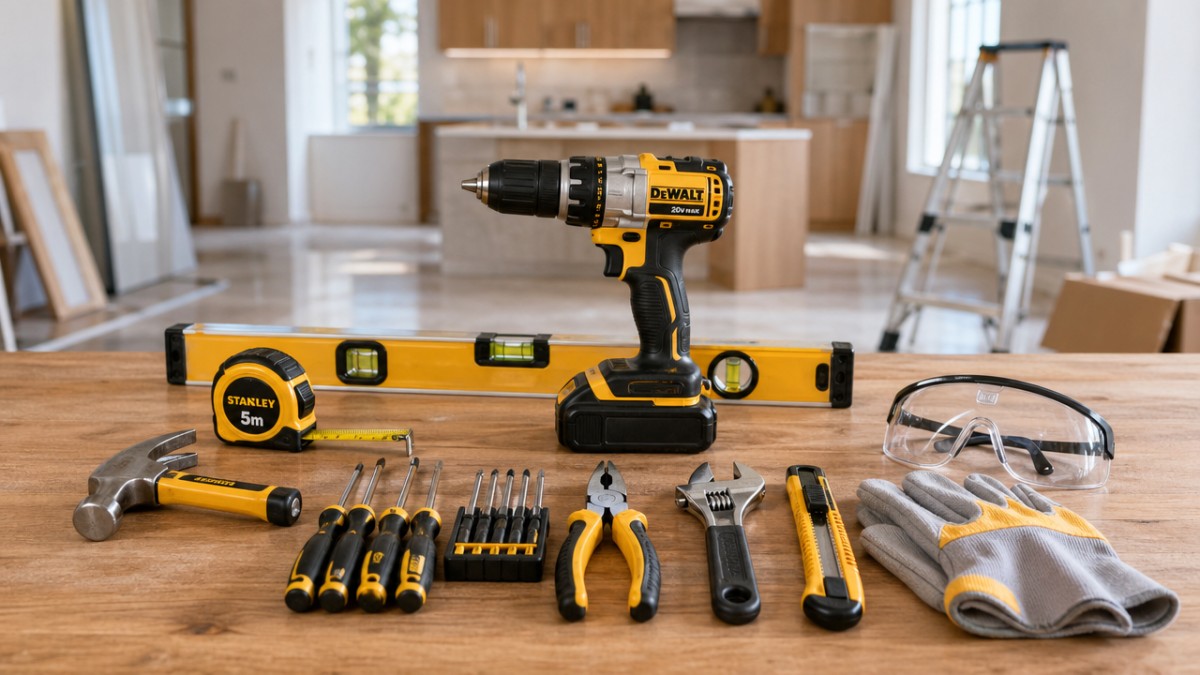
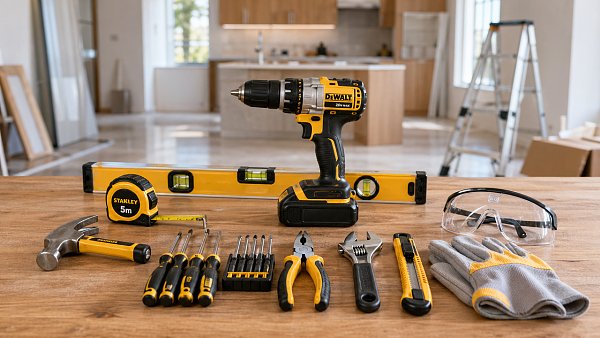
The best first-purchase tools are the ones that solve the most common jobs across repairs, installation, assembly, adjustment, and inspection. For most users, that means starting with the following essentials:
- Tape measure — for layout, furniture placement, material estimation, and installation accuracy
- Claw hammer — for basic fastening, removal, and light demolition
- Screwdriver set or multi-bit screwdriver — for hardware, fixtures, covers, appliances, and light electrical faceplates
- Cordless drill/driver — one of the highest-value tools for drilling holes and driving screws quickly
- Adjustable wrench — useful for plumbing connections, furniture assembly, and light maintenance
- Pliers set — especially slip-joint and needle-nose pliers for gripping, bending, and holding
- Utility knife — for trimming, unpacking, cutting caulk, scoring drywall, and general material prep
- Level — critical for shelves, frames, cabinets, rails, and device mounting
- Stud finder — important for safe wall mounting and avoiding weak anchor points
- Safety gear — at minimum gloves, eye protection, and dust protection
If the budget allows one power tool first, a cordless drill/driver is usually the smartest choice. It supports furniture assembly, wall mounting, hardware replacement, pilot drilling, and many light-duty renovation tasks. For many users, it delivers the fastest improvement in productivity.
Why these tools matter more than buying a large tool set
Many buyers assume a larger kit means better preparedness. In practice, oversized beginner kits often include low-use items while missing quality in the tools that matter most. What users really need first is coverage of common tasks, not maximum tool count.
These starter tools matter because they help address the jobs that appear most often:
- Installing shelves, curtain rods, and wall fixtures
- Assembling office or home furniture
- Making basic plumbing or hardware adjustments
- Measuring spaces before ordering parts or materials
- Handling light repairs without hiring outside labor
- Checking alignment, wall support, and mounting safety
For project managers and procurement teams, this approach also improves purchasing efficiency. Instead of buying broad, low-priority assortments, you can standardize a smaller first-line toolkit that supports maintenance personnel, installation crews, or pilot workspace upgrades with lower upfront risk.
How to choose the right first tools based on use case
Not every buyer needs the same starting toolkit. The right selection depends on who will use the tools, how often they will be used, and what type of environment they will support.
For homeowners and first-time users
Prioritize simplicity, safety, and versatility. A basic hand-tool set plus a reliable cordless drill is usually enough for common household jobs.
For maintenance teams and operators
Focus on durability, battery runtime, ergonomic design, and replacement availability. Tools should withstand repeated use and reduce downtime.
For technical evaluators
Compare torque range, chuck size, bit compatibility, material quality, insulation options, calibration consistency, and safety certifications where relevant.
For procurement and business decision-makers
Look beyond unit price. Consider lifecycle cost, warranty support, spare parts, user training needs, and whether the tools can scale across multiple sites or teams.
For distributors and sourcing professionals
Assess whether product lines match market demand. Entry-level tool demand is often strongest in drills, screwdriver sets, measuring tools, and bundled safety accessories.
Which features are worth paying for—and which are not?
When buying home improvement tools, some features genuinely improve performance, while others mainly add cost without meaningful value for early-stage users.
Worth paying for:
- Comfortable grip and balanced weight
- Durable steel or reinforced construction
- Reliable battery platform for cordless tools
- Clear measurement markings
- Bit and accessory compatibility
- Good warranty and after-sales support
- Relevant safety compliance and testing
Often lower priority for first-time buyers:
- Premium branding without performance difference
- Very high torque for light-duty tasks
- Large accessory bundles with low-use items
- Specialized cutting or demolition capability before basic needs are covered
This matters especially in B2B sourcing. A lower sticker price may look attractive, but tools that wear out quickly, fail under normal use, or lack battery continuity often create higher replacement costs and user frustration.
What mistakes do buyers make when building a starter toolkit?
The most common mistake is buying tools in the wrong order. Instead of starting with the tools needed for everyday installation and repair, buyers often spend too early on specialized equipment.
Other frequent mistakes include:
- Ignoring safety gear until after an incident or near miss
- Choosing low-quality measuring tools that create installation errors
- Buying corded tools for spaces where mobility matters more
- Selecting different battery systems that increase charging complexity
- Overlooking storage and transport needs
- Failing to match tool selection to the actual skill level of users
For organizations, another mistake is evaluating tools only by procurement cost rather than by task completion speed, maintenance burden, and user safety. A practical toolkit should reduce friction in daily work, not simply satisfy a purchasing checklist.
How to prioritize purchases when the budget is limited
If you cannot buy everything at once, follow a staged approach. This helps both individual buyers and enterprise purchasers make better decisions.
Stage 1: Core essentials
- Tape measure
- Screwdriver set
- Hammer
- Utility knife
- Pliers
- Adjustable wrench
- Safety glasses and gloves
Stage 2: Productivity upgrade
- Cordless drill/driver
- Drill bit set
- Driver bits
- Level
- Stud finder
Stage 3: Project-specific additions
- Circular saw or jigsaw for cutting tasks
- Socket set for mechanical fastening
- Caulking gun for finishing and sealing
- Voltage tester for basic electrical safety checks
- Work light for low-visibility areas
This phased model works well for sourcing teams because it aligns spend with actual demand and reduces idle inventory. It also helps compare suppliers based on core products first before expanding into broader categories.
What should businesses and trade buyers look for when sourcing these tools?
For B2B buyers, the question is not just which home improvement tools are needed first, but which suppliers can deliver them consistently at the right quality level.
Key sourcing considerations include:
- Product consistency — especially across batches and SKUs
- Certification and compliance — important for safety-sensitive categories
- MOQ and scalability — whether the supplier supports both pilot and larger volume orders
- Packaging and branding flexibility — useful for distributors and private-label buyers
- Lead times — critical for seasonal demand or project schedules
- Technical documentation — including battery specs, material details, and operating guidance
- After-sales support — warranty handling, spare parts, and replacement process
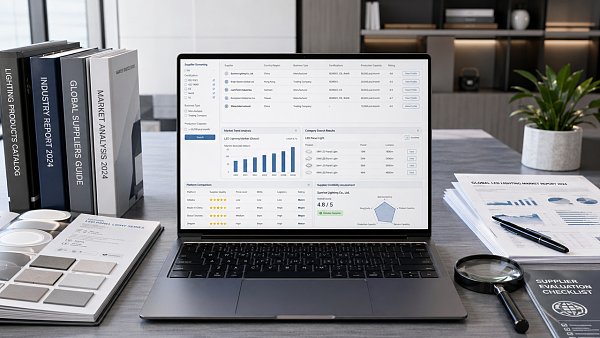
For international buyers using trade intelligence platforms, it is also helpful to compare supplier history, sector activity, export market focus, and product range depth. This can reduce sourcing risk and improve long-term supplier alignment.
Final answer: what do you really need first?
If you want the most practical answer, start with a small, high-utility toolkit instead of a large, unfocused collection. Your first home improvement tools should help you measure accurately, fasten securely, drill efficiently, inspect safely, and handle basic repairs with confidence.
For most users, the smartest first purchases are a tape measure, screwdriver set, hammer, pliers, adjustable wrench, utility knife, level, safety gear, and a cordless drill/driver. These tools cover the majority of common tasks and create the strongest foundation for future upgrades.
Whether you are a homeowner, facilities operator, procurement lead, or sourcing specialist, the real value comes from choosing tools that match actual use, long-term reliability, and safe performance. Buy for function first, expand by project need, and evaluate every purchase by how much time, cost, and risk it saves.
Recommended News
 IMDG Code 41-24 Enforces UN3480 Class 9 Labeling for Lithium Battery Sea FreightIMDG Code 41-24 mandates UN3480 lithium battery sea freight to display durable Class 9 labels from April 27, 2026—avoid delays & port rejections.
 ESS Key Component Prices Drop ~80%: Quality & Compliance RiseESS key component prices dropped ~80%—but quality & compliance demands surged. Discover how UL 9540A, AS/NZS 5139, and certified BMS/inverters now define market access.
 Mexico NOM-019-SCFI-2026 Effective July 2026: EMC Certification Mandatory for Auto ElectronicsMexico NOM-019-SCFI-2026 mandates EMC certification for auto electronics from July 2026 — ensure compliance now to avoid supply chain disruption & customs delays.
 Red Sea Rerouting Normalized, ECA Surcharge Hits $1,850/TEURed Sea rerouting normalized: ECA surcharge hits $1,850/TEU — 47% of total freight cost. Impacting hand tools, building materials & furniture exporters to Europe. Act now.
 RCEP Green Packaging Mutual Recognition Takes EffectRCEP Green Packaging Mutual Recognition is live—GB/T 37537-2025–certified packaging now enjoys fast-track clearance in Australia, NZ, Japan & Korea. Save time, cut costs, and boost export efficiency.
 Vietnam Suspends SASO Mutual Recognition for Chinese Irrigation EquipmentVietnam suspends SASO mutual recognition for Chinese irrigation equipment—drip tapes, PE fittings, auto valves now require VINAQ-IR certification. Act now to avoid delays & customs hold.
 Key Energy Storage Equipment Prices Drop ~80% in ChinaKey energy storage equipment prices in China dropped ~80% — PCS, BMS & liquid cooling units. Discover implications for compliance, margins & standards enforcement.
") China Releases Green Design Guidelines for Industrial Products (2026)China's 2026 Green Design Guidelines for industrial products—covering PV modules, lithium batteries & smart appliances—link eco-design to green factory certification and export tax rebates starting 2027.
China Releases Green Design Guidelines for Industrial Products (2026)China's 2026 Green Design Guidelines for industrial products—covering PV modules, lithium batteries & smart appliances—link eco-design to green factory certification and export tax rebates starting 2027. Mexico NOM-019-SCFI-2026 Effective: Automotive Electronics Require New EMC CertificationMexico NOM-019-SCFI-2026 is live: Automotive electronics (infotainment, ADAS, domain controllers) now require mandatory EMC certification by July 31, 2026 — act now to avoid customs delays.
 Red Sea Detour Premium Rises to $1,850/TEU Amid Port Congestion ReliefRed Sea Detour Premium hits $1,850/TEU — now 43% of FE–NE freight rates. Discover why this structural surcharge demands urgent supply chain action.
 TÜV Rheinland Updates PLd Certification: EMC Immunity Now Mandatory for Servo DrivesTÜV Rheinland now mandates EN IEC 61000-6-2:2024 EMC immunity testing for PLd certification of servo drives—act before May 26, 2026 to avoid EU market delays.
 RCEP Green Packaging Mutual Recognition Effective Apr 26, 2026RCEP Green Packaging Mutual Recognition takes effect Apr 26, 2026—unlock faster customs clearance & cost savings for eco-friendly packaging exporters to AU, NZ, JP, KR.
 FDA Final Rule: AI Diagnostic Devices Must Submit Bias Impact ReportsFDA mandates AI diagnostic devices submit third-party-verified bias impact reports—key for 510(k)/De Novo submissions. Act now to ensure compliance & market access.
 Vietnam Suspends SASO Mutual Recognition for Chinese Irrigation EquipmentVietnam suspends SASO mutual recognition for Chinese irrigation equipment—urgent QCVN certification now required for drip tapes, sprinklers, valves & smart controllers.
 SABER Phase II Launch: Building Hardware Must Submit Digital Type Test Reports & PIDSABER Phase II now requires digital type test reports & PID for building hardware — fasteners, door/window, bathroom fixtures. Avoid port rejection: ensure PID-bound compliance before shipment.
 IMDG Code 41-24 Enforced: UN3480 Lithium Batteries Require Class 9 LabelsUN3480 lithium batteries now require ISO 7225-compliant Class 9 labels under IMDG Code 41-24 — enforceable globally from 26 April 2026. Act now to avoid shipment delays!
 Which Home Improvement Tools Do You Really Need First?Home improvement tools guide: discover the first essentials to buy, compare smart home automation devices and online trade platform sourcing tips, and make safer, smarter purchases.
 How to Compare an Online Trade Platform Before Signing Up?Compare an online trade platform with confidence—evaluate data quality, supplier trust, market insights, and search tools for smarter sourcing across cement price, MRI scanners cost, and more.
 Which Smart Home Automation Devices Are Easiest to Use?Smart home automation devices made simple: compare easy-to-use smart home automation devices, home improvement tools integration, and buyer tips from a business intelligence platform.
 Are Auto Detailing Services Worth the Cost?Auto detailing services: discover if the cost is justified, how pricing varies, and how a business intelligence platform helps buyers compare value, quality, and long-term ROI.
 What Makes Sustainable Fashion Brands Worth Buying?Sustainable fashion brands deliver transparency, quality, and lower risk. See how a business intelligence platform helps buyers verify value, avoid greenwashing, and source smarter.















Popular Tags
Global Trade Insights & Industry
Our mission is to empower global exporters and importers with data-driven insights that foster strategic growth.
Search News
Popular Tags
Industry Overview
The global commercial kitchen equipment market is projected to reach $112 billion by 2027. Driven by urbanization, the rise of e-commerce food delivery, and strict hygiene regulations.