

IMDG Code 41-24 Enforces UN3480 Class 9 Labeling for Lithium Battery Sea Freight
Effective April 27, 2026, the International Maritime Organization (IMO) has confirmed the global mandatory enforcement of Amendment 41-24 to the International Maritime Dangerous Goods (IMDG) Code. This requires all lithium-ion battery shipments classified under UN3480 to display a Class 9 hazard diamond label (minimum 100 mm × 100 mm), meeting durability standards for water resistance, abrasion resistance, and permanent adhesion. Industries involved in lithium battery trade, electric vehicle accessories, and power transmission equipment must now assess compliance implications across supply chains.
Event Overview
On April 27, 2026, the IMO officially confirmed that IMDG Code Amendment 41-24 enters into force globally on that date. The amendment mandates that all sea freight consignments containing lithium-ion batteries (UN3480) must bear a Class 9 hazard diamond label of minimum dimensions 100 mm × 100 mm. The label must be water-resistant, abrasion-resistant, and permanently affixed. This requirement applies universally to lithium batteries, EV accessories, and power transmission components. Non-compliant cargo will be refused loading at major global ports.
Industries Affected by Segment
Direct Exporters and Importers
These entities are directly responsible for documentation, labeling, and port clearance. Failure to apply compliant labels will result in shipment rejection—causing delays, demurrage costs, and potential contractual penalties. Impact manifests at the final packaging and declaration stage, where label verification is integrated into carrier and terminal pre-checks.
Manufacturers of Lithium Batteries and Battery-Powered Devices
Manufacturers must ensure labeling is applied before handover to freight forwarders or carriers. For OEMs supplying batteries to EV or energy storage system integrators, this adds a new verification step in final packaging protocols—and may require revalidation of existing packaging lines or third-party labeling services.
Distribution and Logistics Service Providers
Fulfillment centers, contract packagers, and freight forwarders handling mixed-lot shipments face increased inspection liability. They must confirm label presence, size, and durability prior to booking; otherwise, they risk bearing responsibility for port-side non-compliance—even if labeling was omitted upstream.
Suppliers of EV Accessories and Power Transmission Components
Many such products contain embedded or integrated lithium cells (e.g., battery management modules, portable inverters, smart grid sensors). Previously treated as non-hazardous end goods, these items now fall under UN3480 classification if lithium cells exceed specified watt-hour thresholds—and thus require Class 9 labeling per IMDG 41-24.
What Relevant Enterprises or Practitioners Should Focus On and How to Respond
Verify current labeling specifications against IMO’s official guidance
While the requirement is effective April 27, 2026, national maritime authorities (e.g., USCG, UK MCA, China MSA) may issue implementation notices with minor procedural clarifications. Enterprises should monitor updates from their flag state and port state control bodies—not just the IMO text—to align with local enforcement interpretation.
Identify UN3480-covered SKUs across product portfolios
Not all lithium-containing products trigger UN3480 classification—only those meeting specific criteria (e.g., lithium content, watt-hour rating, cell configuration). Companies should conduct internal classification reviews using the latest IMDG Code provisions, especially Sections 3.9.2.5 and 3.9.2.6, to determine which SKUs require labeling.
Update packaging workflows and supplier agreements
Label application must occur prior to container stuffing. Manufacturers and packagers should revise SOPs to include label verification checkpoints—and update procurement terms with label suppliers to guarantee material compliance (e.g., ISO/IEC 15416-compliant adhesion testing, UV-stable pigments).
Prepare for cross-border coordination ahead of Q1 2026
Given lead times for label sourcing, print validation, and internal training, companies should initiate readiness assessments no later than Q4 2025. Early engagement with carriers and terminal operators on label acceptance criteria—especially for consolidated shipments—is advisable to avoid last-minute discrepancies.
Editorial Perspective / Industry Observation
Observably, IMDG Code 41-24 does not introduce new hazard classification logic for lithium batteries—it formalizes and enforces long-standing technical expectations around visible, durable hazard communication. Analysis shows this is less a regulatory shift and more an operational hardening: enforcement mechanisms (e.g., automated label scanning at terminals, AI-assisted document review) have matured enough to support consistent global application. From an industry standpoint, the mandate signals growing convergence between regulatory intent and digital logistics infrastructure—making compliance less about policy awareness and more about traceable, auditable execution. Current attention should focus less on whether the rule applies, and more on how labeling integration affects end-to-end shipment visibility and handover accountability.

In summary, IMDG Code 41-24 marks a milestone in standardizing physical hazard communication for lithium battery sea freight—not by redefining risk, but by raising the bar for verifiable, durable labeling. It is best understood not as an isolated compliance task, but as a catalyst for reviewing packaging integrity, supply chain handover protocols, and documentation traceability across international logistics touchpoints.
Source: International Maritime Organization (IMO), IMDG Code Amendment 41-24 (adopted 2024, entered into force April 27, 2026). Note: National implementation guidance from maritime administrations remains under observation and may vary in timing or emphasis.
Recommended News
 IMDG Code 41-24 Enforces UN3480 Class 9 Labeling for Lithium Battery Sea FreightIMDG Code 41-24 mandates UN3480 lithium battery sea freight to display durable Class 9 labels from April 27, 2026—avoid delays & port rejections.
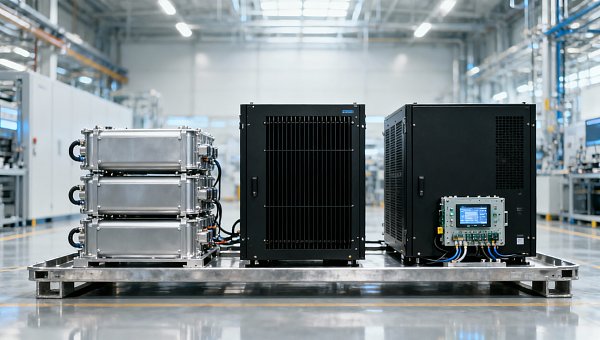
 ESS Key Component Prices Drop ~80%: Quality & Compliance RiseESS key component prices dropped ~80%—but quality & compliance demands surged. Discover how UL 9540A, AS/NZS 5139, and certified BMS/inverters now define market access.
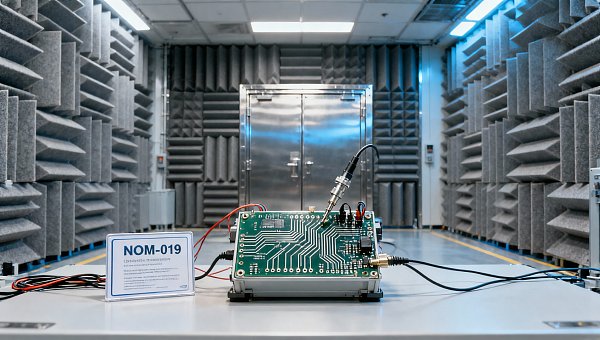
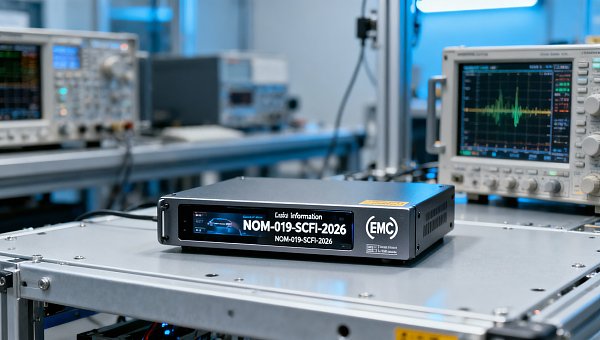
 Mexico NOM-019-SCFI-2026 Effective July 2026: EMC Certification Mandatory for Auto ElectronicsMexico NOM-019-SCFI-2026 mandates EMC certification for auto electronics from July 2026 — ensure compliance now to avoid supply chain disruption & customs delays.
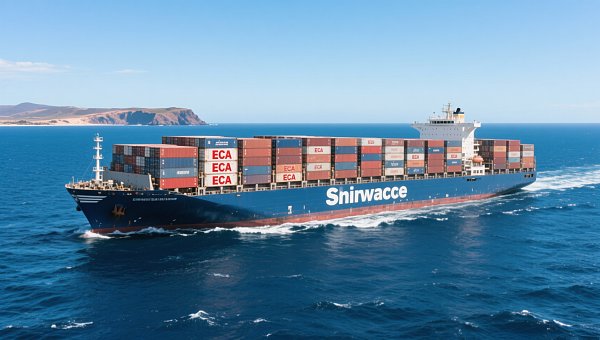
 Red Sea Rerouting Normalized, ECA Surcharge Hits $1,850/TEURed Sea rerouting normalized: ECA surcharge hits $1,850/TEU — 47% of total freight cost. Impacting hand tools, building materials & furniture exporters to Europe. Act now.
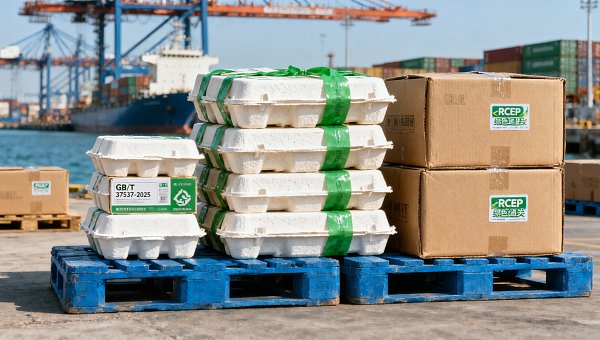
 RCEP Green Packaging Mutual Recognition Takes EffectRCEP Green Packaging Mutual Recognition is live—GB/T 37537-2025–certified packaging now enjoys fast-track clearance in Australia, NZ, Japan & Korea. Save time, cut costs, and boost export efficiency.
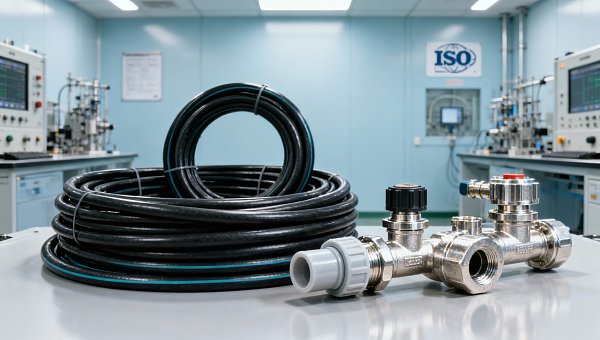
 Vietnam Suspends SASO Mutual Recognition for Chinese Irrigation EquipmentVietnam suspends SASO mutual recognition for Chinese irrigation equipment—drip tapes, PE fittings, auto valves now require VINAQ-IR certification. Act now to avoid delays & customs hold.
 Key Energy Storage Equipment Prices Drop ~80% in ChinaKey energy storage equipment prices in China dropped ~80% — PCS, BMS & liquid cooling units. Discover implications for compliance, margins & standards enforcement.
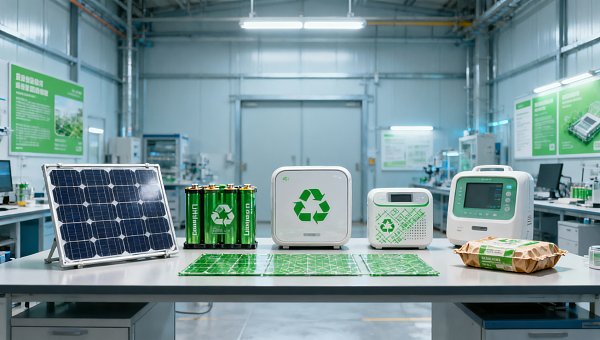
") China Releases Green Design Guidelines for Industrial Products (2026)China's 2026 Green Design Guidelines for industrial products—covering PV modules, lithium batteries & smart appliances—link eco-design to green factory certification and export tax rebates starting 2027.
China Releases Green Design Guidelines for Industrial Products (2026)China's 2026 Green Design Guidelines for industrial products—covering PV modules, lithium batteries & smart appliances—link eco-design to green factory certification and export tax rebates starting 2027. Mexico NOM-019-SCFI-2026 Effective: Automotive Electronics Require New EMC CertificationMexico NOM-019-SCFI-2026 is live: Automotive electronics (infotainment, ADAS, domain controllers) now require mandatory EMC certification by July 31, 2026 — act now to avoid customs delays.
 Red Sea Detour Premium Rises to $1,850/TEU Amid Port Congestion ReliefRed Sea Detour Premium hits $1,850/TEU — now 43% of FE–NE freight rates. Discover why this structural surcharge demands urgent supply chain action.
 TÜV Rheinland Updates PLd Certification: EMC Immunity Now Mandatory for Servo DrivesTÜV Rheinland now mandates EN IEC 61000-6-2:2024 EMC immunity testing for PLd certification of servo drives—act before May 26, 2026 to avoid EU market delays.
 RCEP Green Packaging Mutual Recognition Effective Apr 26, 2026RCEP Green Packaging Mutual Recognition takes effect Apr 26, 2026—unlock faster customs clearance & cost savings for eco-friendly packaging exporters to AU, NZ, JP, KR.
 FDA Final Rule: AI Diagnostic Devices Must Submit Bias Impact ReportsFDA mandates AI diagnostic devices submit third-party-verified bias impact reports—key for 510(k)/De Novo submissions. Act now to ensure compliance & market access.
 Vietnam Suspends SASO Mutual Recognition for Chinese Irrigation EquipmentVietnam suspends SASO mutual recognition for Chinese irrigation equipment—urgent QCVN certification now required for drip tapes, sprinklers, valves & smart controllers.
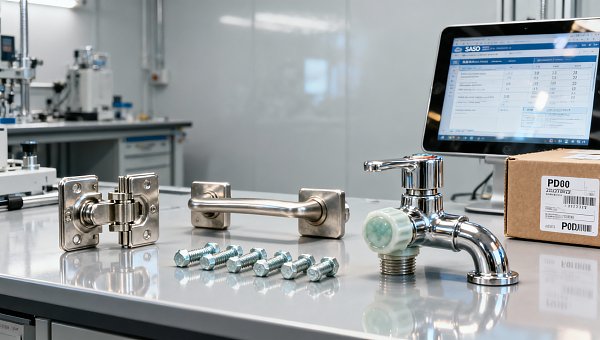
 SABER Phase II Launch: Building Hardware Must Submit Digital Type Test Reports & PIDSABER Phase II now requires digital type test reports & PID for building hardware — fasteners, door/window, bathroom fixtures. Avoid port rejection: ensure PID-bound compliance before shipment.
 IMDG Code 41-24 Enforced: UN3480 Lithium Batteries Require Class 9 LabelsUN3480 lithium batteries now require ISO 7225-compliant Class 9 labels under IMDG Code 41-24 — enforceable globally from 26 April 2026. Act now to avoid shipment delays!
 Which Home Improvement Tools Do You Really Need First?Home improvement tools guide: discover the first essentials to buy, compare smart home automation devices and online trade platform sourcing tips, and make safer, smarter purchases.
 How to Compare an Online Trade Platform Before Signing Up?Compare an online trade platform with confidence—evaluate data quality, supplier trust, market insights, and search tools for smarter sourcing across cement price, MRI scanners cost, and more.
 Which Smart Home Automation Devices Are Easiest to Use?Smart home automation devices made simple: compare easy-to-use smart home automation devices, home improvement tools integration, and buyer tips from a business intelligence platform.
 Are Auto Detailing Services Worth the Cost?Auto detailing services: discover if the cost is justified, how pricing varies, and how a business intelligence platform helps buyers compare value, quality, and long-term ROI.
 What Makes Sustainable Fashion Brands Worth Buying?Sustainable fashion brands deliver transparency, quality, and lower risk. See how a business intelligence platform helps buyers verify value, avoid greenwashing, and source smarter.











Popular Tags
Global Trade Insights & Industry
Our mission is to empower global exporters and importers with data-driven insights that foster strategic growth.
Search News
Popular Tags
Industry Overview
The global commercial kitchen equipment market is projected to reach $112 billion by 2027. Driven by urbanization, the rise of e-commerce food delivery, and strict hygiene regulations.