

What matters most when choosing telemedicine hardware for clinics
Choosing the right Telemedicine hardware can directly affect clinical efficiency, patient experience, and long-term return on investment. For procurement teams, the decision goes beyond basic device specifications—it requires balancing reliability, compliance, integration, and scalability. This guide explores the key factors clinics should evaluate to ensure their telemedicine setup supports both immediate care delivery and future operational growth.
Understanding what Telemedicine hardware includes
Telemedicine hardware refers to the physical devices that enable remote clinical communication, examination support, patient monitoring, and digital workflow continuity. In a clinic setting, this can range from high-definition cameras, microphones, speakers, displays, and mobile carts to connected diagnostic peripherals such as digital stethoscopes, otoscopes, ECG devices, blood pressure monitors, and patient vital sign tools. In many cases, Telemedicine hardware also includes networking accessories, charging systems, mounting structures, and backup power components.
For buyers, the topic matters because hardware is the visible operational layer of telehealth. Software may power the platform, but hardware determines whether clinicians can see clearly, hear accurately, capture patient data reliably, and move through appointments without delays. Poor device choices often create hidden costs through downtime, training burden, compatibility issues, and reduced adoption by staff.
This is why procurement teams should treat Telemedicine hardware as part of a broader care delivery system rather than an isolated equipment purchase. The right selection supports stable service, stronger patient trust, and a smoother digital care experience.
Why clinics are paying closer attention to hardware decisions
Clinics across primary care, specialty care, urgent care, and outpatient services are under pressure to improve access while controlling operational costs. Telehealth has moved from an emergency response tool to a long-term service model, which means clinics now need dependable infrastructure rather than temporary setups. As virtual consultations become more common, expectations around image quality, diagnostic accuracy, and cybersecurity have increased.
Another reason Telemedicine hardware has become a priority is that hybrid care models are expanding. Many providers are combining in-person visits, remote follow-ups, home monitoring, and specialist consultations. Hardware must therefore support not only video communication but also structured data capture and clinical documentation. In procurement terms, that means evaluating lifecycle value, interoperability, and maintenance support, not just upfront price.
From a market intelligence perspective, clinics are also making more evidence-based decisions. Organizations that rely on quality industry information and supplier comparison data can reduce risk in vendor selection and identify solutions that align with long-term strategic growth. For procurement professionals, visibility into product trends and supplier credibility is increasingly important in a competitive healthcare technology environment.
Core factors that matter most in Telemedicine hardware selection
Clinical use fit
The first question is whether the hardware matches the clinical purpose. A general consultation room may only require a stable camera, clear audio, and a secure display interface. A dermatology clinic may need higher-resolution imaging, while cardiology may depend on connected monitoring equipment. Procurement teams should define actual use cases before comparing models. A device that performs well in one specialty may be underpowered or unnecessarily complex in another.
Audio and video performance
Reliable communication is the foundation of telehealth. Cameras should deliver consistent image quality under clinic lighting conditions, and microphones must capture speech clearly even in shared care environments. Echo reduction, noise suppression, and speaker quality all influence whether a consultation feels professional and clinically safe. When evaluating Telemedicine hardware, buyers should request performance demonstrations under real-world conditions rather than relying only on marketing specifications.
Diagnostic peripheral quality
If the clinic intends to support remote examination, peripheral quality becomes essential. Connected devices should provide clinically usable data, maintain signal stability, and integrate cleanly with software platforms. It is not enough for a digital stethoscope or camera attachment to connect; it must support reproducible clinical interpretation. Procurement teams should involve end users in testing these peripherals before standardizing a purchase.
Interoperability and software integration
One of the most overlooked issues in Telemedicine hardware selection is integration. Clinics often use electronic health records, scheduling tools, secure communication systems, and billing workflows that must work together. Hardware that requires manual workarounds or creates fragmented data flows can reduce clinician productivity. Buyers should verify compatibility with operating systems, video platforms, peripheral drivers, and healthcare IT environments before purchase approval.
Security and compliance readiness
Healthcare procurement cannot ignore security. Devices should support secure access controls, firmware update management, encrypted data transmission where relevant, and safe user authentication practices. In regulated environments, the risk is not only data loss but service disruption and reputational damage. Telemedicine hardware should align with internal IT governance and applicable compliance requirements in the clinic’s operating market.
Durability, maintenance, and support
Clinics need hardware that can withstand frequent daily use. Mobile carts, mounted devices, charging stations, and cables should be assessed for build quality and serviceability. It is wise to review warranty terms, spare part access, vendor response times, and software update policies. A lower-cost unit can become more expensive over time if downtime is frequent or replacements are difficult to source.
A practical overview of clinic hardware priorities
The table below summarizes how Telemedicine hardware priorities often shift according to use environment and clinical objective.
Business value beyond the equipment itself
The value of strong Telemedicine hardware is not limited to technical performance. For clinics, better hardware can shorten appointment delays, improve staff confidence, reduce repeat sessions caused by connection issues, and support more consistent patient engagement. In remote consultation models, trust is built through clarity and reliability. A patient who struggles to hear the clinician or sees poor image quality may question the quality of care, even when clinical expertise is strong.
There is also a planning advantage. Clinics that standardize the right hardware architecture can scale services more efficiently across departments or locations. This matters to procurement teams managing multiple facilities, because standardization simplifies support, training, spare inventory, and vendor negotiations. It also creates stronger internal benchmarks for future investment decisions.
In the broader trade and industrial information landscape, buyers increasingly benefit from supplier intelligence, product trend monitoring, and digital visibility into market developments. Access to high-authority B2B information sources can help clinics and healthcare procurement stakeholders compare solutions more effectively and identify vendors with stronger reliability signals.
Common deployment models and what they require
Not every clinic deploys Telemedicine hardware in the same way. Understanding the model helps narrow the specifications that truly matter.
Practical evaluation steps for procurement teams
A structured evaluation process reduces expensive mistakes. Start by mapping the care pathway: who will use the equipment, for what type of consultation, in which environment, and with which software ecosystem. Then define non-negotiable requirements such as compliance alignment, minimum audio-video quality, peripheral compatibility, and network resilience.
Next, involve both clinicians and IT teams in product review. Clinicians can judge usability and care relevance, while IT can assess integration, security, and maintainability. It is also helpful to run a pilot rather than scaling immediately. A short deployment phase can reveal practical issues involving room acoustics, battery life, software drivers, device cleaning procedures, or staff training gaps.
Procurement should also compare total cost of ownership. This includes installation, accessories, maintenance contracts, replacement cycles, updates, and support responsiveness. Telemedicine hardware that appears affordable upfront may create recurring inefficiencies if peripherals fail often or if vendor support is weak.
Mistakes clinics should avoid
One common mistake is purchasing generic video equipment and assuming it will meet clinical expectations. Another is overbuying advanced diagnostic peripherals that are rarely used, which increases complexity without clear return. Some clinics also underestimate staff adoption. If the interface is cumbersome or setup takes too long, use rates may remain low even when the hardware is technically capable.
A further risk is treating Telemedicine hardware as a one-time project. In reality, virtual care infrastructure should be reviewed as patient demand, reimbursement models, and specialty services evolve. Procurement planning works best when hardware choices are connected to broader digital health strategy rather than isolated departmental requests.
Moving from selection to long-term value
For clinics, the best Telemedicine hardware is not simply the most advanced option. It is the solution that fits clinical purpose, integrates with existing systems, supports compliance, and remains dependable over time. Procurement teams that evaluate hardware through both operational and strategic lenses are more likely to achieve sustainable value.
As telehealth continues to mature, informed decision-making becomes a competitive advantage. Clinics that combine careful product assessment with trustworthy market intelligence can build digital care environments that are efficient today and scalable tomorrow. Whether the goal is better access, stronger specialist collaboration, or more resilient outpatient service delivery, selecting the right Telemedicine hardware is a foundational step worth getting right.
Recommended News
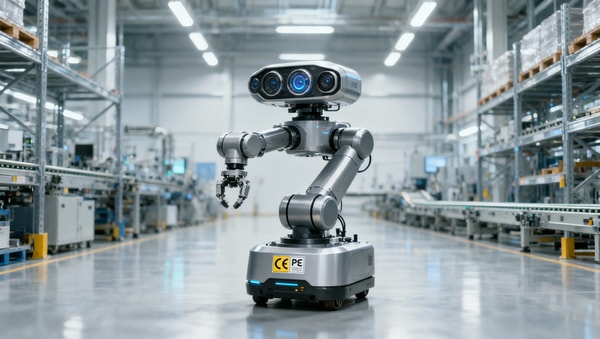
 China’s First Embodied AI Robot Export Liability Insurance Launched in GuangxiEmbodied AI Robot Export Liability Insurance launched in Guangxi—China’s first insurer-backed solution for EU/Japan-bound industrial & service robots. Boost compliance, trust & tenders now.
 Morocco: 4th Top African Recipient of EU Energy Aid, Boosting China’s PV & Storage ExportsMorocco’s EU energy aid boost unlocks opportunities for Chinese PV mounting structures & containerized energy storage exports—act now to leverage new regulatory advantages.
 Industrial Robot Controller Thermal Gel: China's Export-Ready Heat Dissipation SolutionIndustrial Robot Controller Thermal Gel: China’s export-ready, TÜV-certified heat dissipation solution (8.5 W/mK) for robotics in SEA & Mexico.
 ADB Raises Vietnam’s 2026 GDP Forecast to 7.2% on Sino-Vietnam Supply Chain IntegrationADB raises Vietnam’s 2026 GDP forecast to 7.2% amid deepening Sino-Vietnam supply chain integration in electronics, solar PV, and lithium battery PACK production — key insight for OEMs, exporters & integrators.
 First National SME Service Demonstration Platforms AnnouncedFirst National SME Service Demonstration Platforms announced—16 specialize in REACH, UKCA, UL certification & rapid factory audits for exporters.
 U.S. Natural Gas Inventory Growth Below Forecast: Impact on Plastic Export CostsU.S. natural gas inventory growth missed forecast—impacting plastic export costs globally. Learn how rising TTF prices affect PP/PE resin costs, margins & supply chain strategy for exporters.
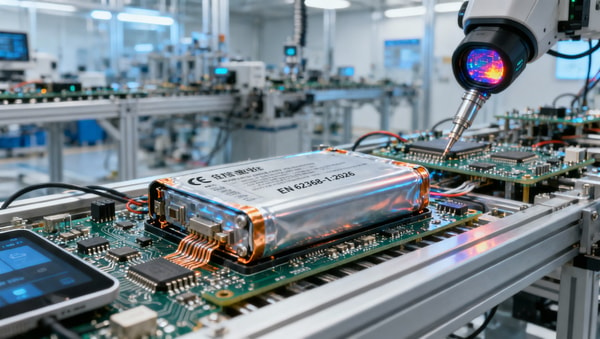
 EN 62368-1:2026 Enforced in EU: Thermal Runaway Protection for Wearables & Smart Home DevicesEN 62368-1:2026 is now mandatory in the EU—learn how thermal runaway protection impacts wearables, smart home devices & EV accessories.
 Q1 2026 Industrial Profits Up 15.5%: Supply Chain Cost Stability ConfirmedQ1 2026 Industrial Profits Up 15.5% — supply chain cost stability confirmed for global procurement, contract manufacturing & OEM teams.
") MIIT Releases Service Trade Standardization Plan (2026–2030)MIIT's 2026–2030 Service Trade Standardization Plan boosts AI-driven digital services—remote QA, cloud maintenance, intelligent warehouse SaaS—for global export competitiveness.
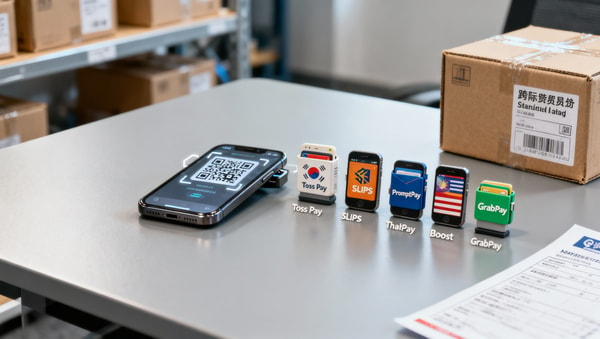
MIIT Releases Service Trade Standardization Plan (2026–2030)MIIT's 2026–2030 Service Trade Standardization Plan boosts AI-driven digital services—remote QA, cloud maintenance, intelligent warehouse SaaS—for global export competitiveness. WeChat Pay Integrates QR Codes from 5 Countries for B2B Cross-Border SettlementWeChat Pay integrates QR codes from South Korea, Sri Lanka, Thailand, Malaysia & Singapore — enabling faster, cheaper B2B cross-border settlement for global buyers and Chinese suppliers.
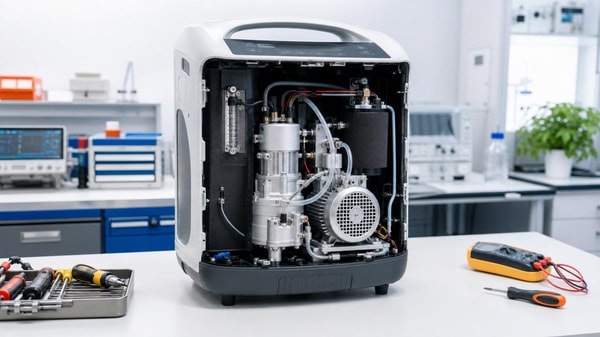
 Portable oxygen concentrators get noisy over time for several reasonsPortable oxygen concentrators get noisy over time due to dust, wear, loose parts, and aging compressors. Learn key causes, inspection priorities, and service tips to prevent failures.
 Interactive whiteboards: what schools regret not checking earlyInteractive whiteboards can boost learning, but schools often regret missing key checks on compatibility, durability, training, and support. Discover how to buy smarter.
 Medical diagnostic equipment downtime usually starts with this oversightMedical diagnostic equipment downtime often starts with one overlooked maintenance gap. Learn the warning signs, hidden costs, and smart service strategies to improve uptime.
 Eco-friendly building materials: where certification changes the decisionEco-friendly building materials now win or lose on certification. Learn how verified standards reduce sourcing risk, support compliance, and improve procurement decisions.
 Ergonomic workspace design mistakes that still cause daily strainErgonomic workspace design mistakes can silently cause daily strain, fatigue, and lower productivity. Discover practical fixes to improve comfort, focus, and workstation performance.
 Outdoor garden supplies that wear out too fast in summer heatOutdoor garden supplies can fail fast in extreme summer heat. Discover which items wear out first, what materials last longer, and how to buy smarter for durable, cost-saving performance.
 Sustainable home decor: how to spot green claims with substanceSustainable home decor explained: learn how to spot credible green claims, avoid greenwashing, compare materials and certifications, and choose stylish, healthier pieces with real impact.
 Modern office furniture trends that improve layout flexibilityModern office furniture trends are transforming flexible workplace design. Explore modular, mobile, ergonomic, and acoustic solutions that boost productivity and smarter space planning.
 Smart street lighting works best when control systems are not overlookedSmart street lighting succeeds when control systems come first. Learn how better monitoring, dimming, and integration improve ROI, maintenance efficiency, and long-term project performance.
 What solid-state battery breakthroughs are still years from market?Solid-state battery breakthroughs sound transformative, but which ones are still years from market? Explore the technical, cost, and scaling barriers shaping real adoption timelines.
 Commercial LED lighting retrofits: when is payback slower than planned?Commercial LED lighting payback can slip when costs, runtime, rebates, and controls are misjudged. Learn the hidden risks and review steps that protect ROI before approval.














Popular Tags
Global Trade Insights & Industry
Our mission is to empower global exporters and importers with data-driven insights that foster strategic growth.
Search News
Popular Tags
Industry Overview
The global commercial kitchen equipment market is projected to reach $112 billion by 2027. Driven by urbanization, the rise of e-commerce food delivery, and strict hygiene regulations.