

Portable oxygen concentrators: what noise levels feel acceptable?
Portable oxygen concentrators can greatly improve mobility, but noise is often a deciding factor for daily comfort. For users and operators, understanding what sound level feels acceptable is essential when comparing models for sleep, travel, work, or home use. This guide explains how Portable oxygen concentrators typically sound in real-life settings and what noise range is generally considered manageable.
For most users, an acceptable noise level for Portable oxygen concentrators is usually in the range of about 35 to 45 decibels, depending on where and how the device is used. At the lower end, the sound may blend into normal background noise at home. Around the middle of that range, many users still find it manageable for daytime use, conversation, and travel. Once the sound level climbs higher, especially into the upper 40s or beyond, comfort becomes much more personal and situational.
The real issue is that “acceptable” does not depend on decibel numbers alone. Sound character matters just as much as sound level. A soft, steady hum may be easy to ignore, while a pulsing airflow noise, compressor cycling, vibration, or a high-pitched whine can feel far more disturbing even if the official decibel rating looks reasonable. That is why buyers should not compare models by spec sheets alone.
If your main concern is sleep, quiet indoor use, or long hours around the machine, the most useful question is not simply “How loud is it?” but “What does it sound like in the setting where I will actually use it?” This is where user-centered evaluation becomes much more helpful than a marketing claim that a unit is “whisper quiet.”
What users are really trying to know when they ask about noise
When people search for answers about Portable oxygen concentrators and noise levels, they are usually not looking for a technical explanation of acoustics. They want practical reassurance. They want to know whether the device will interrupt sleep, make it hard to watch television, create awkward moments in public, or become irritating after several hours of continuous use.
That search intent is highly practical and comparison-driven. Users are often deciding between models, preparing for long-term oxygen therapy, or replacing an older unit that feels too loud. Some are also caregivers trying to choose a machine for a family member who is sensitive to noise, anxious about medical equipment, or already struggling with sleep quality.
Because of that, the most valuable content is content that translates decibel ratings into lived experience. Readers need context, not just numbers. They want to know what 38 dB feels like in a bedroom, whether 43 dB is acceptable on a train, or how pulse-dose operation sounds compared with continuous flow. The best guidance helps them imagine daily life with the device before they buy or operate it.
What noise level usually feels acceptable in everyday use?
In practical terms, many users find Portable oxygen concentrators around 35 to 40 dB relatively comfortable for regular indoor use. In a home office, living room, or quiet daytime setting, that range is often noticeable but not overwhelming. If the machine has a smooth sound profile and low vibration, it may quickly fade into the background for many people.
Once noise levels reach roughly 41 to 45 dB, acceptability becomes more dependent on the environment and the user’s sensitivity. During the day, many people still tolerate this range well, especially in spaces with ambient sound such as a fan, conversation, traffic outside, or normal household activity. However, in a quiet bedroom at night, that same machine may feel much more intrusive.
Above 45 dB, the device may still be perfectly usable, but more users begin to describe it as distracting, especially if they are seated close to the unit or using it for many hours. This does not automatically mean the concentrator is “too loud.” A frequent traveler in airports or public settings may barely notice it. But for bedside use, reading, or light sleep, the sound may become a deciding factor.
A helpful rule of thumb is this: lower 30s to around 40 dB is generally preferred for quiet spaces, the low-to-mid 40s is often acceptable for daytime mobility and mixed environments, and anything above that should be evaluated very carefully against your use case rather than accepted on paper.
Why decibel ratings do not tell the whole story
Decibel ratings are useful, but they are incomplete. Manufacturers may test noise under different conditions, from different distances, or at different settings. A Portable oxygen concentrator may also sound louder when oxygen demand increases, when filters age, or when the device is placed on a hard surface that amplifies vibration.
Just as important, the ear does not experience every sound equally. Two concentrators with the same official dB rating can feel very different. A low, steady hum is often easier to adapt to than an uneven pulse, a clicking valve, or a sharp mechanical tone. This is why some users dislike one “quiet” machine more than another slightly louder one.
Another factor is distance. The same unit can feel much quieter when placed a few feet away rather than directly beside the user’s head or chair. In real life, users often place Portable oxygen concentrators on a bedside table, under a desk, in a carrying case, or near walls and furniture. These choices can change how the sound is reflected, muffled, or amplified.
For that reason, a smart comparison should include four questions: what is the rated noise level, under what operating condition was it measured, what type of sound does it make, and how close will the machine be during your actual routine? Those answers together are far more useful than a single number in a brochure.
How acceptable noise changes by use scenario
Sleep is usually the most demanding test. At night, background noise is lower, attention is sharper, and repeated sound patterns become harder to ignore. A Portable oxygen concentrator that seems fine in the afternoon may feel much louder at 2 a.m. Users who are light sleepers generally benefit from quieter models, greater placement distance, and a test period before committing to long-term use.
For daytime use at home, tolerance is usually higher. In a kitchen, living room, or home office, everyday sounds naturally mask some of the machine’s output. Many users accept moderate noise well when they are active, reading, speaking with others, or watching television. If the unit is portable and the sound is smooth, it may stop drawing attention after a short adjustment period.
Travel creates a different standard. In airports, airplanes, stations, and vehicles, environmental noise is already elevated. In those settings, users may prioritize battery life, portability, and oxygen performance over ultra-low noise. A model that feels somewhat loud at night may still be completely acceptable during travel because the surrounding environment absorbs the difference.
Work and public settings depend on social comfort as much as hearing comfort. Some users worry less about being personally annoyed and more about whether others will notice the machine during meetings, in waiting rooms, or at restaurants. In these cases, a discreet sound profile and non-rattling build can matter as much as absolute decibel level.
What target readers care about most when comparing models
Users and operators typically care about three things above all: whether the machine will disturb sleep, whether it will become irritating over long periods, and whether the sound feels socially noticeable in public. These are not minor preferences. For oxygen users, comfort directly affects confidence, compliance, and willingness to use the concentrator consistently.
A device that is technically effective but unpleasant to live with may end up being used less than intended. That is why acceptable noise should be judged as part of overall usability, not as a secondary spec. A quieter or better-sounding model can support more stable daily routines, less stress during travel, and a smoother transition for first-time users.
Readers also want a way to judge value. They want to know whether paying more for a quieter machine is worth it. In many cases, the answer is yes if the device will be used during sleep, in small apartments, in shared rooms, or for long daily sessions. But if the main need is active daytime mobility in already noisy places, a slightly louder model may still represent a practical choice.
What helps most is not a generic ranking of “quiet vs loud,” but a fit-based comparison. The right question is: which Portable oxygen concentrator has a noise profile that matches the user’s environment, schedule, hearing sensitivity, and expectations?
How to evaluate noise before choosing a Portable oxygen concentrator
The first step is to ask for the official noise rating and the condition under which it was measured. Was the machine tested on pulse dose or continuous flow? At what setting? From what distance? If those details are missing, the published number is less meaningful than it appears.
The second step is to look for real-world demonstrations. Video reviews, user testimonials, dealer recordings, and hands-on trials can reveal whether the machine hums, pulses, clicks, or vibrates. Even though recordings are imperfect, they often provide a better sense of character than a written specification.
Third, think in terms of your primary environment. If you plan to sleep with the unit nearby, evaluate it in a quiet room. If it will mainly be used in transit, imagine it against airport and traffic noise. If you are concerned about work or conversation, pay attention to whether the sound competes with speech or fades under normal interaction.
Finally, consider placement and accessories. A good carrying case, a soft surface underneath the machine, proper tubing management, and enough distance from the bed or chair can significantly improve the experience. Sometimes a unit is not truly too loud; it is simply positioned poorly for the way the user lives.
Common reasons a concentrator feels louder than expected
One common reason is unrealistic expectation. Marketing language such as “quiet operation” or “whisper-like performance” can lead buyers to expect near silence. In reality, Portable oxygen concentrators contain mechanical and airflow components, so some audible sound is normal. The goal is not silence but tolerable, non-intrusive operation.
Another reason is operating mode. A concentrator may sound different at higher oxygen settings or when changing between pulse and continuous delivery. Some users notice bursts of sound during inhalation response, while others are more aware of fan or compressor noise during extended operation. That variation can make a machine feel different across the day.
Maintenance also matters. Dirty filters, blocked vents, worn parts, or unstable placement can increase perceived noise. Even a quiet model may become more distracting if airflow is restricted or the device vibrates against a hard table, wall, or luggage frame. Routine care can help preserve both performance and comfort.
In addition, user sensitivity varies widely. People with hearing sensitivity, tinnitus, poor sleep, or anxiety around repetitive mechanical sounds may experience the same device as much louder than others do. Acceptable noise is therefore partly technical and partly personal, which is why trial use is so valuable when possible.
Practical ways to make Portable oxygen concentrators less disruptive
If the machine is otherwise suitable, there are several ways to improve comfort without changing the device. Place it on a stable, slightly cushioned surface rather than a hollow table or hard resonant floor. Avoid pushing it too close to walls or corners where sound can reflect back toward the user.
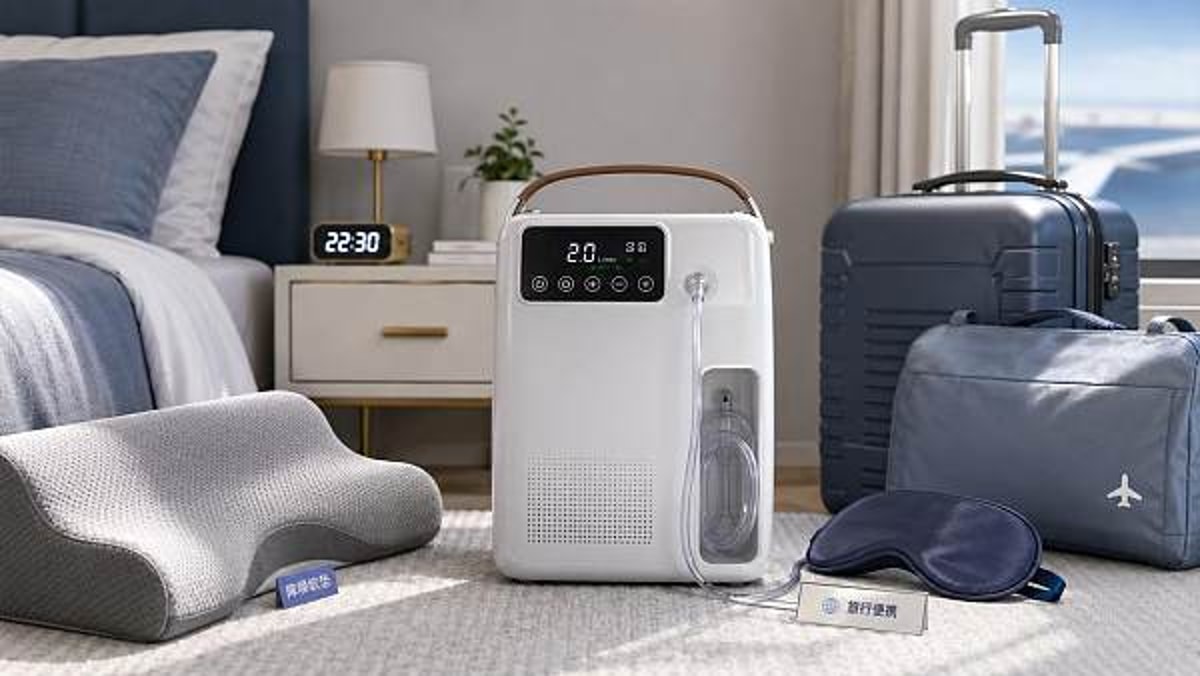
Positioning can make a major difference during sleep. Increasing the distance from the bed, when tubing length and safety allow, often reduces perceived loudness more effectively than expected. Some users place the concentrator a few feet away rather than directly beside the pillow area, which can make the sound easier to tolerate.
Keeping filters clean and following maintenance guidance is also essential. Airflow restriction can change both sound and efficiency. If the device suddenly seems louder than normal, users should check whether vents are blocked or whether service is needed rather than assuming the model itself is the problem.
Background sound can help too. A fan, air purifier, or gentle white noise may make a steady concentrator sound less noticeable at night. This does not solve every issue, but for some users it changes the machine from an irritating focal sound into part of the room’s general acoustic background.
Final judgment: what noise level should you personally accept?
For most people, Portable oxygen concentrators in the 35 to 40 dB range are a comfortable target for quiet daily use, especially if sleep or prolonged indoor use is important. Machines in the 41 to 45 dB range are often still acceptable, but suitability depends more strongly on the user’s sensitivity, room conditions, and operating scenario. Above that, careful real-world evaluation becomes increasingly important.
The most useful takeaway is that acceptable noise is not just a spec-sheet question. It is a quality-of-life question. Users should judge a concentrator by how it sounds in their actual environment, how close it will be, how long it will run, and whether the sound is smooth or irritating over time. Those factors often matter more than a small difference in official decibel numbers.
If you are comparing Portable oxygen concentrators, prioritize a model that fits your real routine rather than chasing the lowest advertised figure alone. A slightly louder machine with a softer sound character may feel better than a lower-rated one with pulse noise or vibration. The right choice is the one that supports oxygen needs without creating unnecessary daily strain.
In short, an acceptable noise level is the one that lets the user sleep, move, work, and travel with confidence. That usually means quiet enough to blend into life rather than dominate it. When judging Portable oxygen concentrators, real-life comfort is the standard that matters most.
Recommended News
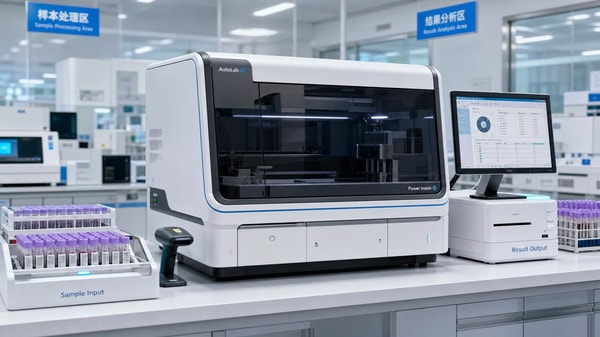
 Medical diagnostic equipment buying mistakes often start with workflowMedical diagnostic equipment buying mistakes often begin with workflow gaps. Learn how to compare systems, uncover hidden costs, and choose suppliers that fit real clinical operations.
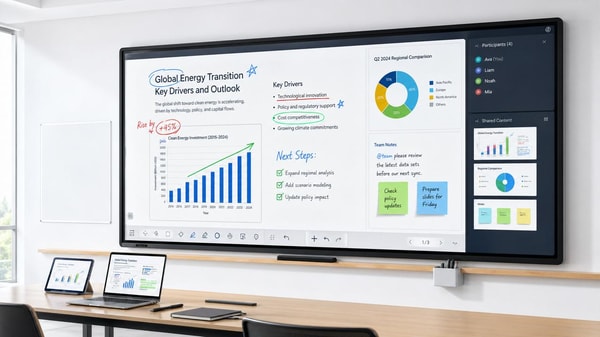
 Interactive whiteboards are improving, but teacher adoption is unevenInteractive whiteboards are improving fast, but teacher adoption remains uneven. Explore what drives classroom success, ROI, and smarter edtech implementation.
 Portable oxygen concentrators: what noise levels feel acceptable?Portable oxygen concentrators: discover what noise levels feel acceptable for sleep, travel, work, and home use, with practical guidance to choose a quieter, more comfortable model.
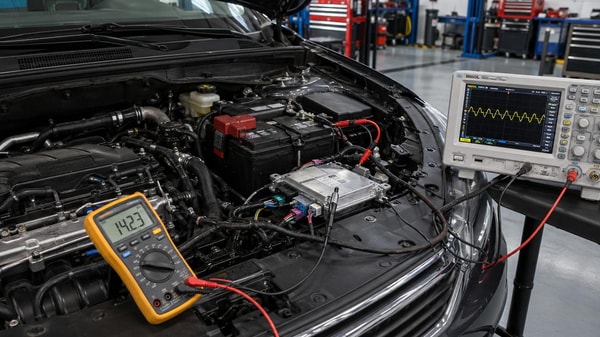
 Car electronics failures often start with power instabilityCar electronics issues often begin with hidden power instability. Learn how voltage drops, ripple, and weak grounds cause faults—and how smarter diagnostics cut repair time and repeat failures.
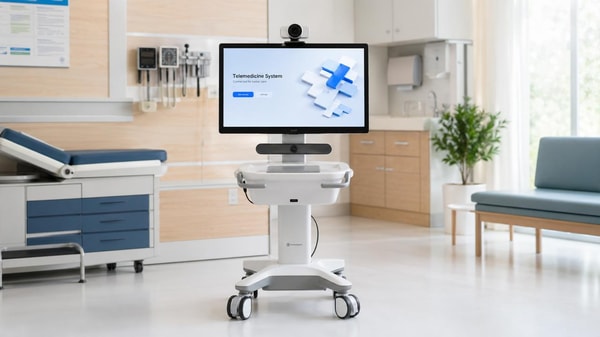
 Telemedicine hardware works best when setup friction is lowTelemedicine hardware works best with low setup friction. Discover how faster deployment, easier operation, and scenario-based selection improve care efficiency and service quality.
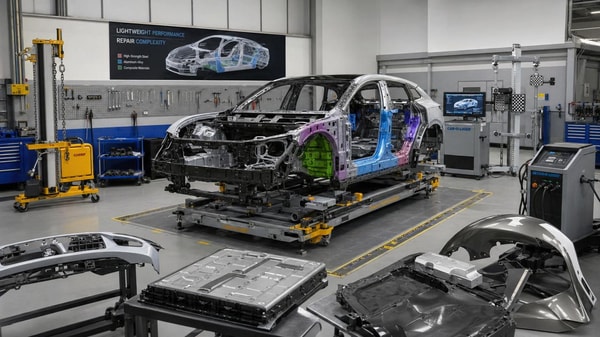
 Are light-weighting vehicle materials worth the repair tradeoff?Light-weighting vehicle materials: Are efficiency gains worth higher repair costs? Explore lifecycle impact, EV value, downtime risks, and smarter sourcing decisions.
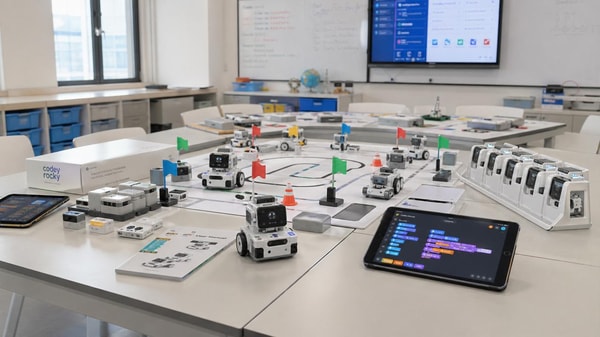
 Educational robots in class: novelty or lasting value?Educational robots are moving beyond classroom novelty. Discover how they create lasting value through STEM learning, scalability, and smarter school purchasing decisions.
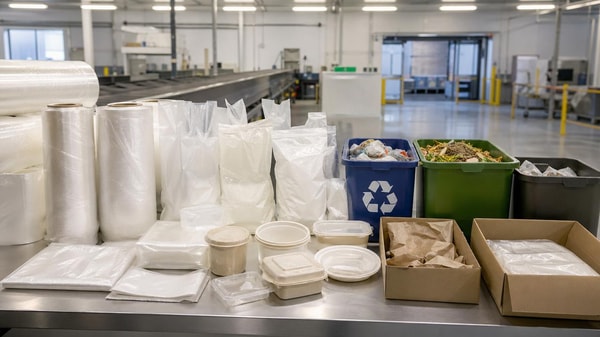
 Biodegradable plastics fail when disposal assumptions are wrongBiodegradable plastics can fail when real disposal systems do not match design assumptions. Learn the compliance, contamination, and claim risks before they damage trust.
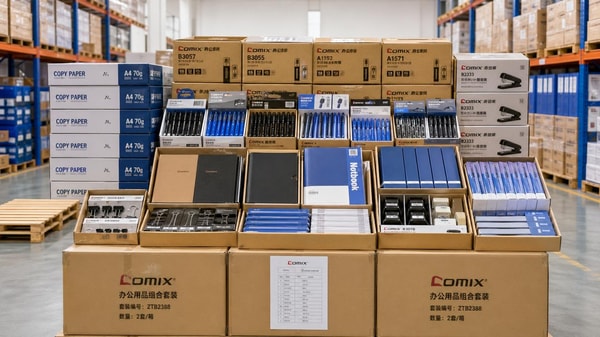
 Office stationery wholesale margins depend on boring detailsOffice stationery wholesale margins are won in the details—packaging, MOQ, freight, and SKU rotation. Learn how distributors protect profit and reduce hidden cost leakage.
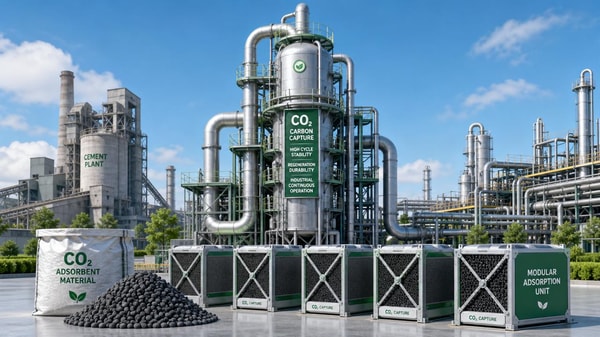
 Carbon capture materials are improving, but durability still mattersCarbon capture materials are improving, but durability still decides ROI. Explore cycle stability, regeneration resilience, and supplier evaluation factors for reliable industrial deployment.
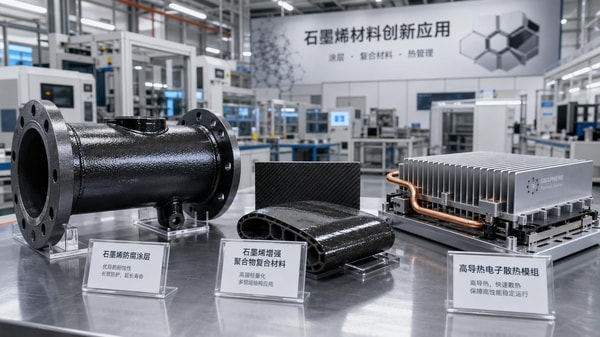
 Which graphene applications in industry are moving beyond pilots?Graphene applications in industry are moving beyond pilots fastest in coatings, composites, thermal management, sensors, and energy storage. See where commercialization is gaining traction.
 Precision farming drones need better data, not just better flight timePrecision farming drones deliver more value through accurate maps, crop insights, and faster decisions than longer flight time alone. See how better data improves farm efficiency.
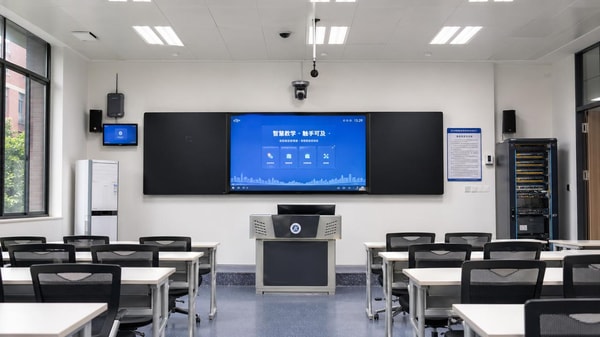
 Smart classroom solutions often disappoint for one simple reasonSmart classroom solutions often fail when complexity is ignored. Discover how project leaders can improve adoption, scalability, ROI, and long-term classroom performance.
 Organic fertilizers: when higher cost brings better soil resultsOrganic fertilizers may cost more, but they can improve soil structure, moisture retention, and long-term plant health. Learn when the higher price delivers better garden results.
 Agri-PV systems can raise land efficiency, but not everywhereAgri-PV systems can improve land efficiency, but only in the right conditions. Explore where they work, key risks, and how to evaluate profitable deployment.
 Smart home devices wholesale gets risky when standards do not matchSmart home devices wholesale becomes risky when standards, protocols, and certifications do not align. Learn how to reduce sourcing errors, control costs, and protect buyer trust.
 Wearable technology users quit when comfort is overlookedWearable technology users quit when comfort is ignored. Discover the checklist for fit, weight, skin safety, and long-term wear to choose devices that improve adoption and user satisfaction.
 Next-gen wireless charging still faces a heat management gapNext-gen wireless charging still faces a critical heat management gap. Explore how thermal risks affect efficiency, safety, lifecycle, and product readiness.
 Foldable screen technology looks mature until repair costs appearFoldable screen technology looks premium and practical, but are repair costs too high? Discover the real tradeoff between innovation, durability, and long-term value before you buy.
 Plant-based protein processing bottlenecks start after extractionPlant-based protein processing bottlenecks often begin after extraction. Discover downstream risks, supplier evaluation tips, and cost-saving insights for better sourcing decisions.
 Photovoltaic solar panels lose value when degradation is underestimatedPhotovoltaic solar panels can lose value fast when degradation is underestimated. Learn how realistic modeling protects ROI, asset valuation, and smarter solar investment decisions.




Popular Tags
Global Trade Insights & Industry
Our mission is to empower global exporters and importers with data-driven insights that foster strategic growth.
Search News
Popular Tags
Industry Overview
The global commercial kitchen equipment market is projected to reach $112 billion by 2027. Driven by urbanization, the rise of e-commerce food delivery, and strict hygiene regulations.