

Sheet Metal Roofing or Shingles: Which Lasts Longer?
When comparing sheet metal roofing with traditional shingles, durability is only part of the decision. For buyers, distributors, and market researchers using an online trade platform, factors like sheet metal fabrication quality, long-term maintenance, and regional supply trends also matter. This guide explores which option lasts longer while connecting roofing choices to broader sourcing insights across home improvement tools and building material markets.
In most cases, sheet metal roofing lasts significantly longer than asphalt shingles. A properly manufactured and installed metal roof can often perform for 40 to 70 years, while standard asphalt shingles usually last around 15 to 30 years depending on climate, product grade, and maintenance. For procurement teams, distributors, and business evaluators, the better question is not only which roof lasts longer, but which option delivers the best lifecycle value, supply reliability, and market fit.
Quick Answer: Which Roofing Material Usually Lasts Longer?
If the comparison is between sheet metal roofing and conventional asphalt shingles, metal roofing usually wins on service life, weather resistance, and lower long-term replacement frequency. That said, not all metal roofs perform the same. The actual lifespan depends on base metal type, coating quality, fabrication precision, fastening systems, and installation standards.
Shingles remain common because they are cheaper upfront, easier to source in many markets, and familiar to installers. But if the decision is based purely on longevity, sheet metal roofing is generally the longer-lasting option.
How Long Does Sheet Metal Roofing Last in Real-World Use?
For commercial buyers and building-material distributors, “metal roofing” is a broad category. Lifespan varies by material and manufacturing quality:
- Galvanized steel roofing: often 30 to 50 years
- Galvalume steel roofing: often 40 to 60 years
- Aluminum roofing: often 40 to 60 years, especially in coastal zones
- Standing seam metal roofing: commonly 50+ years when properly installed
- Copper or premium alloy systems: can exceed 70 years
These ranges assume correct installation and a suitable environment. In practice, buyers should pay attention to coating systems, corrosion resistance, panel thickness, substrate quality, and compliance with local weather demands. In export-import trade, low-cost products that look similar on paper can differ substantially in protective finish and expected field performance.
How Long Do Shingles Usually Last?
Shingle roofing lifespan depends heavily on product type and climate exposure:
- 3-tab asphalt shingles: around 15 to 20 years
- Architectural asphalt shingles: around 20 to 30 years
- Premium shingles: may reach 30 years under favorable conditions
In hot climates, high UV exposure, strong wind zones, and areas with freeze-thaw cycles, shingles may age faster. Granule loss, curling, cracking, and moisture damage can reduce actual service life well below advertised warranty periods.
For distributors and sourcing professionals, this matters because low upfront cost often leads to earlier replacement demand, higher maintenance frequency, and more variable customer satisfaction.
What Factors Actually Determine Roof Lifespan?
Readers searching “sheet metal roofing or shingles: which lasts longer?” are usually not looking for a generic number alone. They want to know why lifespan differs and what affects purchasing risk. The main factors include:
1. Material Quality
For metal roofs, alloy composition, anti-corrosion coatings, paint systems, and thickness have a major impact. For shingles, mat quality, asphalt composition, and granule adhesion matter most.
2. Installation Quality
Even premium materials can fail early if installation is poor. Incorrect fastening, weak underlayment, poor flashing details, or inadequate ventilation can shorten roof life dramatically.
3. Climate and Exposure
Metal roofs generally perform better in heavy rain, snow, and high-heat environments. Shingles can be more vulnerable to wind uplift, heat aging, and moisture-related deterioration.
4. Maintenance Practices
Periodic inspections, drainage management, sealant review, and fastener checks can extend metal roof life. Shingles often require earlier repair of broken or lifted sections.
5. Product Design and Fabrication Standards
For sheet metal fabrication, profile consistency, edge treatment, coating uniformity, and panel forming accuracy all affect roof performance. In B2B sourcing, these are critical evaluation points.
Is Metal Roofing Always the Better Business Decision?
Not necessarily. For many commercial decisions, longer lifespan does not automatically mean better value in every scenario. The right choice depends on budget structure, target market, building type, and ownership horizon.
Metal roofing may be the better option when:
- The buyer prioritizes lifecycle cost over initial price
- The building is expected to remain in service for decades
- The project is in a harsh climate zone
- Reduced maintenance is a key requirement
- Premium positioning or energy efficiency matters
Shingles may still make sense when:
- Upfront capital is limited
- The building has a shorter investment horizon
- Installation labor for metal systems is less available locally
- The market strongly prefers conventional residential roofing aesthetics
- Replacement cycles are already accepted in the local market
Lifecycle Cost: Why Longevity Matters More Than Purchase Price
For procurement and commercial evaluation teams, the more useful metric is often cost over service life, not purchase price per square meter alone.
A shingle roof may cost less initially, but if it needs replacement once or twice during the lifespan of a single metal roof, the total cost picture changes. Add labor, disposal, disruption, maintenance, and possible warranty claims, and the long-term economics can favor metal roofing.
Metal roofs can also provide indirect value through:
- Lower maintenance frequency
- Better resistance to weather-related damage
- Potential energy savings through reflective coatings
- Stronger appeal in premium construction segments
For distributors and agents, this is also a positioning issue. Selling on lifecycle value can improve margins compared with competing only on entry-level price.
What Should Buyers and Sourcing Teams Check Before Choosing Sheet Metal Roofing?
Since the business context here includes global trade and industrial sourcing, decision-makers should evaluate more than brochure claims. A practical sourcing checklist includes:
- Base material specification: galvanized steel, Galvalume, aluminum, or other alloy
- Thickness and profile consistency: essential for durability and structural performance
- Coating system: corrosion protection and paint durability are key
- Fabrication capability: precision forming reduces installation and leakage risk
- Compliance and testing: wind, fire, corrosion, and weather resistance certifications
- Supplier reliability: lead times, export experience, documentation, and quality control
- Warranty terms: understand what is covered and for how long
On global B2B platforms, buyers should compare not only product listings but also supplier consistency, production scale, market reputation, and after-sales responsiveness.
Regional Market Trends Also Influence the Best Choice
Roofing demand patterns differ by region. In some markets, asphalt shingles dominate because of installer familiarity and residential construction norms. In others, metal roofing is gaining market share due to stronger weather resilience, longer life expectancy, and demand for lower-maintenance building materials.
For market researchers and trade analysts, key signals include:
- Growth in renovation versus new-build construction
- Local climate adaptation requirements
- Import dependence for coated steel or roofing accessories
- Residential versus industrial building mix
- Price volatility in steel and petroleum-derived products
This broader context helps explain why roofing material decisions are not purely technical. They are also linked to supply chain stability, regional regulation, and customer expectations.
So, Which One Should You Recommend or Source?
If the question is strictly “which lasts longer,” the answer is clear: sheet metal roofing typically outlasts shingles by a wide margin. But if you are a buyer, distributor, or business evaluator, the smarter conclusion is more nuanced.
Choose metal roofing when long service life, reduced replacement cycles, and stronger lifecycle economics are priorities. Choose shingles when lower upfront cost, easier installer access, and local market familiarity matter more than maximum durability.
The most informed decision combines material lifespan, fabrication quality, maintenance expectations, local climate, and supply chain confidence. That approach gives businesses a better basis for sourcing, market positioning, and customer guidance.
Conclusion
Sheet metal roofing generally lasts much longer than asphalt shingles, often delivering decades of additional service life when product quality and installation are both strong. For trade-focused readers, however, longevity should be evaluated alongside total cost, supplier capability, regional demand trends, and end-user expectations.
In short, shingles may win on lower entry cost, but metal roofing usually wins on durability and long-term value. For procurement teams and market decision-makers, that difference can directly affect product strategy, customer satisfaction, and profitability across the building materials supply chain.
Recommended News
 Key Energy Storage Equipment Prices Drop ~80% in ChinaKey energy storage equipment prices in China dropped ~80% — PCS, BMS & liquid cooling units. Discover implications for compliance, margins & standards enforcement.
") China Releases Green Design Guidelines for Industrial Products (2026)China's 2026 Green Design Guidelines for industrial products—covering PV modules, lithium batteries & smart appliances—link eco-design to green factory certification and export tax rebates starting 2027.
China Releases Green Design Guidelines for Industrial Products (2026)China's 2026 Green Design Guidelines for industrial products—covering PV modules, lithium batteries & smart appliances—link eco-design to green factory certification and export tax rebates starting 2027. Mexico NOM-019-SCFI-2026 Effective: Automotive Electronics Require New EMC CertificationMexico NOM-019-SCFI-2026 is live: Automotive electronics (infotainment, ADAS, domain controllers) now require mandatory EMC certification by July 31, 2026 — act now to avoid customs delays.
 Red Sea Detour Premium Rises to $1,850/TEU Amid Port Congestion ReliefRed Sea Detour Premium hits $1,850/TEU — now 43% of FE–NE freight rates. Discover why this structural surcharge demands urgent supply chain action.
 TÜV Rheinland Updates PLd Certification: EMC Immunity Now Mandatory for Servo DrivesTÜV Rheinland now mandates EN IEC 61000-6-2:2024 EMC immunity testing for PLd certification of servo drives—act before May 26, 2026 to avoid EU market delays.
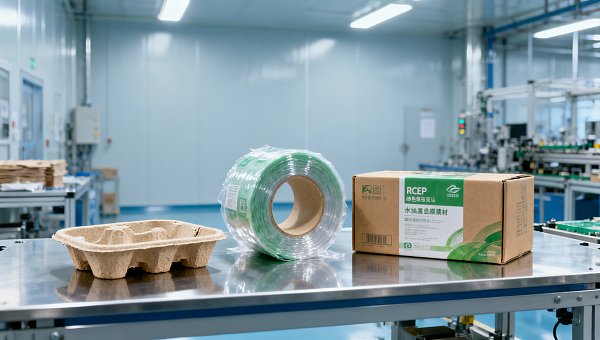
 RCEP Green Packaging Mutual Recognition Effective Apr 26, 2026RCEP Green Packaging Mutual Recognition takes effect Apr 26, 2026—unlock faster customs clearance & cost savings for eco-friendly packaging exporters to AU, NZ, JP, KR.
 FDA Final Rule: AI Diagnostic Devices Must Submit Bias Impact ReportsFDA mandates AI diagnostic devices submit third-party-verified bias impact reports—key for 510(k)/De Novo submissions. Act now to ensure compliance & market access.
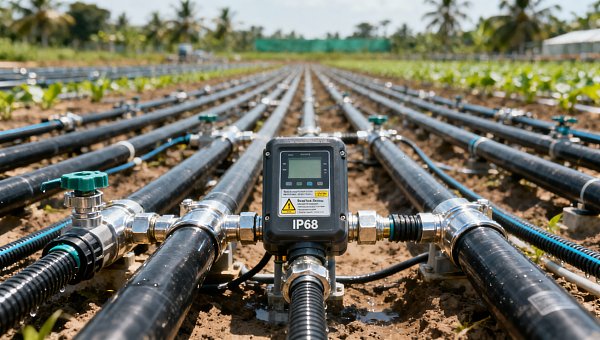
 Vietnam Suspends SASO Mutual Recognition for Chinese Irrigation EquipmentVietnam suspends SASO mutual recognition for Chinese irrigation equipment—urgent QCVN certification now required for drip tapes, sprinklers, valves & smart controllers.
 SABER Phase II Launch: Building Hardware Must Submit Digital Type Test Reports & PIDSABER Phase II now requires digital type test reports & PID for building hardware — fasteners, door/window, bathroom fixtures. Avoid port rejection: ensure PID-bound compliance before shipment.
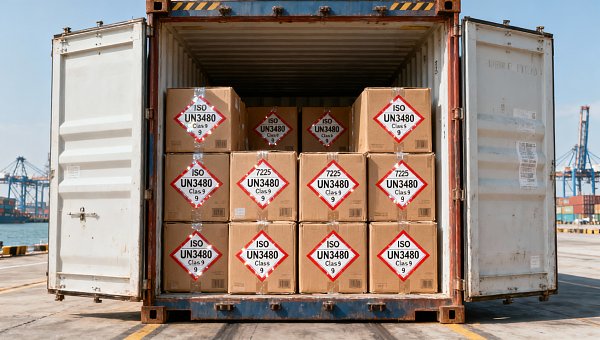
 IMDG Code 41-24 Enforced: UN3480 Lithium Batteries Require Class 9 LabelsUN3480 lithium batteries now require ISO 7225-compliant Class 9 labels under IMDG Code 41-24 — enforceable globally from 26 April 2026. Act now to avoid shipment delays!
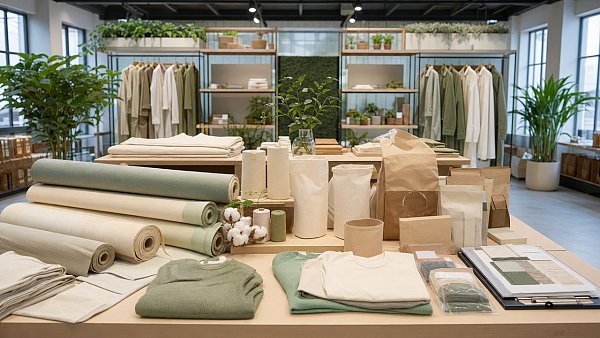
 What Makes Sustainable Fashion Brands Worth Buying?Sustainable fashion brands deliver transparency, quality, and lower risk. See how a business intelligence platform helps buyers verify value, avoid greenwashing, and source smarter.
 How to Choose a Business Intelligence Platform in 2026?Business intelligence platform selection in 2026: compare data coverage, pricing insights, online trade platform signals, Cement price trends, and MRI scanners cost to choose smarter, faster.
 IMDG Code 41-24 Enforces UN3480 Class 9 Labeling for Lithium Battery Sea FreightIMDG Code 41-24 mandates UN3480 Class 9 labeling for lithium battery sea freight—avoid auto-rejection by DHL, Kuehne+Nagel & Sinotrans. Act now.
 ESS Key Equipment Prices Drop ~80%: Quality & Compliance RiseESS key equipment prices dropped ~80%—but quality & compliance are now critical. Discover how UL 9540A and IEC 62933-5-2 standards reshape global market access.
") China Releases Green Design Guide for Industrial Products (2026)China's new Green Design Guide (2026) offers 126 actionable solutions for solar, batteries & robotics—key for EU ESG compliance and export readiness.
China Releases Green Design Guide for Industrial Products (2026)China's new Green Design Guide (2026) offers 126 actionable solutions for solar, batteries & robotics—key for EU ESG compliance and export readiness. Vietnam Suspends SASO Mutual Recognition for Chinese Irrigation EquipmentVietnam suspends SASO mutual recognition for Chinese irrigation equipment—impacting spray controllers, fertigation systems & PE pipes. Act now to meet new local testing mandates.
 Mexico NOM-019-SCFI-2026 Effective: Automotive EMC Certification RequiredMexico NOM-019-SCFI-2026 is live: Automotive EMC certification now mandatory for all car electronics entering Mexico—avoid customs rejection. Act now!
 Red Sea Rerouting Now Normalized: Asia-Europe Freight Premium at $1,850/TEURed Sea rerouting is now normalized—Asia-Europe freight premium holds at $1,850/TEU. Critical for CNC, solar PV & EV accessory exporters. Read the strategic implications.
 SABER Phase II Launch: Building Hardware Must Submit Digital Type Test Reports & UPIDSABER Phase II is live: Building hardware exporters must now submit digital type test reports & UPID—avoid Jeddah port delays. Act now!
 FDA Final Rule: AI Diagnostic Devices Require Bias Assessment for US MarketFDA mandates bias assessment for AI diagnostic devices—key for portable ultrasound, dermatoscopes & fundus analyzers entering the US market. Act now to comply.
 RCEP Green Packaging Mutual Recognition Takes EffectRCEP Green Packaging Mutual Recognition is live: Chinese GB/T 37650–2023-certified packaging now bypasses retesting in Australia, NZ, Japan & SK — save time and costs.













Popular Tags
Global Trade Insights & Industry
Our mission is to empower global exporters and importers with data-driven insights that foster strategic growth.
Search News
Popular Tags
Industry Overview
The global commercial kitchen equipment market is projected to reach $112 billion by 2027. Driven by urbanization, the rise of e-commerce food delivery, and strict hygiene regulations.